Executive Summary:
The U.S. Marine Corps has conducted its first-ever F-35B highway landing and takeoff operations in Finland during NATO’s Ramstein Flag 2026 exercise. The event demonstrates NATO’s increasing emphasis on dispersed air operations, enhancing survivability and combat readiness across the alliance’s northern flank near Russia.
U.S. Marine Corps F-35Bs Conduct Historic Highway Operations In Finland
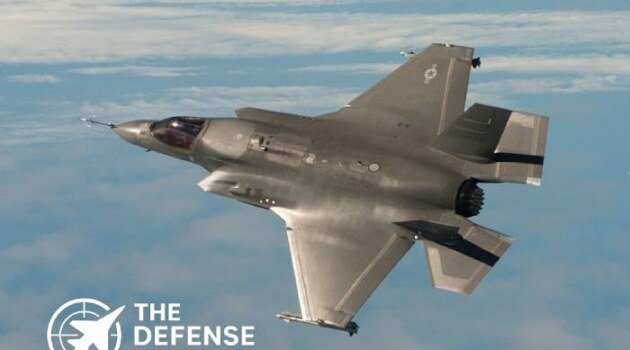
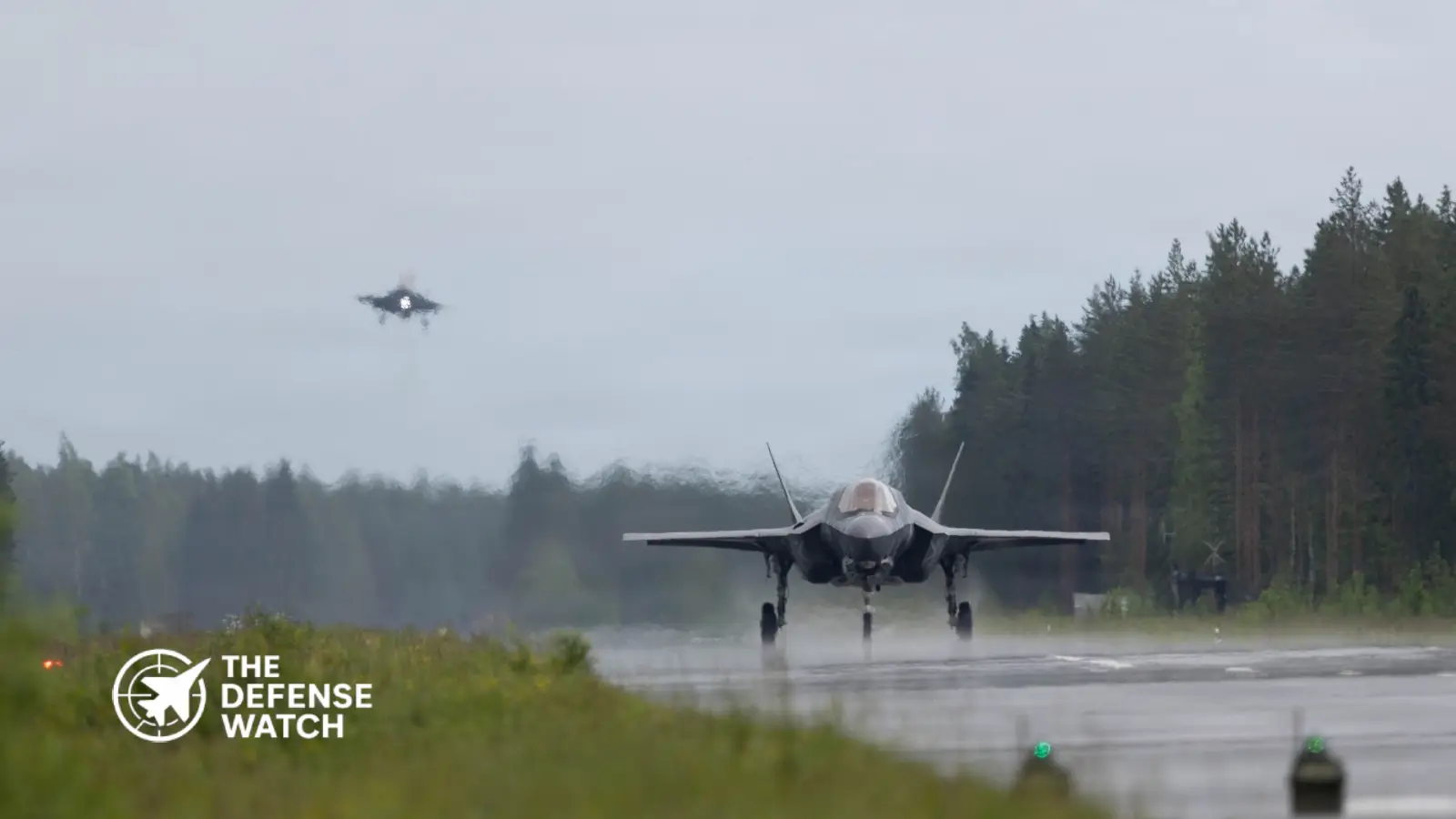
The U.S. Marine Corps F-35B has completed its first highway landing and takeoff operations in Finland, marking a significant milestone in NATO’s evolving approach to dispersed air warfare and operational resilience.
The operations took place from June 8 to 12 near Tervo, Finland, during Exercise Ramstein Flag 2026, NATO’s premier large-scale airpower exercise involving 19 allied nations and more than a dozen operating locations across Europe. According to U.S. Marine Corps Forces Europe and Africa, F-35B Lightning II aircraft assigned to Marine Fighter Attack Squadron 224 (VMFA-224) successfully operated from a Finnish roadway alongside Polish F-16s and Spanish EF-18 Hornets.
The event also marked the first deployment of U.S. Marine Corps F-35Bs to Finland and the first time Marine Corps aircraft conducted highway operations in the Nordic nation.
Ramstein Flag 2026 Highlights NATO’s Distributed Airpower Strategy
The highway operations were designed to test NATO’s ability to sustain combat air operations from dispersed and nontraditional locations rather than relying solely on fixed air bases.
This concept aligns closely with NATO’s adoption of Agile Combat Employment (ACE), a strategy intended to complicate adversary targeting by distributing aircraft across multiple operating sites. By using highways and temporary operating locations, allied air forces can maintain combat effectiveness even if major airfields come under attack.
During the exercise, U.S. Marines from Marine Wing Support Squadron 272 provided forward arming and refueling support, enabling the F-35Bs to conduct realistic expeditionary operations away from traditional infrastructure.
NATO Allied Air Command described Ramstein Flag 2026 as a demonstration of the alliance’s ability to conduct distributed operations across a wide geographic area stretching from northern Norway to southern Europe.
Why Finland’s Highway Network Matters
Finland has long maintained a unique road-base doctrine designed to keep its air force operational during wartime. Sections of highways across the country can be rapidly converted into temporary airstrips, allowing aircraft to disperse and continue operations if conventional air bases become unavailable.
Since joining NATO in 2023, Finland’s dispersed operations model has become increasingly valuable to alliance planning. The country’s extensive experience operating combat aircraft from highways offers a practical framework for NATO’s northern defense posture.
The latest Marine Corps deployment builds on a series of previous allied highway operations in Finland. Norwegian F-35As, U.S. Air Force F-35As, Dutch F-35As, and Italian F-35Bs have all participated in similar exercises over the past several years.
The F-35B’s Unique Role In Dispersed Warfare
Unlike conventional fighter aircraft, the F-35B incorporates short takeoff and vertical landing (STOVL) capabilities. This allows the aircraft to operate from shorter and less developed surfaces, including highways, expeditionary airfields, and amphibious assault ships.
For the Marine Corps, the ability to deploy fifth-generation stealth fighters from austere locations supports expeditionary warfare concepts that have become central to U.S. military planning. The F-35B combines advanced stealth characteristics, sensor fusion, electronic warfare systems, and networked battlefield awareness while maintaining the flexibility to operate far from major bases.
The Marine Corps plans to operate more than 200 F-35B aircraft by the end of 2026, making the platform the backbone of its future tactical aviation force.
Strategic Implications For NATO’s Northern Flank
The significance of the Finnish highway operations extends beyond a training milestone.
As Russia continues to invest heavily in long-range precision strike capabilities, NATO air forces are increasingly focused on reducing dependence on fixed airfields that could become targets during a conflict. Dispersed operations force adversaries to monitor and potentially strike a much larger network of locations, complicating operational planning and increasing uncertainty.
The participation of U.S. Marine Corps F-35Bs demonstrates how NATO is integrating advanced fifth-generation aircraft into distributed operating concepts across Europe. The exercise also underscores growing interoperability among alliance members and the increasing importance of Finland as a key contributor to NATO’s northern defense architecture.
Analysis
The first U.S. Marine Corps F-35B highway operations in Finland represent more than a symbolic aviation achievement. They reflect a broader shift in NATO air doctrine toward survivability, mobility, and operational flexibility in contested environments.
Finland’s established road-base network provides NATO with a proven model for maintaining airpower under wartime conditions, while the F-35B’s STOVL capability offers unique advantages for dispersed operations. As alliance exercises increasingly emphasize distributed combat operations, highway-based deployments are likely to become a routine element of NATO airpower planning rather than an exception.
For the United States Marine Corps, the successful deployment validates expeditionary aviation concepts that could prove critical in future high-intensity conflicts where traditional airfields may face sustained missile and drone threats.