Norwegian F-35 Scramble Responds To Russian Arctic Surveillance Activity
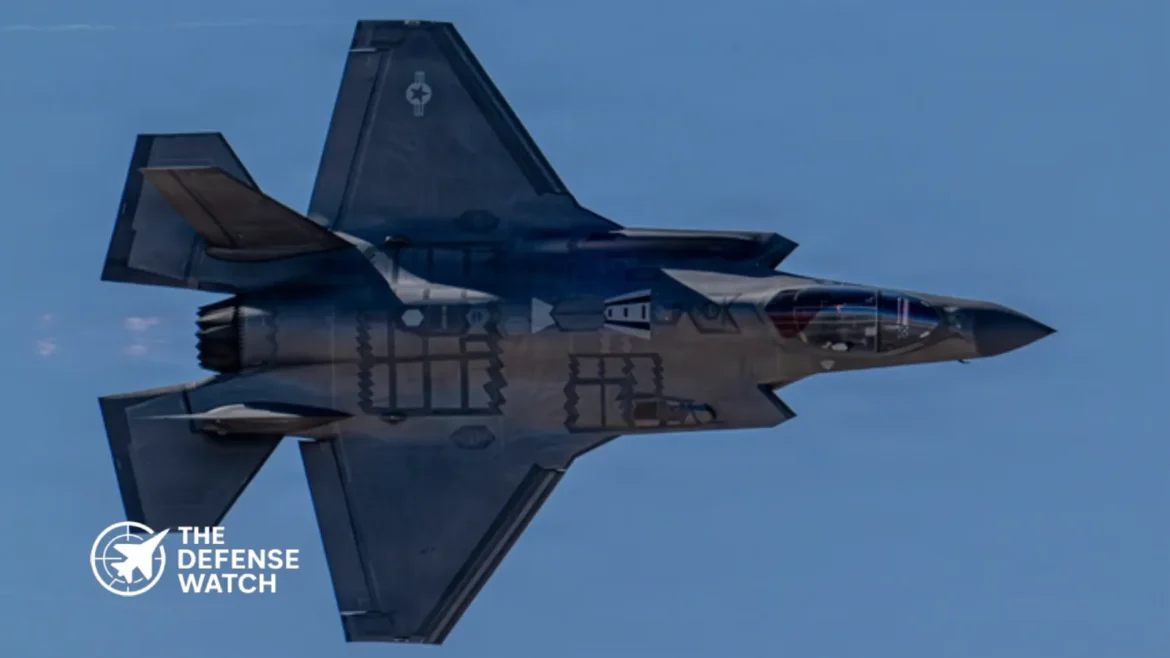
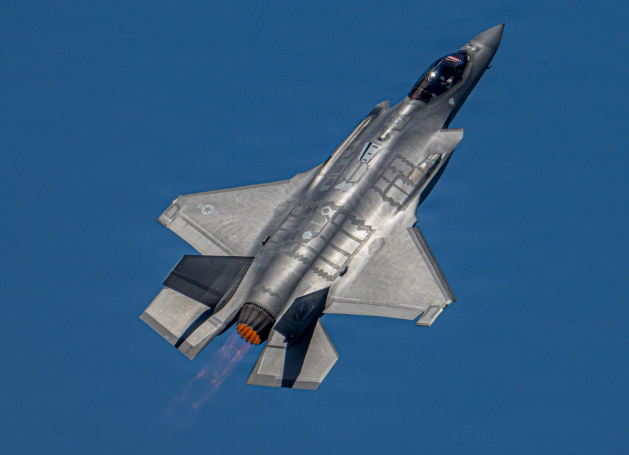
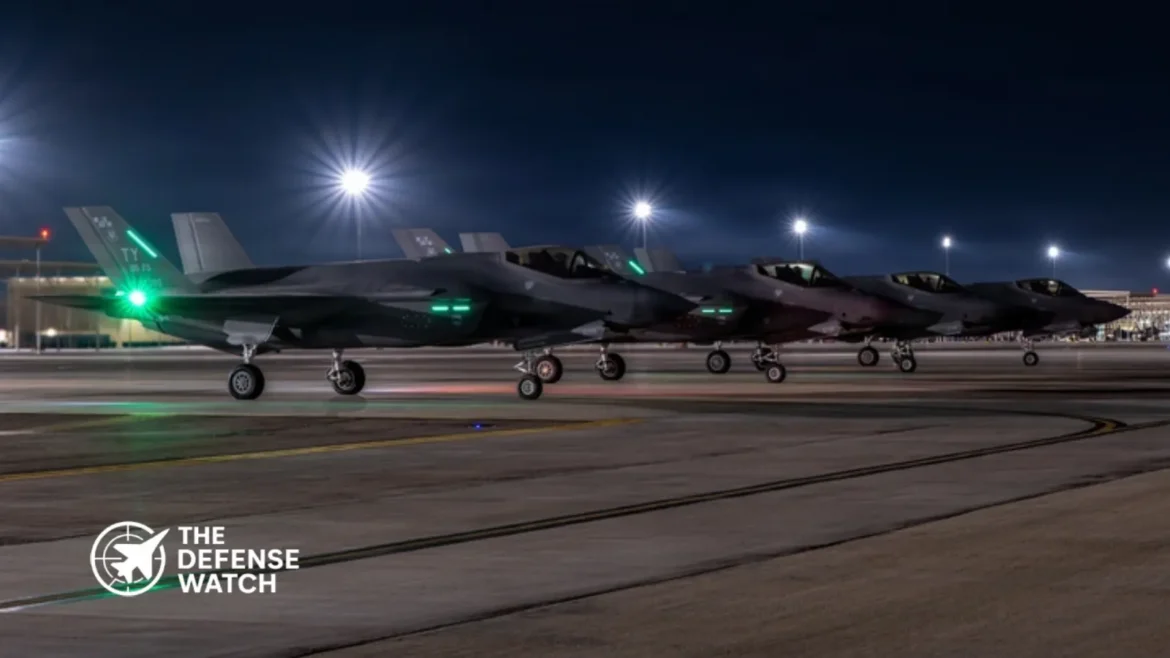
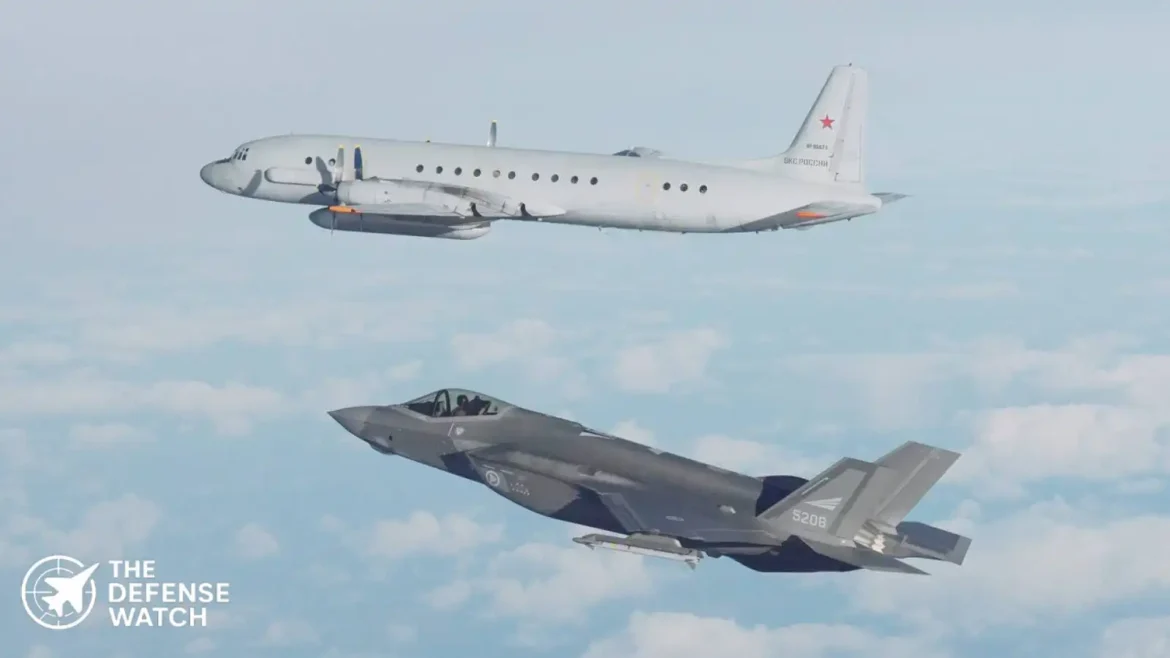
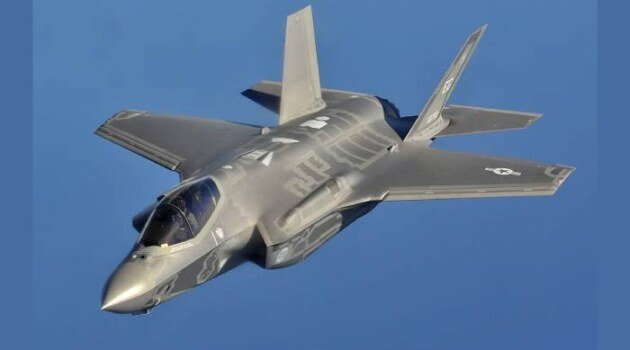
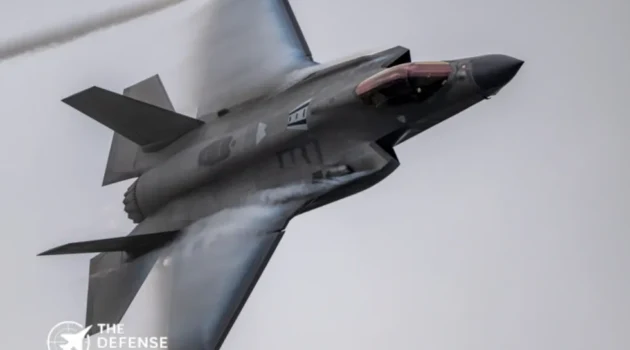
Norwegian F-35 jets were scrambled after Russian maritime patrol aircraft were detected operating near NATO areas of interest in the High North, according to reporting by Army Recognition citing Norwegian defense information. The intercept involved Russian Il-38 and Tu-142 aircraft, both long-range surveillance platforms used to monitor naval activity and submarine movements.
- Norway scrambled F-35 fighter jets to identify Russian aircraft near its airspace.
- Russian aircraft involved were reported as Il-38 and Tu-142 maritime patrol platforms.
- Activity occurred amid heightened NATO naval presence in the High North.
- Norway operates F-35A fighters as its primary quick reaction alert interceptor fleet.
- Incident highlights growing competition over Arctic sea lanes and military access.
The incident reflects a familiar but increasingly important pattern, Russia using long-range patrol aircraft to gather intelligence while NATO strengthens Arctic readiness.
The Big Picture
The High North has become one of NATO’s most strategically sensitive regions. Melting sea ice, growing maritime traffic, undersea cable vulnerability, and expanding military activity have pushed Arctic security higher on alliance planning agendas.
Norway occupies a front-line position in that environment. It borders Russia, controls access routes into the North Atlantic, and hosts key air and maritime infrastructure used by NATO forces. Any increase in Russian reconnaissance flights near Norwegian territory draws close attention because it may indicate wider monitoring of allied naval deployments.
Norwegian F-35 aircraft are central to that mission. Their sensors, range, and networked data-sharing abilities give Oslo stronger situational awareness across vast northern operating areas.
What’s Happening
Norwegian authorities launched a quick reaction alert mission after detecting Russian Il-38 and Tu-142 patrol aircraft approaching areas monitored by Norway’s air defense network.
The Il-38 is a maritime patrol and anti-submarine warfare aircraft derived from the Il-18 airliner. Russia uses it for surface surveillance, submarine hunting, and long-duration patrols.
The Tu-142 is a larger, longer-range platform developed from the Tu-95 bomber family. It is designed for anti-submarine warfare and ocean reconnaissance, making it especially relevant during periods of naval movement.
Norwegian F-35 fighters intercepted and visually identified the aircraft, a standard NATO air policing procedure intended to maintain awareness and sovereignty without escalation.
Why It Matters
Russian patrol flights often seek more than symbolic presence. They can collect electronic emissions, track fleet movements, map air defense responses, and observe alliance operating patterns.
That matters in the High North because NATO increasingly relies on northern sea lanes and Arctic staging areas. Allied submarines, carrier groups, maritime patrol aircraft, and reinforcement shipping routes all depend on secure access to the North Atlantic.
A Norwegian F-35 scramble therefore serves two purposes. It protects sovereign airspace, and it signals that NATO can rapidly detect and respond to intelligence-gathering activity.
Strategic Implications
Norway’s transition from F-16s to F-35As has significantly upgraded its deterrence posture. The aircraft combines stealth, advanced radar, passive sensors, and secure data links that are valuable in contested northern environments.
For NATO, Norway’s fleet acts as a forward sensing node. Information gathered by Norwegian F-35s can support wider alliance maritime and air operations.
Russia is also likely testing response times and operational patterns. Repeated patrols can reveal how quickly fighters launch, where they intercept, and which assets are active in theater. That makes routine intercept missions strategically relevant even when no violation of sovereign airspace occurs.
Competitor View
Moscow traditionally views NATO naval concentration in northern waters as a direct challenge to the security of the Kola Peninsula, home to major Russian naval and strategic submarine forces.
From that perspective, maritime patrol flights by Il-38 and Tu-142 aircraft help Russia monitor allied operations near critical bastions used by its Northern Fleet. NATO, however, views these patrols as intelligence collection activity requiring constant monitoring.
This dynamic helps explain why intercepts have become more frequent and more visible.
What To Watch Next
NATO will likely continue expanding Arctic exercises, maritime patrol rotations, and integrated air defense drills. Norway is expected to deepen F-35 integration with allied assets such as P-8 maritime patrol aircraft, naval task groups, and ground-based sensors.
Observers should also watch for:
- More Russian bomber and patrol flights in northern corridors
- Expanded NATO submarine and surface operations
- New Arctic basing investments
- Greater focus on undersea infrastructure security
Capability Gap
The Norwegian F-35 scramble addresses a longstanding Arctic challenge, covering vast distances with limited warning time.
Older aircraft could intercept effectively, but modern operations require more than speed. Commanders need fused sensor data, electronic awareness, and secure networking across sea, air, and land forces. The F-35 helps close that gap.
Limitations remain. Arctic weather, sparse infrastructure, and long logistics lines still complicate sustained operations for any military force.
The Bottom Line
Norway’s F-35 response shows that even routine interceptions in the Arctic now carry growing strategic weight for NATO and Russia.

NORAD F-35 Defense Role Reassessed Amid Evolving Threats
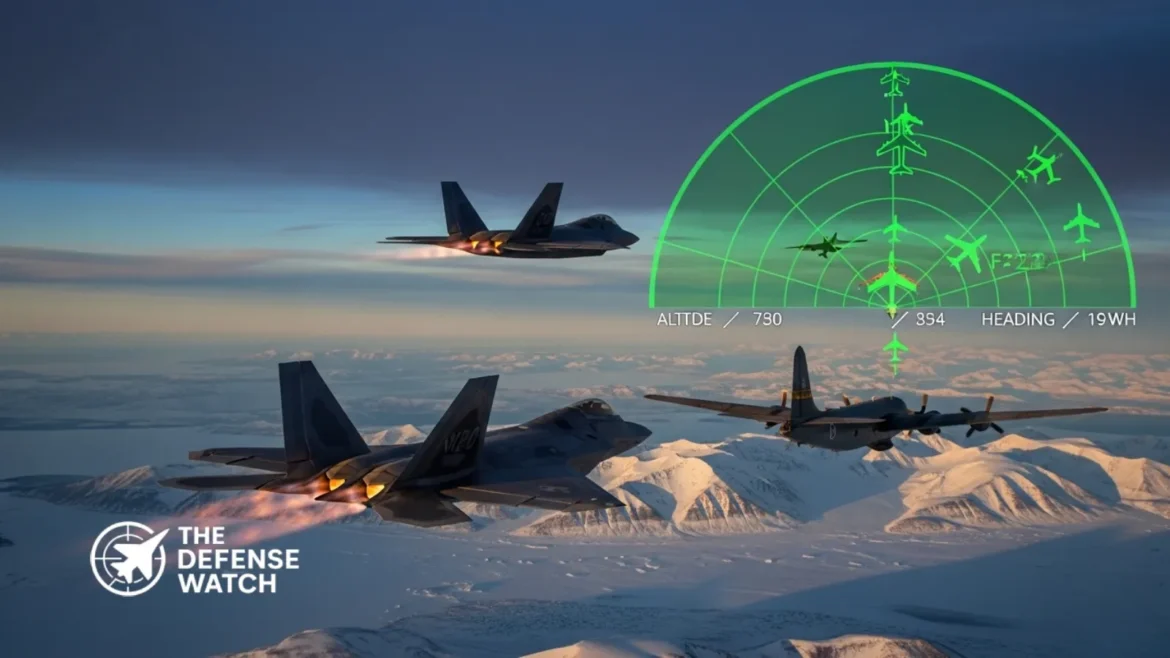
The NORAD F-35 defense role is not considered essential to protecting North America, according to a senior commander, who emphasized that continental defense depends on a broader, layered architecture rather than any single aircraft platform.
The North American Aerospace Defense Command (NORAD) official clarified that while the F-35 remains a highly capable fifth-generation fighter, it is not a critical requirement for homeland defense missions across the United States and Canada.
Instead, NORAD’s strategy prioritizes integrated detection, tracking, and response systems designed to counter a wide range of modern threats, including cruise missiles, hypersonic weapons, and long-range bombers.
- NORAD commander stated that the F-35 is not essential for defending North America.
- Air defense relies on a layered system including radar networks, satellites, and interceptor aircraft.
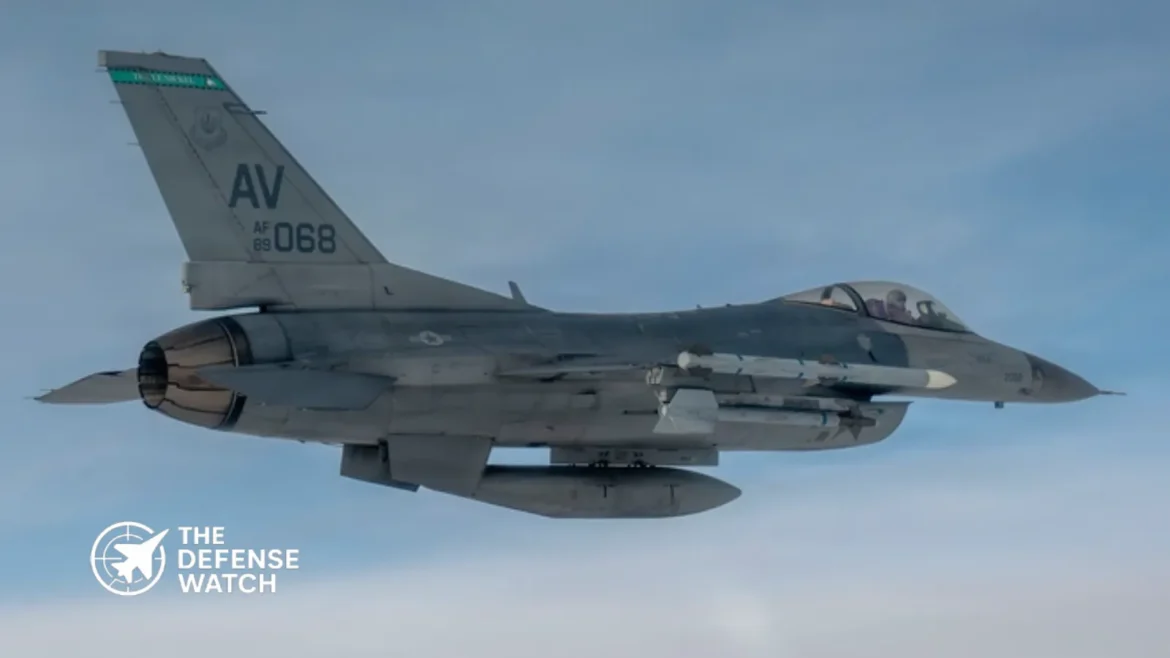
- Existing fighter fleets such as F-15 and F-16 continue to play a critical role in homeland defense missions.
- Modern threats include cruise missiles, hypersonic weapons, and long-range bombers.
- NORAD modernization focuses on early warning systems and domain awareness rather than stealth fighters alone.
Layered Defense Still Central To North American Security
At the core of NORAD’s approach is a layered defense network that combines multiple capabilities across air, space, and ground domains.
This includes early warning radars, satellite-based surveillance, and interceptor aircraft operating in coordination. Legacy fighter platforms such as the F-15 and F-16 continue to perform air sovereignty missions effectively, particularly in intercepting unidentified aircraft approaching North American airspace.
The commander’s remarks reinforce a long-standing principle in air defense planning: detection and response speed matter more than platform sophistication alone.
From an operational perspective, stealth fighters like the F-35 are optimized for penetrating contested airspace and conducting offensive missions. In contrast, NORAD’s primary mission involves detecting and intercepting threats before they reach critical infrastructure or population centers.
Why The F-35 Is Not Central To NORAD Missions
The NORAD F-35 defense role is shaped by mission requirements that differ significantly from expeditionary warfare.
F-35 aircraft are designed for multi-role operations in contested environments, including suppression of enemy air defenses and precision strikes. However, North American defense missions typically involve identifying and intercepting aircraft or missiles approaching from long distances.
In these scenarios, sensor networks and command-and-control systems play a more decisive role than stealth characteristics.
Additionally, NORAD operations often rely on rapid-response alert fighters stationed across the continent. These aircraft must be cost-effective, readily available, and capable of sustained operations, factors that do not necessarily require fifth-generation capabilities.
Rising Threats Driving NORAD Modernization
Despite downplaying the necessity of the F-35, NORAD leadership acknowledges that the threat environment is becoming more complex.
Adversaries such as Russia and China have invested heavily in long-range strike systems, including advanced cruise missiles and hypersonic glide vehicles. These weapons can approach North America at high speeds and low altitudes, making detection more challenging.
As a result, modernization efforts are focused on improving early warning systems, expanding radar coverage in the Arctic, and enhancing data integration across multiple domains.
Programs such as the North Warning System upgrade and investments in over-the-horizon radar technologies are central to this effort. These systems aim to close detection gaps and provide more time for decision-making and response.
Strategic Implications For US And Canadian Defense Policy
The assessment of the NORAD F-35 defense role has broader implications for defense procurement and policy decisions in both the United States and Canada.
While the U.S. continues to expand its F-35 fleet for global operations, Canada has committed to acquiring the aircraft as part of its fighter modernization program. However, the NORAD commander’s comments suggest that such acquisitions are driven more by alliance commitments and expeditionary requirements than by homeland defense needs.
This distinction is important for policymakers evaluating future investments in air defense. It underscores the need to balance high-end combat capabilities with investments in infrastructure, sensors, and command systems that directly support continental defense.
Analysis: A Shift Toward Systems Over Platforms
The evolving NORAD F-35 defense role reflects a broader shift in military thinking, where integrated systems take precedence over individual platforms.
Modern air defense is increasingly defined by networked capabilities that enable faster detection, better situational awareness, and coordinated responses. In this context, the effectiveness of a defense system depends less on the performance of a single aircraft and more on how well different components work together.
This approach aligns with emerging concepts such as Joint All-Domain Command and Control (JADC2), which aim to connect sensors and shooters across services and domains.
By focusing on systems integration, NORAD is adapting to a threat environment where speed, coordination, and resilience are critical.

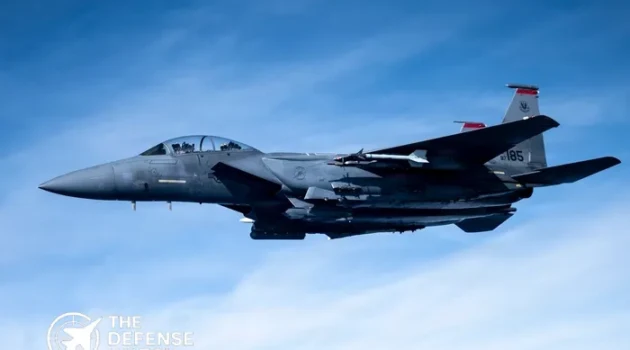
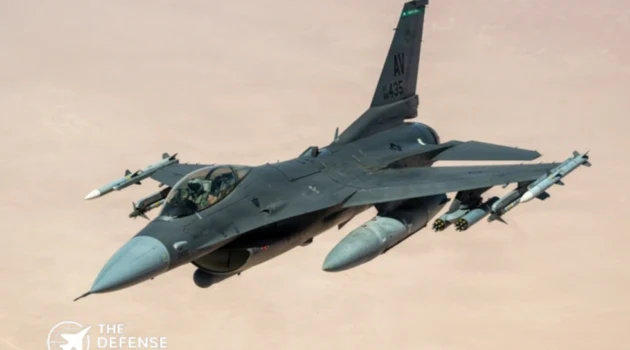
Iran Claims Shootdown Of US F-35 Fighter Jet
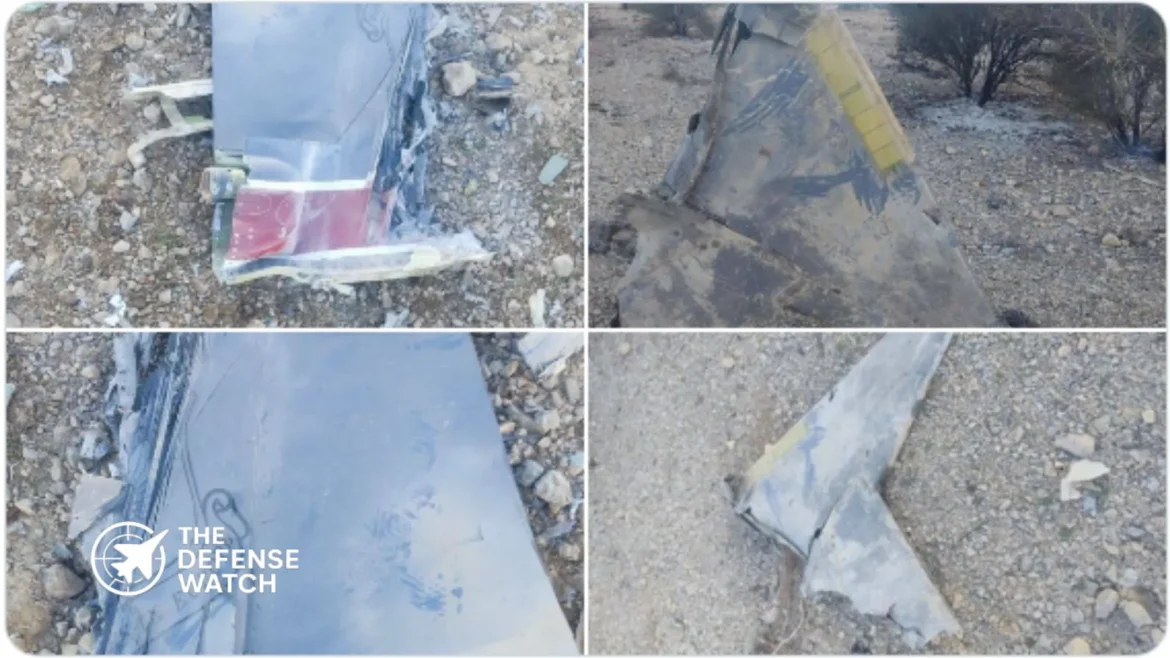
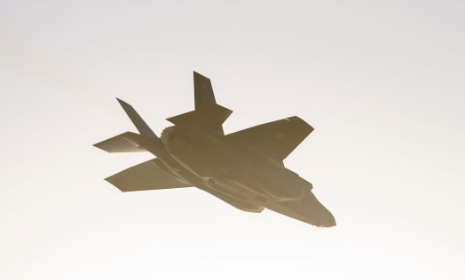
Iran’s reported F-35 shootdown claim has surfaced amid heightened regional tensions, with Tehran asserting that its air defenses downed a US stealth fighter in central Iranian airspace.
According to Iranian state-linked media and statements attributed to the Islamic Revolutionary Guard Corps (IRGC), the aircraft was engaged and destroyed during what it described as an intrusion into national airspace. The claim marks what Iran describes as a second incident involving a US F-35 fighter jet.
¦ KEY FACTS AT A GLANCE- Iran claims it shot down a US F-35 fighter jet in central airspace, according to state-affiliated media.
- The Islamic Revolutionary Guard Corps says the aircraft was engaged over central Iran.
- No information has been released regarding the pilot’s status.
- Iranian media suggests the pilot may not have ejected due to an onboard explosion.
- US Central Command has not confirmed or responded to the claim.
However, US Central Command (CENTCOM) has not issued any confirmation or response at the time of publication, leaving the claim unverified.
Limited Details, No Independent Confirmation
Details surrounding the alleged incident remain sparse. Iranian outlets report that the F-35 was struck in midair, with no confirmed information on the pilot’s fate. Some reports suggest a possible onboard explosion prevented ejection, though no evidence has been presented.
There has been no independent verification from Western defense officials, satellite imagery providers, or open-source intelligence analysts. In past incidents involving high-end military platforms, confirmation has typically relied on multiple sources, including ISR data, wreckage imagery, or official acknowledgment.

Image : Social Media The absence of such corroboration raises questions about the operational context and credibility of the claim.
F-35 Survivability And Operational Context
The F-35 Lightning II is widely regarded as one of the most advanced multirole stealth fighters in service. Designed with low observable features, advanced electronic warfare systems, and sensor fusion capabilities, the aircraft is intended to operate in contested environments with reduced detection risk.
For an F-35 to be successfully engaged, several conditions would likely need to align. These could include:
- Detection by advanced radar systems, potentially operating in low-frequency bands
- Integration of layered air defense networks
- Use of infrared search and track (IRST) or passive detection systems
- Engagement within a favorable range envelope
Iran has invested in indigenous and imported air defense systems, including upgrades to its radar network and integration of systems such as the Bavar-373. Tehran has also emphasized counter-stealth capabilities in recent years.
That said, publicly available data does not indicate a confirmed operational kill of an F-35 by any air defense system globally.
Information Warfare And Strategic Messaging
Claims of high-profile shootdowns often carry strategic messaging value beyond the tactical level. For Iran, asserting the ability to down a fifth-generation fighter supports deterrence narratives and signals confidence in its air defense capabilities.
At the same time, the US military typically maintains strict control over information related to aircraft losses. In previous confirmed incidents involving F-35 crashes, such as those due to mechanical failure or training accidents, the Pentagon has released detailed statements.
The lack of such acknowledgment in this case suggests one of several possibilities:
- The incident did not occur as described
- The aircraft involved may not have been an F-35
- Information is being withheld pending verification
Regional Implications
If verified, an F-35 shootdown would represent a significant development in modern air warfare, potentially reshaping assumptions about stealth survivability in contested airspace.
It would also have immediate implications for US force posture in the Middle East, where F-35s are deployed for deterrence, surveillance, and rapid strike missions.
For regional actors, including Israel and Gulf states operating or acquiring F-35 platforms, such an event would likely prompt reassessment of operational tactics, electronic warfare integration, and air defense suppression strategies.
Assessment
At present, the Iran F-35 shootdown claim remains unconfirmed and should be treated with caution. The absence of supporting evidence, combined with no response from US Central Command, limits the ability to assess the incident’s validity.
Defense analysts will likely monitor for additional indicators, including satellite imagery, communications intercepts, or official statements, to determine whether the claim reflects a real engagement or forms part of broader information operations.
¦ KEY FACTS AT A GLANCE- Finland is preparing to receive its first F-35A fighters as part of a 64-aircraft procurement program.
- The Finnish Air Force is upgrading bases, training personnel, and integrating new logistics systems.
- The program strengthens NATO’s northern flank and enhances regional deterrence against Russia.
- Initial deliveries are expected later this decade, with full operational capability planned in the 2030s.
- The F-35 will replace Finland’s legacy F/A-18 Hornet fleet and redefine its air combat doctrine.
Finland F-35 Fighters Arrival Marks Critical Transition Phase
Finland F-35 fighters arrival is entering a decisive phase as the Finnish Air Force accelerates preparations to integrate its first fifth-generation aircraft, marking a major shift in Nordic airpower and NATO interoperability.
The Big Picture
Finland’s transition to the F-35A comes amid a broader transformation of NATO’s northern defenses following Helsinki’s accession to the alliance in 2023.
Northern Europe has become a focal point for deterrence planning. Russia’s military posture along its western borders and in the Arctic continues to drive modernization efforts among Nordic states. Finland’s decision to procure 64 F-35A fighters aligns it with other regional operators, including Norway and Denmark, creating a more integrated fifth-generation ecosystem.
The move also reflects a wider U.S.-led push to standardize allied airpower capabilities around the F-35 platform, enabling shared logistics, data fusion, and joint operations.
What’s Happening
The Finnish Air Force is preparing infrastructure, personnel, and operational concepts ahead of the Finland F-35 fighters arrival, according to official updates from the Finnish Defence Forces.
Finland selected the F-35A in 2021 under its HX Fighter Program to replace its aging F/A-18 Hornet fleet. The country plans to acquire 64 aircraft, with deliveries expected to begin in the coming years and continue into the early 2030s.
Preparations include:
- Upgrading air bases to support F-35 operations, including hardened shelters and secure data systems
- Training pilots and maintenance crews, both domestically and in the United States
- Establishing new logistics and sustainment frameworks tailored to the F-35’s requirements
- Integrating advanced mission planning and data-sharing systems
The Finnish Defence Forces emphasize that the transition involves not only new aircraft but also a complete overhaul of operational concepts.
Why It Matters
The Finland F-35 fighters arrival represents a generational leap in capability for the Finnish Air Force.
The F-35A provides stealth, advanced sensors, and data fusion capabilities that significantly enhance situational awareness and survivability. These features allow Finland to detect, track, and engage threats at longer ranges while operating in contested environments.

Replacing the F/A-18 Hornet with the F-35 also shifts Finland’s air doctrine from traditional air defense toward network-centric warfare. The aircraft acts as both a sensor and a shooter, enabling distributed operations across multiple domains.
From a policy perspective, the acquisition reinforces Finland’s integration into NATO’s command structure and strengthens interoperability with U.S. and allied forces.
Strategic Implications
Finland’s adoption of the F-35 strengthens NATO’s deterrence posture along its northeastern flank.
The aircraft’s ability to operate in highly contested environments improves NATO’s capacity to monitor and respond to activity in the Baltic Sea region and the Arctic. Finland’s geographic position gives it strategic depth, allowing F-35 operations to cover key approaches to Northern Europe.
The growing concentration of F-35 operators in the Nordic region creates a networked force capable of sharing real-time data across borders. This enhances collective situational awareness and reduces response times in crisis scenarios.
The Finland F-35 fighters arrival also signals a shift toward integrated air and missile defense architectures, where fifth-generation fighters play a central role.
Competitor View
Russia is likely to view Finland’s F-35 program as a significant enhancement of NATO’s capabilities near its borders.
Moscow has long expressed concern over NATO expansion and the deployment of advanced Western systems in neighboring countries. The introduction of stealth aircraft capable of penetrating air defenses adds complexity to Russia’s regional military planning.
The presence of multiple F-35 operators in Northern Europe could challenge Russia’s ability to maintain air superiority in the region, particularly in contested scenarios involving the Baltic Sea or Arctic approaches.
At the same time, Russia continues to invest in counter-stealth technologies and integrated air defense systems, which will shape how both sides adapt operationally.
What To Watch Next
The next phase of the Finland F-35 fighters arrival will focus on delivery milestones and operational integration.
Key developments to monitor include:
- First aircraft deliveries and initial operational testing
- Expansion of pilot training pipelines
- Certification of upgraded air bases
- Integration with NATO command and control systems
- Progress toward initial and full operational capability
These milestones will determine how quickly Finland can transition from legacy systems to a fully operational fifth-generation force.
Capability Gap
Finland’s F-35 acquisition addresses several critical gaps in its current airpower structure.
The F/A-18 Hornet, while upgraded over time, lacks the stealth and sensor fusion capabilities required for modern high-threat environments. This limits its effectiveness against advanced air defense systems and next-generation adversary aircraft.
The F-35 fills this gap by enabling:
- Penetration of contested airspace
- Advanced intelligence, surveillance, and reconnaissance missions
- Seamless integration with allied forces
However, the platform also introduces challenges. The F-35 requires complex maintenance, secure data infrastructure, and sustained funding for lifecycle support. These factors will shape long-term operational readiness.
The Bottom Line
Finland F-35 fighters arrival marks a decisive shift toward fifth-generation airpower that strengthens NATO’s northern defenses and reshapes regional deterrence dynamics.
¦ KEY FACTS AT A GLANCE- FTG is supplying advanced printed circuit boards for the global F-35 fighter program.
- The company supports avionics, radar, and mission-critical systems integration.
- Its manufacturing spans North America and Asia, enabling global supply resilience.
- The F-35 program relies on a multinational supplier network for production and sustainment.
- Demand for high-reliability electronics continues to grow alongside F-35 fleet expansion.
FTG Strengthens F-35 Production Supply Chain
The F-35 production supply chain continues to expand as Canada-based FTG (Firan Technology Group) delivers advanced printed circuit boards for the global fleet of F-35 Lightning II fighters.
FTG plays a key role in manufacturing high-reliability electronics used across avionics and mission systems. These components are critical to maintaining operational performance in fifth-generation aircraft, where data processing and sensor fusion define combat capability.
The F-35 program, led by Lockheed Martin, depends on a wide network of international suppliers to sustain production and lifecycle support. FTG’s contribution highlights the importance of specialized electronics firms within this ecosystem.
High-Reliability Electronics for Mission Systems
FTG’s circuit boards are designed for demanding aerospace environments, supporting systems such as radar, communications, and flight controls. In modern fighters, these subsystems must operate under extreme conditions, including high temperatures, vibration, and electromagnetic interference.
The company’s expertise lies in producing complex, multilayer printed circuit boards that meet stringent military standards. These boards serve as the backbone for processing and transmitting data across the aircraft’s integrated systems.
As the F-35 continues to evolve, including software upgrades and block improvements, the role of electronics suppliers becomes even more critical. Each iteration increases reliance on processing power and data management, placing additional demands on hardware reliability.
Global Manufacturing Footprint Enhances Resilience
A notable aspect of FTG’s involvement in the F-35 production supply chain is its global manufacturing footprint. With facilities in North America and Asia, the company is positioned to support distributed production requirements.
This geographic diversification aligns with broader efforts across the defense sector to strengthen supply chain resilience. Recent disruptions, including pandemic-related delays and geopolitical tensions, have underscored vulnerabilities in highly specialized manufacturing sectors.

Image: U.S. Air Force. By maintaining multiple production sites, FTG can mitigate risks associated with single-point failures and support continuous delivery to prime contractors and subsystem integrators.
Strategic Importance of Supplier Networks
The F-35 program is one of the largest and most complex defense initiatives in history, involving dozens of partner nations and hundreds of suppliers. While prime contractors often receive the most attention, second- and third-tier suppliers like FTG are essential to sustaining production rates.
The F-35 production supply chain depends heavily on such firms to deliver components that meet exacting specifications. Any disruption at this level can cascade across the program, affecting delivery timelines and operational readiness.
This dynamic has prompted increased focus by governments and defense companies on supply chain transparency and risk management. Ensuring consistent access to critical components, especially electronics, has become a strategic priority.
Growing Demand Driven by Fleet Expansion
Demand for F-35 aircraft continues to rise, with new orders and ongoing deliveries to U.S. and allied forces. As the fleet grows, so does the need for replacement parts, upgrades, and sustainment support.
This trend directly benefits suppliers like FTG, which provide foundational components for both production and maintenance. The long service life of the F-35, expected to extend for decades, further amplifies the importance of reliable electronics manufacturing.
In addition, evolving threats are driving continuous upgrades to the aircraft’s capabilities. These upgrades often require new or enhanced hardware, reinforcing the need for adaptable and scalable production capabilities within the F-35 production supply chain.
Analysis: Electronics as a Critical Enabler of Air Dominance
The increasing reliance on advanced electronics reflects a broader shift in air combat toward information-centric warfare. In platforms like the F-35, superiority is not determined solely by speed or maneuverability, but by the ability to collect, process, and share data in real time.
This makes companies like FTG strategically important, even if they operate outside the spotlight. Their products enable core capabilities such as sensor fusion, electronic warfare, and networked operations.
From a U.S. defense perspective, maintaining a robust and diversified supplier base is essential to sustaining technological advantage. The inclusion of allied suppliers like FTG also strengthens interoperability and industrial cooperation across partner nations.
However, this interconnected model also introduces complexity. Managing quality, security, and delivery timelines across a global network requires significant coordination. As the F-35 program scales, these challenges will remain central to its long-term success.
¦ KEY FACTS AT A GLANCE- RTX awarded $3.81 billion contract modification for F135 propulsion systems supporting F-35 Lot 18 and Lot 19 production.
- Contract covers U.S. Air Force, Navy, Marine Corps, international partners, and Foreign Military Sales customers.
- Work spans multiple U.S. locations with completion expected by March 2028.
- Funding includes FY2024 and FY2025 aircraft procurement accounts plus partner and FMS contributions.
- Contract awarded by Naval Air Systems Command on a non-competitive basis.
RTX Secures Major F135 Engine Contract For F-35 Production
RTX has secured a $3.8 billion F135 engine contract to support ongoing F-35 production, reinforcing its central role in powering the Joint Strike Fighter fleet. The award, issued by Naval Air Systems Command, finalizes production terms for Lot 18 and advances procurement for Lot 19 aircraft.
The contract modification converts a previously undefinitized agreement into a finalized structure while adding new production scope. It reflects continued demand for the F-35 program across U.S. services and international partners.
Scope And Structure Of The Contract
The $3,813,591,875 modification covers the production of F135 propulsion systems, the sole engine used across all variants of the F-35 fighter. This includes aircraft operated by the U.S. Air Force, Navy, and Marine Corps, as well as allied nations participating in the program and Foreign Military Sales customers.
The contract combines cost-plus-incentive-fee and fixed-price incentive elements. This hybrid structure is commonly used in large defense programs to balance cost control with performance incentives, particularly when production complexity remains high.
Funding allocations reflect the multinational nature of the F-35 program. Contributions come from U.S. fiscal year 2024 and 2025 aircraft procurement budgets, alongside partner nation funding and a significant share from Foreign Military Sales.
Notably, more than $1.46 billion of the total comes from FMS customers, highlighting continued export demand for the F-35 platform.
Industrial Base And Production Footprint
Work under the F135 engine contract will be distributed across a broad U.S. industrial base. Key locations include Connecticut, Indiana, Washington, Maine, California, and several other states, with additional work conducted both within and outside the continental United States.
East Hartford, Connecticut, accounts for the largest share at 17 percent, reflecting RTX’s primary engine manufacturing hub. Other notable contributions come from Indianapolis, Middletown, and Kent, Washington.
This distributed production model supports supply chain resilience and aligns with Pentagon priorities to maintain a robust domestic defense industrial base.
From an operational standpoint, the wide geographic spread also reduces risk tied to localized disruptions, a factor that has gained importance in recent years due to global supply chain pressures.
Program Significance And Strategic Context
The F135 engine contract is a critical component of the broader F-35 program, which remains the cornerstone of U.S. and allied tactical airpower. As production transitions from early low-rate initial production to more sustained output, engine manufacturing has become a key pacing element.
Delays or inefficiencies in propulsion system delivery can directly impact aircraft rollout schedules. By definitizing Lot 18 and advancing Lot 19 procurement, the Pentagon is signaling confidence in production stability moving forward.
The inclusion of international partner funding also underscores the program’s long-term sustainability. Countries across Europe, Asia, and the Middle East continue to invest in the F-35, ensuring steady demand for engines well into the next decade.
At the same time, the reliance on a single engine type for all F-35 variants continues to draw attention. While it simplifies logistics and maintenance, it also creates a single point of dependency within the supply chain. This makes contracts like this one essential for maintaining production continuity.
Funding Breakdown And Timeline
The contract pulls from multiple funding streams, including:
- FY2024 Navy aircraft procurement
- FY2024 Air Force aircraft procurement
- FY2025 Navy and Air Force procurement funds
- Cooperative program partner contributions
- Foreign Military Sales funding
A portion of the obligated funds, approximately $430.8 million, is set to expire at the end of the current fiscal year. This adds urgency to execution timelines and reinforces the need for efficient contract performance.
The program is scheduled for completion by March 2028, aligning with projected F-35 production timelines for Lot 18 and Lot 19 aircraft.
Acquisition Strategy And Industry Implications
The contract was awarded on a non-competitive basis, consistent with RTX’s position as the sole manufacturer of the F135 engine. While this limits competition, it reflects the technical complexity and certification requirements associated with fifth-generation fighter propulsion systems.
From a policy perspective, the award highlights ongoing challenges in balancing competition with program continuity in high-end defense systems. Developing an alternative engine for the F-35 would require significant investment and time, making near-term competition unlikely.
However, the scale of the contract and the long-term demand profile could renew discussions around future propulsion upgrades or alternative engine programs.
Outlook For The F-35 Program
The latest F135 engine contract reinforces the steady momentum of the F-35 program despite past cost and sustainment concerns. Continued investment from both the United States and international partners suggests strong confidence in the platform’s operational value.
As production ramps up and more aircraft enter service globally, engine reliability, maintenance efficiency, and lifecycle cost will remain key focus areas.
For RTX, the contract secures a significant revenue stream while strengthening its position within the defense propulsion market.
■ KEY FACTS AT A GLANCE- ► Dutch F-35s deployed to the United States for high-tempo combat training operations.
- ► Training focuses on complex, large-scale air combat scenarios and interoperability.
- ► Deployment enhances NATO readiness amid evolving global security challenges.
- ► U.S.-based training provides access to advanced ranges and joint-force integration.
- ► Move underscores the Netherlands’ commitment to high-end airpower modernization.
Dutch F-35 Deployment To United States Strengthens Combat Readiness
The Dutch F-35 deployment to the United States marks a significant step in advancing high-tempo combat training and operational readiness for the Royal Netherlands Air Force.
The deployment places Dutch fifth-generation fighters in one of the most demanding training environments available to NATO air forces.
The aircraft involved are the F-35 Lightning II, a platform designed for stealth, sensor fusion, and network-centric warfare. By relocating to the United States, Dutch crews gain access to expansive training ranges and advanced simulation environments not available in Europe.
This move reflects a broader NATO trend of leveraging U.S.-based infrastructure to prepare allied air forces for high-intensity conflict scenarios.
High-Tempo Training Focuses On Complex Combat Scenarios
The primary goal of the deployment is to conduct high-tempo combat training that replicates real-world operational stress. This includes large-force employment exercises, multi-domain integration, and sustained sortie generation under pressure.
Training in the U.S. allows Dutch pilots to operate in complex airspace alongside American and allied aircraft. These environments simulate contested battlespaces, including electronic warfare, integrated air defense systems, and coordinated strike missions.
Such scenarios are critical for modern air warfare. Fifth-generation platforms like the F-35 are designed to operate as part of a network, not as standalone fighters. Training alongside U.S. forces enhances interoperability at both tactical and operational levels.
From an analytical standpoint, this type of training directly supports NATO’s shift toward deterrence by denial. Instead of relying solely on numerical strength, alliance airpower is increasingly focused on technological superiority and coordinated execution.
Strategic Value Of U.S.-Based Training Infrastructure
One of the key advantages of the Dutch F-35 deployment to the United States is access to large-scale training ranges. U.S. facilities offer expansive airspace, advanced threat replication systems, and integrated joint-force participation.
These elements are difficult to replicate in European airspace due to geographic and regulatory constraints.
The U.S. training ecosystem also supports live, virtual, and constructive training environments. This allows pilots to engage simulated threats that mirror near-peer adversary capabilities, including advanced surface-to-air missile systems and electronic attack platforms.
For the Netherlands, this represents a cost-effective way to maintain high readiness without duplicating infrastructure at home.
Enhancing NATO Interoperability And Deterrence
The deployment underscores the Netherlands’ commitment to NATO interoperability. Operating the F-35 within a multinational framework ensures that Dutch forces can seamlessly integrate into allied operations.
This is particularly relevant as more NATO members adopt the F-35 platform. Shared systems, data links, and operational concepts enable coordinated missions across national boundaries.
Interoperability is not just technical. It also involves doctrine, communication, and decision-making processes. Training in the United States accelerates alignment in these areas.
From a geopolitical perspective, such deployments send a clear signal of allied cohesion. They demonstrate that NATO air forces are actively preparing for high-end conflict scenarios, reinforcing deterrence against potential adversaries.
Operational Readiness And Force Generation
High-tempo training also tests the ability of units to sustain operations over time. This includes logistics, maintenance, and personnel endurance.
For the Royal Netherlands Air Force, deploying F-35s overseas provides valuable experience in expeditionary operations. It validates the ability to project airpower beyond national borders and sustain it in demanding conditions.
This is increasingly important as NATO emphasizes rapid response and forward presence.
The deployment also contributes to force generation cycles. Units returning from such training are typically better prepared for operational deployments, having already experienced realistic combat conditions.
Broader Implications For European Airpower
The Dutch F-35 deployment to the United States highlights a broader shift in European defense posture. Air forces are investing in advanced platforms and training methods to address evolving threats.
Fifth-generation aircraft are central to this transformation. However, their effectiveness depends on how they are employed. Training, therefore, becomes as important as procurement.
By integrating into U.S.-based exercises, European allies can accelerate their learning curve and maximize the capabilities of their F-35 fleets.
This approach also strengthens transatlantic defense ties. It reinforces the role of the United States as a central hub for advanced military training and operational integration.
Conclusion
The Dutch F-35 deployment to the United States represents more than a routine training rotation. It is a deliberate effort to enhance combat readiness, interoperability, and strategic deterrence.
As NATO adapts to a more complex security environment, such initiatives will play a critical role in maintaining a credible and capable airpower posture.
¦ KEY FACTS AT A GLANCE- Pentagon awards $700.4 million F-35 contract modification to Lockheed Martin.
- Funding covers long-lead materials for Lots 20 and 21 of the F-35 production program.
- Denmark and multiple international partners will receive aircraft from these production lots.
- Work spans several global facilities including the U.S., United Kingdom, and Italy through 2030.
- The contract reinforces multinational investment in the long-term F-35 fighter program.
F-35 Contract Modification Supports Denmark And Global Production
The F-35 contract modification awarded to Lockheed Martin provides $700.4 million to secure long-lead materials and components for upcoming production of the fifth-generation fighter. The funding supports aircraft planned for Denmark, as well as other international partners and Foreign Military Sales customers participating in the global F-35 program.
(adsbygoogle = window.adsbygoogle || []).push({});The Pentagon announced that the contract modification expands work under a previously awarded advanced acquisition contract. The effort focuses on procuring early components required for Lots 20 and 21 of the F-35 production line, ensuring the supply chain remains on schedule for aircraft deliveries later this decade.
The U.S. Naval Air Systems Command (NAVAIR) in Patuxent River, Maryland manages the contract.
The Big Picture
The new funding highlights the continued expansion of the F-35 Lightning II program, which remains the largest multinational fighter aircraft project in history. The aircraft serves as the backbone of U.S. and allied tactical airpower, combining stealth, sensor fusion, and networked warfare capabilities.
More than a dozen allied nations operate or plan to operate the F-35. These aircraft enable coalition forces to share targeting data, coordinate operations, and conduct joint missions across multiple domains.
Denmark represents one of several NATO members transitioning to the aircraft as part of broader modernization efforts. Copenhagen selected the F-35A to replace its aging F-16 fleet, aligning its air combat capabilities with other NATO air forces.
Securing long-lead materials early in the production cycle helps stabilize manufacturing timelines and ensures partner nations receive aircraft without delays.
What’s Happening
The Department of Defense awarded the $700,400,000 modification to Lockheed Martin Aeronautics, based in Fort Worth, Texas.
The contract includes two major funding streams.
• $305.9 million comes from F-35 cooperative program partners.
• $394.5 million comes from Foreign Military Sales customers.These funds support the purchase of long-lead materials, parts, and components required for Lots 20 and 21 of F-35 production aircraft.
The work spans a global supply chain that reflects the program’s multinational structure.
Production and manufacturing will occur across several locations:
• Fort Worth, Texas – 59 percent
• El Segundo, California – 14 percent
• Warton, United Kingdom – 9 percent
• Cameri, Italy – 4 percent
• Orlando, Florida – 4 percent
• Nashua, New Hampshire – 3 percent
• Baltimore, Maryland – 3 percent
• San Diego, California – 2 percent
• Other locations outside the continental United States – 2 percentThe program expects work to continue through December 2030.
The Pentagon did not compete the contract modification because it expands an existing agreement tied directly to the F-35 program.
Why It Matters
Long-lead components play a critical role in advanced fighter production. These materials include specialized avionics hardware, structural components, propulsion system elements, and mission system electronics that require extended manufacturing timelines.
By funding these parts years in advance, the Pentagon and its international partners protect the production schedule against supply chain disruptions.
Defense officials increasingly view this approach as essential for large programs like the F-35. The aircraft contains thousands of high-precision components sourced from a complex network of suppliers across North America and Europe.
Early procurement reduces the risk of manufacturing bottlenecks that could delay aircraft deliveries.
For partner nations such as Denmark, maintaining predictable delivery timelines is particularly important as they phase out legacy fighter fleets.
Strategic Implications
The continued expansion of F-35 procurement strengthens NATO’s collective airpower architecture.
European nations increasingly rely on the aircraft to maintain air superiority against advanced air defense systems and modern fighter aircraft fielded by potential adversaries.
The F-35’s sensor fusion allows aircraft to detect and track threats while sharing data across coalition networks. This capability transforms the aircraft into both a fighter and an intelligence platform during combat operations.
For NATO planners, interoperability remains one of the program’s most valuable features. Aircraft from different nations can operate together seamlessly, allowing coalition air forces to coordinate missions with fewer integration challenges.
(adsbygoogle = window.adsbygoogle || []).push({});Denmark’s participation also reinforces regional security in Northern Europe and the Baltic region. F-35 aircraft operating from Danish bases can support NATO missions across the Baltic Sea, the North Atlantic, and the Arctic approaches.
Competitor View
Russia and China closely monitor the expansion of the F-35 fleet among U.S. allies.
Moscow has long criticized the deployment of fifth-generation fighters near its borders, particularly in Northern and Eastern Europe. The growing number of F-35 aircraft operating within NATO enhances the alliance’s ability to detect and track air and missile threats in contested environments.
China views the aircraft primarily through the lens of global airpower competition. Beijing continues to expand its own fifth-generation fighter programs, including the J-20 and emerging stealth platforms.
The steady expansion of the F-35 user community signals that U.S. allies remain committed to a shared technological baseline for advanced air combat operations.
What To Watch Next
Several developments will shape the next phase of the F-35 program.
Production rates remain a key indicator of program stability. Lockheed Martin continues to work with the Pentagon to increase manufacturing efficiency while integrating new technology upgrades.
Upcoming aircraft will incorporate elements of the Block 4 modernization program, which introduces improved sensors, electronic warfare capabilities, and expanded weapons integration.
Denmark and other partner nations will gradually receive aircraft from these production lots as deliveries begin later in the decade.
Observers will also watch how supply chain reforms and long-lead procurement strategies affect production schedules.
Capability Gap
Modern air forces require platforms capable of operating in heavily defended airspace. Legacy fourth-generation fighters struggle against advanced radar systems and integrated air defense networks.
The F-35 addresses this gap through a combination of stealth design, advanced sensors, and networked battlefield awareness.
However, the aircraft remains part of a broader combat ecosystem. Its effectiveness depends on secure data links, aerial refueling support, and integration with other platforms such as drones and airborne early warning aircraft.
Sustaining the aircraft across multinational fleets also requires long-term investments in maintenance infrastructure and logistics networks.
The Bottom Line
The $700 million F-35 contract modification secures critical production materials and reinforces the long-term commitment of the United States and its allies to the world’s largest fifth-generation fighter program.
India Explores Su-57E Local Production as Fighter Gap Widens
India Su-57E fighter talks have entered a deeper phase as New Delhi evaluates local production of Russia’s fifth-generation stealth aircraft to address growing capability gaps in the Indian Air Force. The discussions come as the United States quietly positions the F-35 as a potential long-term option, highlighting India’s widening set of strategic choices in fighter modernization.
(adsbygoogle = window.adsbygoogle || []).push({});According to reporting by Army Recognition and Indian defense officials, Moscow has proposed assembling the export variant Su-57E in India, potentially under a framework aligned with Make in India defense manufacturing goals. The proposal arrives amid delays in India’s indigenous Advanced Medium Combat Aircraft program and sustained pressure from regional airpower developments in China and Pakistan.
India’s Fifth-Generation Fighter Dilemma
Capability Gaps Drive Urgency
The Indian Air Force currently operates around 30 squadrons, well below the authorized strength of 42. Modernization efforts have been slowed by delays in indigenous programs and limited progress in foreign acquisitions beyond the Rafale fleet.
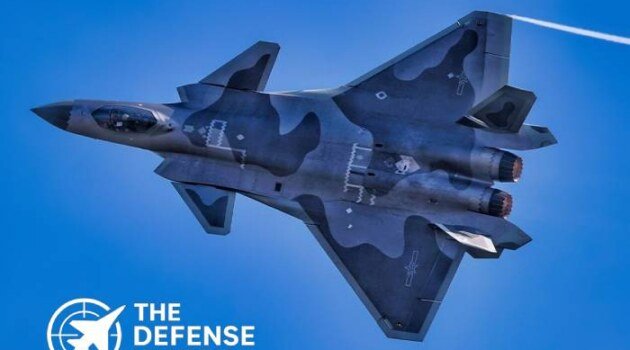
China’s operational deployment of the J-20 stealth fighter has sharpened concerns in New Delhi, particularly regarding air dominance and long-range strike capabilities. In this context, India’s interest in the Su-57E reflects a near-term attempt to secure fifth-generation capabilities without waiting for domestic development timelines to mature.
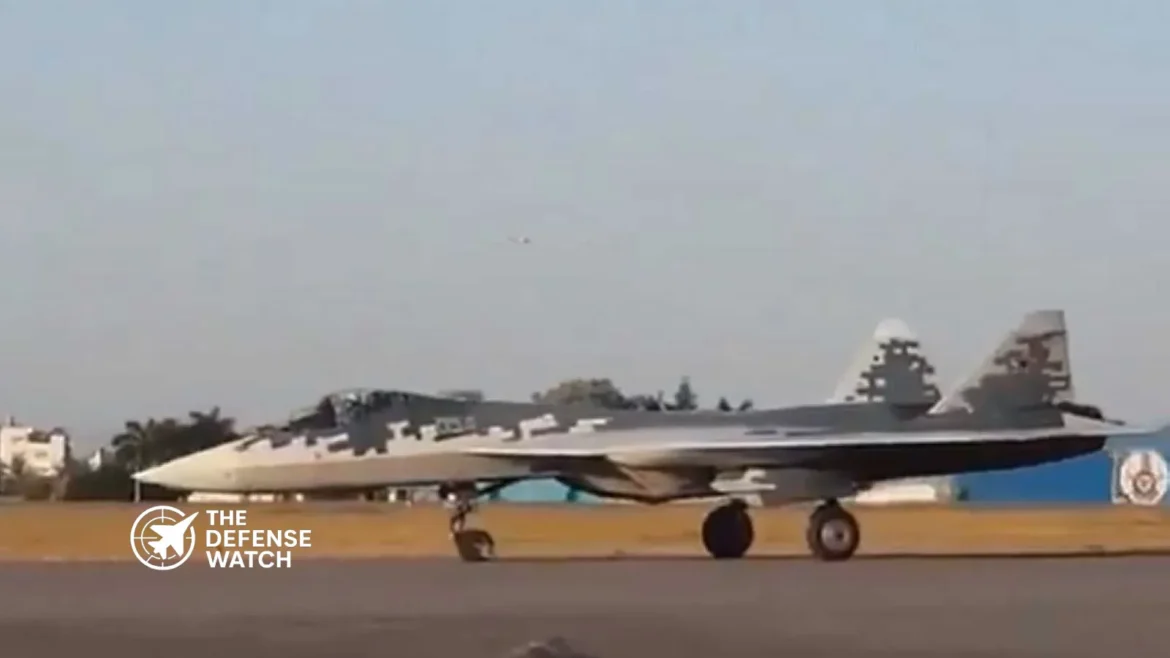
The Su-57E is Russia’s export-configured version of its stealth fighter, featuring reduced sensitive technologies compared to the domestic Su-57, but retaining low observability features, internal weapons bays, and advanced sensors.
What Russia Is Offering India
Local Assembly and Technology Access
Moscow’s proposal reportedly includes domestic assembly in India, with possible technology transfer linked to avionics integration, weapons compatibility, and maintenance infrastructure. Russian officials have emphasized flexibility on customization, including the integration of Indian or third-party systems.
India previously partnered with Russia on the Fifth Generation Fighter Aircraft program, a joint derivative of the Su-57, but withdrew in 2018 citing concerns over cost, stealth performance, and engine maturity. The renewed Su-57E discussions suggest both sides are revisiting the concept under revised terms.
For India, local production would support industrial capacity, reduce long-term sustainment risks, and align with strategic autonomy objectives. For Russia, India remains one of the few partners capable of sustaining high-end aerospace cooperation amid sanctions and export restrictions.
How the U.S. F-35 Fits Into the Picture
Strategic Option, Not a Near-Term Deal
While India Su-57E fighter talks are gaining momentum, U.S. officials have increasingly referenced the F-35 as a potential future option. Any F-35 pathway would involve strict interoperability, data security, and political alignment requirements that differ significantly from Russian platforms.
Washington views India as a key Indo-Pacific partner, but an F-35 sale would require long-term policy alignment, interoperability commitments, and potential constraints on India’s existing Russian-origin systems, including the S-400 air defense network.
Defense analysts note that while the F-35 offers proven stealth performance, sensor fusion, and networked warfare capabilities, it remains a strategic rather than immediate option for India due to cost, basing requirements, and political considerations.
Operational and Technical Considerations
Stealth, Engines, and Sustainment
The Su-57E’s current configuration continues to evolve, particularly in engine development and radar cross-section reduction. Russia is working to field the Izdeliye 30 engine, which is expected to improve thrust, fuel efficiency, and thermal management.
(adsbygoogle = window.adsbygoogle || []).push({});Indian planners are expected to closely evaluate sustainment models, mission readiness rates, and lifecycle costs, areas that have historically challenged Russian-origin platforms. Western aircraft typically offer stronger logistics transparency, but at higher acquisition and operational costs.
Any Indian Su-57E variant would also require integration with existing command, control, and sensor networks, including indigenous datalinks and airborne early warning platforms.
Strategic Signaling and Geopolitical Balance
Multi-Alignment in Practice
India’s parallel engagement with Russia and the United States reflects its long-standing multi-alignment strategy. Rather than committing exclusively to one supplier, New Delhi continues to assess competing offers to preserve leverage, operational flexibility, and strategic autonomy.
The Indian Air Force fifth generation fighter decision will carry long-term implications for training pipelines, weapons inventories, and alliance interoperability, particularly as India expands defense cooperation with the United States, France, and Japan.
(adsbygoogle = window.adsbygoogle || []).push({});What Comes Next
Decision Timeline Remains Unclear
No formal contract or request for proposal has been announced. Defense officials indicate that feasibility studies, cost assessments, and operational evaluations are ongoing. Any decision is likely to follow broader reviews of India’s combat aircraft roadmap, including the AMCA and additional Rafale acquisitions.
Observers expect incremental progress rather than a rapid commitment, with India weighing industrial benefits, geopolitical risk, and operational readiness before choosing a path forward.
Lockheed Martin Accelerates Defense Production with Record Q4 Performance
Lockheed Martin concluded 2025 with a transformative fourth quarter that demonstrated the defense contractor’s expanding production capabilities and technological innovation across multiple domains. The company announced January 29, 2026 that its Q4 achievements included record fighter jet deliveries, a historic missile production agreement, and breakthrough autonomous platform developments.
(adsbygoogle = window.adsbygoogle || []).push({});The Maryland-based defense giant’s fourth quarter accomplishments signal significant capacity expansion at a time when global defense demands continue to escalate. From air superiority platforms to missile defense systems and autonomous capabilities, Lockheed Martin’s Q4 performance established new benchmarks for the defense industrial base.
Historic PAC-3 Missile Production Agreement Transforms Air Defense Capacity
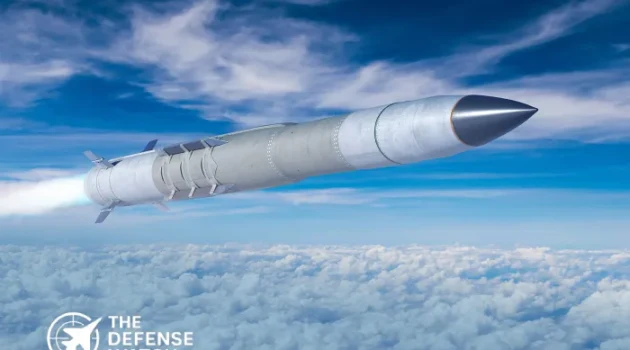
Lockheed Martin and the U.S. government finalized a seven-year partnership that will increase PAC-3 Missile Segment Enhancement (MSE) annual production from approximately 600 to 2,000 units. This more than threefold capacity increase represents one of the most significant defense production expansions in recent years.
The PAC-3 MSE system provides advanced air and missile defense capabilities against tactical ballistic missiles, cruise missiles, and aircraft threats. According to Lockheed Martin’s announcement, the expanded production will benefit U.S. forces, allied nations, and partner countries facing evolving aerial threats.
The production increase will create thousands of additional jobs across the PAC-3 program supply chain. The agreement comes as allied nations seek to strengthen integrated air and missile defense architectures amid global security challenges.
Record F-35 Deliveries Strengthen Allied Air Power
Lockheed Martin delivered 191 F-35 Lightning II fighter jets throughout 2025, marking a record annual total for the fifth-generation stealth fighter program. The company handed over 48 F-35s during the fourth quarter alone, demonstrating sustained production momentum.
Finland received its first F-35A aircraft in December 2025, expanding the growing international F-35 user community. The Nordic nation’s F-35 acquisition strengthens NATO’s northern flank air defense capabilities and represents continued international confidence in the platform’s advanced capabilities.
The F-35 program now includes nine partner nations and several foreign military sales customers. The aircraft’s advanced sensors, stealth characteristics, and networked capabilities continue to define modern air superiority requirements for allied air forces.
U-Hawk Autonomous Helicopter Advances Unmanned Aviation
Sikorsky, Lockheed Martin’s rotary-wing division, unveiled the S-70UAS U-Hawk, a fully autonomous helicopter derived from the proven BLACK HAWK platform. The U-Hawk eliminates the cockpit in favor of 25 percent additional cargo space and autonomous operational capabilities.
Development teams progressed from initial concept to prototype in just 10 months, with first flight scheduled for 2026. The U-Hawk is designed to operate independently, in coordination with other U-Hawks, or as part of manned-unmanned teaming with piloted BLACK HAWK aircraft.
The autonomous platform provides ground commanders with enhanced logistics and tactical flexibility in contested environments. The U-Hawk’s rapid development timeline demonstrates Lockheed Martin’s accelerated approach to autonomous systems integration.
X-59 First Flight Initiates Quiet Supersonic Research
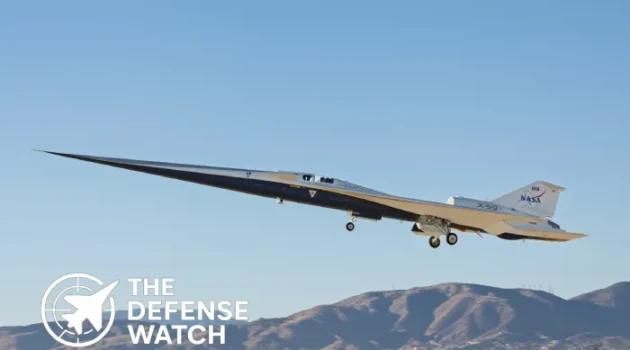
The X-59 experimental aircraft completed its inaugural flight in October 2025, launching NASA’s Quesst mission to demonstrate quiet supersonic flight technology. Developed through a partnership between Lockheed Martin’s Skunk Works and NASA, the X-59 aims to reduce sonic booms to a quiet “thump” rather than traditional disruptive sonic boom signatures.
The X-59 program could enable future commercial supersonic flight over land by addressing regulatory restrictions based on noise concerns. Flight testing will gather acoustic data to inform potential changes to supersonic flight regulations.
Lockheed Martin and NASA plan extensive testing to measure community response to the X-59’s reduced sonic signature during overland supersonic operations.
F-22 Demonstrates Unmanned Teaming Capability
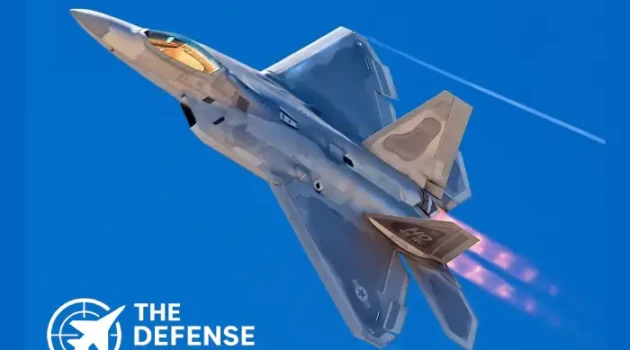
Lockheed Martin successfully demonstrated real-time command and control of an unmanned aerial system from an F-22 Raptor cockpit in November 2025. The in-flight demonstration showcased fifth-generation fighter aircraft integration with autonomous systems for enhanced mission effectiveness.
The manned-unmanned teaming capability expands what individual pilots can accomplish during single missions by extending their operational reach and sensor coverage. The technology aligns with U.S. Air Force concepts for Collaborative Combat Aircraft that will operate alongside crewed fighters.
Fifth-generation fighters serving as command nodes for autonomous systems represent an emerging operational paradigm across multiple allied air forces. The demonstrated capability builds on Lockheed Martin’s broader autonomous systems integration efforts.
Nomad VTOL UAS Combines Helicopter and Fixed-Wing Capabilities
Sikorsky introduced the Nomad family of vertical takeoff and landing unmanned aerial systems featuring twin tiltrotor configuration. The Nomad design combines fixed-wing efficiency for extended endurance with helicopter-like vertical takeoff and landing capabilities.
The runway-independent platform addresses operational requirements for long-endurance missions in austere environments without traditional airfield infrastructure. Nomad’s tiltrotor design enables efficient cruise flight while retaining the tactical flexibility of vertical flight operations.
(adsbygoogle = window.adsbygoogle || []).push({});Sikorsky’s Nomad development follows successful tiltrotor experience from the company’s S-97 Raider program and demonstrates continued innovation in vertical lift aviation.
Strategic Investment Accelerates Maritime Unmanned Capabilities
Lockheed Martin invested $50 million in Saildrone during October 2025 to accelerate unmanned surface vessel development for maritime defense applications. The strategic collaboration pairs Saildrone’s autonomous vessel platforms with Lockheed Martin’s defense systems integration expertise.
The partnership aims to deliver operationally ready unmanned surface vessels to the U.S. Navy more rapidly by combining established autonomous maritime platforms with combat-proven sensors and mission systems. Unmanned surface vessels provide persistent maritime domain awareness and contribute to distributed maritime operations concepts.
The investment reflects growing U.S. Navy emphasis on autonomous systems across surface, subsurface, and aerial domains for enhanced fleet capabilities.
Counter-UAS Technology Partnership with Microsoft
Lockheed Martin and Microsoft announced collaboration on next-generation counter-unmanned aerial system technologies leveraging Microsoft Azure cloud infrastructure. The partnership combines Lockheed Martin’s modular counter-UAS architecture with cloud-enabled artificial intelligence capabilities for enhanced threat detection and response.
The integrated system enables rapid innovation through cloud-based model training while maintaining edge processing for real-time operations. The architecture supports continuous adaptation as unmanned aerial threats evolve.
Counter-UAS capabilities have become critical requirements across military services as adversary drone proliferation continues globally. The Microsoft partnership accelerates Lockheed Martin’s counter-UAS technology development through advanced computing capabilities.
Orion Spacecraft Testing Advances Artemis Program
NASA’s Orion spacecraft undergoes comprehensive testing at Lockheed Martin’s Integrated Test Lab, a full-scale spacecraft replica used for system validation before launch. Engineers and astronauts conduct mission simulations testing every system, display, and software line prior to Artemis missions.
The Integrated Test Lab enables thorough spacecraft verification in ground environments before committing hardware to space operations. Orion serves as NASA’s deep space exploration vehicle for Artemis lunar missions.
Lockheed Martin serves as prime contractor for Orion development and production. The spacecraft will carry astronauts to lunar orbit as part of NASA’s sustained lunar exploration program.
Corporate Leadership Engagement with Veteran Community
Lockheed Martin’s executive leadership team participated in veteran community service activities during November 2025 in partnership with Rebuilding Together Atlanta. The volunteer effort restored community facilities supporting local veterans and their families.
The corporate engagement reflects Lockheed Martin’s continued emphasis on veteran employment and community support. The company employs thousands of military veterans across its operations.
(adsbygoogle = window.adsbygoogle || []).push({});Lockheed Martin maintains multiple programs supporting military service members, veterans, and their families through employment initiatives and community partnerships.
Defense Industrial Base Implications
Lockheed Martin’s fourth quarter achievements demonstrate accelerated production capacity and technology development across the defense industrial base. The PAC-3 production expansion, record F-35 deliveries, and rapid autonomous systems development signal the company’s response to increased global defense requirements.
The announced programs span air dominance, missile defense, autonomous systems, and space exploration capabilities. Lockheed Martin’s integrated approach addresses multiple defense priorities simultaneously while expanding production infrastructure.
As allied nations increase defense investments and modernization programs, Lockheed Martin’s expanded capacity positions the company to support growing international demand for advanced defense systems. The fourth quarter results establish momentum entering 2026 across the company’s diverse portfolio.