Executive Summary:
Spain has reportedly opened discussions regarding potential participation in Türkiye’s KAAN fifth generation fighter program as Madrid reviews long term combat aircraft requirements. The move highlights growing European interest in alternative defense partnerships amid debates surrounding U.S.-made F-35 procurement and strategic autonomy.
Spain Opens Talks On Turkish KAAN Fighter Program
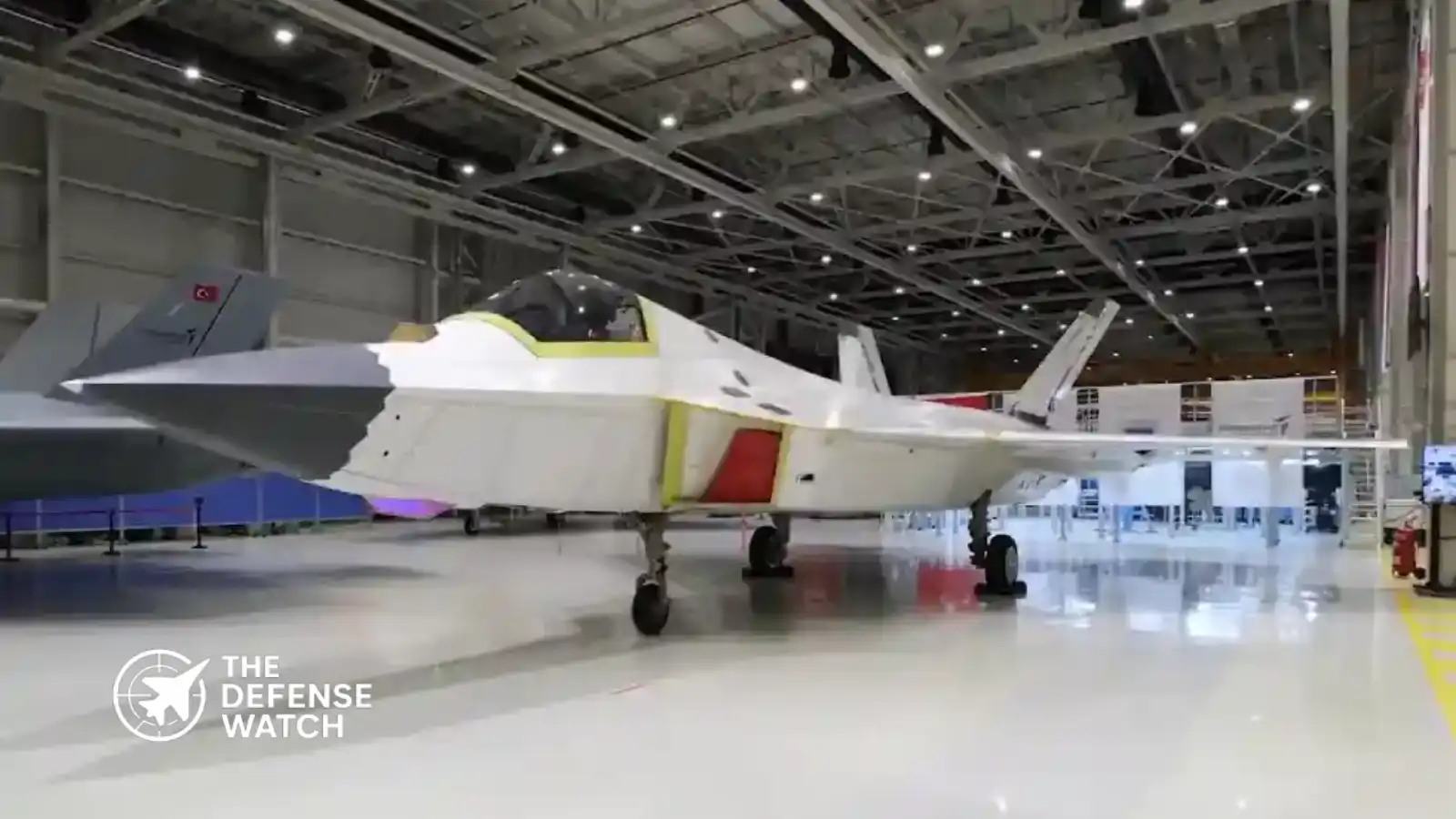
Spain KAAN fighter discussions have emerged as Madrid evaluates future combat aircraft requirements and broader defense industrial cooperation with Türkiye. Spanish officials have initiated talks concerning the Turkish-developed KAAN stealth fighter, a fifth generation aircraft led by Turkish Aerospace Industries.
The development comes at a time when several European nations are reassessing procurement priorities amid rising defense spending, supply chain concerns, and geopolitical uncertainty across NATO’s southern and eastern flanks.
Türkiye officially unveiled the KAAN fighter in 2023 as part of Ankara’s long term effort to establish an indigenous fifth generation combat aircraft capability. The platform completed its maiden flight in February 2024 and remains one of the most ambitious aerospace programs currently underway outside the United States, China, and Russia.
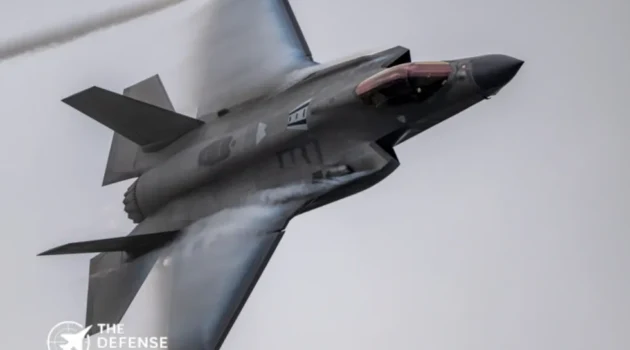
Spain has not formally abandoned interest in the Lockheed Martin F-35 Lightning II, but discussions surrounding the Turkish KAAN fighter suggest Madrid is examining additional strategic options.
Why Spain Is Reviewing Fighter Procurement Options
Spain currently operates a mixed fleet of Eurofighter Typhoon and aging McDonnell Douglas EF-18 Hornet fighters. Several of these aircraft will eventually require replacement during the next decade.
Madrid also remains a major stakeholder in Europe’s Future Combat Air System (FCAS), a multinational sixth generation fighter initiative involving France and Germany. However, FCAS timelines continue to extend into the 2040s, creating a potential capability gap for participating nations.
This timing is important. European governments increasingly face pressure to modernize fleets faster while maintaining industrial independence and managing procurement costs.
The Turkish KAAN fighter program could offer Spain several advantages if talks progress beyond exploratory discussions. These may include industrial participation opportunities, technology cooperation, and diversification away from reliance on a single supplier ecosystem.
At the same time, any move involving the KAAN fighter would likely generate scrutiny within NATO and the broader European defense market, particularly because the F-35 remains the dominant fifth generation fighter platform among alliance members.
KAAN Program Reflects Türkiye’s Expanding Aerospace Ambitions
The Turkish KAAN fighter is being developed by Turkish Aerospace Industries under Türkiye’s broader defense modernization strategy. Ankara has significantly expanded domestic aerospace and defense production over the past decade, including unmanned systems, missiles, naval platforms, and advanced avionics.
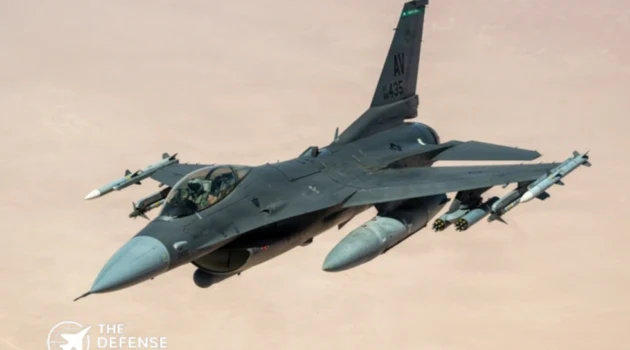
KAAN is designed as a twin engine stealth fighter with advanced sensor fusion, internal weapons bays, and network centric warfare capabilities. Turkish officials have stated that the aircraft is intended to replace the country’s aging fleet of General Dynamics F-16 Fighting Falcon fighters over time.
The program also gained additional geopolitical importance after Türkiye was removed from the F-35 program in 2019 following Ankara’s acquisition of the Russian-made S-400 air defense system.
Since then, Türkiye has accelerated indigenous defense programs aimed at reducing dependence on foreign suppliers. KAAN has become a flagship symbol of that strategy.
Spain’s interest therefore carries significance beyond aircraft procurement alone. It reflects how Türkiye’s defense industry is increasingly positioning itself as an exporter and strategic partner within NATO markets.
Strategic Implications For Europe And NATO
Spain KAAN fighter talks also underline a broader shift occurring across Europe’s defense sector. Countries are increasingly balancing alliance interoperability with industrial sovereignty and procurement flexibility.
The F-35 program continues to expand across Europe, with nations including Germany, Finland, Poland, Belgium, Italy, the Netherlands, Denmark, Norway, and the United Kingdom operating or ordering the aircraft. However, concerns over cost, maintenance dependency, and long term operational autonomy remain part of political discussions in several countries.
For Spain, exploring the Turkish KAAN fighter may provide leverage in broader defense negotiations while supporting its own aerospace industrial interests.
There are still substantial hurdles before any potential agreement could materialize. KAAN remains under development and has not yet entered operational service. Questions also remain regarding engine integration, production timelines, export configurations, and interoperability standards within NATO structures.
Nevertheless, Spain’s willingness to open discussions indicates that European defense procurement is becoming increasingly competitive and politically complex.
Growing Competition In The Fifth Generation Fighter Market
The global fighter aircraft market is entering a new phase shaped by strategic competition, industrial partnerships, and regional security concerns.
While the F-35 currently dominates Western fifth generation procurement, newer programs such as KAAN, South Korea’s KF-21, and various European sixth generation initiatives are reshaping future competition.
Spain’s engagement with the Turkish KAAN fighter demonstrates that countries are no longer evaluating combat aircraft solely on technical performance. Industrial access, political alignment, export flexibility, and strategic autonomy now play a larger role in procurement decisions.
For Türkiye, even preliminary talks with a major European NATO member represent an important validation of its aerospace ambitions.
For Spain, the discussions provide another avenue to address future air combat capability requirements while maintaining flexibility in an evolving geopolitical environment.