Executive Summary:
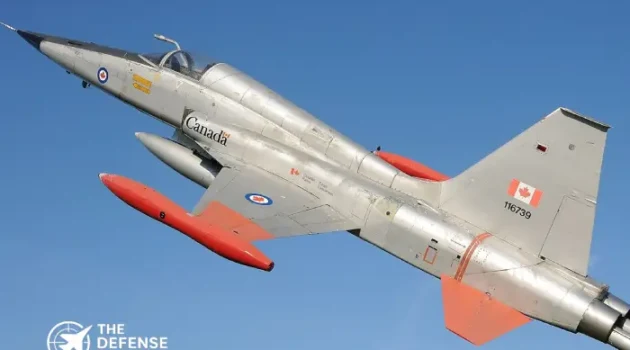
Lockheed Martin has been awarded a $14.5 million U.S. Navy contract to install flight test instrumentation on CF-5 aircraft supporting F-35C testing.
The effort aims to bridge a critical testing gap in carrier suitability trials until dedicated flight sciences aircraft become available.
Lockheed Martin F-35 Contract Targets Testing Gap In Carrier Operations
The Lockheed Martin F-35 contract represents a targeted effort by the U.S. Navy to sustain critical flight testing capacity for the carrier-based F-35C variant. Valued at $14.5 million, the contract focuses on integrating advanced flight test instrumentation onto CF-5 aircraft to support ongoing ship suitability testing.
Awarded as a cost-plus-incentive-fee order under an existing agreement, the work addresses a near-term shortfall in specialized flight sciences aircraft used for high-risk and complex testing scenarios. The Naval Air Systems Command (NAVAIR), based in Patuxent River, Maryland, is overseeing the effort.
This move reflects a broader pattern in U.S. defense acquisition, where interim solutions are deployed to maintain program momentum amid platform delays or capability gaps.
Bridging The F-35C Ship Suitability Testing Gap
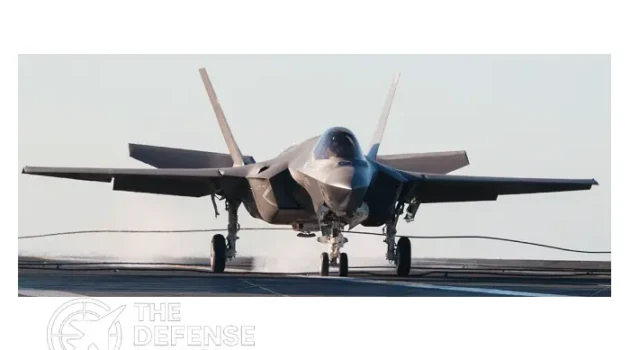
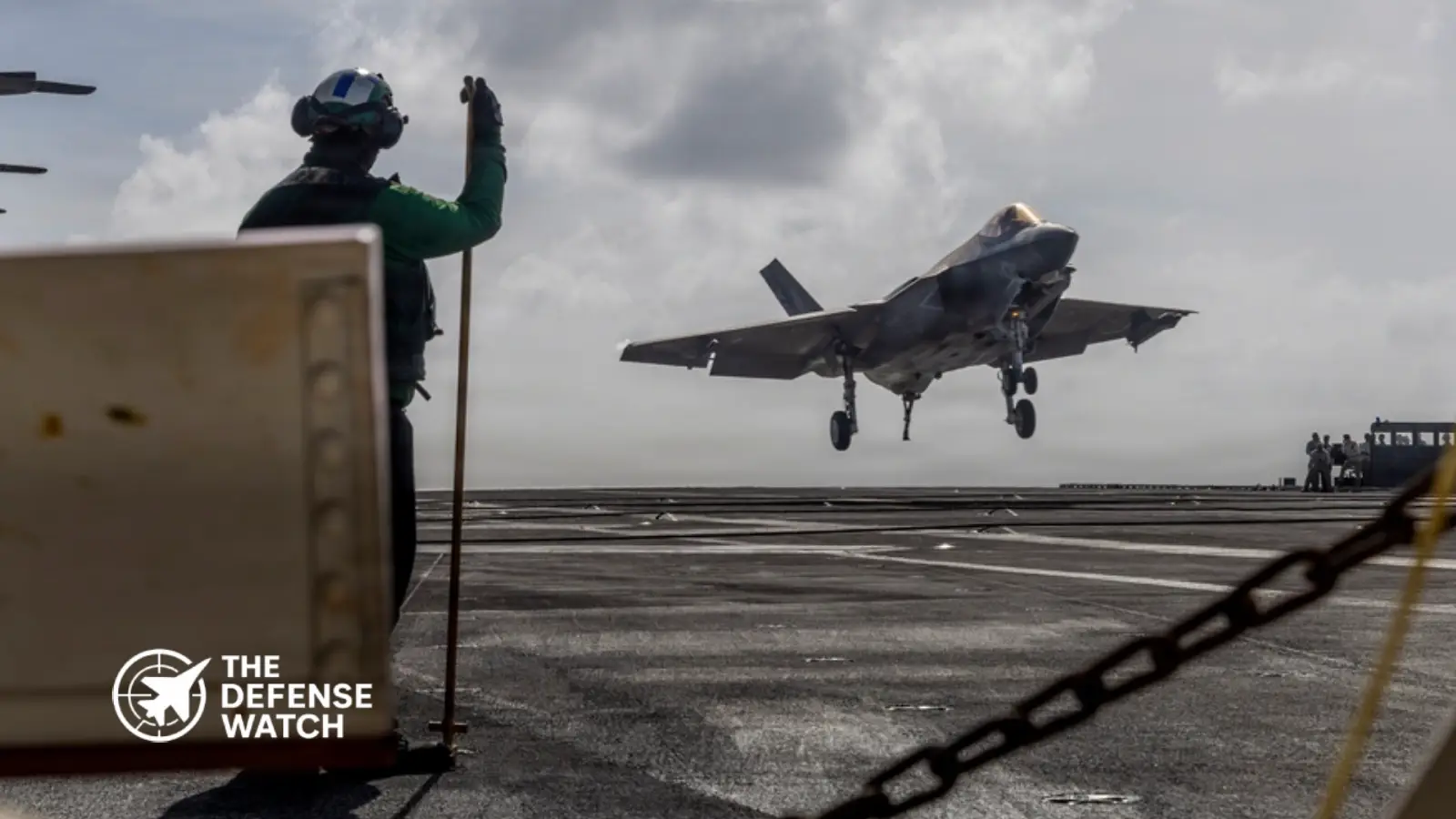
Carrier suitability testing is one of the most demanding phases in naval aviation development. It evaluates how aircraft perform during catapult launches, arrested landings, and deck operations under real-world conditions.
The F-35C, the carrier variant of the Joint Strike Fighter, requires extensive instrumentation to capture aerodynamic data, structural loads, and system performance during these tests. However, delays in delivering dedicated flight sciences aircraft created a bottleneck.
By modifying CF-5 aircraft with flight test instrumentation, the Navy is effectively creating a stopgap platform. This ensures continuity in testing without slowing the broader F-35C operational timeline.
From an operational standpoint, this is a pragmatic decision. Testing delays in carrier aviation can ripple across deployment schedules, pilot training pipelines, and carrier air wing readiness.
Contract Scope And Industrial Footprint
Under the Lockheed Martin F-35 contract, work will be distributed across multiple locations:
- Fort Worth, Texas (primary workshare)
- Orlando, Florida
- Linthicum, Maryland
- Nashua, New Hampshire
- San Diego and El Segundo, California
- Samlesbury, United Kingdom
- Additional CONUS and international locations
The geographic spread highlights the complexity of modern defense programs, which rely on a distributed industrial base spanning avionics, sensors, software, and integration expertise.
Fort Worth remains the center of gravity, consistent with its role as the primary F-35 production hub.
Funding Structure And Timeline
The Navy has obligated $4 million in Fiscal Year 2025 research, development, test, and evaluation (RDT&E) funds at the time of award. Notably, these funds will not expire at the end of the fiscal year, providing flexibility for execution.
The contract runs through May 2028, aligning with expected timelines for the delivery and operational readiness of dedicated flight sciences aircraft.
The use of a cost-plus-incentive-fee structure suggests technical complexity and evolving requirements. It allows the government to incentivize performance while accommodating uncertainties inherent in test instrumentation integration.
Why This Matters For The F-35 Program
The Lockheed Martin F-35 contract underscores a key reality of large-scale defense programs: testing infrastructure can be as critical as the platform itself.
The F-35 program, one of the most complex and expensive in history, depends heavily on continuous testing to validate upgrades, software blocks, and operational capabilities. Any disruption in testing capacity can delay capability delivery across the fleet.
By addressing the testing gap proactively, the Navy is:
- Preserving schedule integrity for F-35C deployment cycles
- Maintaining data continuity for certification and upgrades
- Reducing risk in carrier integration operations
This also reflects lessons learned from earlier phases of the program, where bottlenecks in testing and integration contributed to delays.
Strategic Context: Carrier Air Wing Modernization
The F-35C is central to the future of U.S. Navy carrier air wings. Designed for longer range, enhanced survivability, and advanced sensor fusion, it significantly expands the operational reach of carrier strike groups.
Ensuring uninterrupted testing is essential as the Navy transitions from legacy platforms like the F/A-18C/D to a more networked, fifth-generation force.
In this context, the contract is not just a technical fix. It is part of a broader effort to sustain momentum in carrier aviation modernization amid evolving global threats and operational demands.
Programmatic Insight: Interim Solutions In Defense Acquisition
The reliance on modified CF-5 aircraft highlights a recurring theme in defense programs: the need for interim capability solutions.
Rather than waiting for purpose-built platforms, the Navy is leveraging existing assets to maintain operational tempo. This approach:
- Reduces downtime in critical testing phases
- Maximizes use of available resources
- Mitigates risk associated with single-point failures in acquisition timelines
Such strategies are increasingly common as defense programs grow more complex and timelines extend.
Conclusion
The Lockheed Martin F-35 contract for flight test instrumentation may appear modest in value, but its impact is significant. By bridging a critical testing gap, it ensures continuity in one of the most demanding phases of naval aviation development.
As the F-35C continues to mature into a cornerstone of U.S. carrier operations, maintaining testing capacity remains essential. This contract demonstrates how targeted investments can safeguard broader program objectives and operational readiness.