

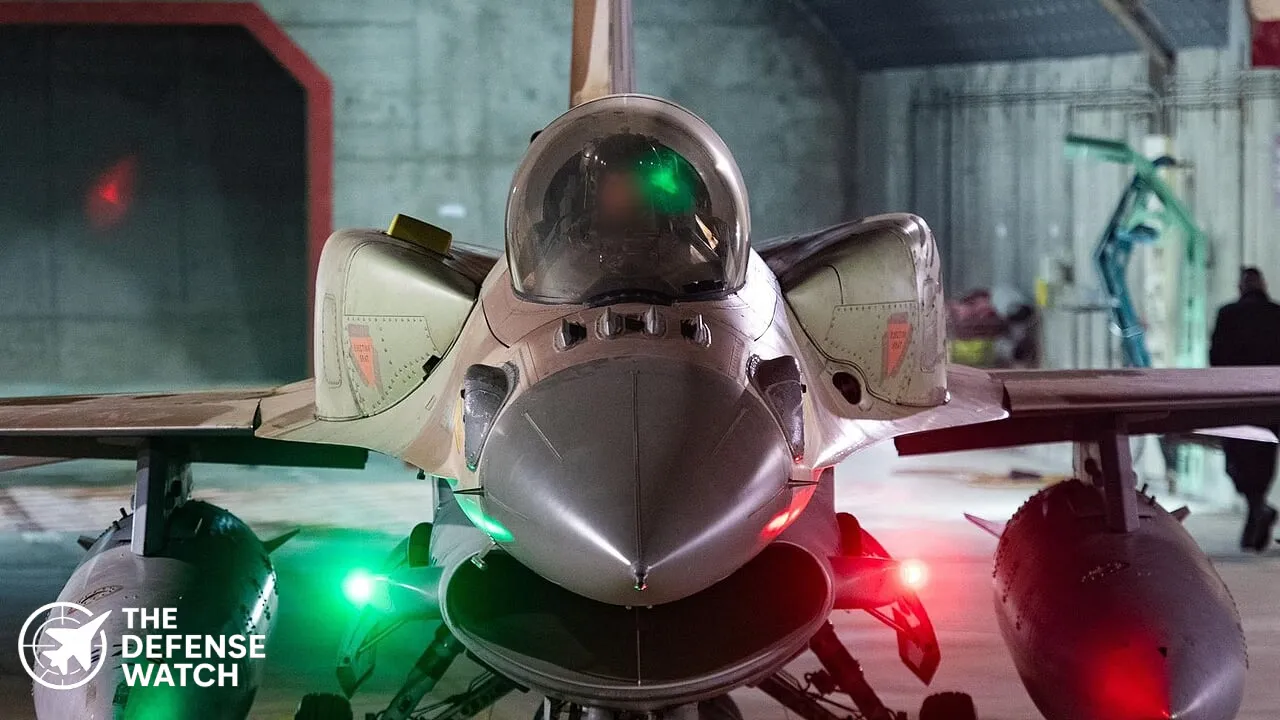
Israel Builds a New Shield Around Air Force Bases
Israel is quietly bolstering the security of its airbases by establishing an elite, rapid-response unit under the Air Force’s Wing 7, aiming to prevent a repeat of the October 7 surprise attack. The unit’s mandate: defend IAF installations — including runways, fuel depots, command centers, and munition stores — from future infiltrations.
Context: Lessons from October 7
The October 7, 2023 attack exposed major security vulnerabilities across Israeli military installations. According to multiple probes, the IDF failed to repel large-scale incursions, and some IAF bases were identified as potential targets. In one investigation, the Israeli Air Force was found to have had only two aircraft and two helicopters ready for action during the attack.
Another inquiry revealed the Air Force had detected “unusual signals and movements” from Hamas-operated drones in the hours before the onslaught — but this intelligence reportedly remained within the Air Force and was not shared upward. The gaps in readiness and communication prompted a security reset.
What the New Force Is — and How It Works
Structure and Command
- The new unit will operate under Wing 7, the IAF’s special-operations hub, which already includes Shaldag (reconnaissance and commando) and Unit 669 (combat search and rescue).
- Unlike those strike-oriented forces, the new unit is focused inward: protecting Israeli airbases from internal and external threats.
Mobility and Response
- The unit is designed for rapid deployment by helicopter, enabling it to move quickly between bases.
- A modernized perimeter system will support its operations, featuring upgraded cameras, sensors, and physical barriers.
Training and Readiness
- Recruits will begin with the next draft cycle and follow a specialized training path. According to the IDF, they’ll receive Rifleman 07 qualification — a standard combat-level certification — along with advanced coursework in surveillance, weapons deployment, and defense-system operations.
- Until this force becomes fully operational, the IAF has stationed reserve security battalions at all bases. These battalions are also being trained to Rifleman 07 standards.
Why It Matters Strategically
IAF bases are critical to Israel’s ability to project power, maintain deterrence, and conduct high-tempo operations. If adversaries — such as Hamas, Hezbollah, or Iran-backed actors — were able to strike runways or munitions dumps, Israel’s capacity for rapid response could be severely degraded.
By creating a base-defense force under the same umbrella as Shaldag and Unit 669, the Air Force is merging elite skills with defensive vigilance. This model integrates offensive and protective capabilities within a special-operations framework.
Expert and Policy Implications
From a policy standpoint, the move suggests the IAF is no longer content to rely solely on static defenses and reserve forces. Rather, it is investing in a proactive, flexible force that can respond to base intrusions in real time.
For military analysts, this shift could mark a doctrinal evolution in how air forces protect their critical infrastructure. Rather than treating base defense as a secondary mission, Israel is elevating it to the level of its most elite units.
In geopolitical terms, the stepped-up defenses send a clear signal: Israel is determined to mitigate the risk of another disorganized breach like October 7, even as the war in Gaza and threats from Iran-aligned groups persist.
What Comes Next
- Operational readiness: The timeline for the new unit’s full deployment will depend on the current recruitment and training cycle.
- Technology integration: With advanced sensor and perimeter upgrades underway, the effectiveness of the unit will increasingly depend on how well these systems mesh with human operatives.
- Drills and exercises: The IAF will likely run simulated base-infiltration exercises (including helicopter insertions) to validate the rapid-response capability.
- Continuous evaluation: Given the severity of past failures, further internal and external reviews may monitor the performance and viability of this force.
Bottom Line
In response to the severe security lapses exposed by the October 7 attacks, the Israel Air Force is establishing a dedicated base-defense unit under its special-operations wing. With helicopter mobility, advanced perimeter systems, and specially trained personnel, the force is designed to close the gap in defending sensitive airbases — and ensure that no future intruder can strike with the same surprise.

16 comments
[…] patrols in the Mediterranean Sea, then for operations in U.S. Central Command following Hamas attacks in southern Israel and Houthi attacks in the Red Sea. This persistent demand underscores the enduring relevance of […]
[…] July 2025, the U.S. Treasury’s Office of Foreign Assets Control (OFAC) sanctioned the cartel as a Specially Designated Global Terrorist (SDGT) entity, citing its role in supporting other terrorist-designated organizations […]
[…] to short-range rocket fire. While exact locations remain classified, the deployment aligns with Israel’s ongoing efforts to secure its southern and northern […]
[…] in a mission designed to coordinate with local partners against remaining ISIS elements. The attack highlights the ongoing risks U.S. forces face even in areas previously considered […]
[…] Air Force Base serves as the main hub for Israel’s F-35i operations and training. The base supports multiple Adir squadrons and associated maintenance […]
[…] Israeli Channel 12 reported that Israel’s air force remains on elevated alert status, reflecting heightened readiness across multiple operational theaters. […]
[…] platform-agnostic airpower across any theater. Unlike legacy models, which relied on ad hoc unit assembly via the Air and Space Expeditionary Force process, AEW 2.0 forms approximately 18 months before deployment. This allows components to train […]
[…] engagement between the IDF and Hezbollah since the November 2024 ceasefire. Over the past months, Israeli forces have repeatedly targeted tunnels, rocket launch sites and training camps associated with the […]
[…] to the report, an American attack on Iran does not guarantee a direct Iranian response against Israel. This uncertainty, experts say, strengthens the case for a calibrated approach that preserves […]
[…] defense decision-making is essential in the current security environment, especially after the October 7, 2023 Hamas attacks that reshaped Israeli defense […]
[…] package comes as Israel marks more than two years of sustained military operations following the October 7, 2023 Hamas attack, which resulted in significant casualties and the taking of captives. The […]
[…] military bloggers have previously reported temporary flight suspensions and increased base security following similar strikes, suggesting operational disruption even when official statements downplay […]
[…] This cooperation has enabled joint participation in exercises such as African Lion, where Tunisian forces work alongside US and allied units to improve interoperability and […]
[…] agreement also carries geopolitical weight. Israel and Azerbaijan maintain close diplomatic and security ties, rooted in shared strategic interests and long term cooperation. Formalizing AI collaboration […]
[…] Aces’ F-16s are sourced second hand, often from former Israeli air force inventories and repurposed with modern avionics and sensor suites optimized for aggressor air […]
[…] Group positions the LD-1 for use by law enforcement and specialized security units that face rifle threats in built-up areas. Traditional armored trucks often cannot enter tight […]