Executive Summary:
The U.S. Air Force is intensifying efforts to sustain and modernize the B-1B Lancer fleet at Tinker Air Force Base. The initiative aims to improve bomber readiness, extend aircraft service life, and preserve long range strike capabilities amid growing global security challenges.
Tinker Air Force Base Expands B-1 Bomber Sustainment Efforts
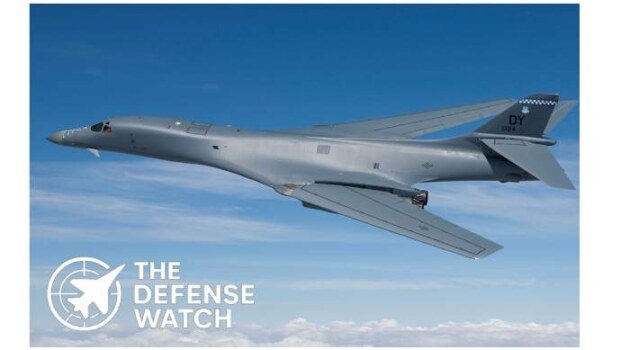
The U.S. Air Force is expanding B-1 bomber modernization and sustainment activities at Tinker Air Force Base as the service works to maintain the combat effectiveness of its aging long range strike fleet.
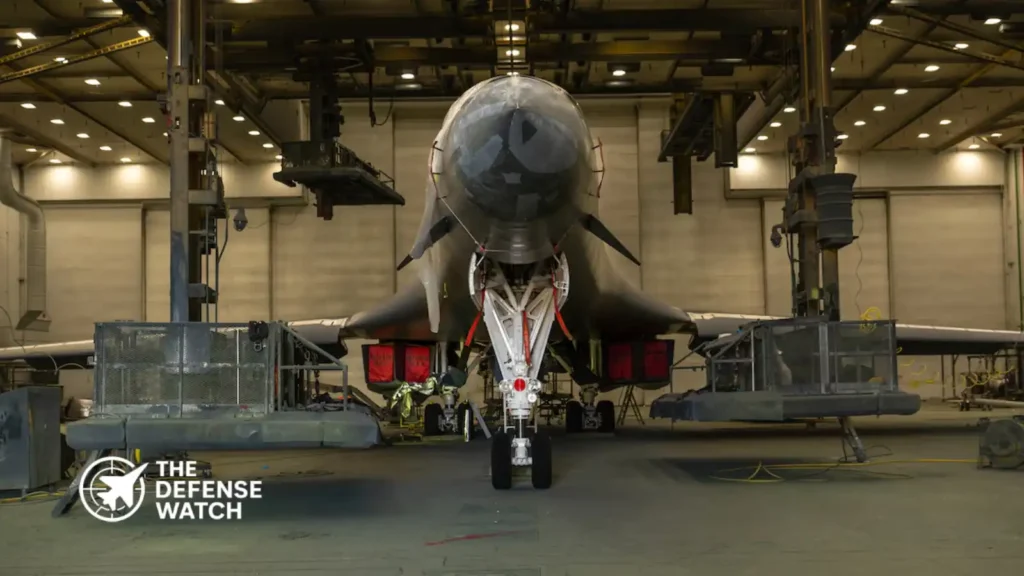
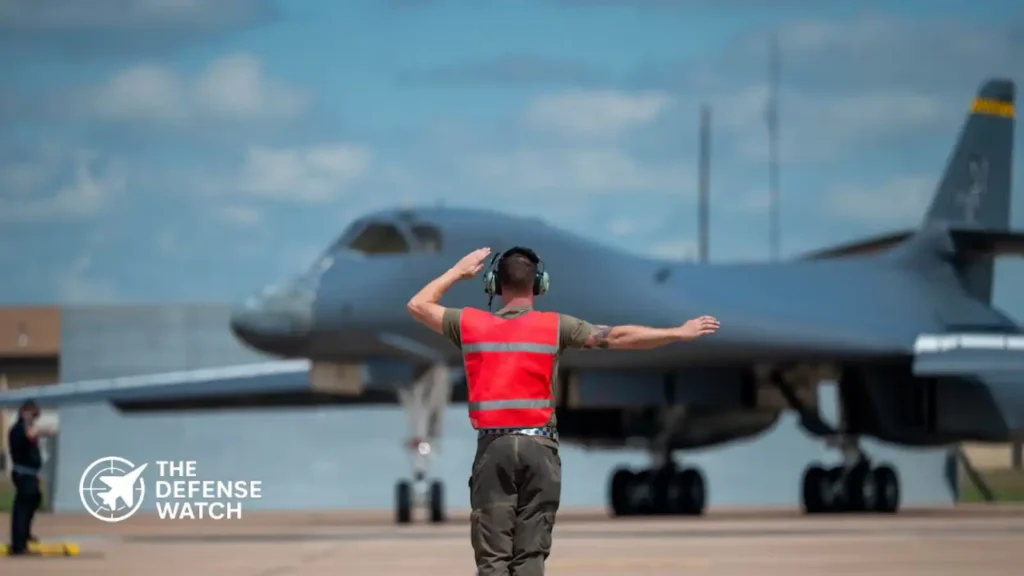
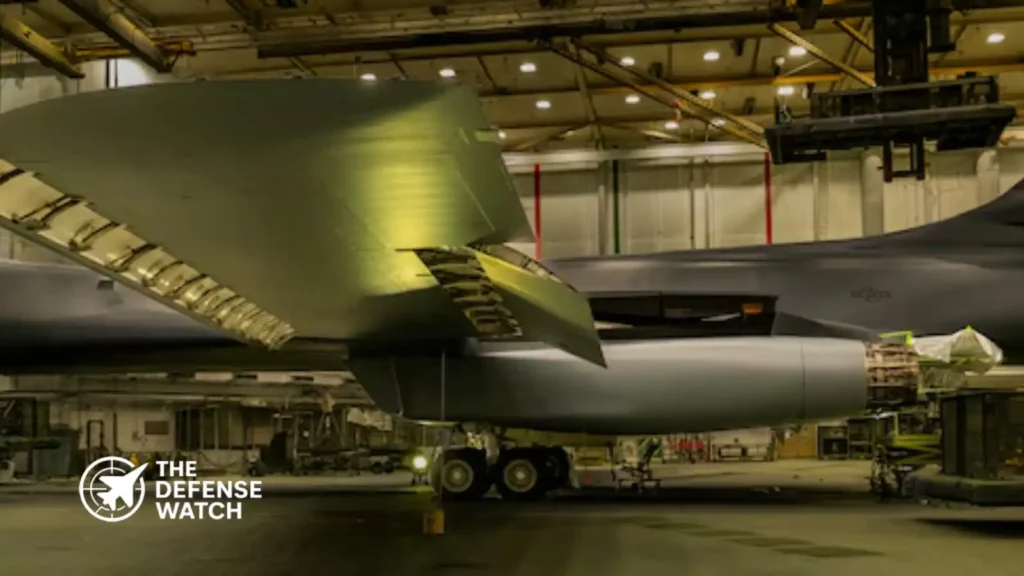
According to the U.S. Air Force, engineers, logisticians, and maintainers at the Oklahoma facility are conducting extensive structural repairs and upgrades designed to keep the B-1B Lancer mission capable for future operations. The work is being led through the Air Force Sustainment Center and the Oklahoma City Air Logistics Complex, both central to sustaining the Air Force’s bomber inventory.
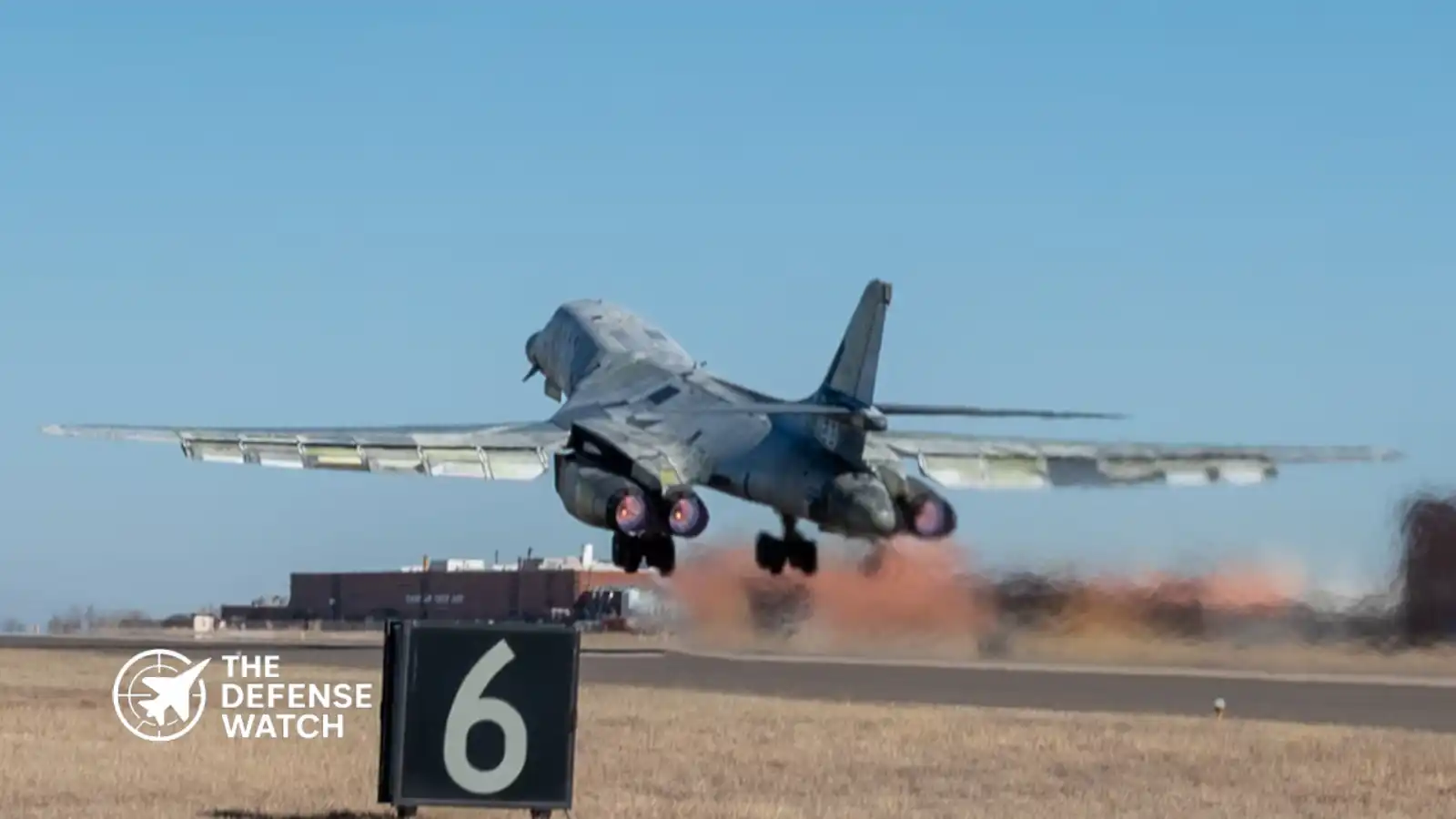
The B-1B remains one of the Air Force’s primary long range strike platforms, capable of carrying large conventional payloads across intercontinental distances. Although originally developed during the Cold War as a nuclear capable bomber, the aircraft has evolved into a key conventional strike asset supporting U.S. Indo Pacific and Middle East operations over the past two decades.

Air Force officials stated that depot teams at Tinker are addressing long standing structural fatigue issues affecting the bomber fleet. The effort includes replacing worn components, restoring aircraft sections, and applying modernization upgrades intended to improve reliability and availability rates.
Sustainment Critical As Bomber Fleet Ages
The B-1 fleet has faced persistent readiness challenges in recent years due to heavy operational demand, aging airframes, and maintenance backlogs. Several aircraft were previously retired to free up resources and reduce pressure on sustainment units.
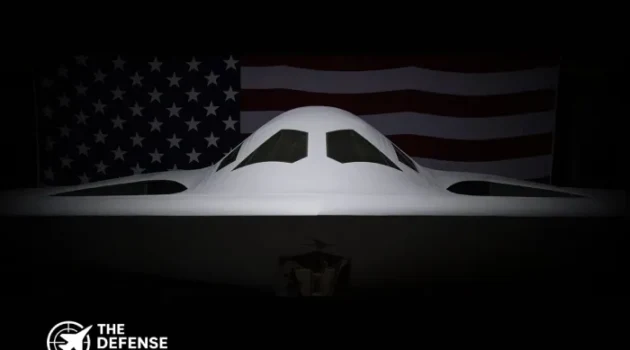
The latest effort reflects a broader Air Force strategy focused on balancing modernization with force availability. While the service is developing the next generation B-21 Raider, the B-1B continues to play an essential operational role in global strike missions.
The Air Force has increasingly relied on bomber task force deployments to demonstrate strategic reach and deterrence. B-1 aircraft have regularly deployed to Europe, the Indo Pacific, and the Middle East in support of allied exercises and rapid response missions.
Keeping the fleet operational therefore remains strategically important. Sustainment work at Tinker directly supports U.S. Global Strike Command requirements and helps ensure bomber forces remain available during periods of heightened geopolitical tension.
The maintenance initiative also highlights the growing importance of industrial base resilience inside the U.S. defense sector. Depot level sustainment operations are becoming increasingly critical as military services attempt to extend the operational lifespan of legacy platforms while awaiting next generation systems.
Structural Restoration Extends Aircraft Service Life
One major focus of the program involves restoring aircraft sections that have experienced fatigue after decades of high tempo flight operations. Maintainers are replacing structural components that are no longer economically repairable through routine field maintenance.
Air Force personnel described the process as highly labor intensive, requiring detailed inspections and precision engineering work. Technicians often remove major aircraft assemblies to access internal structural areas requiring restoration.
The B-1’s variable sweep wing design and high speed flight profile have historically placed significant stress on the airframe. As a result, sustainment teams must continually monitor aircraft integrity to prevent readiness declines.
The modernization effort is also intended to improve long term fleet management efficiency. By restoring key aircraft now, the Air Force can maintain operational bomber capacity during the transition toward future stealth bomber capabilities.
Strategic Importance Of The B-1 Lancer
Despite its age, the B-1B remains one of the most capable conventional bombers in the U.S. inventory. The aircraft can carry precision guided munitions, long range cruise missiles, and large conventional payloads for strike missions against heavily defended targets.
The bomber has frequently participated in joint military exercises with NATO allies and Indo Pacific partners, reinforcing U.S. strategic presence in contested regions.
Its speed, payload capacity, and operational flexibility continue to provide military planners with a valuable strike option short of deploying stealth assets or carrier strike groups.
The sustainment work at Tinker demonstrates how the Air Force intends to preserve this capability until sufficient numbers of B-21 aircraft enter operational service later this decade.
Analysis: Sustainment Becoming As Important As Procurement
The renewed focus on B-1 bomber modernization underscores a broader trend across the U.S. military. Sustainment is increasingly becoming as strategically important as new procurement programs.
While advanced systems such as the B-21 Raider receive significant attention, legacy platforms still carry much of the operational burden for day to day global missions. Extending aircraft availability through depot modernization offers a relatively cost effective way to preserve combat power during force transitions.
The Air Force’s approach also reflects lessons learned from years of high operational tempo following post 9/11 combat deployments. Aircraft once expected to serve under lower utilization rates are now facing accelerated structural wear.
For the Pentagon, maintaining bomber readiness is especially critical as strategic competition with both China and Russia intensifies. Long range strike aircraft remain central to deterrence strategy, rapid response operations, and power projection across multiple theaters.
Rather than treating sustainment as a secondary function, the Air Force increasingly views depot modernization as an operational necessity directly linked to combat readiness and strategic flexibility.