Executive Summary:
Israel has approved a multibillion-dollar procurement plan to acquire advanced U.S.-built fighter jets, including additional F-35 Lightning II aircraft. The move aims to sustain its qualitative military edge and counter evolving regional threats. The deal reinforces defense ties with the United States while accelerating Israeli Air Force modernization.
Israel Expands Fifth-Generation Fighter Fleet
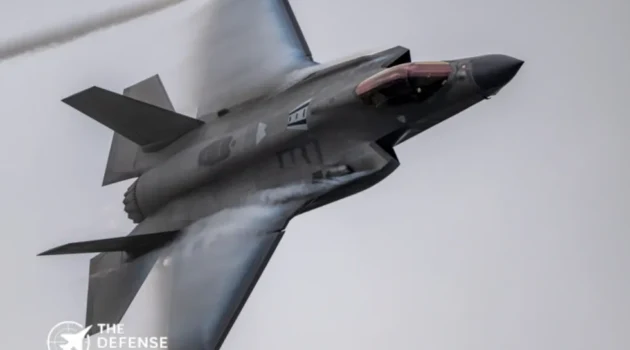
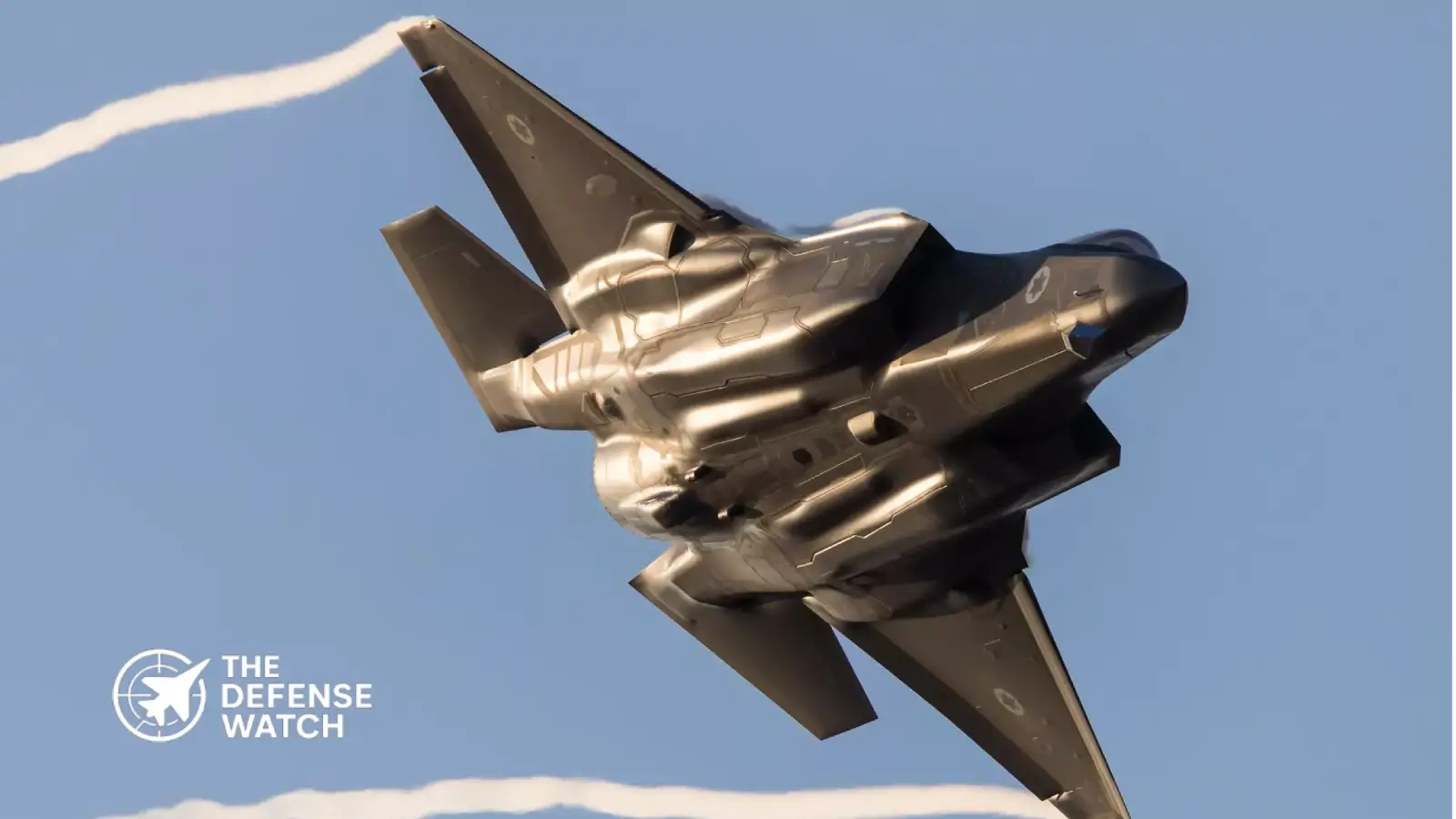
Israel’s Defense Ministry has formally endorsed a major acquisition package centered on expanding its fleet of F-35 Lightning II aircraft, alongside potential procurement of advanced variants of the F-15EX Eagle II.
The deal, estimated in the multi-billion-dollar range, includes:
- Additional F-35I Adir stealth fighters
- Upgraded F-15 platforms optimized for heavy payload missions
- Long-term sustainment and support packages
The aircraft will be supplied by Lockheed Martin and Boeing under existing U.S. foreign military financing frameworks.
Key Capabilities Driving the Procurement
Fifth-Generation Stealth and Network Warfare
The F-35 remains central to Israel’s airpower doctrine due to its:
- Low observable stealth design for contested environments
- Advanced sensor fusion and data-sharing capabilities
- Integration into multi-domain operations
Heavy Strike and Payload Flexibility
The F-15EX complements the F-35 with:
- Higher payload capacity for long-range strike missions
- Ability to carry hypersonic and stand-off weapons
- Extended operational range without refueling
Comparison: New Fighters vs Legacy Platforms
Aircraft Range Payload Status Key Technology F-35I Adir ~2,200 km ~8,160 kg Operational/Expanding Stealth, sensor fusion F-15EX ~3,900 km ~13,300 kg Pending acquisition Advanced avionics, heavy payload Legacy F-16I ~1,700 km ~7,700 kg In service Multirole, non-stealth Older F-15 variants ~3,000 km ~10,400 kg Aging fleet Conventional radar systems Strategic Context: Maintaining Regional Air Superiority
Israel’s decision reflects a broader shift in regional threat dynamics, including:
- Expanding air defense networks across the Middle East
- Growing missile and UAV capabilities among adversaries
- Increased great-power competition in the region
By combining stealth penetration capabilities with high-payload strike platforms, Israel aims to maintain its long-standing qualitative military edge (QME).
U.S.-Israel Defense Alignment Strengthened
The procurement underscores continued strategic alignment with the United States, particularly in:
- Joint technology development
- Defense financing and export approvals
- Interoperability across allied systems
This agreement also reinforces Washington’s role as Israel’s primary defense supplier, while supporting U.S. aerospace industry production lines.
Outlook: Timeline and Operational Impact
Deliveries are expected to occur over the next decade, with phased integration into Israeli Air Force units. Once operational, the expanded fleet will:
- Enhance deep-strike capabilities
- Improve survivability in contested airspace
- Support multi-front operational readiness
The deal positions Israel to respond more effectively to both conventional and asymmetric threats in an increasingly complex security environment.