Executive Summary:
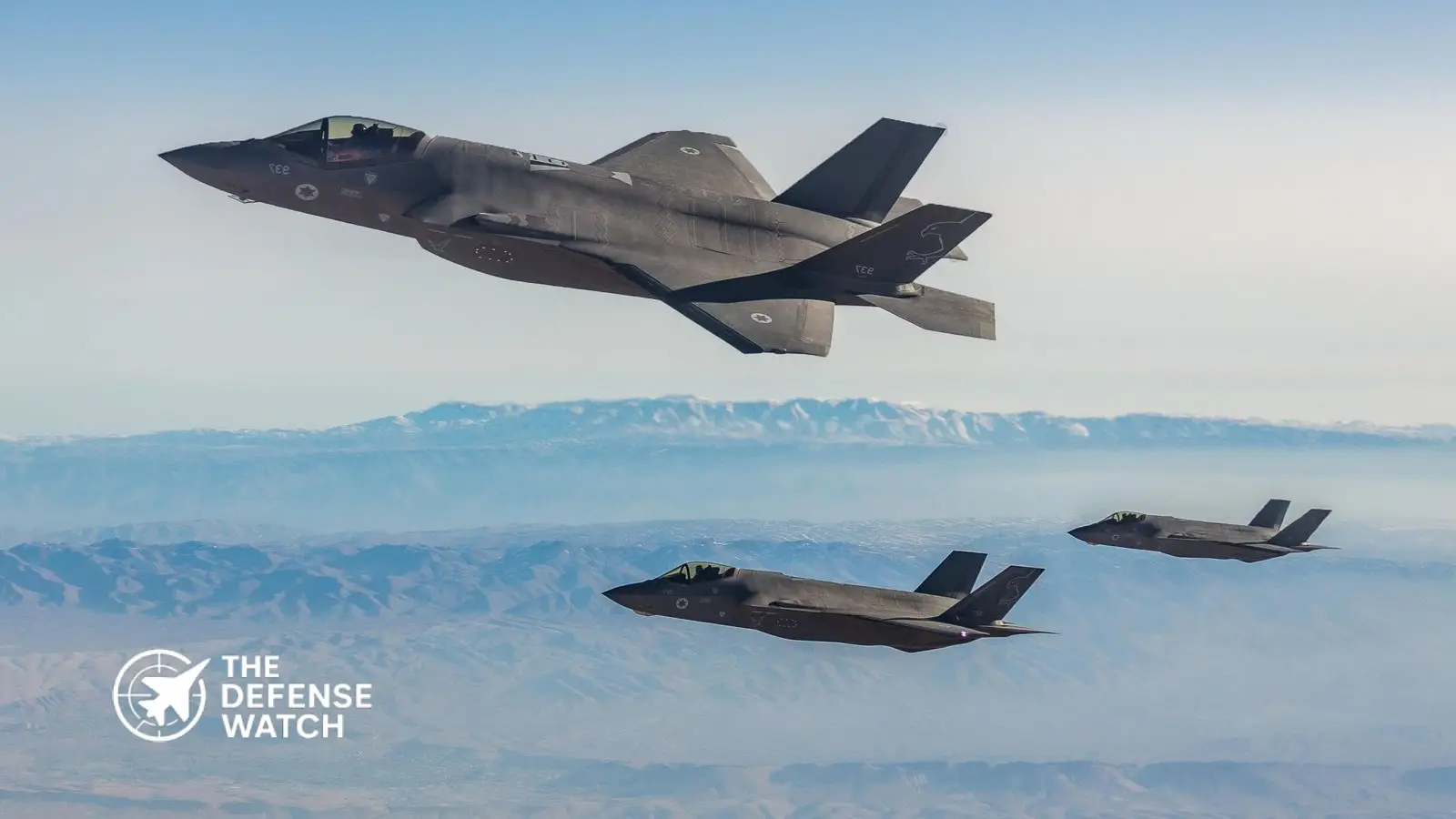
The UK Royal Air Force is conducting analysis to determine the total future fleet size of nuclear-capable F-35A Lightning II aircraft as it prepares to resume an air-launched nuclear role in support of NATO. An initial purchase of 12 F-35As, announced in 2025, will primarily equip an operational conversion unit, separate from the dual-capable mission requirements. This move marks the RAF’s return to NATO’s dual-capable aircraft framework after more than three decades without air-delivered nuclear weapons.
Initial Procurement and Training Focus
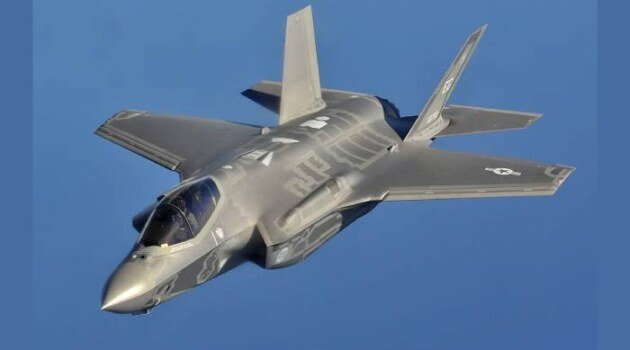
The UK Ministry of Defence confirmed the acquisition of 12 F-35A variants alongside 15 additional F-35Bs as part of tranche two procurement plans outlined in the 2025 Strategic Defence Review and subsequent Defence Investment Plan. These conventional take-off and landing (CTOL) aircraft are scheduled to begin arriving in the early 2030s.
Speaking at the Global Air & Space Chiefs’ Conference in London on 15 July 2026, Air Vice-Marshal Jim Beck, RAF Director Capability & Programmes, clarified that the initial dozen F-35As were procured specifically to support the Operational Conversion Unit (OCU) on 207 Squadron, not the nuclear mission. “We did not buy those [F-35As] for dual-capable aircraft [DCA] capability – we bought them for our [operational] conversion unit,” Beck stated.
The F-35A’s greater internal fuel capacity, longer combat radius, and reduced maintenance demands compared to the F-35B make it well-suited for training, enabling longer sorties and higher aircraft availability for pilot instruction.
Path to NATO Dual-Capable Aircraft Integration
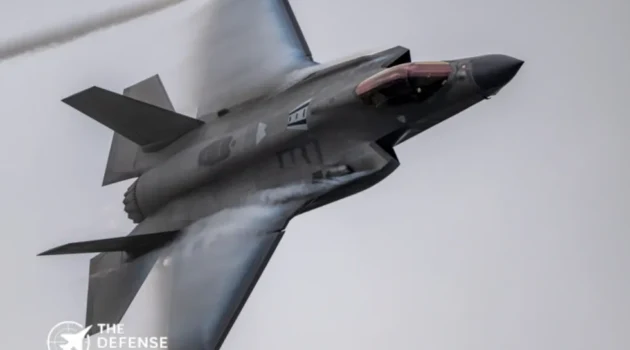
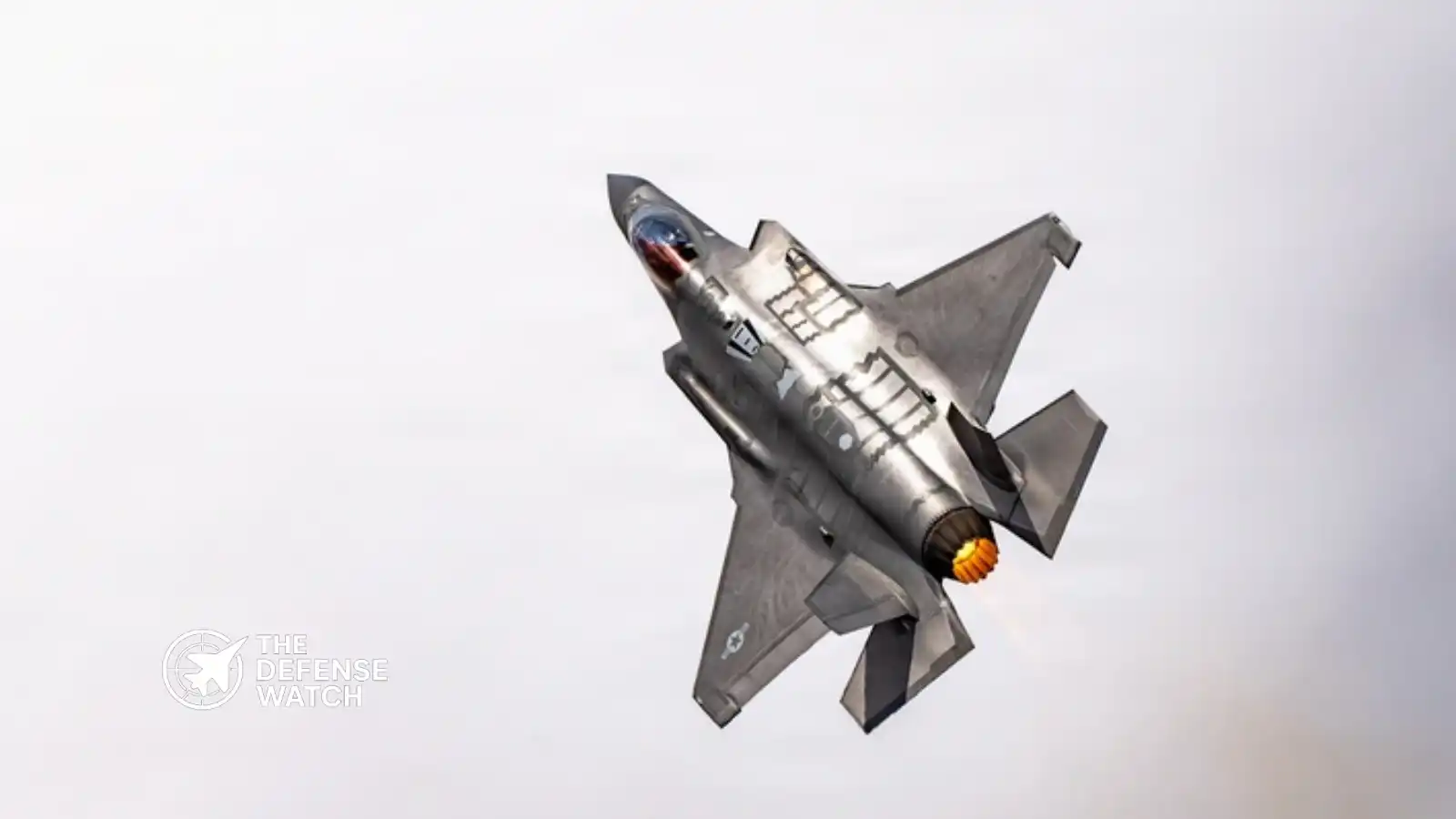
The F-35A is the only variant in the Lightning II family certified to carry the U.S. B61-12 tactical nuclear gravity bomb. UK-operated aircraft would function as dual-capable assets under NATO nuclear burden-sharing arrangements, with warheads remaining under U.S. control until a decision to employ them in a crisis.
This represents a significant policy shift. The RAF last operated air-launched nuclear weapons—the WE177 free-fall bombs on Panavia Tornados—until their retirement in 1998. Reintegration into the DCA mission strengthens NATO’s collective deterrence posture amid heightened threats from Russia and expanding nuclear capabilities in China.
Beck emphasized the analysis underway: “We are doing the analysis to understand the size and posture of the force that we will need to undertake it.” Additional F-35As for the DCA role would require compatible boom-refueling support, currently unavailable in the UK inventory, and standardization with NATO partners.
Technical and Operational Advantages of the F-35A
The F-35A offers notable performance improvements over the STOVL F-35B already in UK service:
Specification F-35A Lightning II F-35B Lightning II Combat Radius (Internal Fuel) >590 n.mi / 1,093 km >450 n.mi / 833 km Range (Internal Fuel) >1,200 n.mi / 2,200 km >900 n.mi / 1,667 km Internal Fuel Capacity 18,250 lb / 8,278 kg 13,100 lb / 5,942 kg Max G-Rating 9.0 7.0 Weapons Payload 18,000 lb / 8,160 kg 15,000 lb / 6,800 kg These attributes provide greater persistence, payload flexibility, and agility for conventional strike and air superiority missions, while enabling nuclear certification. The aircraft will be based at RAF Marham and support a third frontline F-35 squadron.
Strategic Context and Implications for U.S. and NATO Defense
Analysis: This development carries direct relevance for U.S. defense strategy. As the primary provider of nuclear weapons for NATO’s DCA mission, the U.S. benefits from increased allied participation, distributing the burden of nuclear readiness across more platforms and enhancing overall alliance resilience. The UK’s F-35As add redundancy to existing European DCA fleets operated by Belgium, Germany, Italy, and the Netherlands, primarily using F-16s and Tornados (transitioning to newer platforms).
Operationally, integrating F-35A into the nuclear mission introduces complexities. Stealth optimization for nuclear delivery—ensuring external stores or modifications do not compromise low-observable characteristics—remains a noted challenge. Boom aerial refueling infrastructure will require investment or reliance on NATO allies, highlighting interoperability gaps in European air forces.
From a broader geopolitical perspective, the move signals resolve against Russian nuclear saber-rattling and China’s nuclear expansion, projected to reach approximately 1,000 warheads by 2030. It complements the UK’s independent sea-based deterrent while providing flexible, theater-level response options that submarines cannot replicate. For the U.S., this deepens the “special relationship” through shared F-35 logistics and sustainment, potentially influencing future export and upgrade pathways.
The UK’s long-term ambition of up to 138 F-35s total (across variants) suggests potential for fleet growth beyond the initial 12 F-35As, depending on the ongoing analysis. This could influence U.S. production lines and joint sustainment costs across the F-35 enterprise.
Challenges include pilot training pipelines, maintenance infrastructure upgrades for CTOL operations alongside STOVL, and ensuring nuclear certification timelines align with aircraft deliveries in the early 2030s. France’s extensive nuclear exercise regimen, including Operation Poker activities, offers a model for maintaining proficiency that the RAF will likely study.
Broader RAF Combat Air Evolution
The F-35A acquisition fits into a mixed fleet strategy alongside Typhoon, future GCAP (Global Combat Air Programme) sixth-generation fighters, and uncrewed collaborative combat aircraft. This layered approach enhances survivability and mission flexibility in contested environments. The F-35 family already supports UK carrier strike operations, with the A-variant adding land-based depth and range.