Executive Summary:
Israel has awarded Elbit Systems a new contract aimed at extending the operational range of the Israeli Air Force’s F-35I Adir stealth fighter fleet. The program reflects Israel’s continued focus on long-range strike capability, regional deterrence, and operational flexibility amid evolving Middle East security challenges.
Israel Expands F-35I Adir Operational Reach
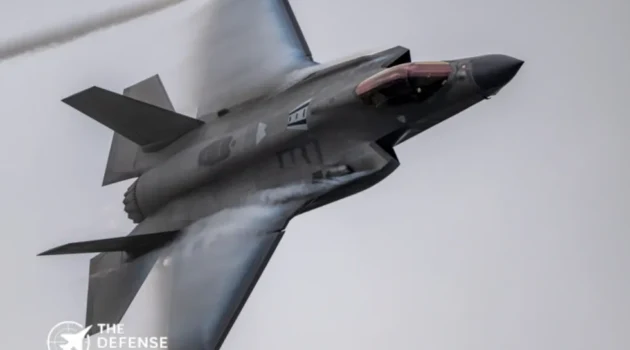
The F-35I Adir remains central to Israel’s airpower strategy, and the latest agreement with Elbit Systems highlights a growing emphasis on extended operational reach and mission endurance.
The Israeli Ministry of Defense selected Elbit Systems to develop and integrate capabilities designed to increase the operational range of the F-35I Adir fleet operated by the Israeli Air Force. The contract supports Israel’s long-term modernization roadmap for fifth-generation combat aviation and advanced strike operations.
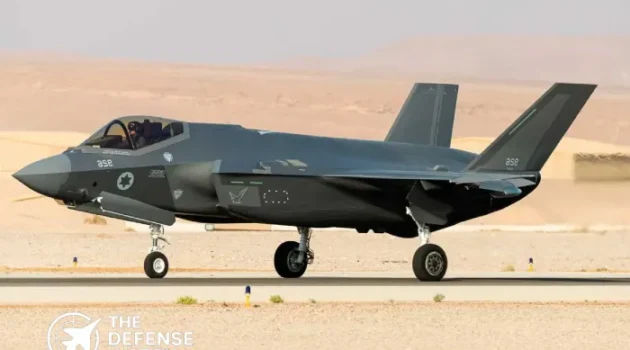
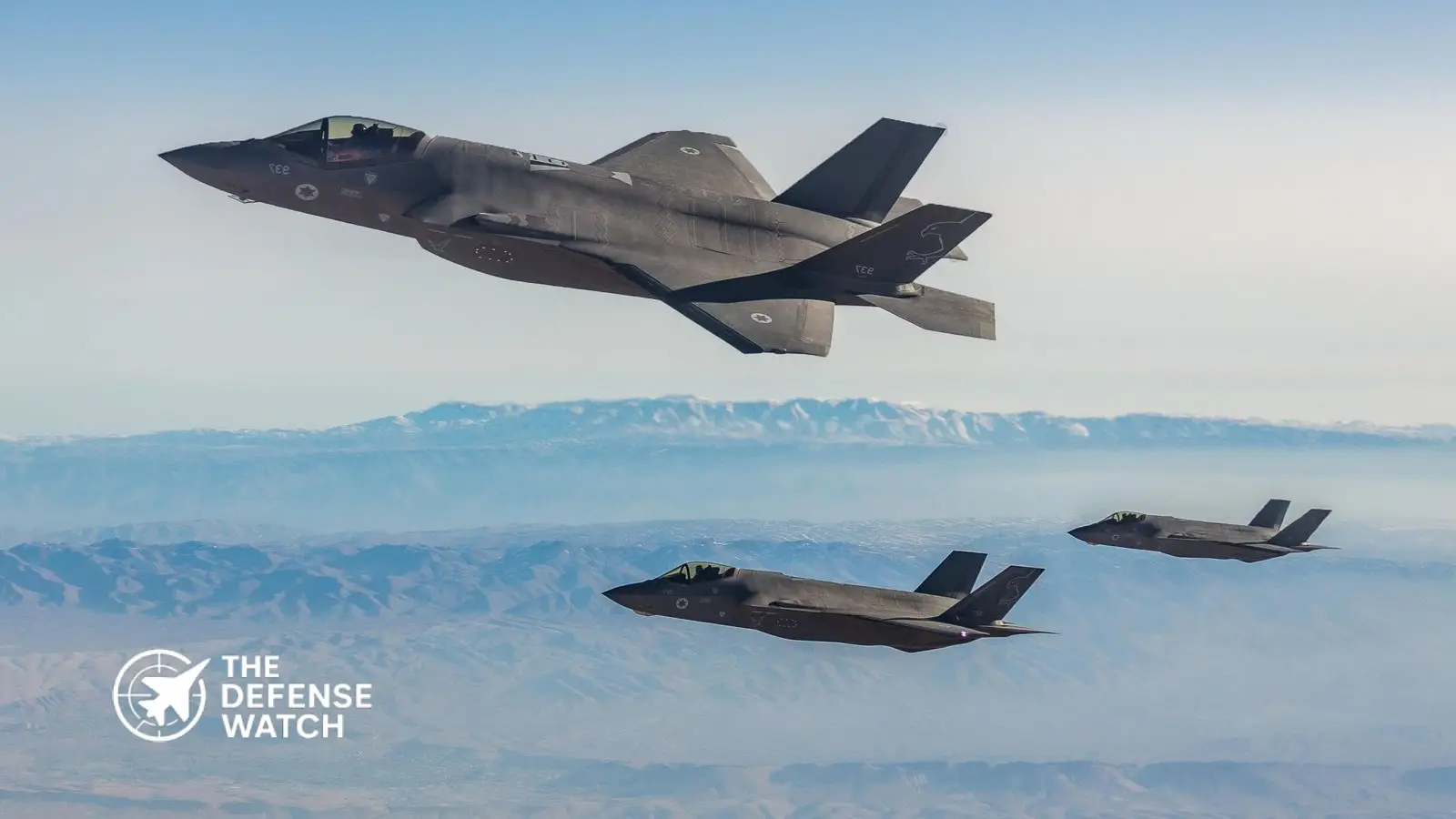
The F-35I Adir is Israel’s customized variant of the Lockheed Martin F-35 Lightning II. Unlike standard export variants, the aircraft incorporates Israeli-developed systems and mission-specific modifications approved under a unique bilateral arrangement with the United States.
While financial details of the contract were not publicly disclosed, the effort is expected to focus on advanced airborne systems, mission support technologies, and enhancements intended to improve operational flexibility during long-range missions.
Long-Range Strike Capability Remains A Strategic Priority
Israel’s decision to expand the operational range of the F-35I Adir comes as regional security dynamics continue to evolve across the Middle East.
The Israeli Air Force has increasingly prioritized deep-strike capability, survivability, and rapid-response operations against emerging threats across extended distances. Analysts have long viewed range and endurance enhancements as critical components of Israel’s future airpower doctrine, particularly as regional adversaries continue investing in integrated air defense systems, long-range missiles, and dispersed military infrastructure.
The F-35I already provides Israel with low observable penetration capability, advanced sensor fusion, electronic warfare systems, and network-centric operational advantages. Extending the aircraft’s effective operational reach could improve flexibility for intelligence, surveillance, strike, and deterrence missions without relying heavily on forward basing options.
Elbit Systems has played a significant role in several Israeli combat aviation modernization efforts, including helmet-mounted systems, electronic warfare technologies, avionics, and mission support equipment. The company’s involvement in the F-35I program reinforces Israel’s strategy of integrating domestic defense technologies into imported platforms to preserve operational independence and customization capability.
F-35I Adir Continues To Anchor Israeli Airpower
The Israeli Air Force was among the first international operators to declare the F-35 operational. Since entering service, the aircraft has become a key component of Israel’s multi-domain combat architecture.
Israel has previously stated that the F-35I has participated in operational missions across the region, including intelligence gathering and precision strike operations. The aircraft’s stealth characteristics and advanced electronic warfare suite are widely considered essential for operating in contested environments defended by modern surface-to-air missile systems.
The latest range enhancement initiative may also support future mission profiles involving longer-duration patrols, strategic deterrence operations, and expanded strike planning options.
Defense analysts note that survivability alone is no longer sufficient for fifth-generation aircraft operating in increasingly complex threat environments. Range, data connectivity, electronic warfare integration, and logistical sustainability are becoming equally important factors in modern air combat operations.
Broader Regional And Industrial Implications
The contract also reflects the continued strength of Israel’s domestic defense industrial base. By assigning key integration and upgrade responsibilities to Elbit Systems, Israel continues to reinforce local technological expertise while reducing dependence on external modification pathways.
The move aligns with broader global trends in military aviation, where operators increasingly seek sovereign control over mission systems, software integration, and platform-specific upgrades.
For Israel, maintaining technological superiority remains a core national security objective. Investments tied to the F-35I Adir demonstrate how the country continues adapting Western-built platforms to meet regional operational requirements.
The agreement further underscores the strategic importance of the F-35 program within Middle East defense planning. Several regional states are expanding air defense capabilities and investing heavily in long-range missile systems, unmanned platforms, and electronic warfare assets. In that environment, operational reach and survivability remain decisive factors.