
As drone threats become a growing concern for major public events, Washington is building one of the most comprehensive state-level counter-UAS initiatives in the United States.
(adsbygoogle = window.adsbygoogle || []).push({});Executive Summary:
The Washington National Guard has expanded its counter-UAS partnerships and training efforts ahead of the FIFA World Cup 2026. The initiative brings together military, law enforcement, emergency management, and industry partners to improve drone detection, tracking, and mitigation capabilities for major public events and critical infrastructure protection.
The Washington National Guard counter-UAS program is rapidly expanding as state and federal agencies prepare for security challenges associated with the FIFA World Cup 2026.
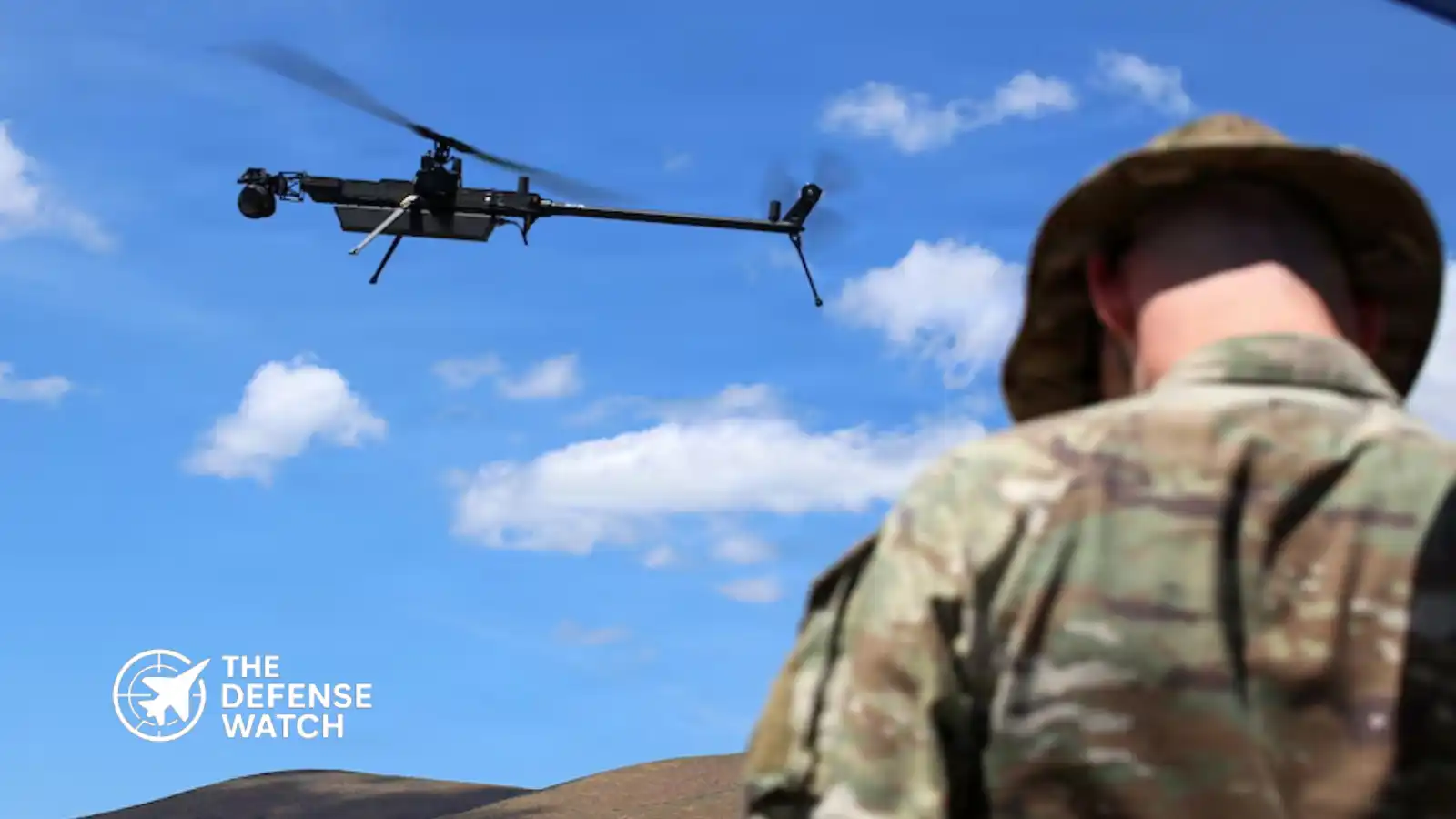
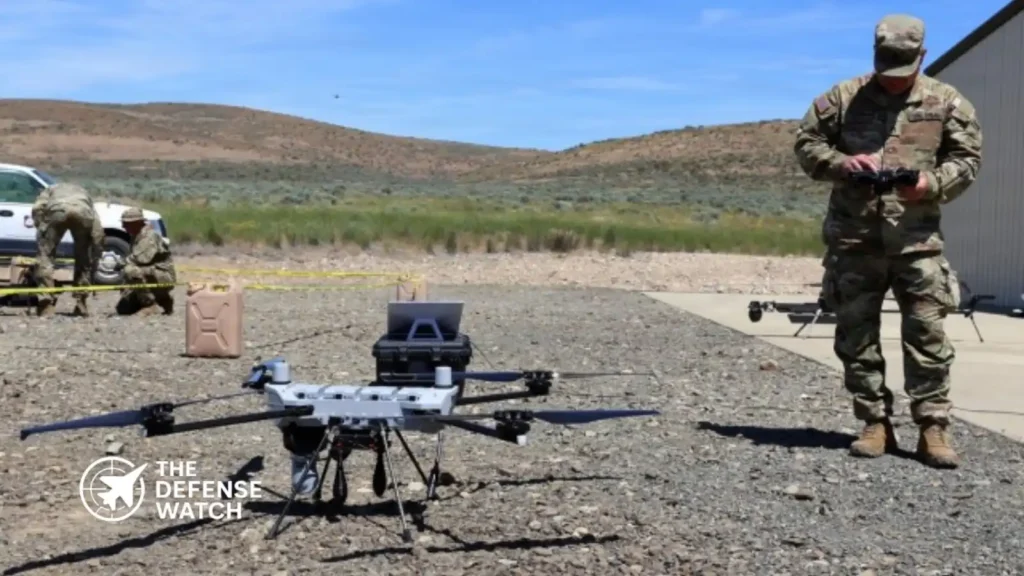
During a counter-unmanned aerial systems (C-UAS) demonstration held June 2 at Yakima Training Center, representatives from federal, state, and local law enforcement agencies joined military units, emergency management officials, Civil Air Patrol personnel, and industry partners to evaluate technologies designed to detect, track, and mitigate drone threats.
The event marks another step in a year-long effort by the Washington Military Department and the Washington National Guard to strengthen airspace security ahead of one of the world’s largest sporting events. Seattle is expected to host several World Cup matches, bringing millions of visitors to the region.
Building A Regional Counter-Drone Capability
According to Washington National Guard leadership, the initiative extends beyond World Cup preparations.
Major General Gent Welsh, Washington’s Adjutant General and Homeland Security Advisor, described the effort as part of a broader national challenge posed by the growing availability and sophistication of unmanned aerial systems. Officials emphasized that drone threats affect not only large public gatherings but also critical infrastructure and homeland security operations.
The field demonstration showcased a range of operational concepts, including:
- Drone detection systems
- Swarm threat monitoring
- Interception techniques
- Radio frequency mitigation capabilities
- Render-safe procedures
- Multi-agency response coordination
Participants were able to assess how emerging technologies could be integrated into real-world security operations.
(adsbygoogle = window.adsbygoogle || []).push({});Training Efforts Gain Momentum
The Washington National Guard’s Western Regional Counterdrug Training Center has launched a Counter-UAS Fundamentals Course designed for military personnel, law enforcement agencies, and public safety professionals.
The course provides instruction on drone identification, detection technologies, legal authorities, operational planning, and response procedures. Officials say interest in the program has grown significantly as agencies across the country prepare for major events and confront increasing drone activity.
The training initiative follows a counter-UAS summit hosted in late 2025 that brought together government agencies, public safety organizations, academia, and industry experts to discuss emerging drone threats and potential solutions.
Yakima Training Center Positioned As Future Counter-UAS Hub
A major objective of the Washington National Guard’s strategy is establishing Yakima Training Center as a long-term counter-UAS training and innovation hub.
Military leaders argue the facility’s approximately 327,000 acres of training space provide a unique environment for testing systems, conducting realistic exercises, and supporting multi-agency operations. Officials have expressed interest in developing an Army-focused counter-UAS center of excellence at the site.
Such a capability could support not only World Cup security operations but also broader homeland defense requirements, critical infrastructure protection missions, and future major national events.
Why The Effort Matters
The Washington National Guard counter-UAS initiative reflects a wider national push to improve defenses against unauthorized drones.
Recent discussions in Congress and the executive branch have focused on expanding counter-drone authorities ahead of major events, including the FIFA World Cup and the 2028 Los Angeles Olympics. Lawmakers and federal officials have highlighted concerns about fragmented authorities and the need for stronger coordination between federal, state, and local agencies.
Drone threats have become a growing concern worldwide due to the increasing availability of commercial unmanned systems and their use in surveillance, disruption, and attacks against civilian and military targets.
(adsbygoogle = window.adsbygoogle || []).push({});Analysis
The Washington National Guard’s approach stands out because it combines technology testing, operational training, legal preparedness, and interagency cooperation rather than focusing solely on equipment acquisition.
By building relationships between military units, law enforcement agencies, emergency managers, and industry partners before a major event occurs, Washington is creating a framework that can be applied long after the World Cup concludes.
The initiative also reflects an emerging trend in homeland security: counter-UAS capabilities are increasingly viewed as a permanent requirement rather than a temporary event-specific solution. As drone technology continues to evolve, states that establish training infrastructure and operational expertise today are likely to be better positioned to address future threats.
Looking Ahead
With FIFA World Cup 2026 approaching, Washington officials continue to expand training opportunities, evaluate new technologies, and strengthen partnerships across government and industry.
Leaders believe the capabilities being developed at Yakima Training Center could ultimately serve as a model for counter-UAS operations nationwide, supporting both major event security and long-term homeland defense missions.