Executive Summary:
L3Harris and the Dutch Ministry of Defence have signed a strategic partnership agreement supporting the FOXTROT communications program. The agreement deepens cooperation on military communications modernization, long-term capability development, and interoperability with NATO allies while strengthening the Netherlands’ defense industrial base.
L3Harris And Dutch Ministry Of Defence Deepen FOXTROT Communications Partnership
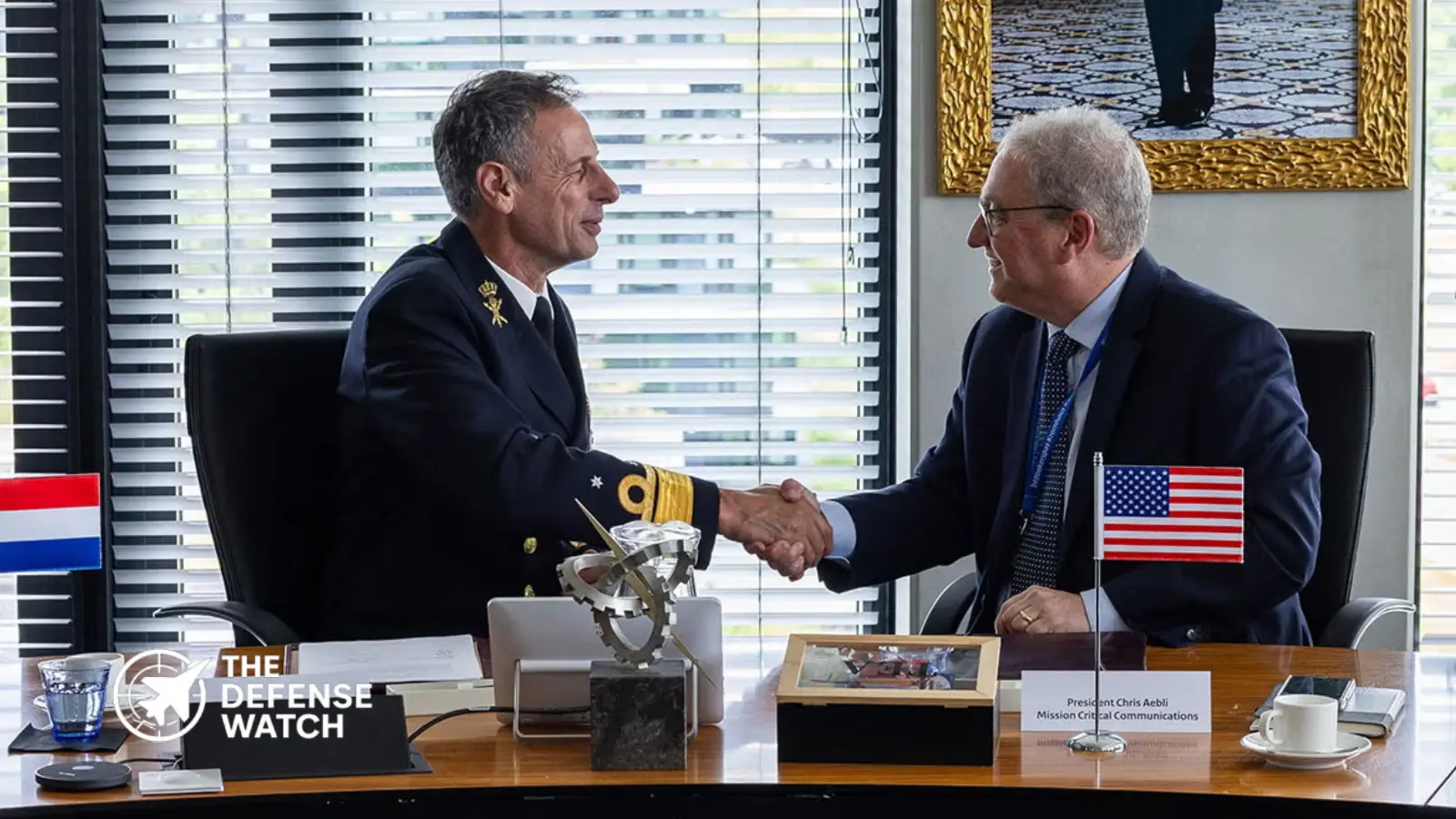
L3Harris FOXTROT communications efforts received a significant boost after the company and the Dutch Ministry of Defence signed a strategic partnership agreement aimed at supporting the Netherlands’ next generation military communications network. The agreement establishes a long-term framework for collaboration on capability development, innovation, and lifecycle support for the FOXTROT program.
The partnership was signed at the Kromhout Barracks in Utrecht and builds upon earlier agreements between the two parties, including a major long-term procurement contract signed in 2025 for advanced Falcon IV tactical radios. That agreement was valued at up to €1 billion and forms the foundation of the Netherlands’ ongoing communications modernization effort.
What Is The FOXTROT Program?
The FOXTROT program is designed to equip units across the Dutch Armed Forces with modern combat net radio systems that provide secure, resilient, and interoperable communications. The initiative seeks to standardize tactical communications across military branches while improving connectivity with allied NATO forces.
L3Harris has already delivered the first equipment under the program, including Falcon IV radios that support secure communications across large networks and extended operational distances. The systems are intended to provide greater resilience against increasingly sophisticated electronic warfare threats encountered on modern battlefields.
The company notes that its Falcon IV family is already interoperable with more than one million tactical devices fielded worldwide, an important consideration for coalition operations and multinational deployments.
Why The Agreement Matters
The strategic partnership goes beyond equipment delivery. According to both organizations, the agreement establishes a shared framework for continuously improving the FOXTROT solution over the next decade and beyond. Key objectives include accelerating innovation, streamlining delivery processes, managing system integration, and ensuring communications capabilities remain current as threats evolve.
This reflects a broader trend across NATO, where militaries are placing greater emphasis on resilient communications networks capable of operating in contested electromagnetic environments. Lessons from recent conflicts have demonstrated that secure and reliable communications are critical to command and control, battlefield coordination, and operational effectiveness.
From a strategic perspective, the partnership provides the Dutch military with a mechanism for rapid technology updates rather than relying solely on traditional procurement cycles. Such arrangements can help reduce capability gaps as electronic warfare technologies continue to advance.
Strengthening The Dutch Defense Industrial Base
Another notable aspect of the agreement is its focus on industrial cooperation. The partnership builds on an Industrial Cooperation Agreement signed with the Dutch government in late 2025 and is intended to increase participation from local industry.
L3Harris has committed to expanding support facilities within the Netherlands, developing technology partnerships, and investing in local talent and technical expertise. Dutch officials view this approach as a way to strengthen national industrial capacity while ensuring long-term support for critical military communications infrastructure.
The Netherlands Ministry of Defence has also indicated that maintaining close collaboration with specialized industry partners will help accelerate innovation and improve the adaptability of the FOXTROT ecosystem as operational requirements evolve.
Analysis: A Broader NATO Communications Trend
The L3Harris FOXTROT communications partnership highlights a growing focus among NATO members on resilient, interoperable communications systems capable of operating under electronic attack. As military operations become increasingly network-centric, communications infrastructure is being treated as a core warfighting capability rather than a supporting function.
For the Netherlands, the agreement represents a long-term investment in digital modernization and battlefield connectivity. For L3Harris, it further strengthens the company’s position within European defense communications programs at a time when allied nations are increasing investments in command, control, communications, and electronic warfare resilience.
The agreement also reflects a wider shift toward strategic partnerships that combine procurement, sustainment, industrial cooperation, and continuous capability upgrades under a single framework. Such models are increasingly viewed as essential for keeping pace with rapidly evolving military technology and operational demands.
Get real time update about this post category directly on your device, subscribe now.