Hezbollah rocket barrage triggers air raid sirens across northern Israeli cities as security forces assess damage.
Executive Summary:
Hezbollah launched dozens of rockets into northern Israel on Saturday, reaching cities including Safed, Nahariya, and Karmiel for the first time since the April 17 ceasefire. Israeli Prime Minister Benjamin Netanyahu convened an emergency security assessment as tensions escalated following the expansion of Israeli ground operations in southern Lebanon. The exchange highlights growing risks of renewed conflict along Israel’s northern front.
Hezbollah Rockets Hit Northern Israel As Tensions Escalate
Hezbollah rockets northern Israel became the latest flashpoint in the ongoing Israel-Lebanon conflict after the militant group launched a significant barrage targeting communities across Israel’s northern region on Saturday.
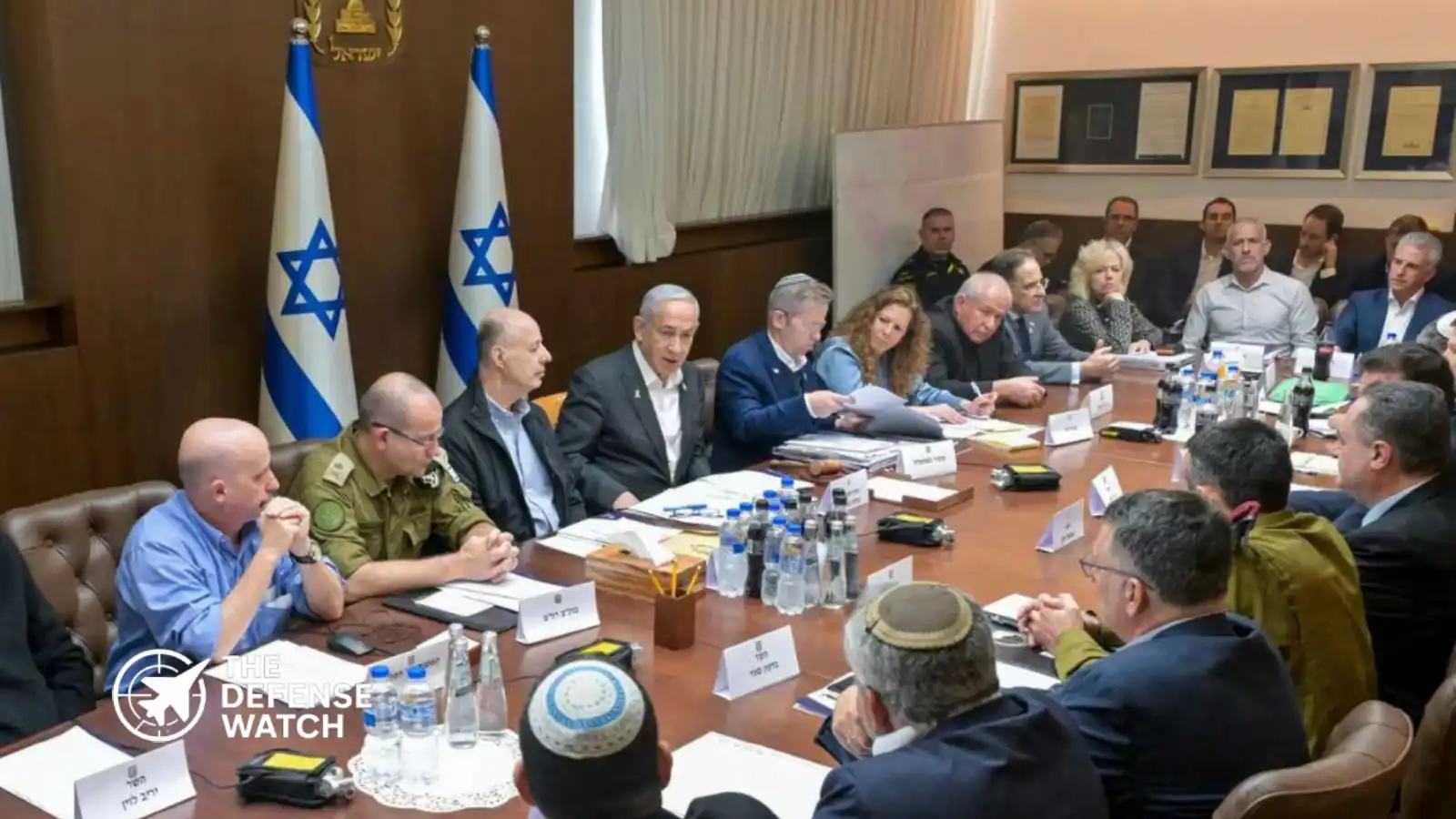
According to Israeli media reports, Prime Minister Benjamin Netanyahu held an urgent security meeting with Defense Minister Israel Katz, Chief of Staff Lt. Gen. Eyal Zamir, and senior military commanders following the attacks.
The rocket strikes reportedly reached the cities of Safed, Nahariya, and Karmiel, marking the deepest Hezbollah attacks into northern Israel since a ceasefire took effect on April 17.
Israeli Channel 13 described military officials as surprised by both the scale of the attack and Hezbollah’s apparent shift in operational behavior. The report suggested that the rocket launches were linked to Israel’s recent expansion of military activity in southern Lebanon.
Rocket Barrage Targets Kiryat Shmona
The most significant attack occurred near Kiryat Shmona, where approximately 15 rockets were fired toward the city during the early morning hours.
Israeli authorities reported that one rocket struck a commercial area, causing substantial property damage. No fatalities or serious injuries were immediately reported.
Hezbollah later claimed responsibility for the attacks, stating that the strikes were conducted in response to what it described as Israeli violations of the ceasefire agreement and ongoing military operations inside Lebanese territory.
The group’s statement framed the operation as an effort to defend Lebanon and its population amid increasing Israeli military activity south of the Litani River.
Israeli Ground Operations Expand Beyond Litani River
The latest escalation follows Netanyahu’s confirmation that elements of the Israel Defense Forces‘ 36th Division had crossed the Litani River in southern Lebanon.
The movement represents a notable expansion of Israeli ground operations beyond positions traditionally viewed as part of Israel’s defensive posture along the border.
Israeli military officials indicated they anticipated increased Hezbollah resistance as troops advanced deeper into southern Lebanon.
The Litani River has long held strategic significance in Israel-Lebanon security calculations. Operations beyond the river increase the likelihood of direct confrontation between Israeli forces and Hezbollah units operating throughout southern Lebanon.
Ceasefire Under Growing Pressure
The renewed fighting raises questions about the durability of the ceasefire that entered force on April 17.
Israeli Army Radio reported that warning sirens had sounded 1,099 times across northern Israel since the ceasefire began, highlighting the persistent volatility of the border region despite formal efforts to reduce hostilities.
While neither side has officially declared the ceasefire collapsed, the latest exchanges suggest that operational restraints on both sides are weakening.
For Israel, Hezbollah’s ability to launch coordinated rocket attacks against multiple northern cities remains a significant security challenge. For Hezbollah, Israeli ground advances deeper into southern Lebanon create pressure to demonstrate continued deterrence capabilities.
Analysis: A Potential Shift In The Northern Front
The latest Hezbollah rocket barrage 2026 may represent more than a routine exchange of fire.
A notable aspect of the attack is the geographic reach of the rockets. Strikes affecting Safed, Nahariya, and Karmiel indicate Hezbollah’s willingness to target a broader area of northern Israel than seen during recent ceasefire periods.
The timing is equally significant. The attacks occurred shortly after confirmation that Israeli forces had crossed the Litani River, suggesting Hezbollah may be attempting to establish a direct connection between Israeli ground movements and its own escalation ladder.
From a military perspective, both sides appear to be signaling resolve while attempting to avoid an uncontrolled regional war. However, history demonstrates that sustained cross-border exchanges can quickly generate escalation pressures that exceed initial intentions.
The coming days will likely determine whether the incident remains a localized escalation or develops into a broader confrontation along the Israel-Lebanon frontier.
Strategic Implications For Regional Security
The renewed violence underscores the continued instability of the northern Israeli theater and the strategic importance of southern Lebanon.
Military planners across the region will closely monitor whether Hezbollah expands the scale of its attacks and whether Israel responds with deeper ground operations or increased air strikes.
The situation also carries implications for regional deterrence dynamics, particularly as multiple armed actors continue to operate across the broader Middle East security environment.
For now, both Israel and Hezbollah appear to be testing the limits of the current ceasefire framework while preparing for the possibility of further escalation.