

Executive Summary:
Israeli Prime Minister Benjamin Netanyahu has announced plans to gradually end Israel’s dependence on U.S. military financial assistance. The move marks a significant strategic shift in U.S.-Israel defense relations and reflects Israel’s growing emphasis on domestic defense production and long-term strategic autonomy.
Netanyahu Signals Strategic Shift In U.S.-Israel Defense Ties
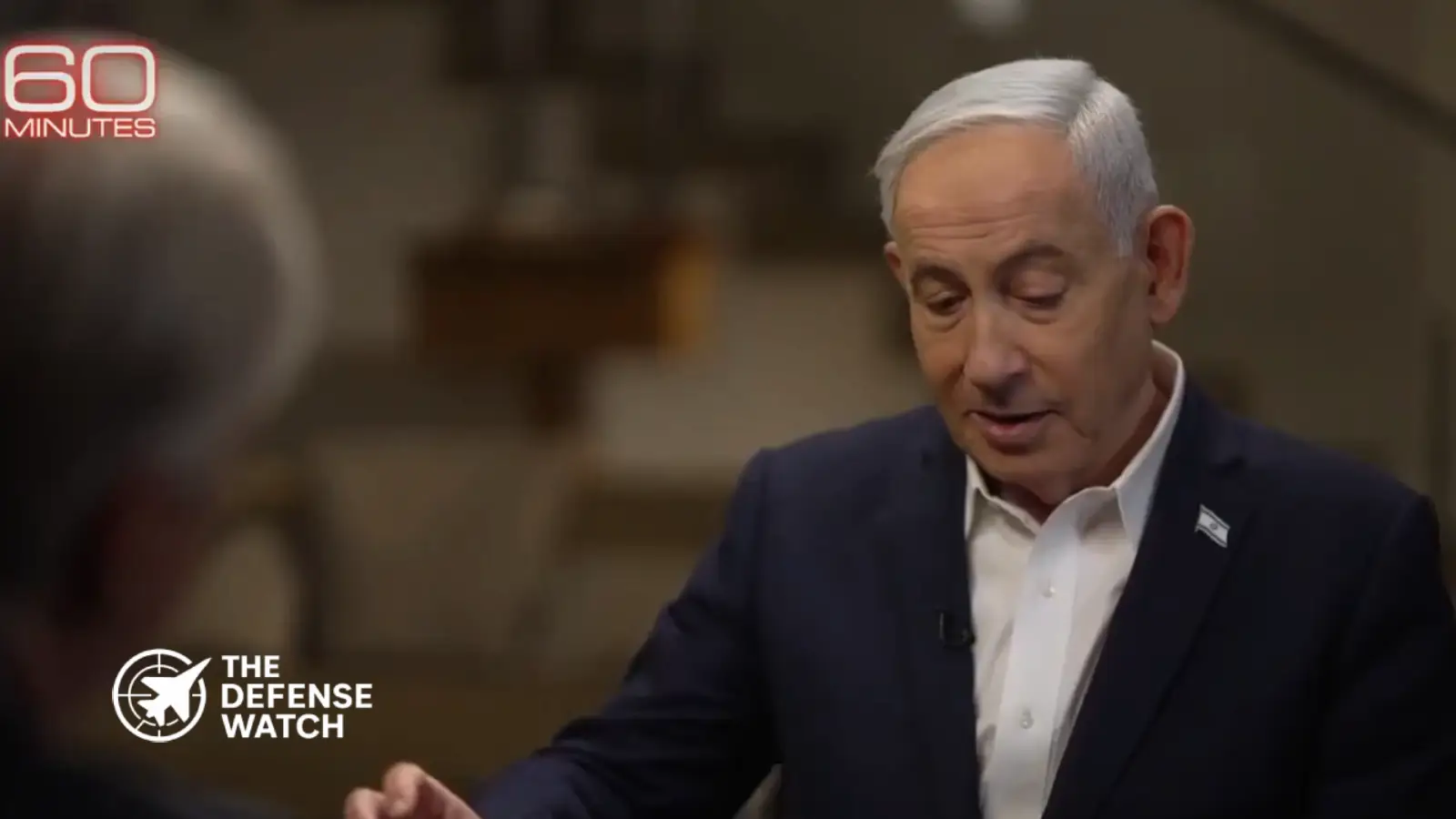
Israeli Prime Minister Benjamin Netanyahu has announced that Israel intends to eventually phase out reliance on U.S. military financial aid, describing the move as part of a broader effort to strengthen Israel’s strategic and industrial independence.
Speaking publicly about the issue, Netanyahu said he had already discussed the matter with U.S. President Donald Trump and Israeli officials, noting that many were surprised by the proposal.
“I want to draw down to zero the American financial support,” Netanyahu said, referring to the financial component of the long-standing military cooperation agreement between Washington and Jerusalem.
Israel currently receives approximately $3.8 billion annually in U.S. military assistance under a 10-year memorandum of understanding signed in 2016. The agreement remains one of the largest American foreign military financing arrangements in the world.
Netanyahu added that Israel should begin “weaning” itself from the remaining military support package.
Longstanding Military Partnership Faces New Phase
The announcement does not indicate an end to U.S.-Israel military cooperation overall. Instead, Netanyahu’s comments appear focused specifically on direct financial assistance rather than operational coordination, intelligence sharing, missile defense cooperation, or joint weapons development.
The United States and Israel maintain deep defense ties across multiple sectors, including missile defense systems such as Iron Dome, David’s Sling, and Arrow. American and Israeli defense industries are also heavily integrated through joint development programs and procurement partnerships.
However, Netanyahu’s remarks suggest Israeli leadership increasingly sees long-term strategic value in reducing dependency on external funding while expanding domestic defense production capacity.
That shift comes as Israel’s defense sector continues to grow globally. Israeli firms including Israel Aerospace Industries, Rafael Advanced Defense Systems, and Elbit Systems have expanded exports across Europe, Asia, and the Middle East in recent years.
Defense Industry Growth Supports Independence Goals
Israel’s defense industry has evolved into one of the world’s leading exporters of missile systems, drones, air defense technologies, electronic warfare equipment, and cyber capabilities.
The country’s operational experience and rapid wartime innovation cycles have helped Israeli manufacturers secure increasing international demand, particularly following rising geopolitical tensions in Europe and the Middle East.
Netanyahu’s comments may therefore reflect confidence that Israel’s defense industrial base can sustain a greater share of procurement and modernization costs internally over time.
Analysts have long noted that U.S. military aid provides Israel not only financial support, but also privileged access to advanced American defense technologies and weapons systems, including platforms such as the F-35 Lightning II.
Any future reduction in aid would likely require a carefully managed transition to avoid disrupting procurement timelines or force modernization plans.
Strategic And Political Implications
The proposal also carries political and geopolitical implications.
For decades, U.S. military assistance has served as both a strategic commitment and a visible symbol of the Washington-Jerusalem security relationship. A gradual reduction could reshape perceptions of burden-sharing within the alliance while potentially giving Israel greater flexibility in defense budgeting and industrial policy.
At the same time, American military aid has historically supported U.S. defense manufacturers because much of the funding is spent on U.S.-made systems and equipment.
The timing of Netanyahu’s comments is notable amid ongoing regional instability, continued conflict pressures in the Middle East, and broader debates in Washington over foreign military assistance priorities.
While Netanyahu framed the idea as a long-term strategic objective rather than an immediate policy change, the statement signals that Israeli leadership is actively considering a future defense model built on greater financial and industrial self-reliance.
What Comes Next
No formal timeline for reducing U.S. aid has been announced, and existing agreements remain in force.
Any significant changes would likely require extensive coordination between both governments, particularly given the depth of current military integration and ongoing regional security concerns.
Still, Netanyahu’s remarks represent one of the clearest public indications yet that Israel may seek to redefine the financial dimension of its defense relationship with the United States in the years ahead.
As Israel expands domestic weapons production and defense exports, the discussion could become increasingly central to future debates over alliance structures, military modernization funding, and strategic autonomy in the Middle East.
