

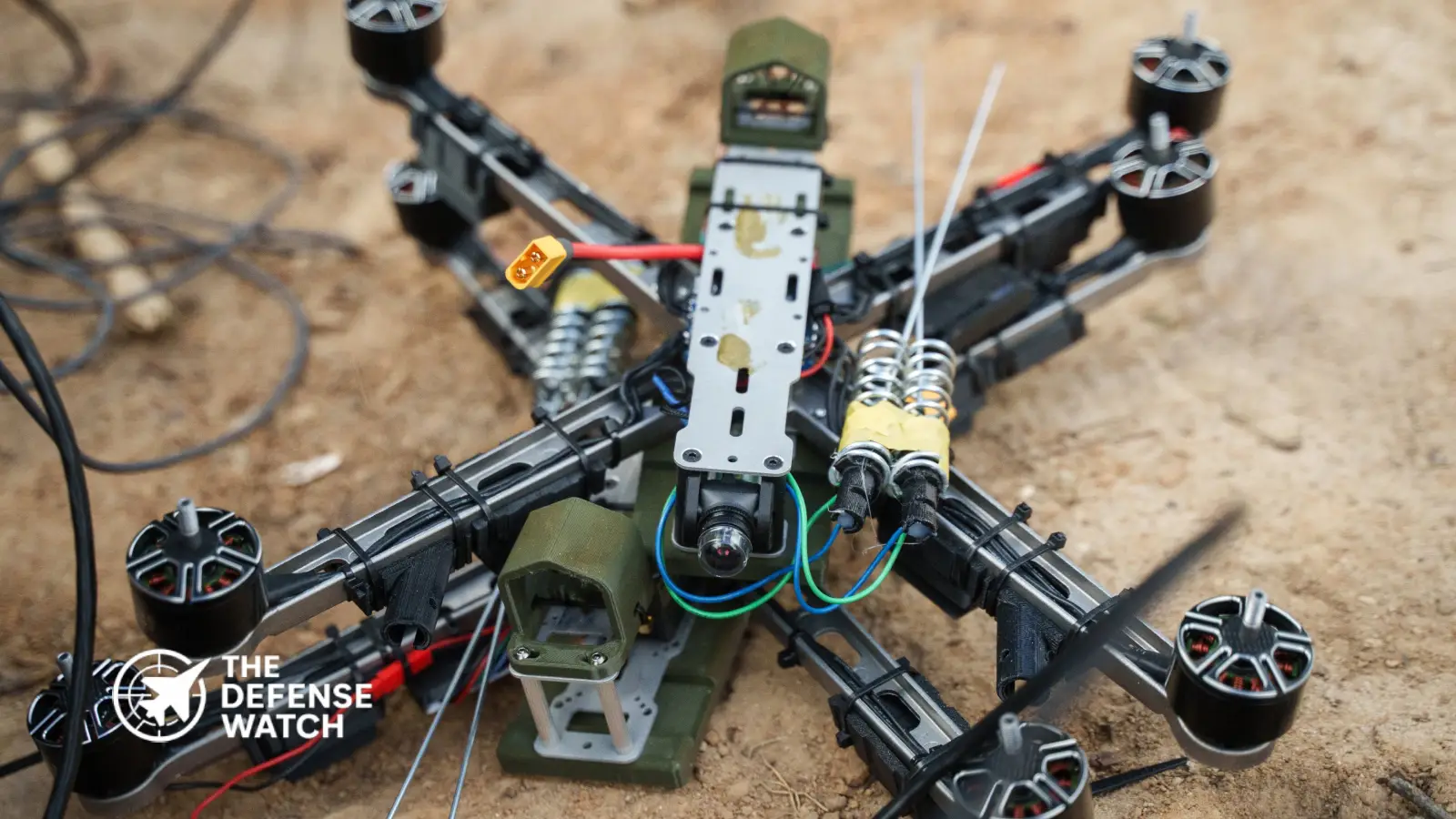
Ukraine Long-Range FPV Drones Enter New Testing Phase
Ukraine long-range FPV drones moved closer to frontline deployment after the Ministry of Defense announced successful field trials of a new generation of strike drones developed with domestic industry support.
The tests were conducted at a training range with participation from eight Ukrainian manufacturers under the coordination of Ukraine’s defense innovation platform, Brave1. During the trials, systems reportedly flew missions at distances of up to 25 kilometers while engaging targets under several forms of electronic warfare pressure.
- Ukraine tested a new generation of long-range FPV strike drones with eight domestic manufacturers.
- Trial systems reportedly struck targets at ranges of up to 25 kilometers.
- Some drones completed missions while operating under multiple electronic warfare conditions.
- Kyiv says procurement rules now favor battlefield-proven systems for faster delivery.
- Brave1 remains central to Ukraine’s rapid wartime defense innovation model.
Officials said some platforms completed the full testing cycle in conditions designed to mirror battlefield environments. Specific technical details were withheld for operational security.
Why The New FPV Drones Matter
The importance of these drones goes beyond range alone. Standard first-person-view drones are widely used across the Russia-Ukraine war for tactical strikes, but many shorter-range systems remain vulnerable to jamming and signal disruption.
By extending range to 25 kilometers while retaining strike capability under electronic warfare conditions, Ukraine appears focused on overcoming one of the battlefield’s biggest constraints, survivability in a contested electromagnetic environment.
That shift could allow operators to strike artillery, logistics hubs, command posts, and vehicle concentrations from safer standoff distances.
Brave1’s Rapid Procurement Model
Kyiv also highlighted structural reforms designed to speed battlefield adoption. According to the ministry, 80 percent of procurement funding is now directed toward systems that prove effectiveness through combat data, while 20 percent is reserved for emerging technologies.
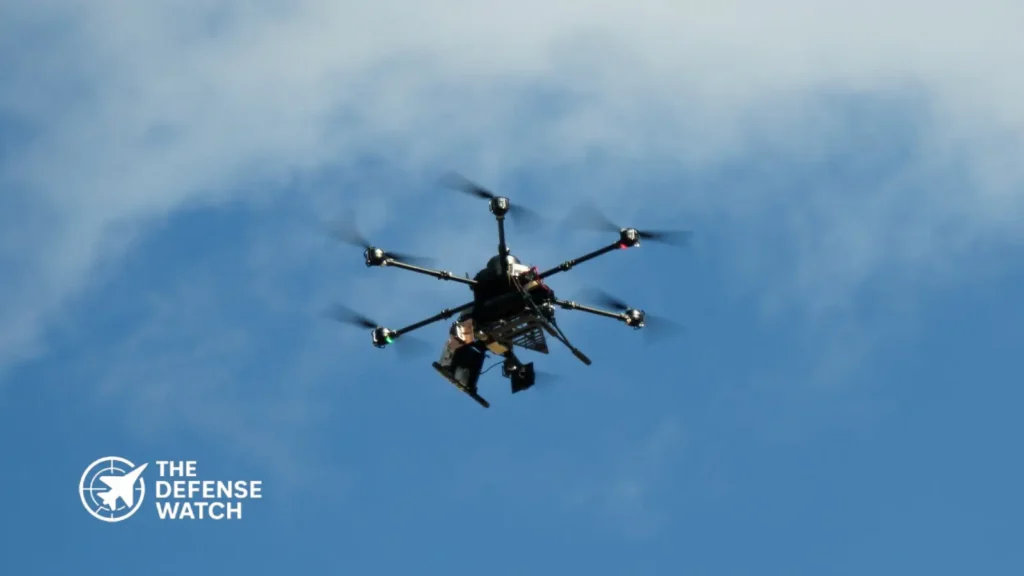
That model matters because many militaries struggle to move prototypes into service quickly. Ukraine, under wartime pressure, has increasingly compressed that timeline by linking combat units, engineers, and procurement officials.
If a drone performs well in near-combat testing, officials say contracting can begin immediately.
Broader Drone War Context
The announcement comes as unmanned systems continue reshaping the war. Reuters reported this week that Ukraine is also expanding interceptor drone networks to counter Russian long-range one-way attack drones, including Shahed variants.
That means Kyiv is simultaneously investing in two drone tracks:
- Offensive FPV strike drones for tactical battlefield use
- Interceptor drones for homeland air defense
- Rapid domestic production to reduce dependence on foreign supply chains
This layered approach reflects how drones have become central to both front-line combat and strategic defense.
What Comes Next
Ukraine did not provide a timeline for mass deployment, but the emphasis on accelerated delivery suggests units could receive selected systems soon.
If these drones maintain effectiveness against jamming in operational use, they may represent another step in the fast-moving contest between low-cost unmanned systems and increasingly sophisticated electronic warfare tools.
For Western militaries watching the conflict, Ukraine’s model offers a real-world case study in wartime innovation, rapid procurement, and adapting faster than the threat.
