The United States is keeping its naval blockade on Iran in place despite ongoing negotiations over a potential 60-day ceasefire extension.
(adsbygoogle = window.adsbygoogle || []).push({});Executive Summary:
U.S. Defense Secretary Pete Hegseth said the Iran naval blockade remains in force while President Donald Trump considers a proposed 60-day ceasefire extension with Tehran. The proposed agreement would reopen the Strait of Hormuz and launch formal nuclear talks, but Washington says pressure on Iran will continue until a final deal is approved.
Hegseth Says Iran Naval Blockade Will Continue Pending Trump Decision
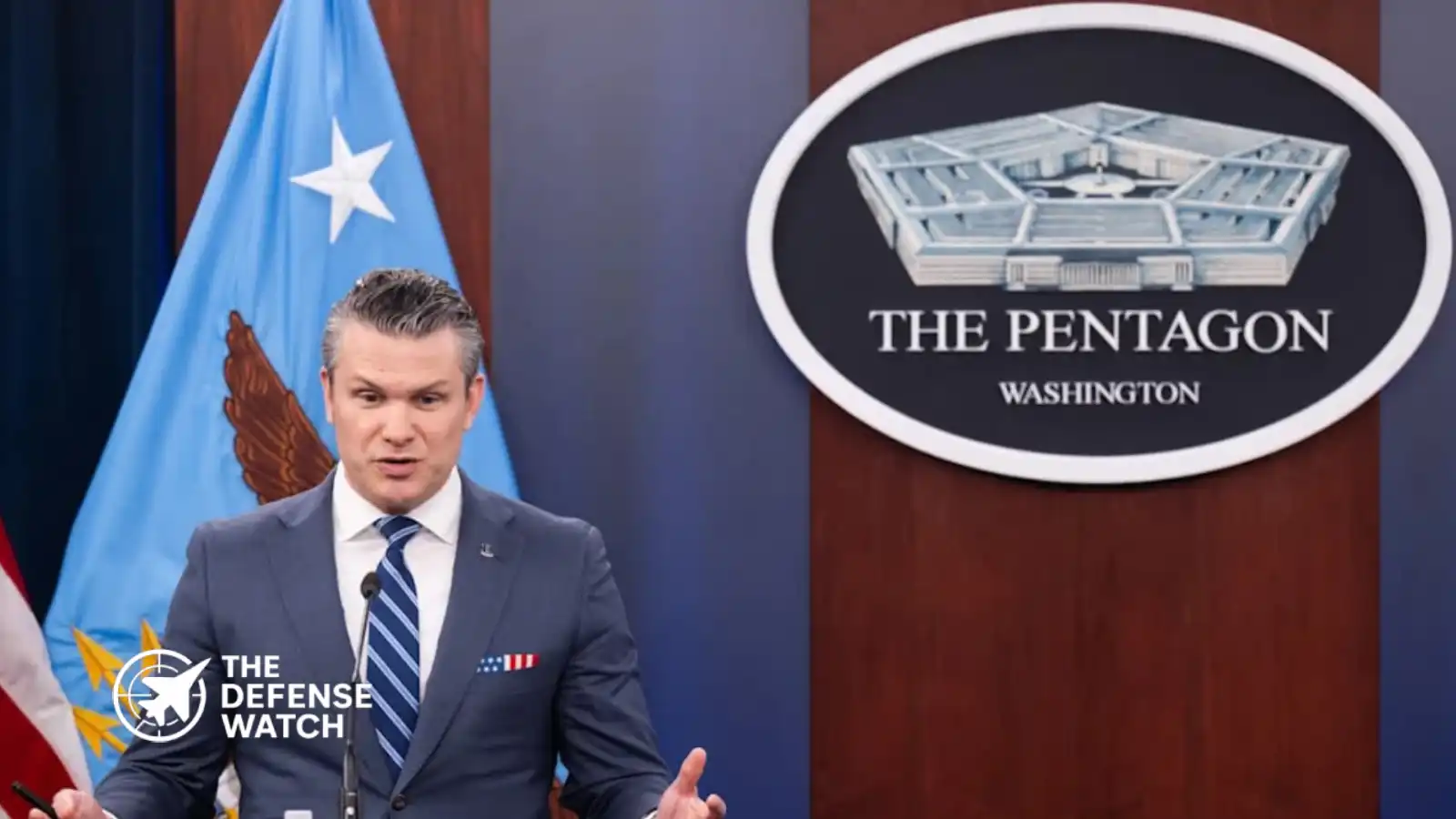
The Iran naval blockade remains in effect despite ongoing diplomatic negotiations between Washington and Tehran, according to U.S. Defense Secretary Pete Hegseth.
Speaking to reporters during the Shangri-La Dialogue security forum in Singapore on Saturday, Hegseth said U.S. forces would continue enforcing restrictions on Iranian maritime trade while President Donald Trump reviews a proposed 60-day ceasefire extension.
The comments come as negotiators from both sides reportedly finalized a preliminary memorandum of understanding earlier this week. The draft agreement would extend the existing ceasefire, reopen the Strait of Hormuz to unrestricted commercial shipping, and establish a framework for formal negotiations on Iran’s nuclear program.
However, the proposal has not yet received final approval from Trump, and Iranian media outlets have indicated that several details remain unresolved.
Blockade Remains a Key Source of Pressure
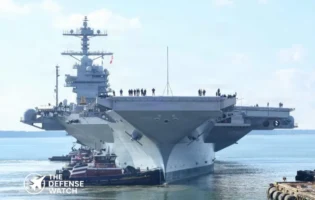
The Iran naval blockade was imposed on April 13 following the collapse of direct negotiations in Islamabad.
Since then, the restrictions have become one of Washington’s most significant sources of leverage against Tehran. Analysts estimate the measures have substantially reduced Iranian export revenues by disrupting maritime trade routes and energy shipments.
(adsbygoogle = window.adsbygoogle || []).push({});Under the reported draft agreement, the blockade would not be lifted immediately. Instead, restrictions would be eased gradually as commercial shipping resumes and Iran completes maritime security measures, including the clearance of mines and navigational hazards in the Strait of Hormuz.
This phased approach reflects continued U.S. concerns about regional maritime security and freedom of navigation through one of the world’s most strategically important waterways.
Strait of Hormuz Remains Central to Global Energy Security
The proposed reopening of the Strait of Hormuz is one of the most consequential elements of the negotiations.
Approximately one-fifth of globally traded oil passes through the narrow waterway, making any disruption a major concern for energy markets and international shipping companies.
For Washington and its regional partners, restoring normal traffic through the strait would help stabilize commercial shipping patterns while reducing pressure on global energy supply chains.
At the same time, U.S. officials appear determined to preserve negotiating leverage until a final agreement is formally endorsed.
Pentagon Signals Military Option Remains Available
Hegseth’s remarks also underscored that diplomacy is being pursued alongside continued military readiness.
During earlier Pentagon statements, the defense secretary emphasized that U.S. forces remain prepared for a range of contingencies should negotiations fail.
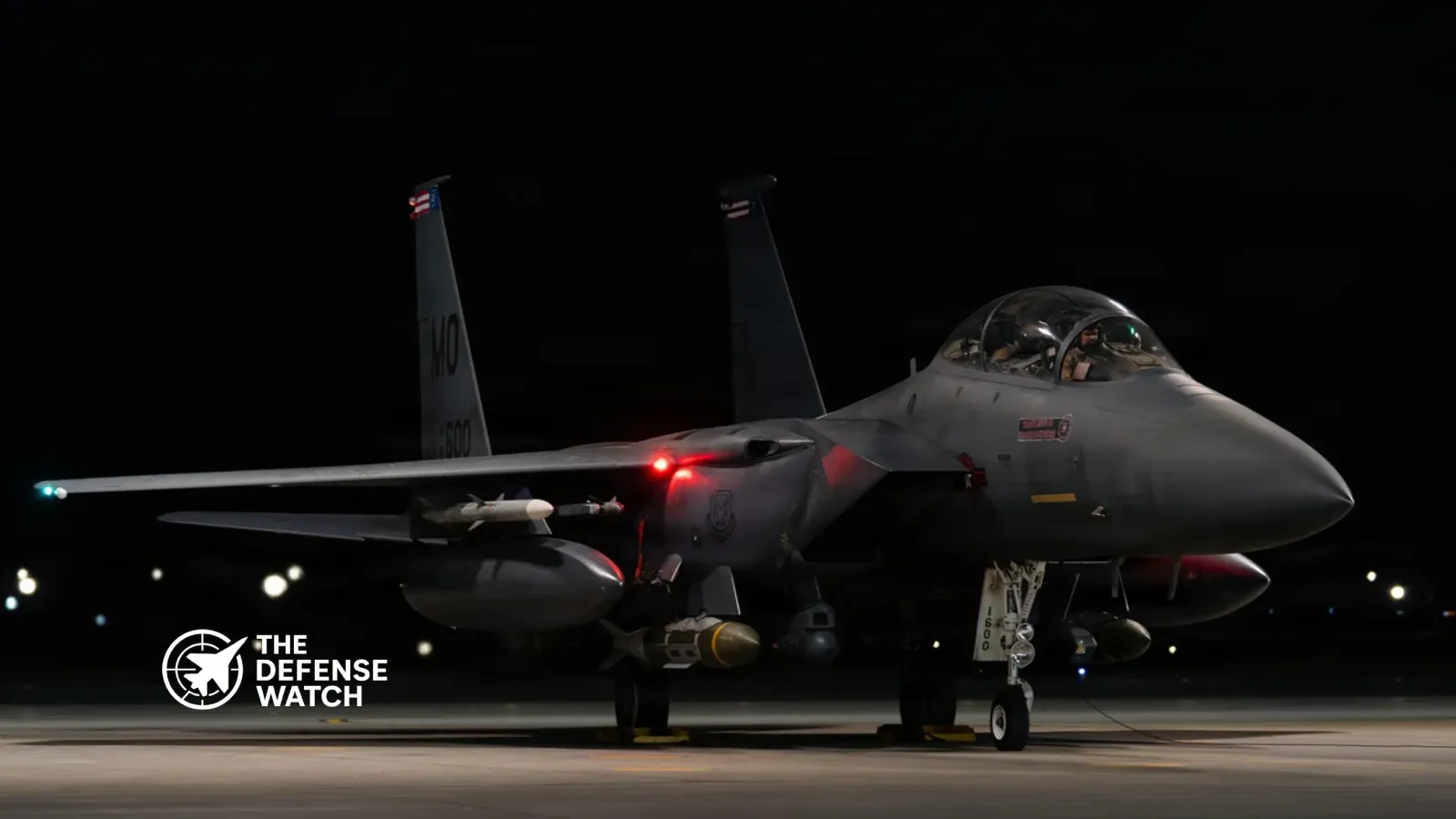
(adsbygoogle = window.adsbygoogle || []).push({});According to Hegseth, Washington is prepared to resume military operations if necessary and maintains the capability to target critical Iranian infrastructure, including elements of the country’s energy and power sectors.
The statement reflects a broader U.S. strategy that combines economic pressure, military deterrence, and diplomatic engagement.
From a strategic perspective, maintaining the blockade while negotiations continue allows Washington to retain leverage without immediately escalating military operations. It also signals to regional partners that the United States intends to preserve freedom of navigation and maritime security until a verified agreement is implemented.
Strategic Implications for the Region
The current situation highlights the growing importance of maritime power in modern geopolitical competition.
The Iran naval blockade has evolved beyond a simple economic measure and now serves as a key instrument of U.S. regional strategy. Control of maritime access, shipping lanes, and energy transit routes remains central to security calculations across the Middle East.
For Iran, securing relief from the blockade is likely a major objective in the negotiations. For the United States, ensuring compliance with any future agreement appears equally important.
Whether the proposed ceasefire extension moves forward will largely depend on Trump’s final decision and the ability of negotiators to resolve remaining disputes.
(adsbygoogle = window.adsbygoogle || []).push({});Until then, U.S. naval forces will continue operating under existing directives, and the blockade will remain one of the most significant pressure mechanisms shaping the next phase of U.S.-Iran relations.
Why It Matters
The continuation of the Iran naval blockade demonstrates that Washington is maintaining maximum leverage while diplomatic efforts remain unfinished. The outcome of Trump’s decision could influence regional stability, global energy markets, maritime security in the Strait of Hormuz, and the future trajectory of U.S.-Iran relations.