
(adsbygoogle = window.adsbygoogle || []).push({});Executive Summary:
U.S. forces intercepted six Iranian ballistic missiles and four attack drones launched toward Gulf partners and the Strait of Hormuz, according to U.S. Central Command. The incident highlights the continued importance of integrated air and missile defense networks in protecting regional bases, maritime traffic, and strategic waterways amid ongoing tensions.
US Forces Intercept 6 Iranian Ballistic Missiles In Gulf Defense Operation
U.S. forces intercepted six Iranian ballistic missiles and four one way attack drones during a major air defense engagement involving Gulf partners and the strategically vital Strait of Hormuz, according to the U.S. military. The operation represents one of the most significant recent demonstrations of American missile defense capabilities in the region.
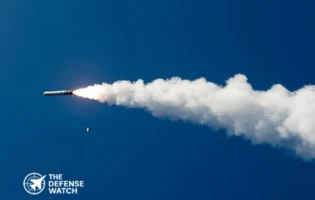
According to U.S. Central Command (CENTCOM), Iran launched seven ballistic missiles toward Kuwait and Bahrain after four Iranian attack drones were detected heading toward the Strait of Hormuz. U.S. forces successfully intercepted six of the ballistic missiles, while a seventh failed to reach its intended target. The drones were also destroyed before they could threaten maritime traffic.
CENTCOM stated that there were no reported injuries among U.S. personnel during the engagement and rejected Iranian claims that the headquarters of the U.S. Fifth Fleet in Bahrain had been damaged.
(adsbygoogle = window.adsbygoogle || []).push({});Maritime Security Remains Central To Regional Stability
The Strait of Hormuz remains one of the world’s most important maritime chokepoints, carrying a significant share of global energy shipments. Any threat to shipping traffic through the narrow waterway immediately attracts international attention due to its impact on global energy markets and regional security.
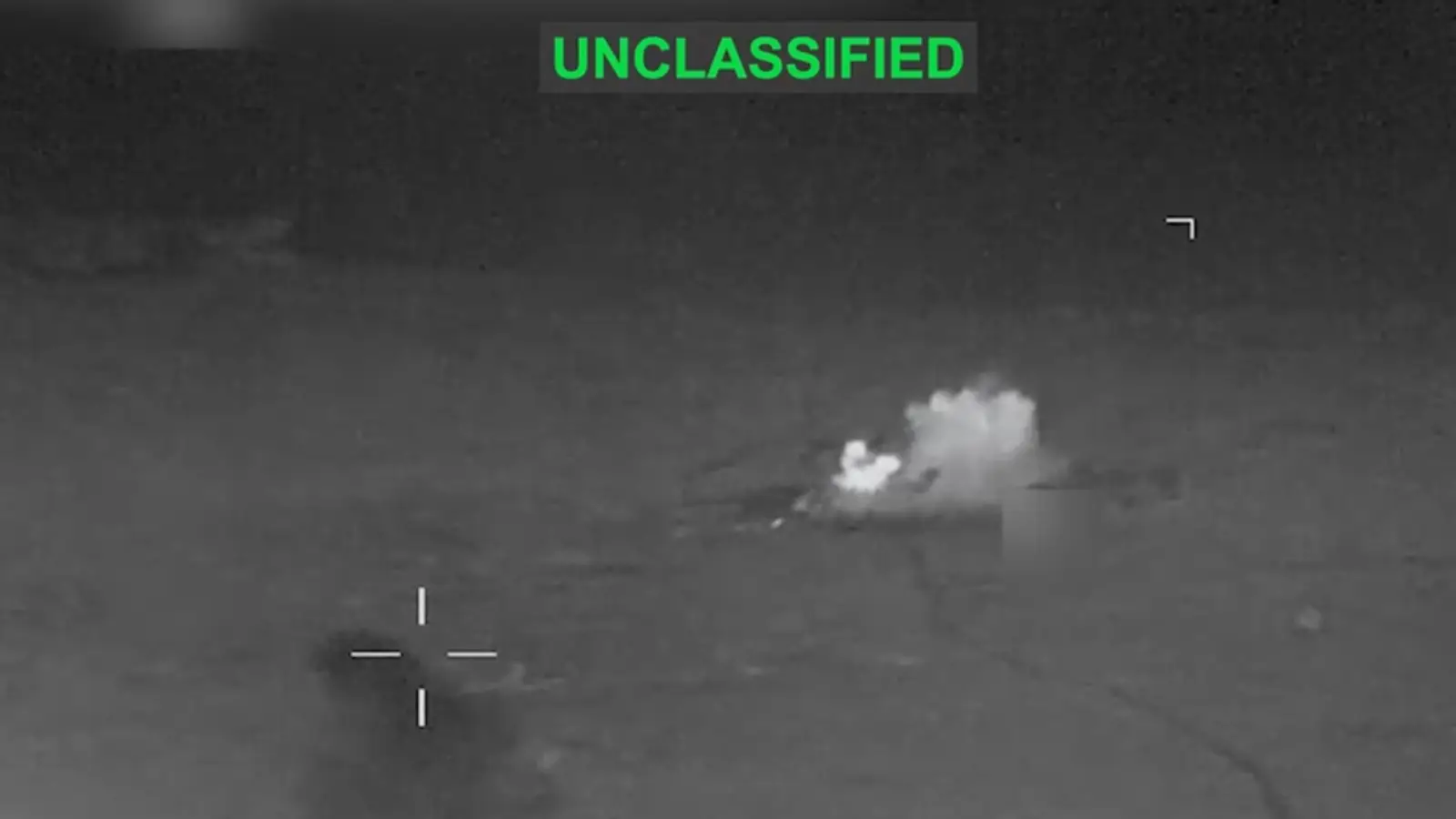
According to CENTCOM, the Iranian drones posed an immediate threat to maritime traffic operating near the Strait of Hormuz. Following the interceptions, U.S. forces conducted strikes against Iranian coastal surveillance radar sites located in Goruk and on Qeshm Island. The military said the action was intended to prevent further attacks against maritime targets.
The engagement demonstrates how maritime security and air defense operations have become increasingly interconnected in the Gulf region. Modern military planners must simultaneously protect naval assets, commercial shipping, military bases, and regional partners from a growing mix of missile and drone threats.
(adsbygoogle = window.adsbygoogle || []).push({});Missile Defense Networks Under Real World Pressure
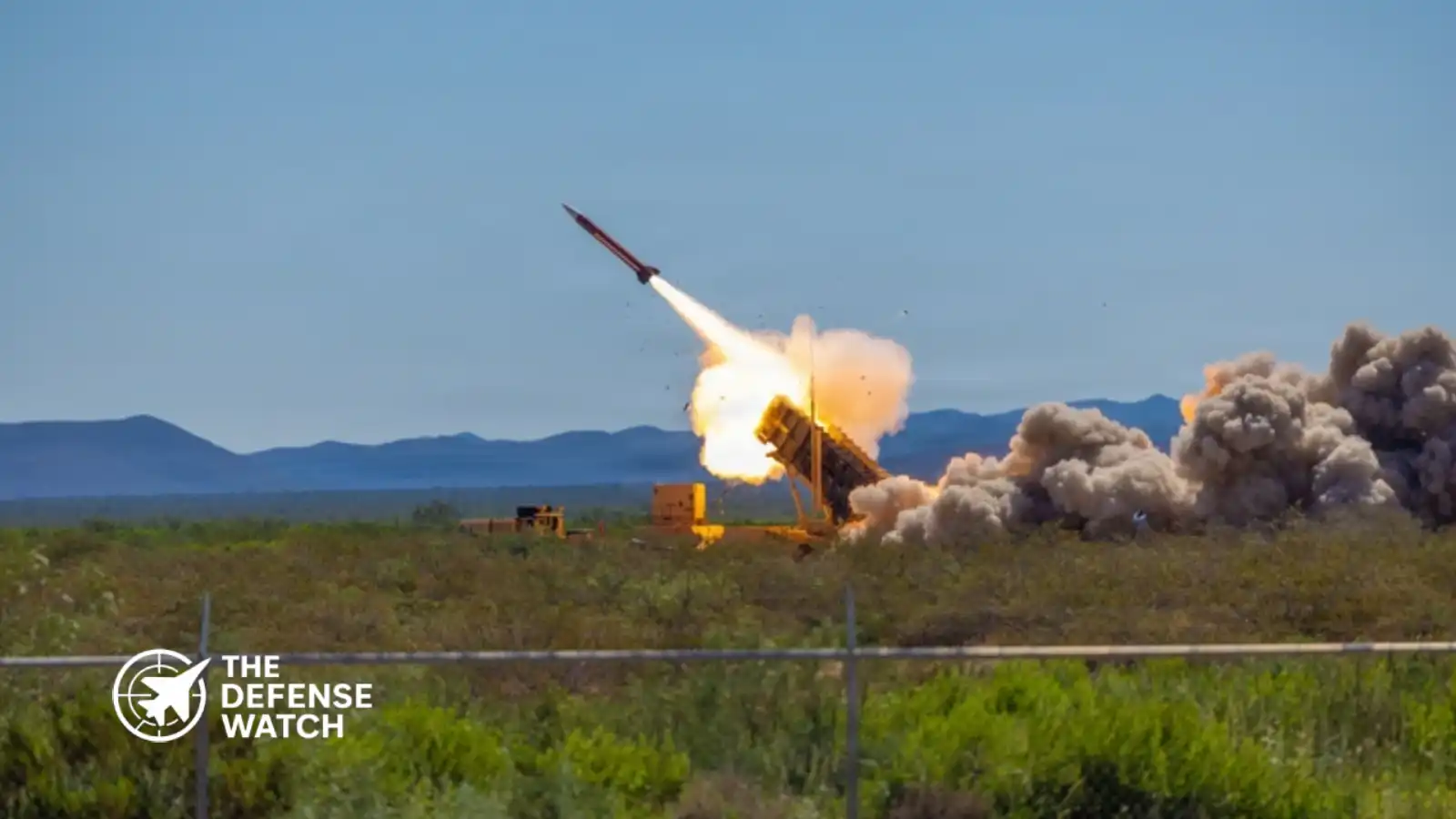
The successful interception of six ballistic missiles highlights the operational importance of layered missile defense systems deployed across the Gulf.
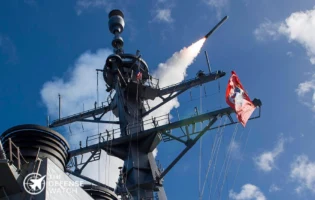
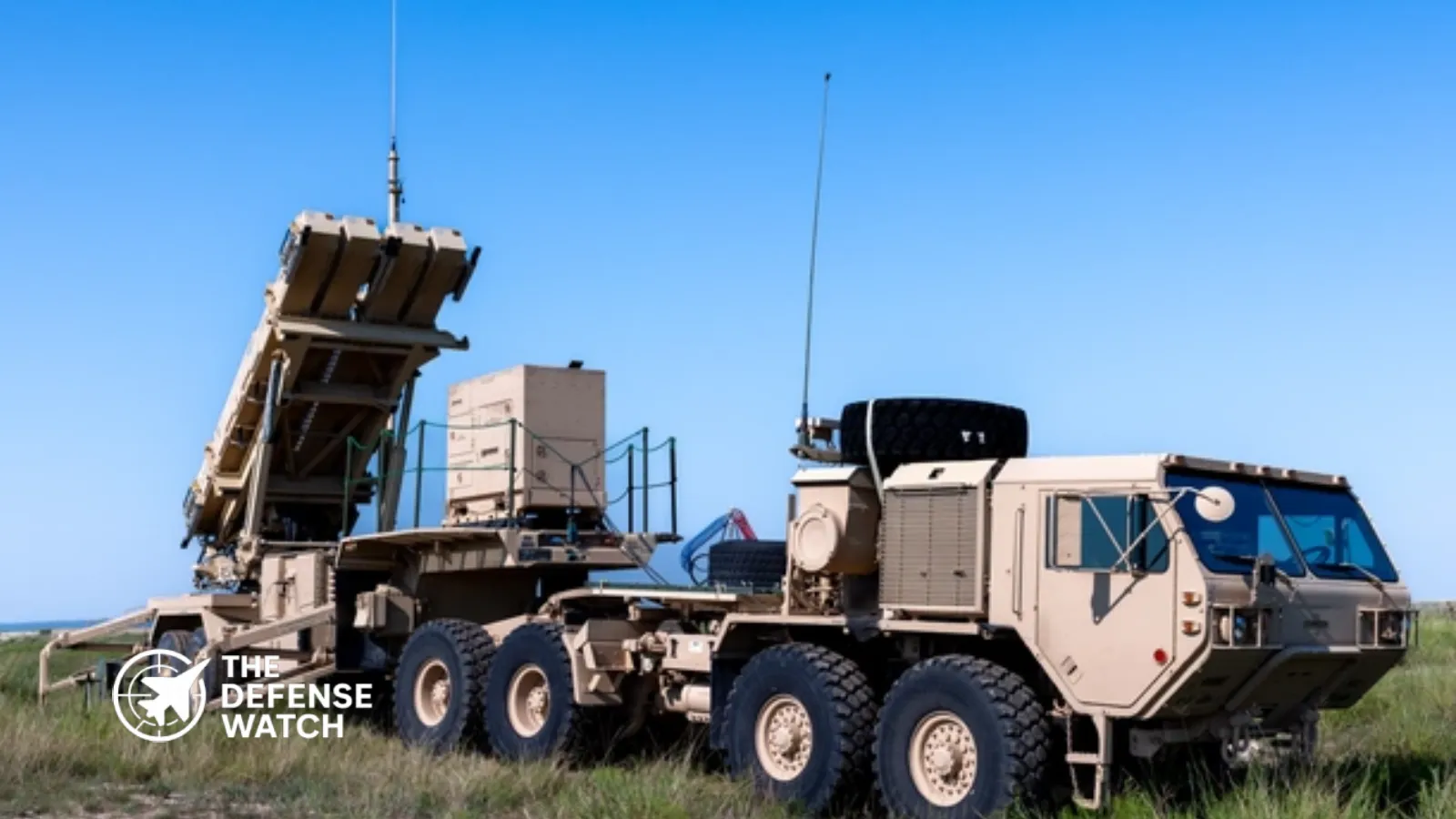
While CENTCOM did not publicly identify the specific interceptor systems used during the engagement, U.S. and partner forces in the region operate a combination of advanced missile defense capabilities that include Patriot and Terminal High Altitude Area Defense (THAAD) systems, supported by extensive radar and command networks.
The event also reflects a broader trend in modern warfare. Military forces increasingly face simultaneous attacks involving ballistic missiles, cruise missiles, and unmanned aerial systems. Defending against these mixed threat environments requires rapid sensor fusion, integrated command and control, and sufficient interceptor inventories.
From a military modernization perspective, the operation serves as another real world example of why air and missile defense remains one of the Pentagon’s highest investment priorities.
(adsbygoogle = window.adsbygoogle || []).push({});Strategic Implications For The United States And Gulf Partners
The interception operation carries significance beyond the immediate tactical success.
First, it demonstrates the continued U.S. commitment to defending partner nations such as Kuwait and Bahrain. Second, it reinforces the role of forward deployed American forces in maintaining freedom of navigation through critical maritime routes.
The incident also underscores how fragile regional stability remains despite ongoing diplomatic efforts. Recent exchanges involving missile launches, drone attacks, and retaliatory strikes have increased concerns about escalation across the wider Middle East.
For defense planners, the event highlights the persistent challenge posed by increasingly accessible missile and drone technologies. Even limited attacks can force defenders to employ sophisticated and expensive interception systems, creating long term operational and logistical considerations.
(adsbygoogle = window.adsbygoogle || []).push({});Growing Importance Of Integrated Air And Missile Defense
The U.S. forces intercepting six Iranian ballistic missiles demonstrates the value of integrated regional defense architecture developed over the past two decades.
As missile and drone threats continue to evolve, Gulf security increasingly depends on shared early warning systems, networked sensors, and coordinated responses among U.S. and partner forces.
The latest engagement near the Strait of Hormuz reinforces a key strategic lesson emerging from conflicts across multiple regions: air and missile defense is no longer a supporting capability. It has become a central requirement for protecting military forces, critical infrastructure, and international commerce.