Executive Summary:
Israel and Iran exchanged direct missile strikes for the first time since an April ceasefire, marking a significant escalation in regional tensions. The fighting followed an Israeli strike on Hezbollah infrastructure in Beirut and subsequent Iranian ballistic missile attacks on northern Israel. While both sides later indicated a willingness to pause operations, the fragile situation highlights the continued risk of broader conflict across the Middle East.
Israel-Iran Missile Exchanges Shatter April Ceasefire
The latest Israel-Iran missile exchanges have effectively ended a ceasefire that had largely held since April, reopening one of the Middle East’s most dangerous flashpoints.
The escalation began on Sunday when the Israel Defense Forces (IDF) conducted an airstrike against Hezbollah command infrastructure in Beirut’s Dahiyeh district. Lebanese authorities reported at least two fatalities and eleven injuries following the attack.
Israeli officials stated that the targeted facility was being used by Hezbollah to coordinate operations against Israeli territory. The strike occurred amid growing tensions after Iranian officials publicly warned that attacks against Hezbollah positions in Beirut would trigger a response.
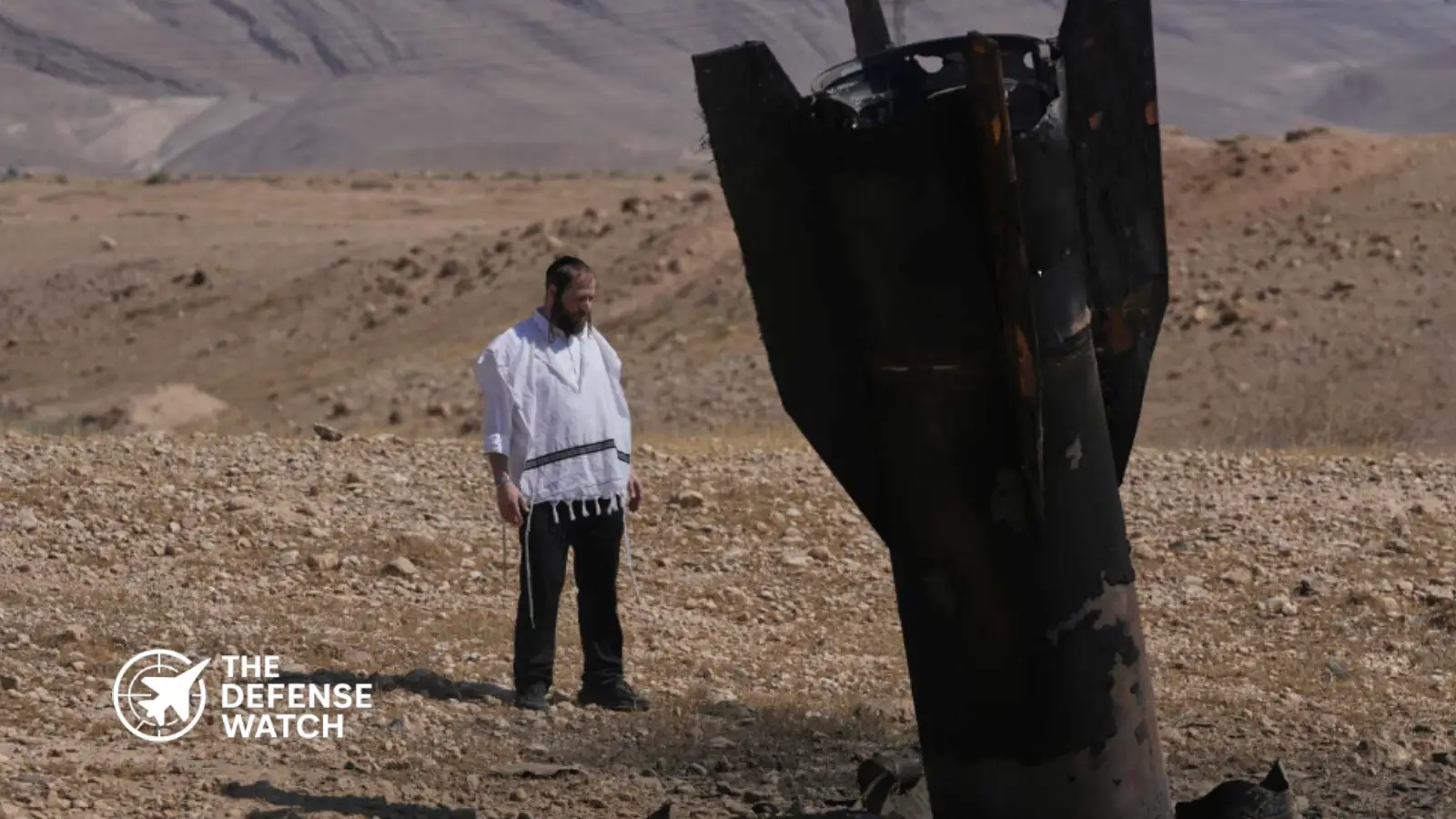
Within hours, Iran’s Islamic Revolutionary Guard Corps (IRGC) launched ballistic missiles toward northern Israel, targeting the strategically important Ramat David Airbase. The attack marked Tehran’s first direct missile strike against Israel since the April ceasefire agreement.
Israeli Response Targets Iranian Military Infrastructure
Israel responded overnight with a broad air campaign against military targets across Iran.
According to the IDF, Israeli aircraft struck air defense systems and other military infrastructure in central and western Iran. Explosions were reported in several major Iranian cities, including Tehran, Tabriz, and Isfahan.
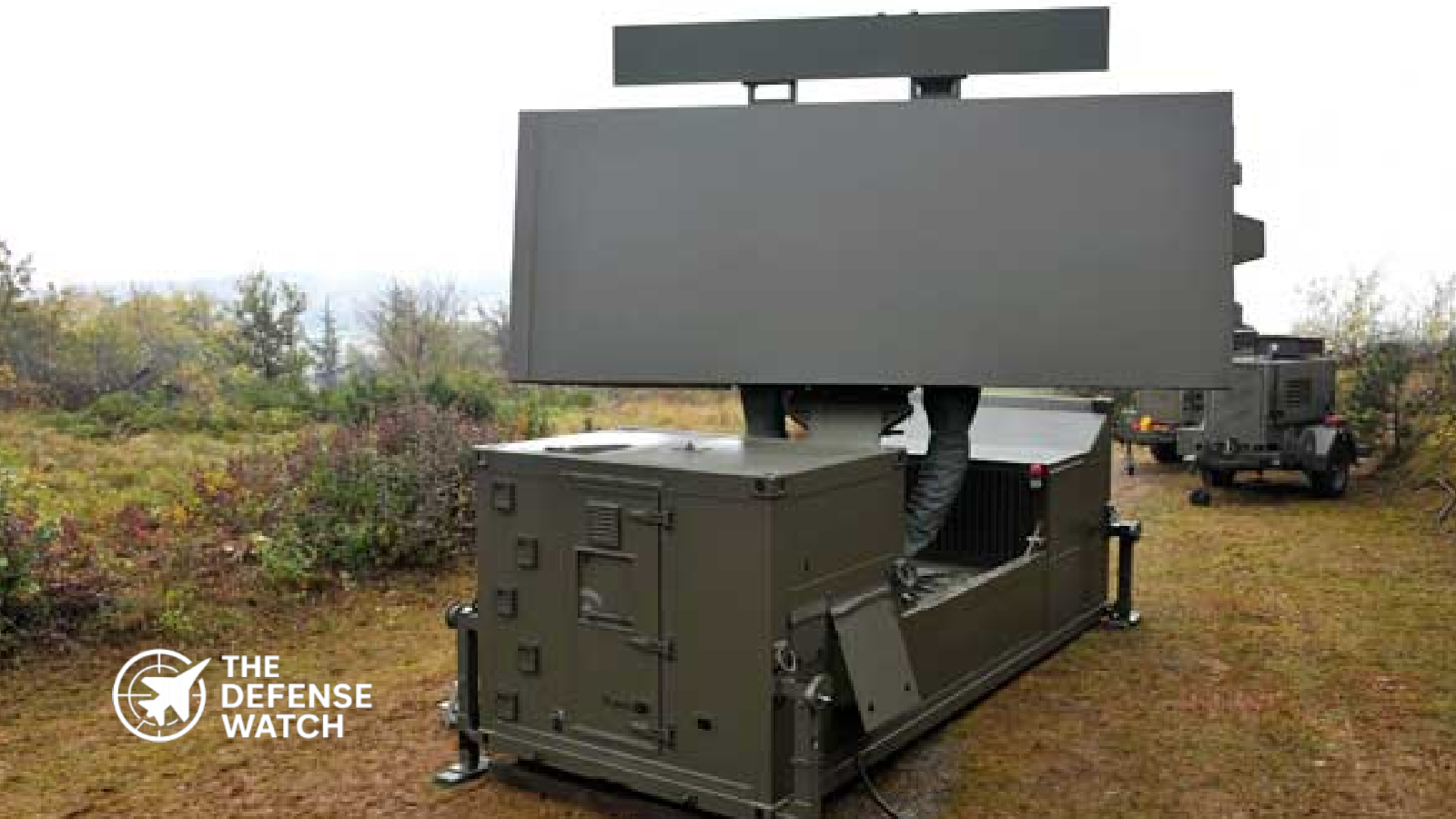
The operation demonstrated Israel’s continued emphasis on suppressing Iranian air defense networks before they can challenge future military operations. Such strikes reflect a longstanding Israeli strategy aimed at preserving freedom of action across the region.
Military analysts note that targeting integrated air defense systems is often a priority during escalation cycles because it can reduce an adversary’s ability to defend strategic assets and military facilities.
Iran Launches Additional Missile Barrages
Iran responded again on Monday morning with additional missile launches toward Israel.
The renewed attacks were accompanied by a missile launch from Yemen’s Houthi movement targeting the Tel Aviv area, underscoring the increasingly interconnected nature of regional security challenges facing Israel.
The IDF reported that all incoming missiles launched from Iran and Yemen were intercepted by Israeli air and missile defense systems.
Israeli defense officials said no major military installations were damaged. However, missile fragments reportedly struck several residential structures in a settlement located in the West Bank.
The successful interceptions highlighted the continued operational role of Israel’s multilayered missile defense architecture, which includes systems designed to counter short-range rockets, cruise missiles, and ballistic missile threats.
Petrochemical Facilities Among Targets
Israeli operations also expanded beyond traditional military infrastructure.
Iranian media outlets, including Fars News Agency, confirmed that petrochemical facilities in the Mahshahr region of southwestern Iran sustained partial damage following Israeli strikes.
Among the affected sites was the Karun Mahshahr Petrochemical Company, a facility linked to Iran’s broader industrial and energy sectors.
While the reported damage appeared limited, attacks on industrial infrastructure can carry strategic implications. Such facilities often support national economic resilience and, in some cases, provide dual-use capabilities that can contribute indirectly to military logistics and wartime production.
Why The Latest Escalation Matters
The collapse of the April ceasefire demonstrates how quickly localized incidents can trigger direct confrontation between Israel and Iran.
Unlike previous periods when hostilities were often conducted through proxies, recent events involved direct missile attacks by both countries. This represents a more dangerous phase of confrontation because it reduces political and military buffers that can help prevent rapid escalation.
The involvement of Hezbollah-linked infrastructure in Lebanon and missile launches from Yemen also highlights the increasingly regional nature of the conflict environment. Security developments in Lebanon, Syria, Iraq, Yemen, and Iran remain closely interconnected.
For regional militaries and defense planners, the latest crisis underscores the growing importance of integrated air and missile defense systems, long-range precision strike capabilities, and intelligence-driven targeting operations.
Fragile Pause Emerges
By Monday afternoon, officials on both sides signaled a willingness to halt further attacks.
However, neither Israel nor Iran indicated that underlying security concerns had been resolved. Instead, both governments outlined conditions under which military operations could resume.
As a result, the current pause appears less like a formal ceasefire and more like a temporary de-escalation designed to prevent immediate expansion of the conflict.
Whether the calm holds will depend largely on developments involving Hezbollah, Iranian regional partners, and future Israeli military operations.
Conclusion
The latest Israel-Iran missile exchanges mark one of the most significant direct confrontations between the two adversaries since the April ceasefire. Although both sides have temporarily stepped back from further attacks, the underlying drivers of tension remain unchanged.
For defense observers, the episode highlights the evolving role of missile warfare, integrated air defense systems, and regional proxy networks in shaping Middle Eastern security dynamics. The coming days will determine whether the current pause becomes a pathway to renewed stability or merely an intermission before another round of escalation.