Executive Summary:
In a sharp escalation, Iran’s Islamic Revolutionary Guard Corps (IRGC) announced attacks on U.S. military sites in Jordan, Bahrain, and Kuwait following U.S. strikes on Iranian targets near the Strait of Hormuz. The exchanges stem from an incident involving a downed U.S. Apache helicopter. U.S. Central Command indicated most incoming threats were intercepted, with no confirmed major casualties or damage reported. The incidents highlight ongoing volatility in the region despite prior ceasefire efforts.
Iran targeted U.S. bases in Jordan and the Gulf region after President Donald Trump ordered strikes near the Strait of Hormuz, marking another cycle of direct confrontation between Tehran and Washington. The developments unfolded rapidly on June 10, 2026, underscoring persistent risks to regional stability and global energy security.
Background to the Escalation
The latest round began with the downing of a U.S. Apache helicopter near the Strait of Hormuz on June 9. U.S. officials blamed Iranian forces, prompting retaliatory strikes on Iranian radar sites and air defenses. Iran’s IRGC responded by claiming multiple attacks using ballistic missiles and drones against U.S. installations.
Key targets reportedly included the al-Azraq Air Base in Jordan, facilities associated with the U.S. Fifth Fleet in Bahrain, and sites in Kuwait. Iranian state media and the IRGC described the operations as precise retaliation for “U.S. aggression.”
U.S. and Allied Response
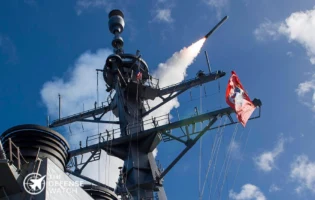
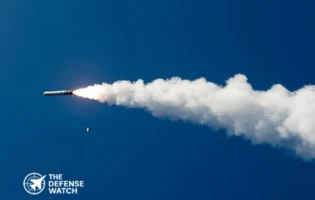
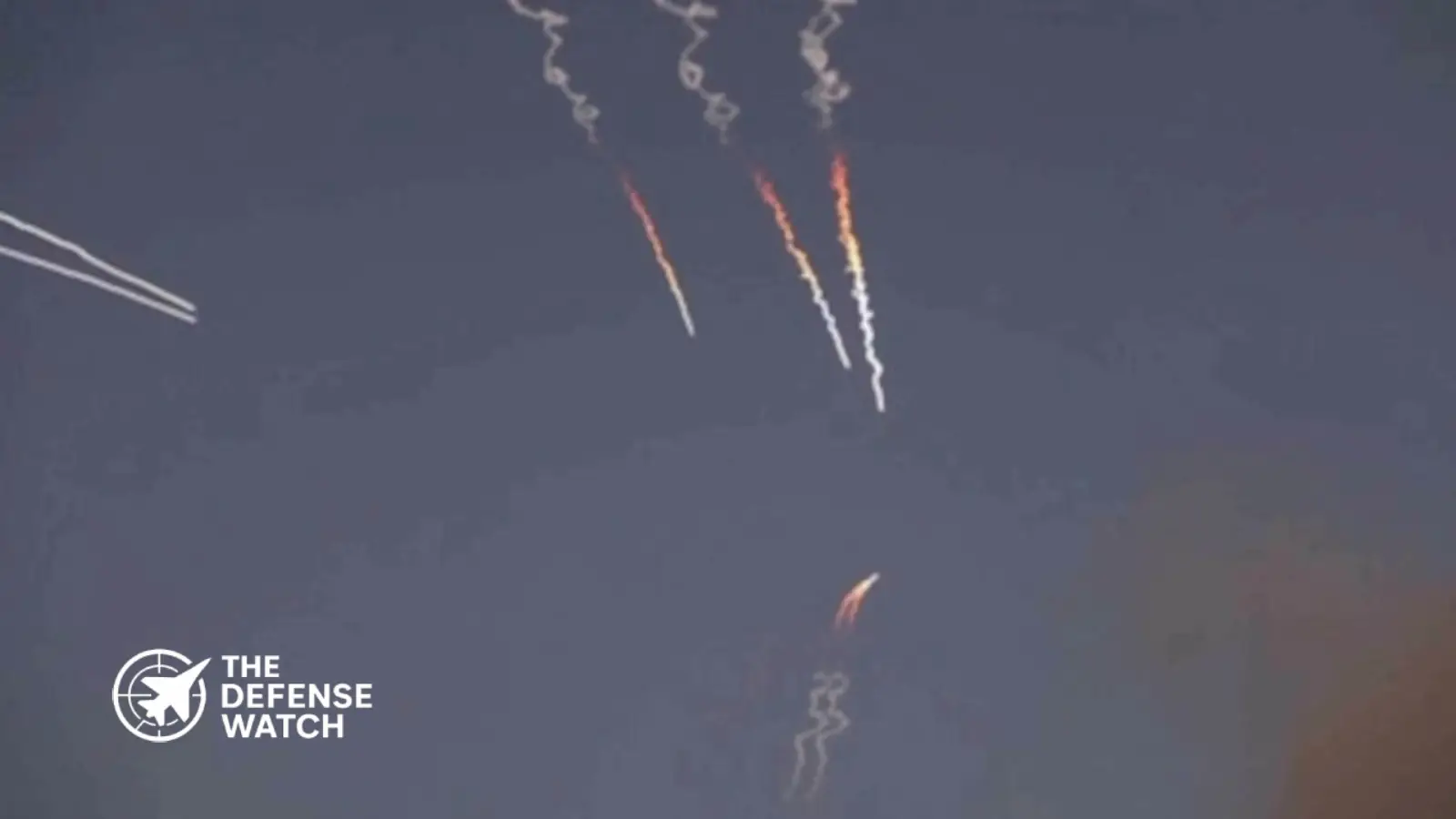
U.S. Central Command and regional partners activated air defenses across multiple locations. Officials stated that the majority of incoming missiles and drones were successfully intercepted by systems including Patriot batteries and other layered defenses. Damage assessments are ongoing, but initial reports indicate limited impact.
No immediate U.S. casualties were confirmed in the retaliatory strikes. Bahrain activated warning sirens, reflecting heightened alert status in Gulf Cooperation Council states hosting U.S. forces.
Strategic Context: Strait of Hormuz and Broader Conflict
The Strait of Hormuz remains a critical chokepoint for global oil shipments, with roughly 20% of the world’s petroleum passing through it. Previous U.S. and allied operations aimed at securing navigation amid the 2026 Iran-related tensions, including naval blockades and escort missions.
This incident occurs against a backdrop of extended military operations involving U.S. and Israeli forces targeting Iranian nuclear and missile infrastructure earlier in 2026. Ceasefire negotiations have been fragile, with intermittent flare-ups threatening broader de-escalation.
Military Capabilities in Play
Iran has demonstrated improved long-range strike options, including ballistic missiles capable of reaching U.S. bases in the region. The IRGC’s aerospace forces have increasingly integrated drones with missile salvos to overwhelm defenses.
U.S. forces rely on advanced integrated air and missile defense networks, forward-deployed assets, and rapid response capabilities from carrier strike groups and land-based aviation. The al-Azraq base in Jordan, for instance, supports a range of U.S. and coalition aircraft operations, including F-35 deployments in some reports.
Analysis
The pattern of tit-for-tat strikes reveals a calibrated approach by both sides to avoid full-scale war while signaling resolve. Iran’s choice of dispersed targets across Jordan and the Gulf tests the interoperability of U.S. and partner air defenses without directly striking major population centers or oil infrastructure—likely a deliberate effort to manage escalation thresholds. For the U.S., limited strikes near Hormuz emphasize freedom of navigation principles central to its maritime strategy, but repeated incidents strain diplomatic bandwidth needed for any sustainable ceasefire.
From a defense technology perspective, the effectiveness of intercepts highlights maturing counter-drone and missile defense architectures, yet the volume of threats employed by Iran suggests ongoing challenges in saturation attacks. This dynamic accelerates modernization priorities for U.S. Central Command, including enhanced electronic warfare, directed energy systems, and resilient basing concepts. Long-term, such exchanges risk normalizing direct Iran-U.S. kinetic engagements, complicating alliances and potentially driving higher defense spending across Gulf partners.
Geopolitically, the events complicate efforts to stabilize energy markets and could influence broader U.S. posture in the Indo-Pacific if resources are diverted. Jordan’s role as a key partner hosting significant U.S. assets further elevates its strategic importance in containing spillover from Persian Gulf tensions.
Implications for Regional Security
Gulf states face immediate pressure to bolster defenses while navigating relations with both Washington and Tehran. The activation of alerts in Bahrain and reports from Kuwait illustrate the interconnected nature of basing arrangements.
Defense analysts note that while no major escalation to open conflict has occurred, the frequency of such incidents erodes the fragile status quo established in prior months. Monitoring of Iranian proxy activities and maritime disruptions will likely intensify.
Looking Ahead
U.S. officials have not detailed further retaliatory plans, emphasizing de-escalation where possible. Diplomatic channels, including potential backchannel communications, remain active amid the exchanges. The situation continues to evolve, with global markets watching closely for impacts on energy prices and shipping routes.
Feature Image Suggestion: High-resolution aerial or stock photo of U.S. military assets in the Middle East (e.g., F-35 at a desert base or naval vessels near Hormuz) with defensive missile launch overlay. Ensure professional, non-sensational imagery.