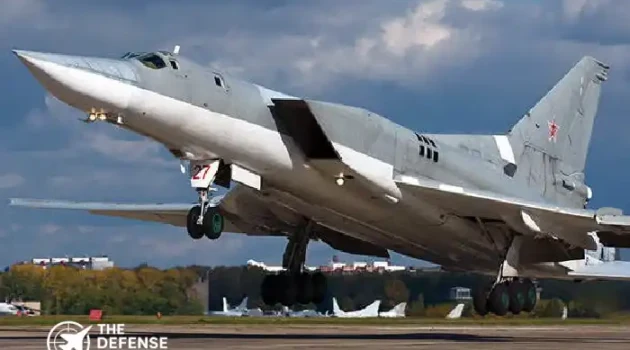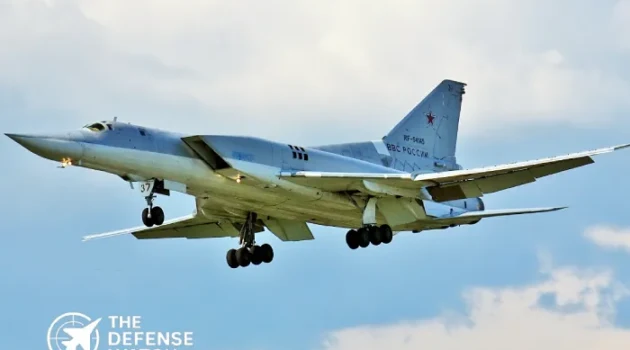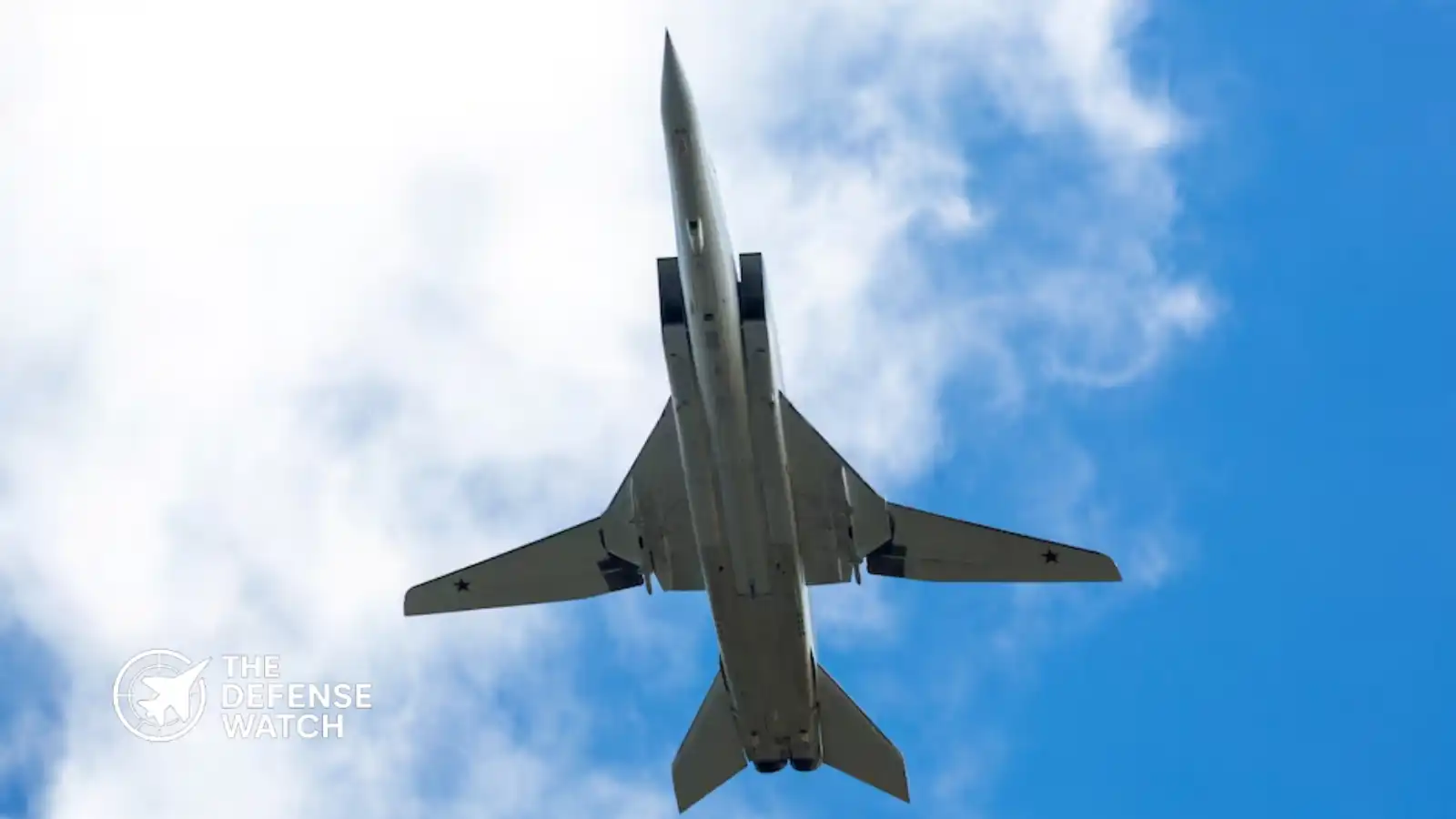
A Russian Tu-22M3 long range bomber crashed during a training exercise in Siberia, highlighting continued operational challenges for Moscow’s aging strategic aviation fleet.
(adsbygoogle = window.adsbygoogle || []).push({});Executive Summary:
A Russian Tu-22M3 strategic bomber crashed in Siberia’s Irkutsk region on June 15 during a training flight. All four crew members ejected safely and survived. The incident comes as Russia continues to rely on its aging long range bomber fleet for both conventional and strategic missions.
Russian Tu-22M3 Strategic Bomber Crashes In Siberia
A Russian Tu-22M3 strategic bomber crashed during a training flight in Siberia on June 15, according to Russia’s Ministry of Defense. The aircraft went down in the Irkutsk region near the village of Kamenka, while all four crew members successfully ejected before impact. Officials reported no fatalities and no significant damage on the ground.
The Tu-22M3, known by NATO as the Backfire, is a long range supersonic bomber that remains an important component of Russia’s strategic aviation force. The aircraft has been employed in combat operations in both Syria and Ukraine and is capable of carrying long range cruise missiles as well as air launched hypersonic weapons.
According to Russian authorities, the bomber was not carrying a combat payload at the time of the accident. Emergency responders and medical personnel were dispatched to the crash site shortly after the aircraft went down.
Preliminary Cause Points To Engine Failure
Russian officials indicated that a technical malfunction, specifically a possible engine failure, is the leading explanation for the crash. Governor Igor Kobzev of the Irkutsk region stated that preliminary assessments suggest the aircraft suffered an engine related issue before impact.
Videos circulating on social media, which Reuters noted could not be independently verified, appeared to show the aircraft descending rapidly before crashing into a wooded area near the Angara River and generating a large plume of smoke.
A commission from Russia’s Aerospace Forces has reportedly been assigned to investigate the incident and determine the exact cause of the loss.
Why The Tu-22M3 Matters
The Tu-22M3 remains one of Russia’s primary long range strike platforms. Developed during the Soviet era and modernized over time, the aircraft is designed to conduct maritime strike operations and long range attacks against land targets.
The bomber can carry Kh-22 and Kh-32 cruise missiles and has also been associated with the deployment of the air launched Kinzhal hypersonic missile. Its combination of range, speed, and payload capacity has made it a significant asset within Russia’s long range aviation force.
(adsbygoogle = window.adsbygoogle || []).push({});Although newer strategic systems are under development, the Tu-22M3 continues to perform operational missions because no direct replacement currently exists in large numbers. This reality increases the importance of maintaining the existing fleet despite its age.
Strategic Implications For Russian Aviation
While the crash occurred during a routine training mission and was not linked to combat operations, it underscores the challenges associated with sustaining aging military aircraft fleets.
The Tu-22M3 fleet traces its origins to the Soviet period, and production ended decades ago. As a result, each aircraft represents a valuable strategic asset that cannot be rapidly replaced. Recent assessments by defense analysts have also highlighted the difficulty Russia faces in modernizing and replenishing portions of its long range bomber inventory.
From an operational perspective, training missions remain essential for maintaining aircrew proficiency and readiness. However, incidents involving strategic aircraft attract attention because of the limited number of bombers available and their role in Russia’s broader military posture.
The latest crash is unlikely to significantly alter Russia’s overall strategic deterrent capability. Nevertheless, it highlights the ongoing maintenance, modernization, and readiness challenges facing legacy bomber fleets across the world, particularly those operating aircraft designed during the Cold War era.
(adsbygoogle = window.adsbygoogle || []).push({});Outlook
Russian investigators are expected to release additional findings once the official inquiry is completed. For now, authorities maintain that the crew survived the accident and that engine failure remains the most likely cause.
The incident serves as another reminder of the operational risks inherent in military aviation, even during peacetime training activities, and draws renewed attention to the future of Russia’s long range bomber force.