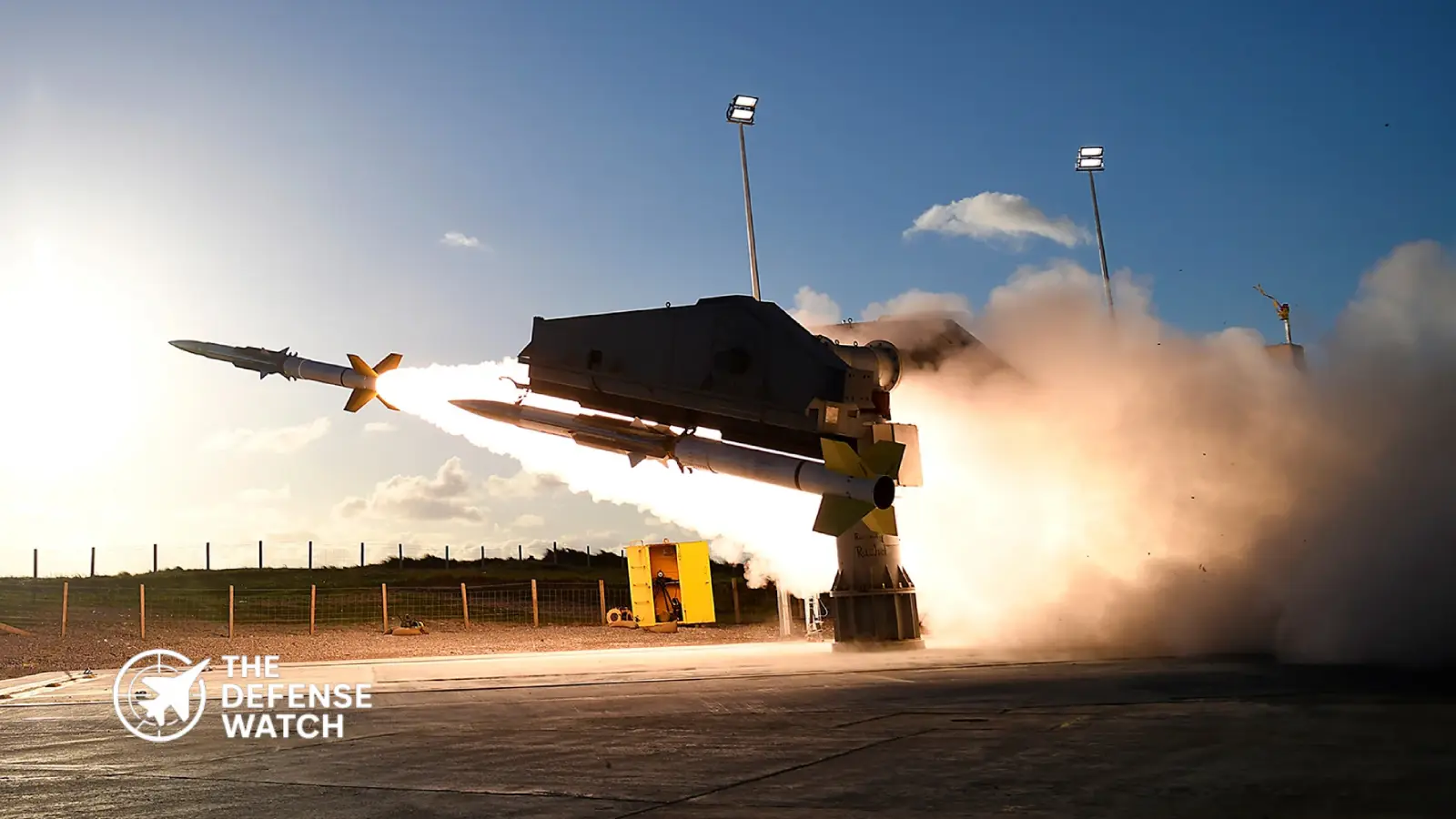
(adsbygoogle = window.adsbygoogle || []).push({});Executive Summary: Northrop Grumman has secured a nearly $100 million U.S. Navy contract to continue supporting the GQM-163A aerial target program through 2031. The award ensures the availability of one of the Navy’s most important supersonic threat-representative targets used for missile defense testing, fleet training, and weapons evaluation against advanced anti-ship missile threats.
According to a contract announcement issued by the U.S. Department of Defense, the Naval Air Warfare Center Weapons Division (NAWCWD) at Point Mugu, California, has awarded Northrop Grumman Systems Corp. a $99.96 million indefinite-delivery/indefinite-quantity (IDIQ) contract supporting GQM-163A aerial target operations and technical services.
The award covers production and delivery of flight trajectories and technical data packages associated with GQM-163A launches, as well as target preparation, launcher loading, operations, and maintenance support for the Navy’s Pacific Target Marine Operations Division. The contract runs through May 2031.
Deep Technical & Strategic Context Analysis
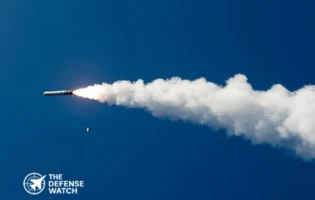
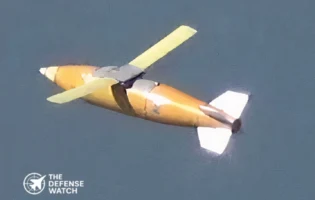
The GQM-163A Coyote remains one of the most important aerial target systems in the U.S. military’s missile defense testing architecture. Designed to replicate high-speed sea-skimming anti-ship cruise missiles, the target enables naval forces to evaluate the performance of shipboard air defense systems under realistic operational conditions. Unlike subsonic target drones, the Coyote can simulate advanced supersonic threats approaching warships at extremely low altitudes, stressing radar detection, fire-control, and interceptor engagement timelines.
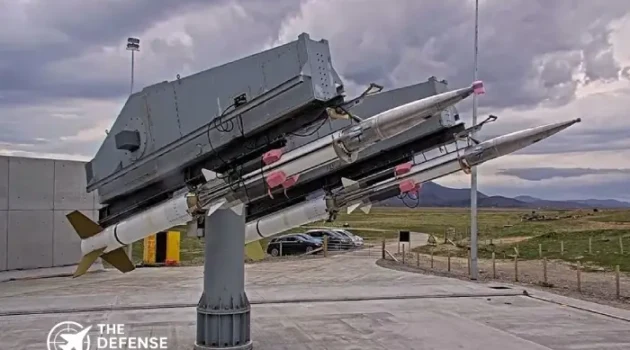
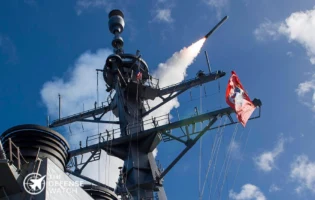
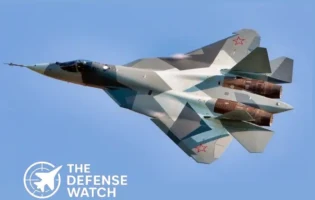
The platform has become increasingly relevant as the United States and allied navies face a rapidly expanding inventory of anti-ship missiles fielded by near-peer competitors. Modern weapons such as Russia’s P-800 Oniks and 3M55 Yakhont family, as well as China’s growing range of advanced anti-ship cruise missiles, have elevated demand for realistic target presentations that challenge defensive systems. The GQM-163A allows operators of the Aegis Combat System, Standard Missile interceptors, Evolved Sea Sparrow Missile (ESSM), and other naval air-defense networks to validate performance against representative high-speed attack profiles.
The contract structure also highlights the Navy’s long-term commitment to maintaining a specialized test infrastructure rather than procuring a fixed number of targets. As a cost-plus-fixed-fee and cost-reimbursable IDIQ arrangement, the government assumes much of the technical and operational risk associated with sustaining a unique capability. Under this model, Northrop Grumman is reimbursed for allowable program costs while receiving a predetermined fee, a common approach for highly specialized defense engineering efforts where future workload requirements may vary.
(adsbygoogle = window.adsbygoogle || []).push({});Contract Breakdown & Details
Scope of Work
Northrop Grumman will provide:
- Flight trajectory development for GQM-163A target missions
- Technical data packages supporting launch operations
- Target preparation and integration services
- Launcher loading operations
- Target maintenance and sustainment
- Launch support activities for Navy test and training events
- Operational support for the Pacific Target Marine Operations Division
Contract Value
- Contract Type: Cost-Plus-Fixed-Fee / Cost-Reimbursable IDIQ
- Total Ceiling Value: $99,959,797
- Awarding Authority: Naval Air Warfare Center Weapons Division (NAWCWD)
- Contract Number: N6893626D5002
- Completion Date: May 2031
- Competition Status: Not competitively awarded
Geographic Workshare Distribution
Work will be performed across multiple U.S. and international locations:
Location Share Chandler, Arizona 30% Point Mugu, California 27% Las Cruces, New Mexico 15% Wallops Island, Virginia 12% Barking Sands, Hawaii 6% Hebrides, Scotland, United Kingdom 6% Undisclosed Site, Israel 3% Indianapolis, Indiana 1% Funding Details
- No funding obligated at award
- Funding will be issued through individual task or delivery orders
- Requirements will be executed as operational testing and training events are scheduled
- Funding sources will vary depending on future Navy test and evaluation requirements
Why The Contract Matters
While relatively modest in value compared with major shipbuilding or missile procurement programs, the award supports a critical enabling capability within the U.S. Navy’s combat readiness ecosystem. Modern missile defense systems cannot be credibly validated without realistic threat surrogates capable of replicating the speed, altitude, and flight profiles of operational anti-ship weapons.
As Indo-Pacific security challenges continue to drive investment in integrated air and missile defense, maintaining access to advanced target systems such as the GQM-163A becomes increasingly important. The contract ensures the Navy can continue conducting high-fidelity testing of fleet defensive systems while providing operational forces with realistic training against some of the most stressing missile threats likely to be encountered in future conflicts.