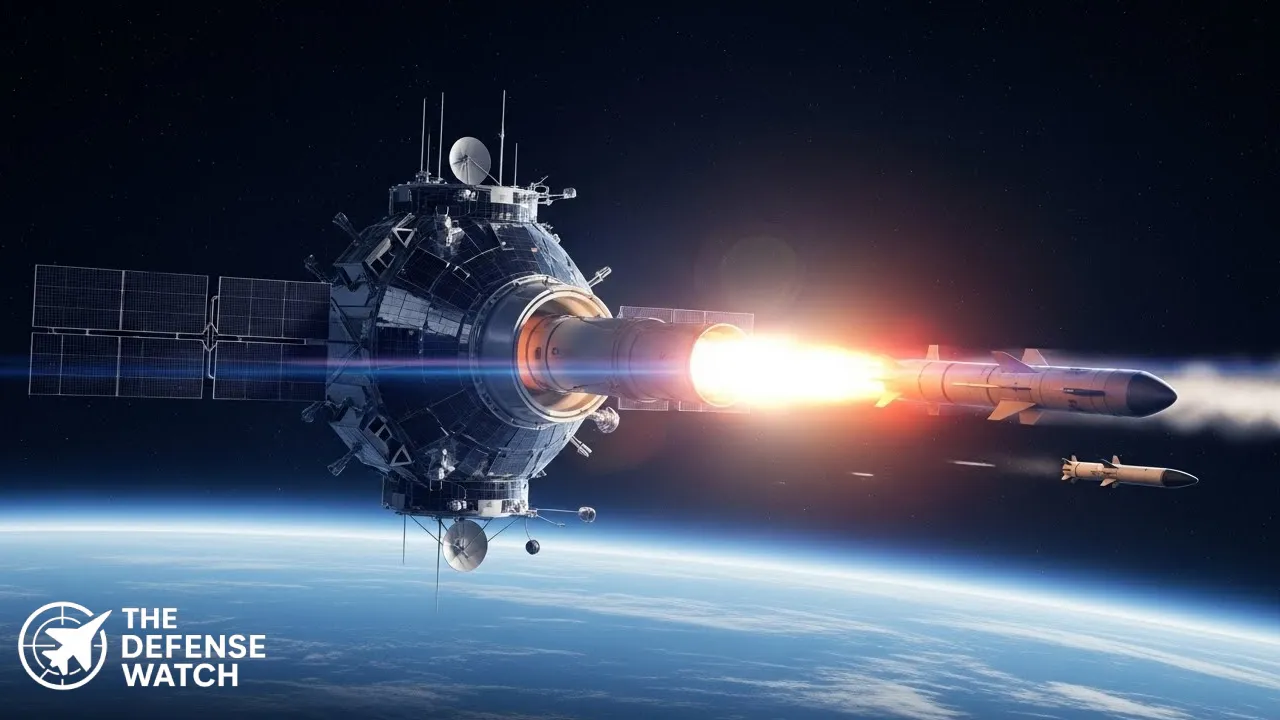
PAC-3 MSE Aegis Integration Signals New U.S. Navy Air Defense Option
PAC-3 MSE Aegis integration is moving forward after Lockheed Martin announced on April 21 that it received a U.S. Navy contract to connect the Patriot Advanced Capability-3 Missile Segment Enhancement interceptor with the Aegis Combat System. The award represents a notable shift in U.S. missile defense planning by linking a combat-proven land-based interceptor with one of the world’s most widely deployed naval battle management systems.
- Lockheed Martin received a U.S. Navy contract to integrate PAC-3 MSE with the Aegis Combat System.
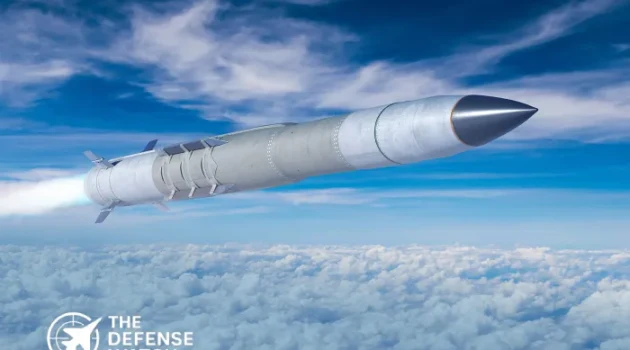
- PAC-3 MSE is a hit-to-kill interceptor designed to defeat cruise missiles, aircraft, and tactical ballistic missiles.
- The move could strengthen layered naval and expeditionary missile defense in contested regions.
- Integration marks the first known effort to pair PAC-3 MSE with Aegis.
- The program may open new options for future U.S. and allied force protection architectures.
The Big Picture
U.S. forces are adapting to a threat environment defined by larger missile salvos, lower-flying cruise missiles, maneuvering ballistic threats, and growing pressure in the Indo-Pacific, Europe, and the Middle East. Traditional single-layer defense models are becoming less effective against mixed attacks that combine drones, cruise missiles, and ballistic systems.
Aegis-equipped warships already provide long-range air and missile defense using SM-series interceptors. Patriot batteries protect land forces and fixed sites. Combining elements of both systems reflects a broader Pentagon push toward integrated air and missile defense, sensor sharing, and interceptor flexibility.
What’s Happening
Lockheed Martin said the U.S. Navy selected the company to integrate PAC-3 MSE into Aegis for the first time. The effort will allow Aegis to control and employ the interceptor through its existing command-and-control architecture.
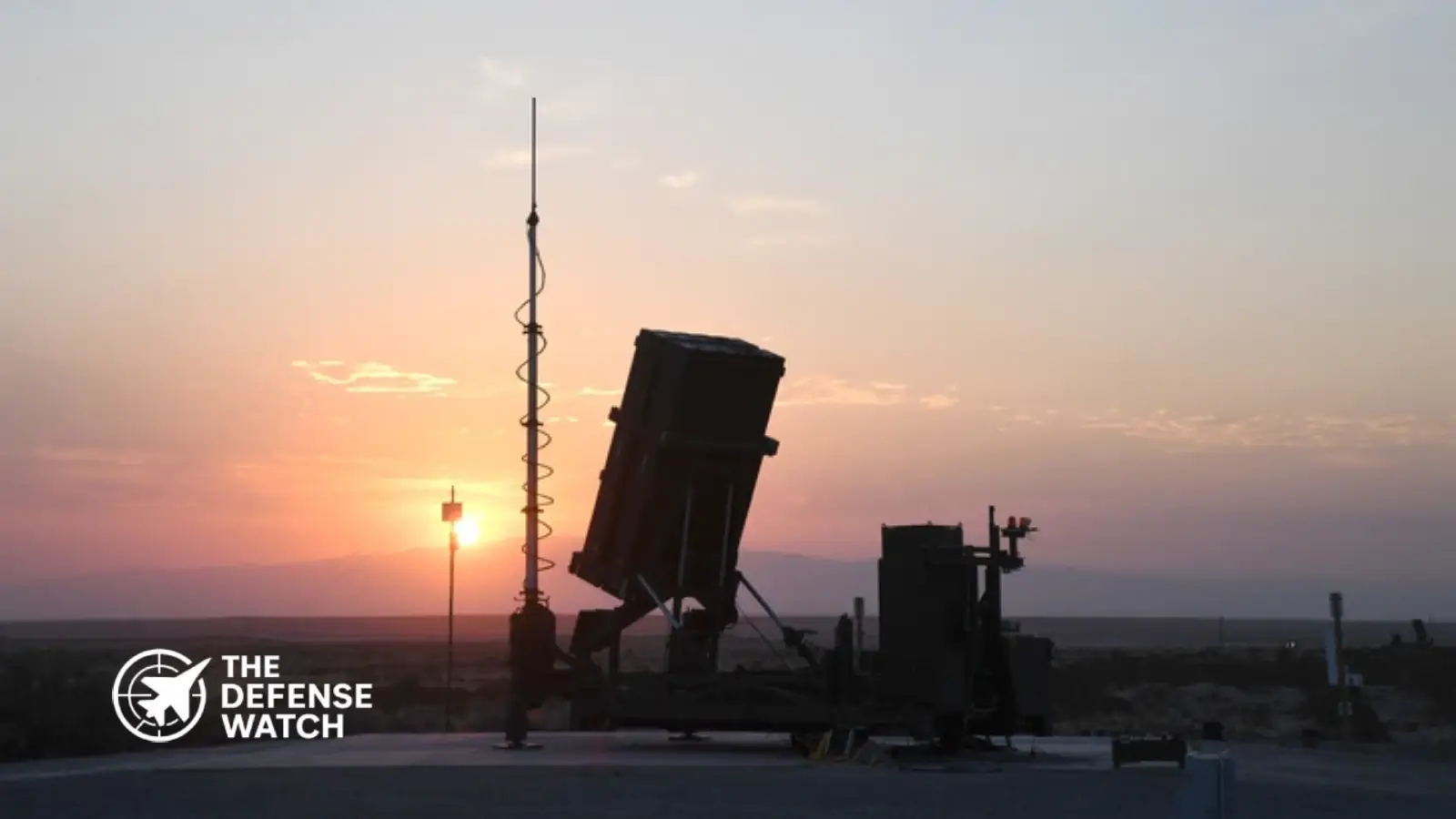
PAC-3 MSE is the latest Patriot family interceptor. It uses hit-to-kill technology, upgraded propulsion, and aerodynamic controls to improve reach, maneuverability, and lethality against incoming threats.
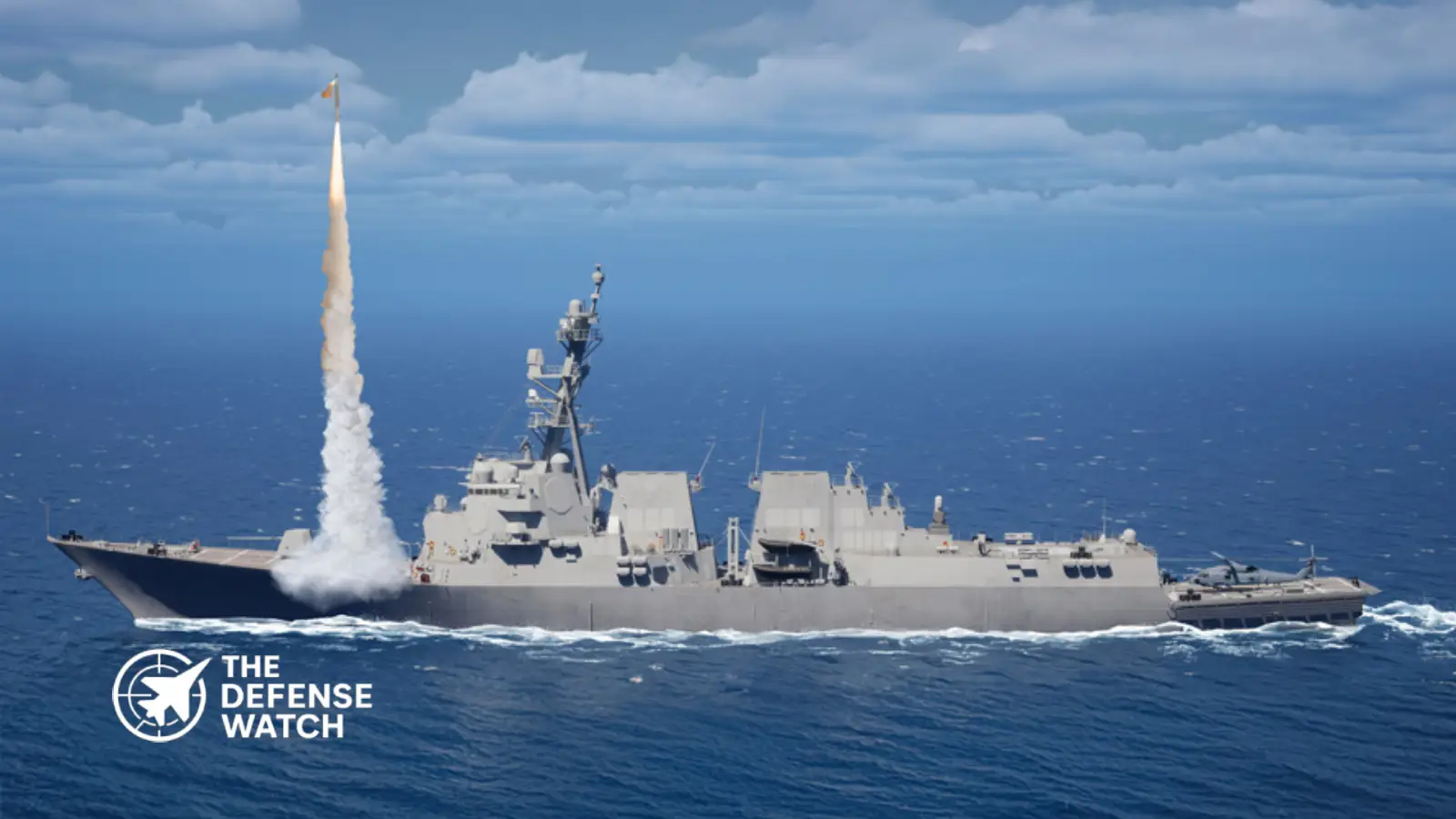
Aegis is deployed aboard U.S. Navy cruisers and destroyers, as well as Aegis Ashore sites and several allied fleets. The combat system is already central to U.S. and partner missile defense operations.
Why It Matters
This contract matters because interceptors are expensive, inventories are finite, and different threats require different tools. PAC-3 MSE Aegis integration could give commanders another engagement option between short-range point defense missiles and larger SM-family interceptors.
That flexibility may help preserve high-end interceptors for more demanding targets while using PAC-3 MSE where it offers a better cost-to-threat match.
It also reflects a shift toward software-defined combat systems. Modern missile defense increasingly depends on whether launchers, radars, and interceptors can communicate across platforms, not just on raw missile performance.
Strategic Implications
A layered naval defense network improves readiness in several ways.
First, forward-deployed ships could gain more engagement depth against saturation attacks.
Second, expeditionary forces ashore could benefit if naval and land batteries share common engagement logic.
Third, allied navies operating Aegis systems may eventually seek similar options, especially nations already invested in Patriot programs.
For the United States, this supports distributed operations where forces are spread across wider areas but remain linked through shared sensors and weapons.
Competitor View
China and Russia closely monitor U.S. integrated air and missile defense progress. Both states have invested heavily in complex strike systems designed to overwhelm defenses through speed, numbers, and trajectory diversity.
A successful PAC-3 MSE Aegis integration would suggest Washington is expanding not just missile inventories, but also the number of ways interceptors can be employed. That complicates adversary attack planning and can strengthen deterrence without deploying entirely new missile families.
Iran and regional actors may also note the trend, particularly after recent combat operations highlighted the importance of defending bases, ports, and naval assets from missile and drone attacks.
What To Watch Next
Key milestones will likely include:
- Software integration and systems engineering work
- Fire control validation between Aegis and PAC-3 MSE
- Live-fire testing against representative targets
- Decisions on launcher compatibility and deployment concepts
- Potential follow-on procurement by U.S. or allied users
The most important indicator will be whether the Navy pursues operational fielding after testing.
Capability Gap
Current missile defense networks often separate naval and land interceptors into different ecosystems. That can limit flexibility during fast-moving operations.
PAC-3 MSE Aegis integration aims to close that gap by enabling one command system to access more interceptors. Still, limitations remain. PAC-3 MSE was originally designed for Patriot architecture, so launcher adaptation, magazine capacity, and cost per round will influence operational value.
The Bottom Line
The contract shows the U.S. military is prioritizing adaptable layered defense networks that connect proven weapons across services rather than relying only on new standalone systems.