Executive Summary:
The U.S. Department of Defense has extended Lockheed Martin’s contract supporting the Guam Aegis Ashore missile defense system, reinforcing Washington’s broader Indo-Pacific defense posture. The effort is aimed at strengthening protection for critical U.S. military infrastructure on Guam against evolving regional missile threats.
Lockheed Martin Contract Reinforces Guam Missile Defense Network
The Guam Aegis Ashore missile defense system remains a central component of the United States’ evolving missile defense architecture in the Indo-Pacific region. The U.S. Department of Defense has extended Lockheed Martin’s contract tied to the development and integration of the Guam Defense System, according to reporting from European defense industry sources.
The contract extension supports continued engineering, integration, and system development work associated with the island’s layered missile defense network. Guam is considered strategically vital due to its role as a forward-operating hub for U.S. military forces across the Pacific.
The project is managed through the U.S. Missile Defense Agency (MDA) in coordination with the U.S. Navy and other defense stakeholders.
Guam’s Strategic Importance Continues To Grow
Guam has become increasingly important in U.S. defense planning as tensions continue to shape the Indo-Pacific security environment. The island hosts major American military facilities, including Andersen Air Force Base and Naval Base Guam, both considered critical logistical and operational nodes.
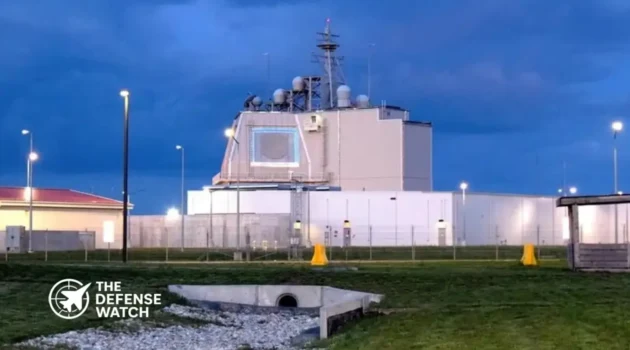
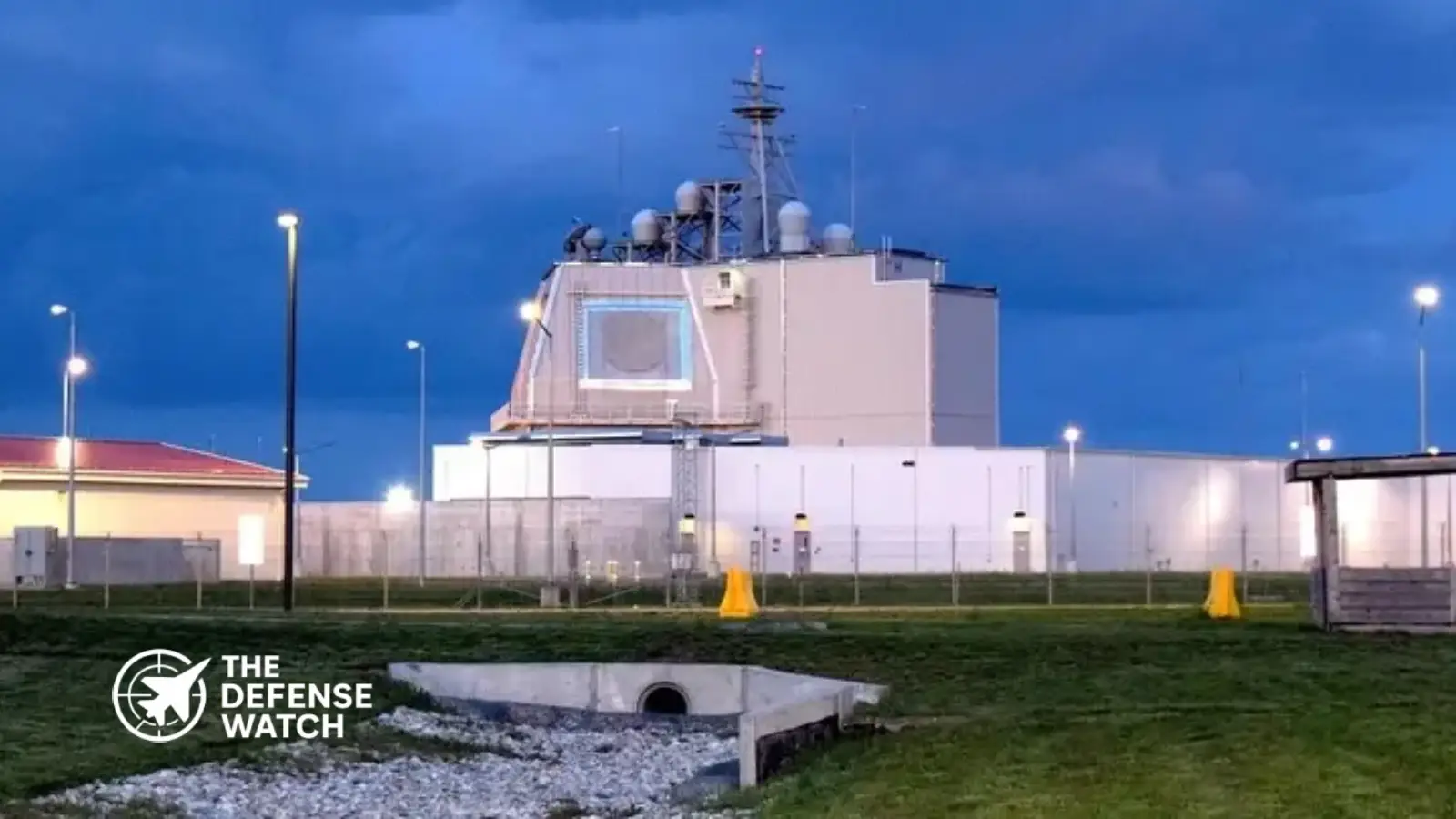
The Guam Aegis Ashore missile defense system is designed to provide persistent defense against ballistic, hypersonic, and cruise missile threats. The system is expected to integrate sensors, interceptors, command-and-control networks, and vertical launch systems into a layered defensive shield.
U.S. defense officials have repeatedly identified Guam as a potential target in any future high-end regional conflict scenario. As a result, protecting the territory has become a priority under broader American force posture initiatives in the Pacific.
Lockheed Martin’s Role In The Program
Lockheed Martin is responsible for core combat system integration work linked to the Guam defense effort. The company’s expertise with the Aegis combat system architecture positions it as a key industry partner for the project.
The extension reportedly covers continued software integration, system engineering, and operational support tied to the evolving Guam defense architecture. While full financial details were not publicly disclosed in the original reporting, the contract demonstrates continued Pentagon investment in regional missile defense modernization.
The Guam system is expected to leverage technologies derived from the U.S. Navy’s Aegis Ballistic Missile Defense ecosystem already deployed aboard destroyers and cruisers.
Layered Missile Defense Becomes Pentagon Priority
The Guam Aegis Ashore missile defense system reflects a broader Pentagon shift toward integrated and layered regional defense concepts. U.S. military planners are increasingly focused on defending fixed bases and forward-deployed assets from multi-domain missile threats.
Unlike traditional silo-based missile defense systems, the Guam architecture is intended to operate as a distributed network capable of responding to different classes of incoming threats simultaneously.
The Pentagon has accelerated investment in missile warning systems, interceptor technologies, and integrated command-and-control platforms as part of this strategy.
Defense analysts note that Guam’s defense network could eventually serve as a model for future regional missile defense deployments across allied territories and forward operating locations.
Indo-Pacific Security Environment Driving Modernization
The continued expansion of missile capabilities across the Indo-Pacific has intensified U.S. efforts to harden regional military infrastructure. American defense officials have emphasized the need for resilient air and missile defense systems capable of operating in contested environments.
The Guam Aegis Ashore missile defense system is also aligned with broader U.S. efforts to improve joint interoperability between the Navy, Army, Air Force, and Missile Defense Agency.
In recent years, the United States has increased defense cooperation with regional allies while simultaneously modernizing its own Pacific force posture. Guam’s location allows rapid access to East Asia and the Western Pacific, making it one of the most strategically significant U.S. territories in the region.
Broader Implications For U.S. Defense Strategy
The Pentagon’s continued investment in Guam underscores Washington’s long-term focus on Indo-Pacific deterrence. Beyond protecting military infrastructure, the system contributes to maintaining operational continuity during potential regional crises.
The contract extension also highlights how large-scale missile defense projects are increasingly dependent on integrated partnerships between the Department of Defense and major defense contractors.
As missile threats evolve in speed, range, and maneuverability, U.S. defense planners are prioritizing systems capable of adapting to future operational demands. Guam’s layered defense architecture is expected to remain one of the Pentagon’s highest-profile missile defense initiatives over the coming decade.