Executive Summary:
The U.S. Air Force is seeking to expand its EA-37B Compass Call fleet from 10 to 19 aircraft as electronic warfare becomes increasingly critical in modern conflict. The move reflects growing concerns over contested electromagnetic environments and the need to maintain operational advantages against peer adversaries.
U.S. Air Force Seeks Major EA-37 Electronic Warfare Expansion
The U.S. Air Force’s planned expansion of the EA-37 electronic attack fleet signals a broader shift toward electromagnetic warfare as a core operational requirement for future conflicts.
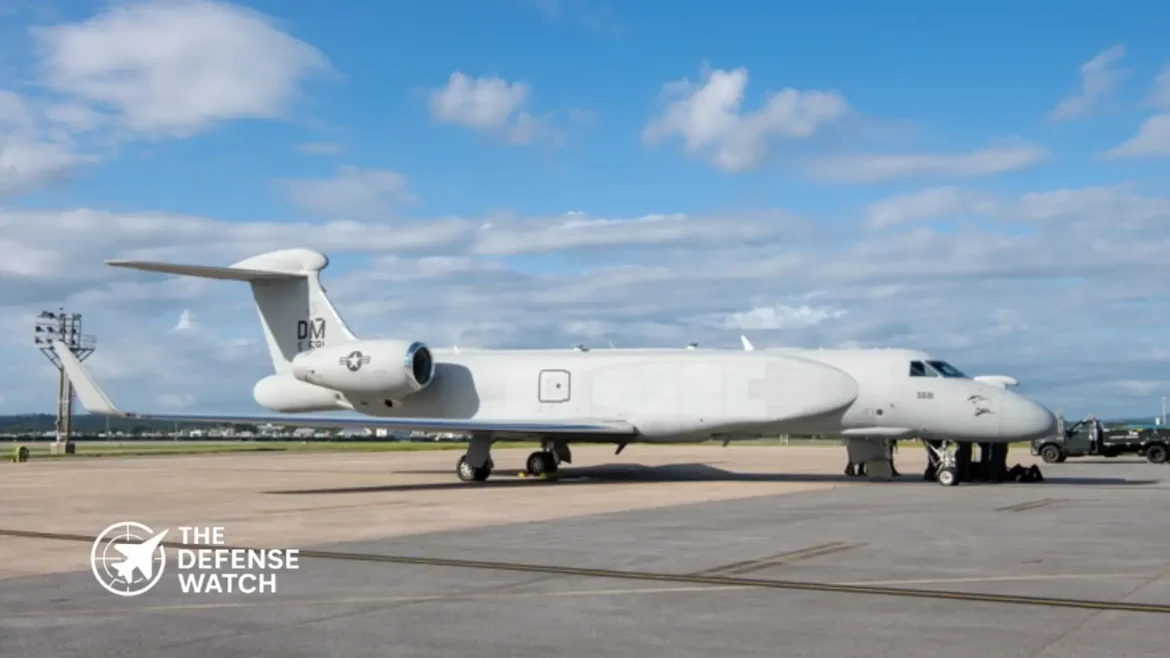
Air Force officials now want to increase the planned EA-37B Compass Call fleet from 10 aircraft to 19. The platform is designed to replace the aging EC-130H Compass Call fleet, which has served for decades in airborne electronic attack missions.
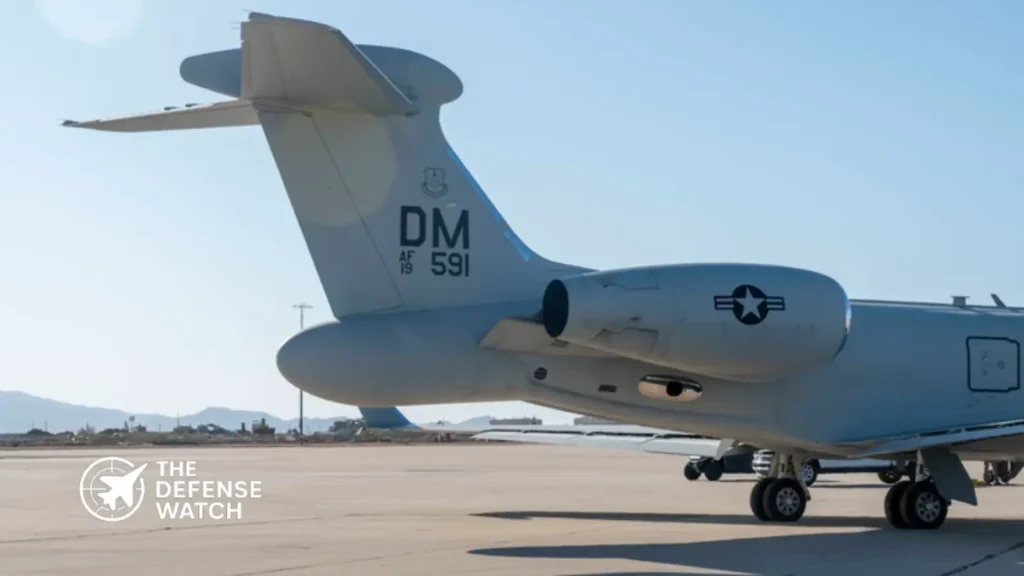
The EA-37B is based on the Gulfstream G550 business jet platform and integrates advanced jamming and electronic attack systems intended to disrupt enemy communications, radar, and command networks.
The proposed fleet expansion comes as the Pentagon places increasing emphasis on electronic warfare capabilities across potential high-end conflict scenarios, particularly in the Indo-Pacific and Europe.
Why The EA-37 Matters
The EA-37B Compass Call is expected to provide improved survivability, longer range, and reduced operating costs compared to the older EC-130H aircraft.
Unlike the turboprop-powered EC-130H, the jet-powered EA-37B offers faster transit speeds and greater operational flexibility. The aircraft is being developed by BAE Systems and L3Harris Technologies under the Compass Call modernization effort.

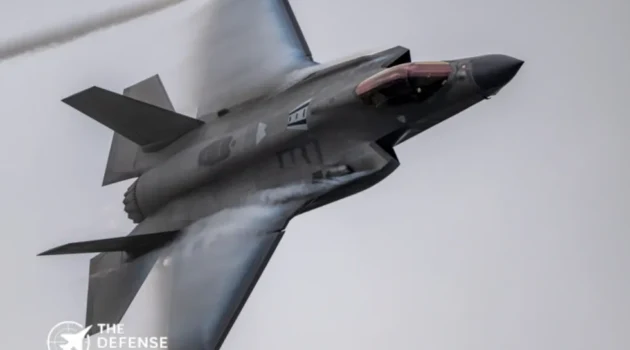
Image : U.S. Air Force Electronic attack aircraft play a critical role in suppressing enemy air defenses, degrading battlefield communications, and supporting strike packages during contested operations. Modern military operations increasingly depend on uninterrupted access to the electromagnetic spectrum, making airborne jamming assets more strategically valuable.
The Air Force’s decision to reconsider the fleet size also reflects lessons observed from ongoing conflicts where electronic warfare, drones, and network disruption have become central battlefield factors.
Growing Demand For Electromagnetic Warfare
Senior Air Force leaders have repeatedly warned that the electromagnetic spectrum is now a heavily contested domain.
Potential adversaries including China and Russia continue investing in advanced radar systems, integrated air defenses, cyber-electromagnetic operations, and long-range sensing networks. In such environments, aircraft capable of disrupting enemy command and control systems become increasingly important.
The EA-37B is expected to support joint force operations by enabling strike aircraft, bombers, and intelligence platforms to operate more effectively in hostile airspace.
The Air Force originally planned for a smaller fleet partly because of budget pressures and assumptions about future operational requirements. However, growing concerns about pacing threats and operational tempo appear to be driving reassessments inside the service.
Transition From The EC-130H Fleet
The retirement of the EC-130H Compass Call fleet has been ongoing for several years as the Air Force transitions toward the newer platform.
The legacy aircraft proved valuable during operations in Iraq, Afghanistan, and other counterinsurgency campaigns where electronic attack missions were used to disrupt insurgent communications and remote detonation systems.
However, future conflicts against technologically advanced adversaries require faster and more survivable platforms capable of operating in highly contested environments.
The EA-37B addresses several of those concerns through improved altitude performance, reduced maintenance demands, and updated mission systems.
Air Force officials have also emphasized that modern electronic warfare is no longer a niche support capability. Instead, it is becoming an integrated component of air dominance and joint operations planning.
Strategic Implications
The move to nearly double the EA-37 fleet reflects a wider Pentagon effort to rebuild electronic warfare capacity after years of focus on counterterrorism operations.
The U.S. military is increasingly prioritizing capabilities that can survive in denied environments, disrupt enemy sensor networks, and support distributed operations across large theaters.
For the Air Force, the EA-37B represents part of a larger modernization effort that includes next-generation fighters, collaborative combat aircraft, long-range weapons, and advanced networking systems.
Electronic attack platforms may also become increasingly important for coalition operations, particularly as NATO and Indo-Pacific allies seek stronger interoperability in contested spectrum environments.
While budget approval and procurement timelines remain subject to congressional review, the Air Force’s revised requirement signals that electronic warfare aircraft are regaining prominence in U.S. defense planning.


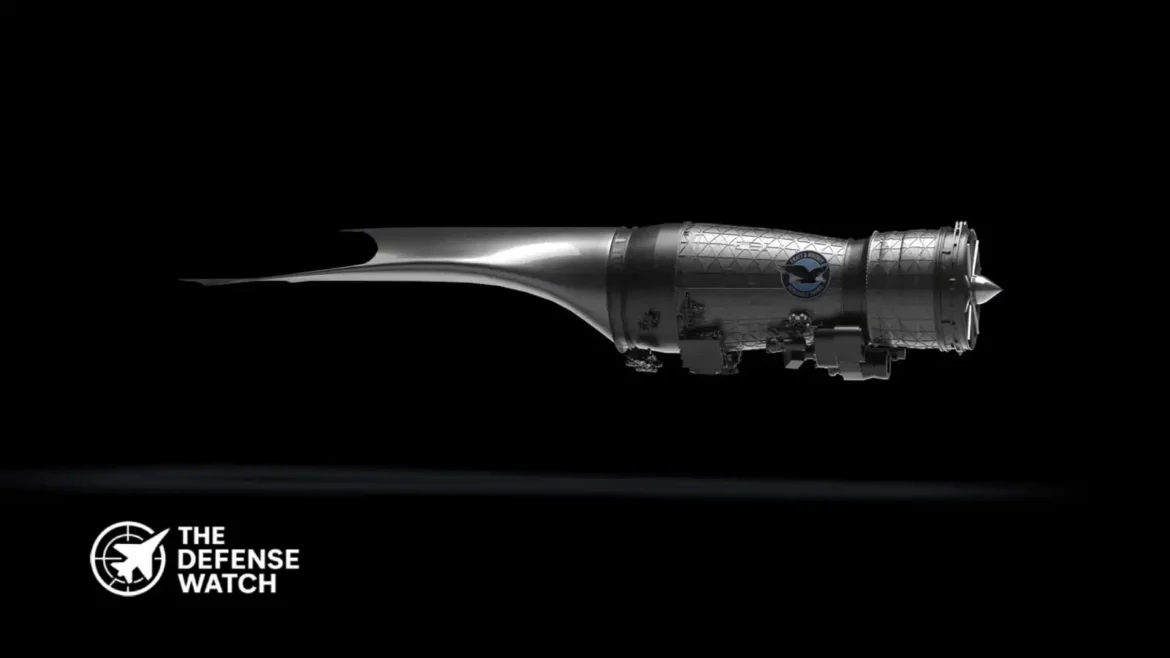
Executive Summary: Pratt & Whitney, an RTX business, has completed a fully digital assembly readiness review (ARR) for its XA103 engine under the U.S. Air Force’s Next Generation Adaptive Propulsion (NGAP) program. The milestone signals the program’s transition from digital design to physical hardware procurement. The XA103 is expected to deliver propulsion performance that surpasses any engine available today, with ground testing targeted for the late 2020s.
Pratt & Whitney Clears Key Digital Milestone In Race To Power America’s Next Fighter
Pratt & Whitney has reached a significant milestone in the U.S. Air Force’s Next Generation Adaptive Propulsion (NGAP) program, completing a fully digital assembly readiness review for its XA103 engine — a development that moves the program decisively from the design phase into physical hardware production.
Announced on May 8, 2026, from East Hartford, Connecticut, the accomplishment underscores the growing role of digital engineering in the development of advanced military propulsion systems. For the U.S. Air Force, which faces mounting pressure to maintain air superiority in an increasingly contested operational environment, the progress represents a critical step toward fielding a new generation of fighter engines.
What Is the NGAP Program?
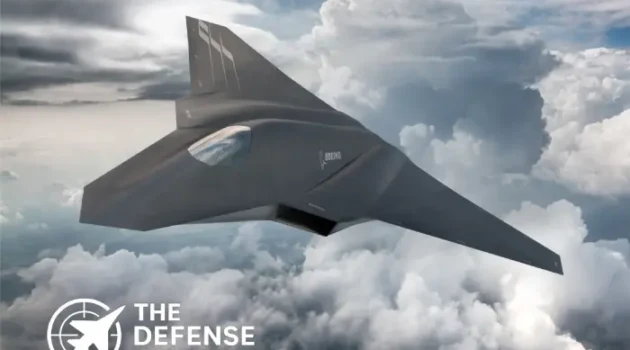
The Next Generation Adaptive Propulsion program is a U.S. Air Force initiative to develop the propulsion system for next-generation combat aircraft — platforms designed to operate in high-threat environments against near-peer adversaries like China and Russia. NGAP is intended to replace or supplement the current F135 engine that powers the F-35 Joint Strike Fighter, and is closely linked to emerging sixth-generation fighter concepts.
The XA103 engine features an adaptive design intended to provide advanced survivability, improved fuel efficiency, and robust power and thermal management for next-generation platforms. These capabilities are widely viewed as essential for future aircraft operating in contested airspace, where mission profiles increasingly require engines capable of rapidly adjusting performance output to match operational demands.
Pratt & Whitney is competing against GE Aerospace, which is also developing its own NGAP candidate engine. The outcome of this competition will define the propulsion backbone of American air power for decades to come.
A Fully Digital Assembly Readiness Review — Why It Matters
The assembly readiness review (ARR) is a formal technical checkpoint at which engineers verify that a design is mature enough and all necessary components are available to begin physical assembly. Completing this review in a fully digital environment — rather than relying on physical prototypes or traditional paper-based processes — represents a meaningful advancement in how the defense industry approaches complex engineering programs.
The review marks Pratt & Whitney’s progress in transitioning from designing in a digital environment to procuring and producing physical hardware. By conducting the ARR entirely within a digital framework, Pratt & Whitney’s engineers were able to identify and resolve potential integration issues before a single physical component was assembled — reducing cost risk and accelerating the development timeline.
This approach reflects a broader industry shift toward what the Pentagon calls “digital engineering” — the use of integrated digital models, simulations, and data environments to manage weapon system development from design through sustainment. The Department of Defense has been actively pushing contractors to adopt digital engineering practices as a means of reducing program delays and cost overruns that have plagued major defense acquisitions.
What Pratt & Whitney’s Leadership Said
Jill Albertelli, president of Pratt & Whitney’s Military Engines business, described the milestone as a demonstration of the company’s investment in digital infrastructure and its collaboration with the U.S. Air Force. She noted that the NGAP team is simultaneously developing novel digital validation tools as it moves toward engine assembly and test. Albertelli stated that the performance expected from the XA103 engine exceeds anything available today, emphasizing the critical importance of stable investment in propulsion as a strategic competitive advantage.
That framing — “strategic competitive advantage” — is deliberate. Propulsion has historically been an area where the United States has maintained a decisive edge over adversaries. Sustaining that edge, Pratt & Whitney argues, requires sustained investment and an accelerated development cadence, both of which the NGAP program is designed to deliver.
Hardware Procurement Now Underway
With the digital ARR complete, Pratt & Whitney’s NGAP team has moved into active hardware procurement. The company is working with its supply base to procure the components needed to assemble the XA103 for testing, which is expected in the late 2020s.
This supply chain engagement is itself a significant signal. Bringing suppliers into the production loop indicates that the program has cleared internal technical risk thresholds and that leadership has confidence in the design’s readiness for physical validation. For a program of NGAP’s scale and strategic importance, that confidence — backed by a completed digital ARR — carries real programmatic weight.
The timeline targeting late-2020s testing aligns with broader U.S. Air Force planning horizons for next-generation platforms. While specific aircraft programs remain sensitive, the Air Force has publicly discussed the need for advanced propulsion solutions to support its Next Generation Air Dominance (NGAD) initiative and the broader family-of-systems approach to future air combat.
Strategic Context: Why Next-Gen Propulsion Is a National Security Priority
The NGAP program does not exist in a vacuum. It is part of a broader effort by the United States to recapitalize its tactical air power in response to significant advances by China and Russia in fifth-generation fighters, long-range air defense systems, and directed-energy weapons.
China’s J-20 stealth fighter is already operational in significant numbers, and Beijing is actively developing its own sixth-generation combat aircraft concepts. Russia, despite economic pressure from sanctions, continues to advance its Su-57 program. Both adversaries are investing heavily in engine technology, and both have historically lagged behind the United States in propulsion — a gap that U.S. officials are determined to preserve.
The adaptive cycle engine architecture at the heart of NGAP is designed to give American pilots a significant performance advantage in this environment. Unlike conventional turbofan engines, adaptive cycle engines can dynamically shift between high-thrust and high-efficiency operating modes — extending range, reducing heat signature, and improving combat persistence. These attributes are particularly valuable in long-range strike and contested air superiority missions in the Pacific, where distances are vast and forward basing is limited.
Platform-Agnostic Design: Built for Flexibility
One detail in Pratt & Whitney’s announcement deserves particular attention: the XA103 is described as platform-agnostic. The engine’s adaptive design is intended to enable the U.S. Air Force to meet evolving operational needs and maintain global air dominance.
A platform-agnostic engine means the XA103 is not being designed exclusively for a single aircraft type. This approach gives the Air Force flexibility to integrate the engine across multiple future platforms — an important consideration given ongoing uncertainty about the final configuration of next-generation combat aircraft. It also reduces programmatic risk: if one platform is delayed or restructured, the engine program can continue on its own development track.
This mirrors the broader logic behind the NGAP program itself, which is structured to ensure the United States maintains a competitive propulsion option regardless of how specific platform programs evolve.
About Pratt & Whitney and RTX
Pratt & Whitney, an RTX business, is a world leader in the design, manufacture, and service of aircraft engines and auxiliary power units for military, commercial, and civil aviation customers. The company has been pioneering aircraft propulsion technologies since 1925 and supports more than 90,000 in-service engines through a global network of maintenance, repair, and overhaul facilities.
RTX employs more than 180,000 people globally and reported 2025 sales of more than $88 billion. The company is headquartered in Arlington, Virginia.
What Comes Next
The completion of the digital ARR puts Pratt & Whitney on track for a late-2020s ground test of the XA103 demonstrator. That test campaign will be the first opportunity to validate, in a physical environment, the performance claims that have driven the program forward. Success at that stage would position the XA103 as a strong candidate for selection as the propulsion system for the next generation of American combat aircraft.
For the U.S. Air Force, the stakes are clear. Propulsion is a foundational capability — one that shapes what aircraft can do, how far they can fly, and how long they can survive in contested airspace. The NGAP program, and the digital engineering practices that are accelerating it, represent the United States’ best current bet on maintaining the air dominance that has defined American military power for three-quarters of a century.

Executive Summary:
The U.S. Air Force has nominated Maj. Gen. Thomas P. Moga to serve as the next superintendent of the U.S. Air Force Academy. The leadership transition follows the planned departure of Lt. Gen. Richard M. Clark Bauernfeind and comes as the academy faces growing pressure to prepare future officers for modern warfare challenges.U.S. Air Force Academy Leadership Transition
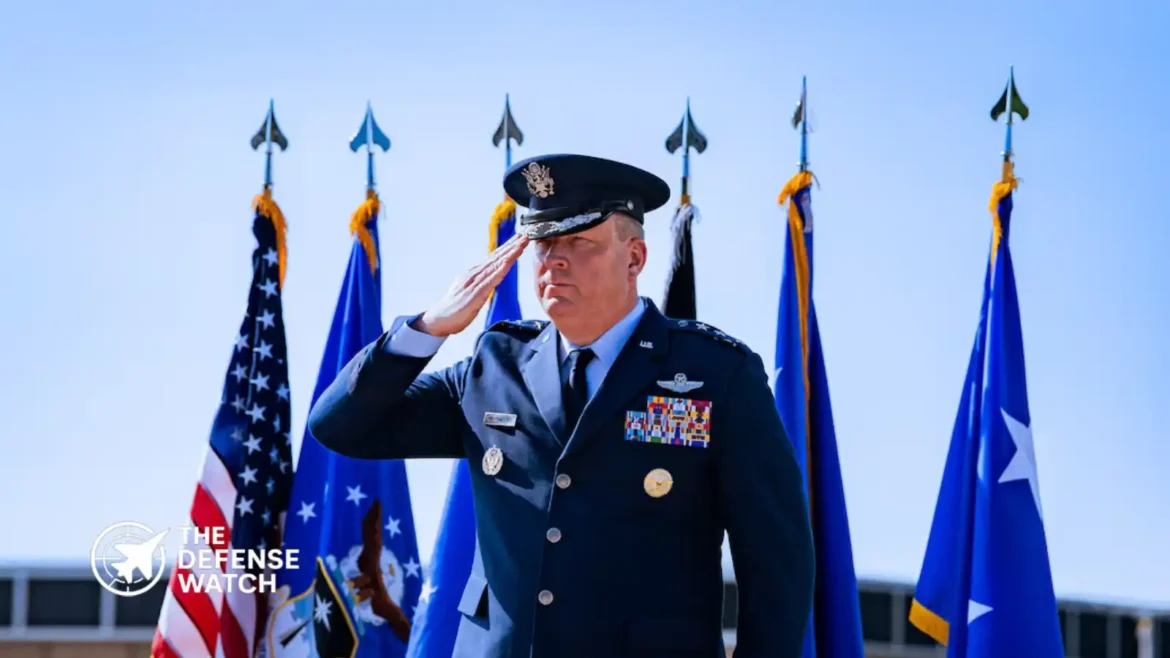
The U.S. Air Force has nominated Maj. Gen. Thomas P. Moga to become the next superintendent of the United States Air Force Academy, marking a significant leadership transition for one of the military’s premier officer commissioning institutions.
According to an official Air Force announcement, Moga would succeed Lt. Gen. Richard M. Bauernfeind, who has led the academy since 2022. The nomination remains subject to Senate confirmation.
The move places an experienced operational commander and fighter pilot at the head of the academy during a period of strategic transformation across the Department of the Air Force. Modernization priorities, great power competition, and evolving air and space warfare requirements are increasingly shaping how future officers are trained and educated.
Image Source : Army Maj. Gen. Moga currently serves in a senior Air Force operational leadership role and brings extensive combat aviation and command experience to the position. His background includes service in Indo-Pacific operations and advanced airpower missions, areas that have become central to U.S. defense strategy.
Why The Appointment Matters
The selection of Moga signals continued emphasis on operational readiness and warfighting culture within Air Force officer development.
The United States Air Force has spent the past several years adapting its education and training systems to better prepare officers for potential high-end conflicts against technologically advanced adversaries. Senior military leaders have repeatedly stressed the importance of agility, joint operations, and decision-making under contested conditions.
As superintendent, Moga would oversee military training, academics, athletics, and leadership development for thousands of cadets preparing to enter the Air Force and Space Force. The role also carries broader institutional significance because the academy helps shape future service culture and leadership priorities.
The nomination comes at a time when military academies across the United States are facing heightened scrutiny over recruiting, retention, standards, and curriculum modernization. Defense leaders increasingly view officer education as directly linked to long-term force competitiveness.
Operational Experience Shapes Leadership Outlook
Moga’s operational background could influence how the academy approaches leadership preparation for future conflicts.
Over the last decade, the Air Force has shifted focus from counterinsurgency operations toward peer competition, particularly in the Indo-Pacific region. That strategic transition has increased demand for leaders with experience in advanced air operations, integrated deterrence, and multinational coordination.
Military analysts note that leaders with frontline operational expertise are often selected for key educational leadership positions during periods of doctrinal or strategic transition. The Air Force Academy plays a central role in developing officers capable of operating in highly contested environments involving cyber warfare, electronic warfare, long-range strike systems, and space-enabled operations.
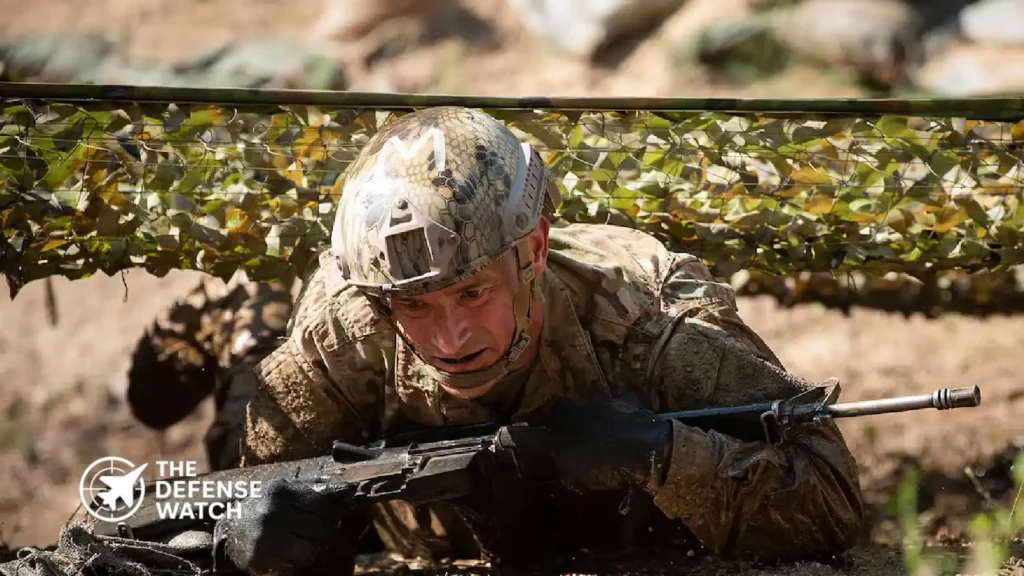
Image Source : Army The service has also accelerated efforts to integrate emerging technologies, including artificial intelligence-enabled systems and advanced data-driven operational concepts, into professional military education pipelines.
Continuity And Change At USAFA
Lt. Gen. Bauernfeind’s tenure included efforts to reinforce leadership development, cadet preparedness, and institutional reforms at the academy. His departure represents a routine but important shift in Air Force senior leadership.
While academy superintendents traditionally maintain continuity in institutional priorities, each leadership transition often introduces adjustments in emphasis and culture. Moga’s appointment may further strengthen the academy’s operational and strategic focus as the Air Force continues adapting to evolving global threats.
The Air Force Academy remains a critical source of commissioned officers for both the Air Force and the rapidly expanding United States Space Force. That dual-service responsibility has increased the academy’s importance within broader U.S. defense planning.
The nomination also reflects the Pentagon’s broader effort to align senior leadership assignments with emerging strategic priorities, particularly in relation to deterrence, readiness, and force modernization.
Broader Strategic Context
The leadership transition occurs amid continued U.S. military emphasis on strategic competition with China and Russia. Pentagon officials have repeatedly identified officer development and talent management as essential to maintaining long-term military advantage.
Educational institutions such as the Air Force Academy are increasingly expected to prepare officers for multidomain operations spanning air, land, sea, cyber, and space environments. That mission has become more demanding as operational technologies evolve rapidly and geopolitical tensions intensify across multiple regions.
The next superintendent will likely play a role in shaping how future Air Force and Space Force officers are trained to operate in technologically complex and highly contested battlespaces.
Executive Summary:
The U.S. Air Force is intensifying efforts to sustain and modernize the B-1B Lancer fleet at Tinker Air Force Base. The initiative aims to improve bomber readiness, extend aircraft service life, and preserve long range strike capabilities amid growing global security challenges.Tinker Air Force Base Expands B-1 Bomber Sustainment Efforts
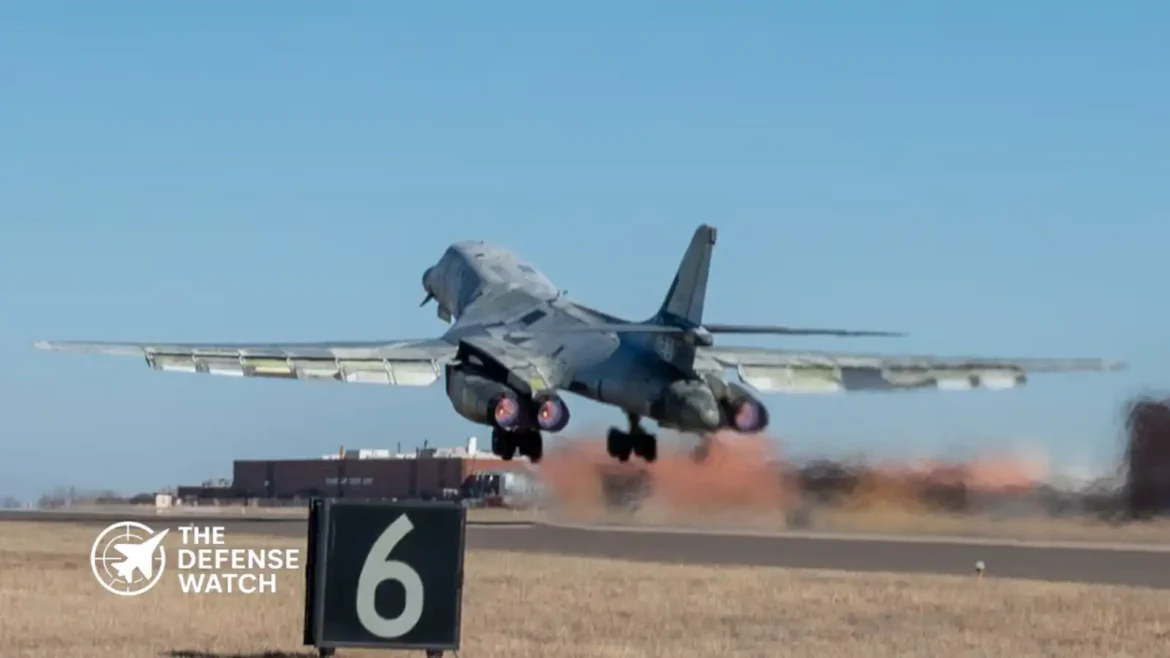
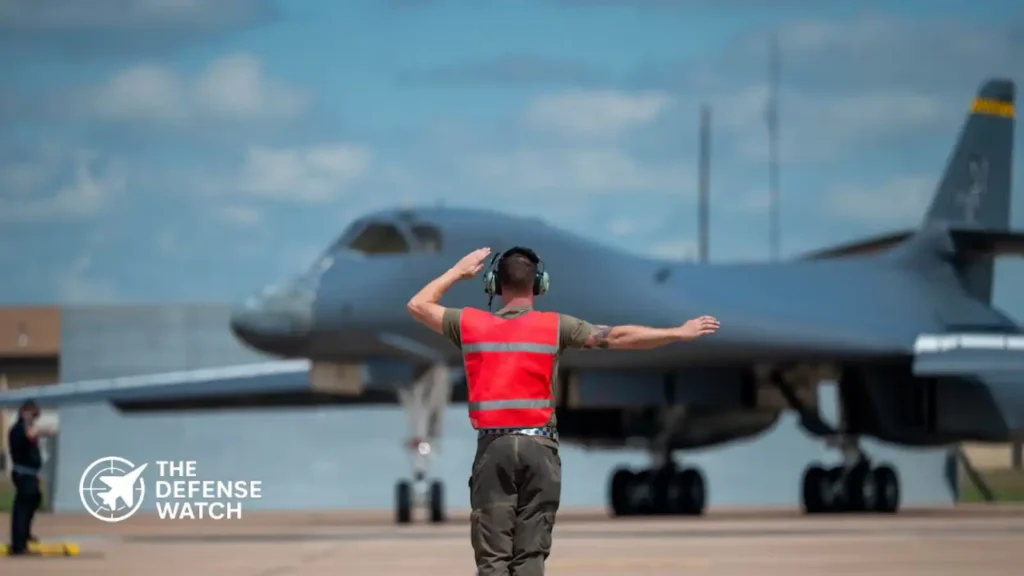
The U.S. Air Force is expanding B-1 bomber modernization and sustainment activities at Tinker Air Force Base as the service works to maintain the combat effectiveness of its aging long range strike fleet.
According to the U.S. Air Force, engineers, logisticians, and maintainers at the Oklahoma facility are conducting extensive structural repairs and upgrades designed to keep the B-1B Lancer mission capable for future operations. The work is being led through the Air Force Sustainment Center and the Oklahoma City Air Logistics Complex, both central to sustaining the Air Force’s bomber inventory.
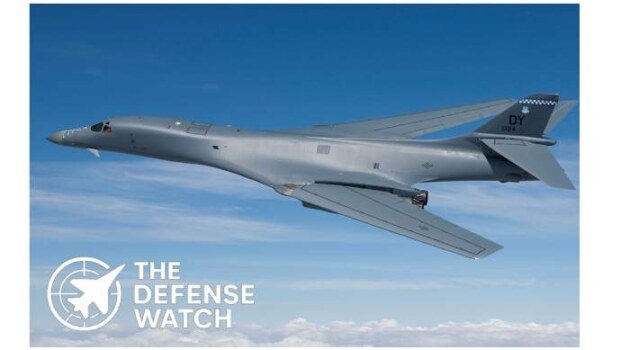
The B-1B remains one of the Air Force’s primary long range strike platforms, capable of carrying large conventional payloads across intercontinental distances. Although originally developed during the Cold War as a nuclear capable bomber, the aircraft has evolved into a key conventional strike asset supporting U.S. Indo Pacific and Middle East operations over the past two decades.
Air Force officials stated that depot teams at Tinker are addressing long standing structural fatigue issues affecting the bomber fleet. The effort includes replacing worn components, restoring aircraft sections, and applying modernization upgrades intended to improve reliability and availability rates.
Sustainment Critical As Bomber Fleet Ages
The B-1 fleet has faced persistent readiness challenges in recent years due to heavy operational demand, aging airframes, and maintenance backlogs. Several aircraft were previously retired to free up resources and reduce pressure on sustainment units.
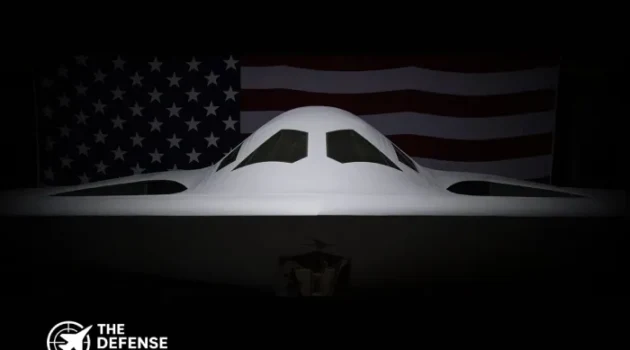
The latest effort reflects a broader Air Force strategy focused on balancing modernization with force availability. While the service is developing the next generation B-21 Raider, the B-1B continues to play an essential operational role in global strike missions.
The Air Force has increasingly relied on bomber task force deployments to demonstrate strategic reach and deterrence. B-1 aircraft have regularly deployed to Europe, the Indo Pacific, and the Middle East in support of allied exercises and rapid response missions.
Keeping the fleet operational therefore remains strategically important. Sustainment work at Tinker directly supports U.S. Global Strike Command requirements and helps ensure bomber forces remain available during periods of heightened geopolitical tension.
The maintenance initiative also highlights the growing importance of industrial base resilience inside the U.S. defense sector. Depot level sustainment operations are becoming increasingly critical as military services attempt to extend the operational lifespan of legacy platforms while awaiting next generation systems.
Structural Restoration Extends Aircraft Service Life
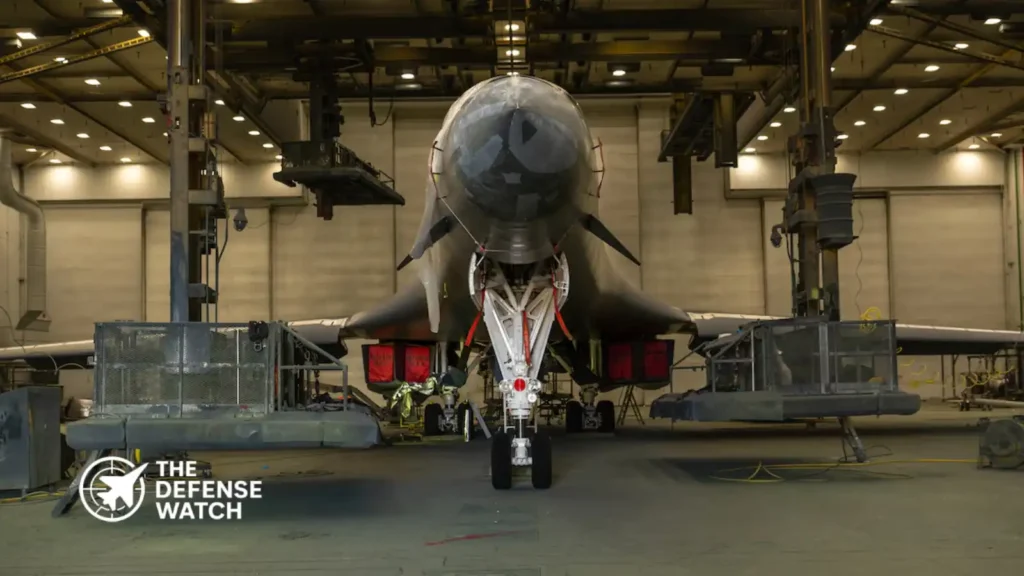
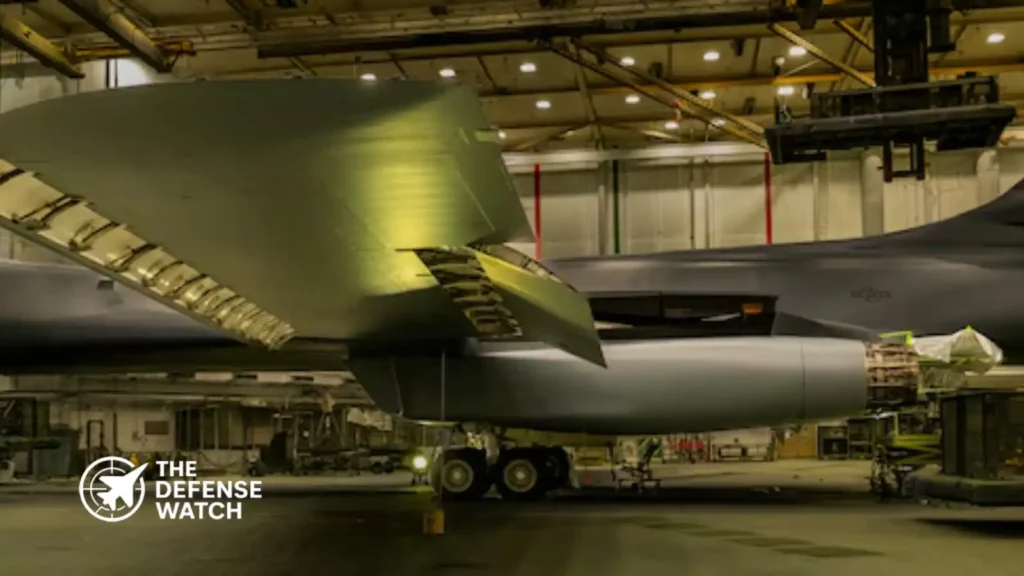
One major focus of the program involves restoring aircraft sections that have experienced fatigue after decades of high tempo flight operations. Maintainers are replacing structural components that are no longer economically repairable through routine field maintenance.
Air Force personnel described the process as highly labor intensive, requiring detailed inspections and precision engineering work. Technicians often remove major aircraft assemblies to access internal structural areas requiring restoration.
The B-1’s variable sweep wing design and high speed flight profile have historically placed significant stress on the airframe. As a result, sustainment teams must continually monitor aircraft integrity to prevent readiness declines.
The modernization effort is also intended to improve long term fleet management efficiency. By restoring key aircraft now, the Air Force can maintain operational bomber capacity during the transition toward future stealth bomber capabilities.
Strategic Importance Of The B-1 Lancer
Despite its age, the B-1B remains one of the most capable conventional bombers in the U.S. inventory. The aircraft can carry precision guided munitions, long range cruise missiles, and large conventional payloads for strike missions against heavily defended targets.
The bomber has frequently participated in joint military exercises with NATO allies and Indo Pacific partners, reinforcing U.S. strategic presence in contested regions.
Its speed, payload capacity, and operational flexibility continue to provide military planners with a valuable strike option short of deploying stealth assets or carrier strike groups.
The sustainment work at Tinker demonstrates how the Air Force intends to preserve this capability until sufficient numbers of B-21 aircraft enter operational service later this decade.
Analysis: Sustainment Becoming As Important As Procurement
The renewed focus on B-1 bomber modernization underscores a broader trend across the U.S. military. Sustainment is increasingly becoming as strategically important as new procurement programs.
While advanced systems such as the B-21 Raider receive significant attention, legacy platforms still carry much of the operational burden for day to day global missions. Extending aircraft availability through depot modernization offers a relatively cost effective way to preserve combat power during force transitions.
The Air Force’s approach also reflects lessons learned from years of high operational tempo following post 9/11 combat deployments. Aircraft once expected to serve under lower utilization rates are now facing accelerated structural wear.
For the Pentagon, maintaining bomber readiness is especially critical as strategic competition with both China and Russia intensifies. Long range strike aircraft remain central to deterrence strategy, rapid response operations, and power projection across multiple theaters.
Rather than treating sustainment as a secondary function, the Air Force increasingly views depot modernization as an operational necessity directly linked to combat readiness and strategic flexibility.

Executive Summary:
The U.S. Air Force and Northrop Grumman completed a critical B-21 Raider flight test campaign in 73 days instead of the planned 180. The accelerated pace highlights progress in America’s next-generation stealth bomber program and could support faster operational deployment.B-21 Raider Flight Test Campaign Advances Faster Than Expected
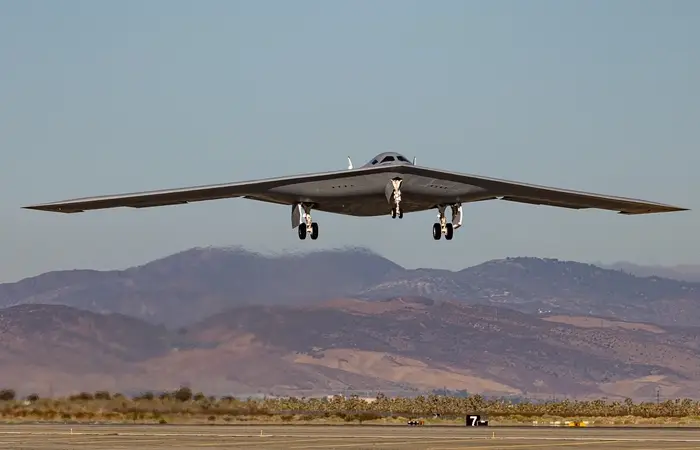
The U.S. B-21 Raider stealth bomber has completed a major developmental flight test campaign significantly faster than initially planned, marking an important milestone for the U.S. Air Force’s next-generation long-range strike program.
Northrop Grumman revealed on May 7, 2026, that the B-21 Raider Combined Test Force reduced a planned 180-day testing schedule to just 73 days.
The accelerated timeline is notable because large-scale military aircraft development programs frequently encounter delays during early flight testing, especially with stealth aircraft integrating advanced sensors, mission systems, and low observable technologies.
The B-21 Raider program appears to be avoiding many of those early setbacks.
Why The Accelerated Testing Timeline Matters
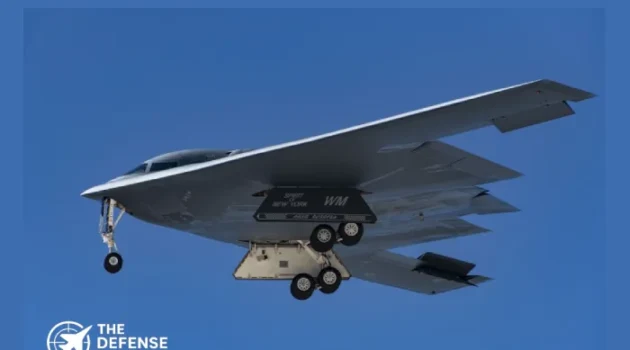
The B-21 Raider is intended to replace portions of the aging U.S. bomber fleet, including the B-1B Lancer and B-2 Spirit, while complementing the B-52 Stratofortress in long-range strike missions.
The faster-than-expected test progress suggests that the aircraft entered flight trials with mature software integration and a relatively stable design baseline. That is a significant achievement for a stealth platform expected to operate in highly contested environments against advanced air defense systems.
Northrop Grumman stated that the Combined Test Force achieved the milestone while completing roughly half of the planned mission objectives connected to an $11.8 billion effort.
Industry analysts view this as evidence that digital engineering and advanced modeling techniques used during development may be reducing traditional flight-test risks. The B-21 program has heavily emphasized digital design and production methods since its earliest phases. Earlier Air Force and Northrop Grumman statements also indicated that flight performance during testing closely matched digital simulations.
That alignment between simulated and real-world performance can shorten troubleshooting cycles and reduce costly redesign work.
Expanding U.S. Long-Range Strike Capability
The B-21 Raider is central to the U.S. Air Force’s future global strike strategy. Designed as a penetrating stealth bomber capable of delivering both conventional and nuclear payloads, the aircraft is expected to operate deep inside heavily defended airspace.
The bomber will eventually support missions across the Indo-Pacific, Europe, and other contested theaters where survivability against modern integrated air defense systems is increasingly important.
Recent testing milestones have included aerial refueling operations with a KC-135 Stratotanker, expanding the bomber’s operational reach and endurance.
The U.S. Air Force has also continued expanding the flight test fleet. A second B-21 Raider test aircraft joined the program in 2025, enabling parallel testing of mission systems, weapons integration, and sustainment procedures.
Officials believe multiple aircraft operating simultaneously will accelerate the path toward operational capability.
Strategic Implications For The United States
The rapid progress of the B-21 Raider program comes amid increasing strategic competition with China and Russia. Both nations continue investing heavily in advanced air defenses, long-range missiles, and next-generation combat aircraft.
For the Pentagon, the B-21 Raider represents more than a new bomber. It is a key part of maintaining credible long-range deterrence and strike flexibility in future conflicts.
The Air Force plans to acquire at least 100 B-21 aircraft, though some defense analysts argue that number may eventually increase depending on operational demands and geopolitical developments.
Unlike previous stealth bomber programs that faced major production and affordability challenges, the B-21 effort has focused heavily on scalable manufacturing and lower sustainment costs from the outset.
That production-focused approach may help the Air Force field the aircraft more rapidly than earlier strategic bombers.
Program Momentum Continues
The B-21 Raider first flew in November 2023 and has steadily expanded its test envelope since then. The aircraft already entered low-rate initial production, another sign of Pentagon confidence in the program’s maturity.
While many technical details remain classified, recent milestones indicate the stealth bomber program is progressing with fewer disruptions than typically seen in next-generation combat aircraft development.
If the current pace continues, the B-21 Raider could enter operational service on schedule and become the backbone of the U.S. Air Force’s future bomber fleet during a period of intensifying global strategic competition.
(adsbygoogle = window.adsbygoogle || []).push({});Executive Summary:
General Dynamics Mission Systems has received a $69.7 million U.S. Air Force contract to produce KIV-78A cryptographic systems and circuit card assemblies. The program supports secure communications and interoperability across U.S. and allied military platforms under Foreign Military Sales agreements. The contract highlights continued demand for hardened encryption technology amid growing cyber and electronic warfare threats.General Dynamics KIV-78A Contract Strengthens Allied Secure Communications
The KIV-78A contract awarded to General Dynamics Mission Systems reflects the growing importance of secure battlefield communications across modern military operations. The U.S. Air Force awarded the Scottsdale, Arizona-based company a maximum ceiling requirements contract valued at $69,702,627 for production of the KIV-78A cryptographic device and associated circuit card assemblies.
According to the Department of Defense contract announcement, work will be performed in Scottsdale through May 5, 2031. The contract was issued as a sole source acquisition through the Air Force Life Cycle Management Center’s Cryptologic and Cyber Systems Division at Joint Base San Antonio-Lackland, Texas.
Initial fiscal year 2026 procurement funding worth $8.27 million will be obligated under the first delivery order following contract award.
The KIV-78A system plays a key role in protecting sensitive military communications and tactical data transmissions. Cryptographic equipment like the KIV-78A enables secure exchange of operational information across aircraft, command centers, ground units, and allied coalition networks.
Expanding Foreign Military Sales Demand
The contract also includes extensive Foreign Military Sales participation involving key U.S. allies and partners. Countries listed under the agreement include Australia, Belgium, Canada, Germany, Israel, Italy, Japan, South Korea, Kuwait, Netherlands, Norway, Poland, Turkey, Saudi Arabia, Switzerland, United Arab Emirates, and the United Kingdom, among others.
The wide participation base underscores how encrypted interoperability remains central to coalition military operations. NATO forces and major U.S. defense partners increasingly depend on compatible secure communications architecture to support joint air, naval, and land operations.
Defense analysts have repeatedly highlighted that secure communications systems are becoming as strategically important as kinetic weapons platforms. Modern military operations rely heavily on real-time data sharing, sensor fusion, and network-centric warfare capabilities, all of which require resilient encryption and anti-tamper technologies.
Cyber And Electronic Warfare Pressures Drive Demand
The KIV-78A contract arrives as the Pentagon and allied militaries continue investing heavily in cyber resilience and electronic warfare survivability. Military planners increasingly face threats from adversaries capable of signal interception, spoofing, jamming, and cyber intrusion attempts.
Secure cryptographic systems are designed to protect classified and mission-critical information while ensuring communications integrity during contested operations. Such systems are particularly important for aircraft mission systems, tactical datalinks, intelligence-sharing networks, and command-and-control infrastructure.
The Air Force Life Cycle Management Center’s Cryptologic and Cyber Systems Division oversees many of the Pentagon’s secure communications modernization efforts. These programs support broader Department of Defense priorities focused on Joint All-Domain Command and Control, often referred to as JADC2, which aims to connect sensors, platforms, and decision-makers across multiple combat domains.
The sole source nature of the contract also reflects the highly specialized and sensitive nature of military cryptographic technology. Programs involving classified encryption standards and interoperability requirements are often limited to approved defense contractors with certified secure production capabilities.
Strategic Importance For U.S. And Allied Forces
The KIV-78A production effort reinforces the broader strategic emphasis on allied interoperability at a time of heightened geopolitical tensions across Europe, the Indo-Pacific, and the Middle East.
As coalition operations become more digitally integrated, the reliability and security of encrypted communications networks remain critical to operational effectiveness. Systems such as the KIV-78A help ensure that allied forces can securely exchange information during high-tempo military operations without compromising sensitive data.
The contract also supports long-term sustainment and modernization of existing secure communications infrastructure already fielded across multiple allied defense networks.
With completion scheduled through 2031, the agreement provides continued production stability for one of the Pentagon’s key tactical cryptographic systems while reinforcing defense industrial support for allied communications security modernization.
Executive Summary:
The Boeing Company has received a $125 million contract modification from the U.S. Air Force for initial long lead spare parts tied to two VC-25B presidential aircraft. The award supports the ongoing modernization of the future Air Force One fleet and raises the overall contract value to more than $4.4 billion. The work will be carried out in San Antonio, Texas, with fiscal 2026 RDT&E funds already obligated.Boeing VC-25B Contract Expands Air Force One Modernization Program
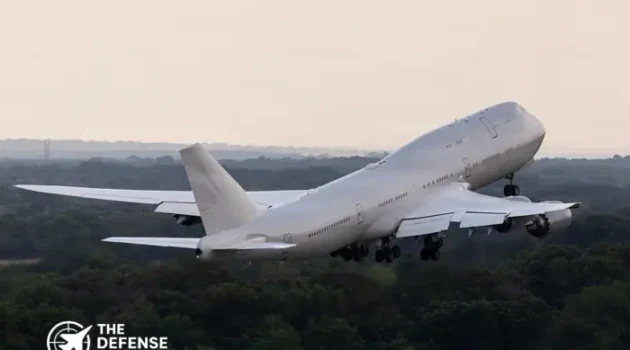
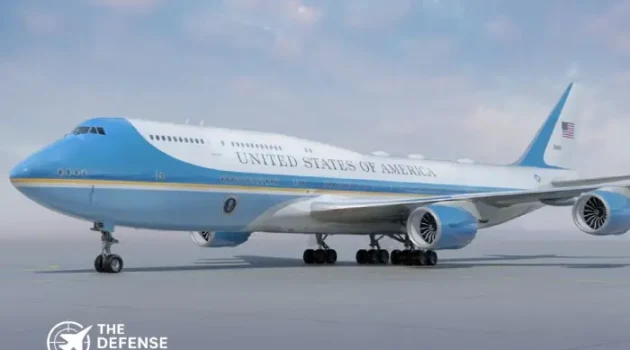
The Boeing VC-25B contract program received another financial boost after the U.S. Air Force awarded the company a $125 million contract modification for long lead spare parts tied to two fully mission capable presidential aircraft.
According to the Department of Defense contract announcement, the modification, identified as P00176 under contract FA8625-16-C-6599, increases the total cumulative contract value from approximately $4.32 billion to more than $4.44 billion.
The award was issued to Boeing’s facility in Tukwila, Washington, while the work itself will be performed in San Antonio. The Air Force Life Cycle Management Center at Wright-Patterson Air Force Base is serving as the contracting authority.
Fiscal 2026 research, development, test, and evaluation funds totaling $41.9 million were obligated at the time of award.
Spare Parts Procurement Signals Long Term Sustainment Focus
The latest Boeing VC-25B contract action focuses specifically on initial long lead spare parts procurement. In defense aviation programs, long lead components typically include critical systems and hardware requiring extended manufacturing timelines before aircraft delivery or operational deployment.
The procurement effort reflects the Pentagon’s continued emphasis on sustainment planning early in the lifecycle of high value strategic aircraft programs. For presidential airlift operations, spare parts availability is considered mission critical because the aircraft must maintain near constant readiness.
The VC-25B fleet is intended to replace the aging VC-25A aircraft currently used for presidential transport under the Air Force One mission. The existing aircraft are heavily modified versions of the Boeing 747-200B platform that entered service in the early 1990s.
The replacement VC-25B aircraft are based on the newer Boeing 747-8 airframe and are being extensively modified to support secure communications, survivability systems, executive transport, and command-and-control operations.
Program Continues Under Cost And Schedule Pressure
The Boeing VC-25B contract program has faced years of scrutiny tied to schedule delays, rising costs, and technical integration challenges.
Originally negotiated during the first Trump administration, the Air Force One replacement effort became one of Boeing Defense’s most closely watched fixed-price military aviation programs. Boeing has previously disclosed significant financial losses linked to the program due to engineering complexity, supply chain disruptions, and inflationary pressures.
Despite these challenges, the Pentagon has continued funding key procurement and integration milestones to maintain progress toward aircraft delivery.
The latest contract modification suggests the Air Force is moving deeper into sustainment preparation and operational readiness planning as the program advances toward later production and testing phases.
Defense analysts have noted that presidential aircraft programs involve requirements beyond standard military transport platforms. The aircraft must function as secure airborne command centers capable of supporting the president during crises, including nuclear contingencies and global military operations.
That complexity significantly increases integration demands for communications security, electromagnetic hardening, defensive countermeasures, and redundant mission systems.
Strategic Importance Of The VC-25B Fleet
Although the VC-25B program represents a relatively small fleet, its strategic importance remains exceptionally high within the U.S. national command authority structure.
The aircraft serve not only as executive transport platforms but also as symbols of U.S. global power projection and continuity of government capability.
The future VC-25B aircraft are expected to feature upgraded communications architecture, improved avionics, modernized power systems, and enhanced operational efficiency compared with the legacy VC-25A fleet.
The Air Force has not publicly confirmed an exact delivery timeline in the latest contract announcement, though previous projections indicated delays beyond initial target dates.
The continued flow of funding into spare parts procurement indicates the Pentagon remains committed to fielding both aircraft as fully operational assets despite ongoing program management pressures.
Industrial Base And Defense Aviation Implications
The Boeing VC-25B contract also highlights the broader importance of sustaining specialized aerospace manufacturing capabilities within the U.S. defense industrial base.
Work associated with the presidential aircraft program supports highly specialized engineering, modification, and systems integration expertise concentrated in the American aerospace sector.
San Antonio has emerged as a major hub for aircraft modification and sustainment work across multiple U.S. military aviation programs. The region supports extensive depot maintenance, modernization, and aircraft conversion activity for both government and commercial customers.
For Boeing Defense, the Air Force One replacement effort remains one of its most visible strategic aviation programs despite its relatively limited production scale.
The program continues to attract congressional and public attention because of its symbolic value, high technical requirements, and cost profile.
Executive Summary:
The United States has deployed F-16 fighters to enhance air defense coverage over the Strait of Hormuz, a key global energy transit route. The move aims to strengthen maritime security amid rising regional tensions and protect critical shipping lanes.U.S. Deploys F-16 Fighters To Strengthen Strait Of Hormuz Air Defense
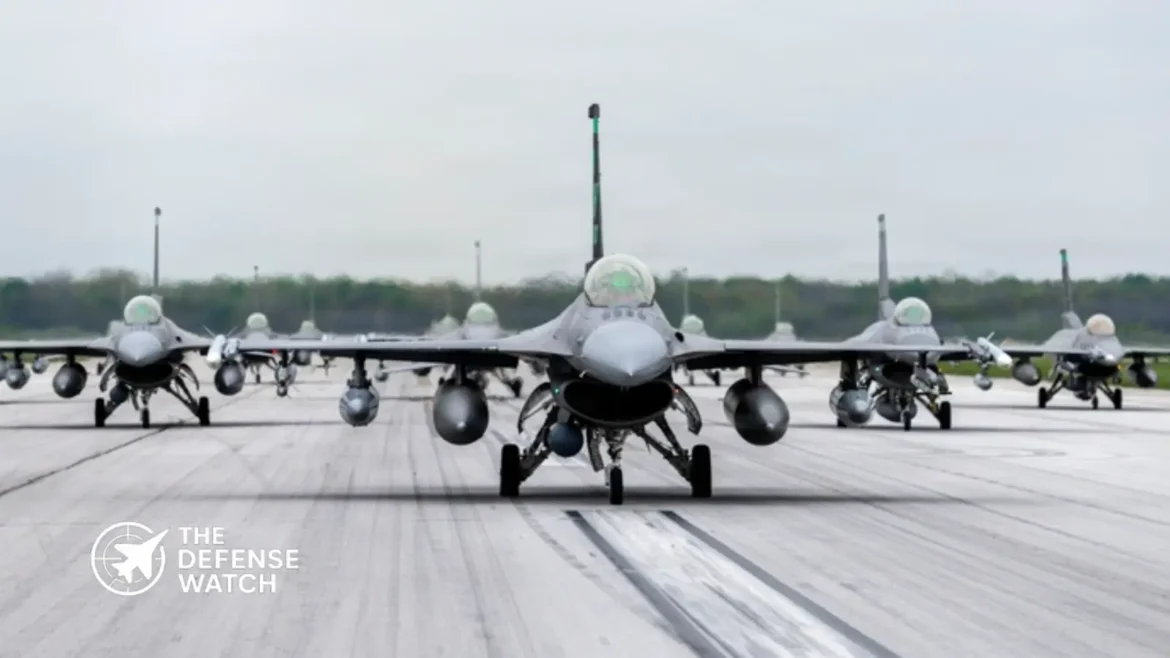
The U.S. F-16 deployment to the Strait of Hormuz marks a renewed effort to reinforce air defense coverage over one of the world’s most strategically vital maritime chokepoints. The move underscores Washington’s focus on safeguarding commercial shipping lanes amid persistent regional tensions and evolving aerial threats.
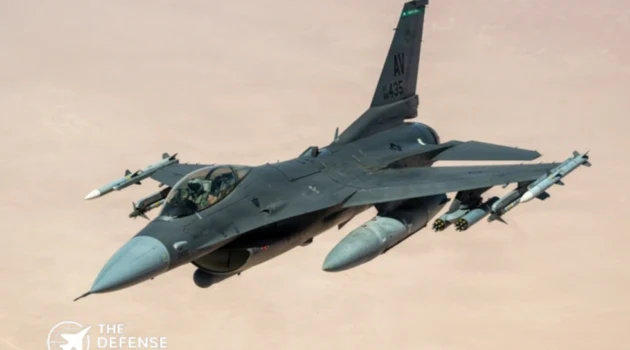
The deployment involves U.S. Air Force F-16 Fighting Falcons tasked with expanding aerial surveillance, deterrence, and rapid response capabilities across the Gulf region. The Strait of Hormuz handles roughly one-fifth of global oil trade, making its security a core priority for both the United States and its allies.
Strategic Context Behind The Deployment
The Strait of Hormuz air defense mission comes at a time of heightened geopolitical sensitivity in the Middle East. The narrow waterway, bordered by Iran and Oman, has long been a flashpoint for maritime security incidents, including vessel seizures, drone activity, and asymmetric threats.
The U.S. military has maintained a continuous presence in the region through the U.S. Central Command (CENTCOM), but the addition of F-16 fighters signals a calibrated adjustment rather than a routine rotation. This suggests a response to specific operational concerns, particularly the growing use of drones and low-altitude aerial systems that challenge traditional naval defenses.
From an operational standpoint, F-16s offer flexibility that complements naval assets. Unlike ship-based systems, fighter aircraft can quickly cover wide مناطق, intercept aerial threats, and provide real-time intelligence. This layered defense approach is increasingly important as adversaries rely more on unmanned systems and hybrid tactics.
Role Of The F-16 In Maritime Security Operations
The F-16 fighters maritime security role is centered on multi-mission capability. Equipped with advanced radar systems, precision-guided munitions, and air-to-air missiles, the aircraft can perform air policing, escort missions, and strike operations if required.
In the context of the Strait of Hormuz, their primary tasks likely include:
- Monitoring airspace for unauthorized or hostile aircraft and drones
- Providing escort to high-value naval or commercial vessels
- Acting as a rapid reaction force in case of escalation
- Enhancing situational awareness through airborne sensors
While the F-16 is not a stealth platform, its proven reliability and adaptability make it well-suited for sustained operations in contested but not fully denied environments. Its deployment also allows higher-end assets, such as fifth-generation fighters, to be reserved for more demanding scenarios elsewhere.
Operational Impact On Regional Security
The U.S. F-16 deployment to Hormuz contributes to a broader deterrence posture aimed at ensuring freedom of navigation. By increasing visible airpower presence, Washington signals its readiness to respond to disruptions without escalating to large-scale force deployments.
This approach aligns with recent U.S. defense strategy trends, which emphasize distributed operations and flexible force packages. Rather than relying solely on carrier strike groups, the Pentagon is leveraging land-based aircraft and regional partnerships to maintain coverage.
From a military balance perspective, the deployment does not fundamentally alter the regional power structure. However, it does complicate potential adversary calculations by reducing the window for opportunistic actions against shipping or allied forces.
Evolving Threat Landscape In The Gulf
One of the key drivers behind the Strait of Hormuz air defense reinforcement is the evolving threat environment. The increasing use of unmanned aerial vehicles (UAVs), loitering munitions, and fast attack craft has blurred the line between conventional and irregular warfare.
These threats are often low-cost, difficult to detect, and capable of causing significant disruption. Traditional naval defenses alone may not provide sufficient coverage, especially against swarming tactics or coordinated attacks.
Airpower, particularly platforms like the F-16, adds an essential layer by enabling early detection and interception. This is critical in a region where reaction time can determine the difference between deterrence and escalation.
Broader Implications For U.S. Defense Posture
The U.S. F-16 deployment to the Strait of Hormuz reflects a broader shift toward adaptive force positioning. Rather than maintaining static deployments, the U.S. military is increasingly adjusting its posture based on real-time threat assessments.
This approach offers several advantages:
- Greater operational flexibility
- Reduced logistical burden compared to large-scale deployments
- Enhanced ability to respond to emerging threats
- Improved coordination with regional allies
It also aligns with ongoing efforts to integrate air, naval, and cyber capabilities into a cohesive defense architecture.
Conclusion
The deployment of F-16 fighters to the Strait of Hormuz represents a targeted effort to strengthen air defense coverage over a critical global shipping route. While not a dramatic escalation, it highlights the importance of maintaining a credible and adaptable military presence in a region where even limited disruptions can have global economic consequences.
As the threat landscape continues to evolve, the role of versatile platforms like the F-16 will remain central to U.S. efforts to ensure maritime security and regional stability.
Northrop Grumman F-16 Radar Contract Extends Critical Fighter Fleet Support
Northrop Grumman has secured a $488 million contract for F-16 radar support, reinforcing long-term sustainment of one of the world’s most widely operated fighter aircraft fleets. The award was issued by the U.S. Air Force Life Cycle Management Center at Hill Air Force Base, Utah, and covers engineering and technical services for the APG-66 and APG-68 radar systems.
The firm-fixed-price, indefinite-delivery/indefinite-quantity agreement runs through March 31, 2036, signaling sustained demand for F-16 modernization and readiness support across both U.S. and allied operators.
KEY FACTS AT A GLANCE- Northrop Grumman received a ceiling $488 million IDIQ contract for F-16 radar engineering and technical support.
- The award covers APG-66 and APG-68 radar systems used by U.S. Air Force, Navy, and foreign military sales customers.
- Work will be performed in Linthicum Heights, Maryland, through March 31, 2036.
- More than 20 nations are included, among them Bahrain, Egypt, Greece, Israel, Pakistan, Poland, Romania, Thailand, and Türkiye.
- Initial funding of $2.64 million was obligated at the time of award.
The contract was awarded on a sole-source basis and includes support for U.S. Air Force and Navy requirements, alongside extensive Foreign Military Sales (FMS) participation.
Why The F-16 Radar Support Deal Matters
Although newer fighters such as the F-35 continue entering service, the F-16 remains a frontline aircraft in many air forces. Thousands of F-16s are still active worldwide, making radar sustainment a strategic priority.
The APG-66 and APG-68 radars are central to the aircraft’s combat value. These systems support:
- Air-to-air target detection
- Beyond-visual-range engagements
- Precision strike missions
- Maritime surveillance roles
- Multi-target tracking in contested airspace
Without radar reliability, even upgraded F-16 fleets lose much of their operational effectiveness.
This means the Northrop Grumman F-16 radar contract is less about legacy maintenance and more about preserving combat capability for allied fleets expected to serve well into the 2030s.
Broad International Reach Through Foreign Military Sales
The Pentagon said the contract involves FMS support to:
Bahrain, Belgium, Chile, Denmark, Egypt, Greece, Indonesia, Iraq, Israel, Jordan, Korea, Morocco, Netherlands, Norway, Oman, Pakistan, Poland, Portugal, Romania, Thailand, and Türkiye.
That customer list highlights how deeply embedded the F-16 remains in NATO, Middle Eastern, and Indo-Pacific force structures.
Several of these nations are also pursuing fleet upgrades, weapons integration, and service-life extensions. Reliable radar support is therefore essential to bridge capability gaps while countries assess future fighter replacements.
Strategic Importance Of APG-66 And APG-68 Systems
The APG-66 radar equipped earlier F-16 variants and helped establish the aircraft’s reputation as a capable multirole platform. The later APG-68 introduced improved range, mapping modes, and targeting performance.
Many operators continue flying aircraft equipped with these radars or upgraded derivatives. Even where active electronically scanned array systems are being introduced, legacy mechanically scanned radars remain common across reserve, export, and second-line fleets.
From a cost perspective, radar sustainment is often more affordable than replacing entire fleets. That reality explains why the $488 million defense contract spans a decade.
Northrop Grumman’s Role In Fighter Sensor Sustainment
Northrop Grumman has long experience in airborne sensors, mission systems, and fighter radar integration. The company’s continued involvement in F-16 radar support gives operators access to original equipment expertise, repair pathways, engineering changes, and lifecycle management.
For Washington, these contracts also strengthen interoperability. When multiple allied nations rely on common systems and support channels, logistics and readiness can improve during coalition operations.
Funding And Contract Structure
The Pentagon stated $2,644,922 in fiscal 2026 non-appropriated, Air Force, and Navy funds were obligated at the time of award. As an IDIQ contract, total spending will depend on future task orders placed over the contract period.
That structure gives the U.S. government flexibility to order support as operational needs emerge.
Outlook
The latest Northrop Grumman F-16 radar contract underscores a broader defense trend: older but proven combat aircraft are staying relevant through sustainment and incremental modernization.
As global tensions drive demand for ready fighter fleets, radar readiness may prove just as important as new aircraft procurement.
U.S. Air Force E-3 Sentry Reinforces Arctic Readiness During Red Flag Alaska
The E-3 Sentry Red Flag Alaska mission underscored the continuing value of airborne warning and control aircraft in modern warfare, as the U.S. Air Force used the platform during Red Flag-Alaska 26-1 to coordinate air operations, expand surveillance coverage, and sharpen homeland defense readiness in the Arctic region. According to Joint Base Elmendorf-Richardson, crews from the 960th, 961st, and 962nd Airborne Air Control Squadrons supported the exercise from Alaska while fighter aircraft operated across the training area.
¦ KEY FACTS AT A GLANCE- U.S. Air Force E-3 Sentry aircraft took part in Red Flag-Alaska 26-1 from Joint Base Elmendorf-Richardson.
- Crews from the 960th, 961st, and 962nd Airborne Air Control Squadrons supported the exercise.
- The aircraft provides airborne surveillance, command, control, and battle management.
- Alaska remains a critical theater for homeland defense and northern approach monitoring.
- The mission highlights continued reliance on AWACS platforms despite modernization debates.
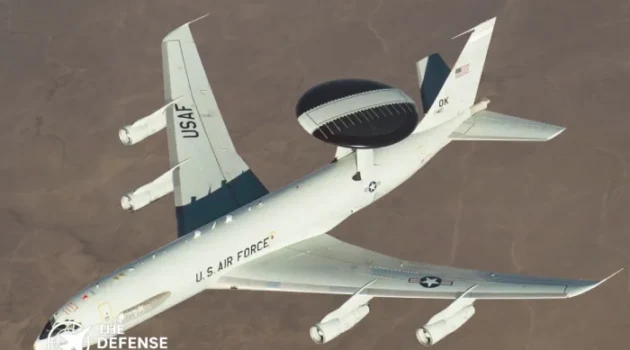
The Boeing-built E-3 Sentry, commonly known as AWACS, is instantly recognizable by its large rotating radar dome. The aircraft serves as an airborne command center, able to detect aircraft at long range, track multiple threats, manage friendly formations, and pass targeting or situational data to commanders in real time.
That role becomes especially important in Alaska.
Why Alaska Matters More Than Ever
Alaska sits at the northern edge of North America and remains one of the shortest air approaches between the United States and peer competitors operating in the Pacific or Arctic regions. Any military planner evaluating long-range bomber routes, cruise missile vectors, or reconnaissance flights must consider this geography.
That makes U.S. Air Force E-3 Sentry operations in Alaska more than a routine training event. It is a reminder that airborne battle management remains essential where terrain, distance, weather, and sparse ground infrastructure can limit radar coverage.
During the exercise, Air Force officials said the E-3 helps create a clearer picture of the airspace for leadership, aircraft, and allies. It also improves decision-making speed during complex operations.
Red Flag Alaska Tests Real Combat Conditions
Red Flag-Alaska is one of the Air Force’s premier large-force training exercises. It is designed to replicate contested combat scenarios involving multiple aircraft types, coalition forces, electronic threats, and fast-changing mission demands.
In that environment, the E-3 Sentry acts as the quarterback of the air battle.
Fighters can focus on their tactical missions while the AWACS crew tracks the broader fight, deconflicts aircraft, monitors threats, and redirects assets when conditions change. That capability is increasingly valuable as modern conflicts place pressure on communications networks and fixed command centers.
Why The E-3 Still Matters Despite Age
The E-3 fleet is aging, and the Air Force has explored replacement paths in recent years. However, exercises such as Red Flag Alaska show there is still no simple substitute for a dedicated airborne command-and-control platform.
Satellites, ground radars, stealth fighters, and networked sensors all contribute to the modern kill chain. But none alone combine persistence, mobility, human decision-making, and real-time control the same way an AWACS aircraft can.
That is particularly true in remote theaters like Alaska, where rapid adaptation may matter more than pure sensor range.
Strategic Message To Adversaries
The use of the E-3 Sentry Red Flag Alaska mission also sends a deterrence signal. It shows the United States continues investing in command resilience and northern defense readiness at a time of rising strategic competition in both the Indo-Pacific and Arctic theaters.
Potential adversaries increasingly rely on long-range strike systems, drones, and electronic warfare. Maintaining an airborne command layer complicates those plans and strengthens joint response options.
Bottom Line
The E-3 Sentry may be a legacy platform, but Red Flag-Alaska 26-1 demonstrates it still fills a frontline role. In vast and contested airspace, the aircraft remains one of the fastest ways to build a real-time battlespace picture and direct forces where they are needed most.
For the U.S. Air Force, that means the E-3 is not just an older aircraft. It is still a critical node in Arctic defense planning.