U.S. Air Power Plan Signals New Focus On Deep Strike
The U.S. air power plan worth roughly $102 billion highlights Washington’s push to strengthen deep strike capacity and maintain air superiority against rising challenges from China and Russia. The spending profile, aligns with broader Pentagon modernization priorities focused on stealth aircraft, long range weapons, survivable networks, and next generation combat aviation.
- U.S. funding package centers on long range strike and future air superiority programs.
- Major priorities include stealth bombers, advanced fighters, weapons, and support networks.
- Strategy reflects rising concern over Chinese force growth and Russian combat aviation threats.
- Investment scale signals multi year modernization rather than a one year surge.
- The central goal is to preserve U.S. ability to strike first, survive, and sustain operations.
The Big Picture
Airpower remains central to U.S. military strategy. It enables rapid response, precision strike, intelligence collection, airlift, and deterrence across Europe, the Indo Pacific, and the Middle East.
That advantage is no longer uncontested. China has expanded fighter production, long range missile forces, airborne sensors, and integrated air defenses. Russia, despite combat losses in Ukraine, still fields a capable tactical aviation force and layered air defense architecture. For U.S. planners, the era of automatic air dominance is over.
The result is a shift from counterinsurgency era fleets toward systems built for heavily defended battlespace.
What’s Happening
The reported U.S. air power plan allocates major resources toward several categories:
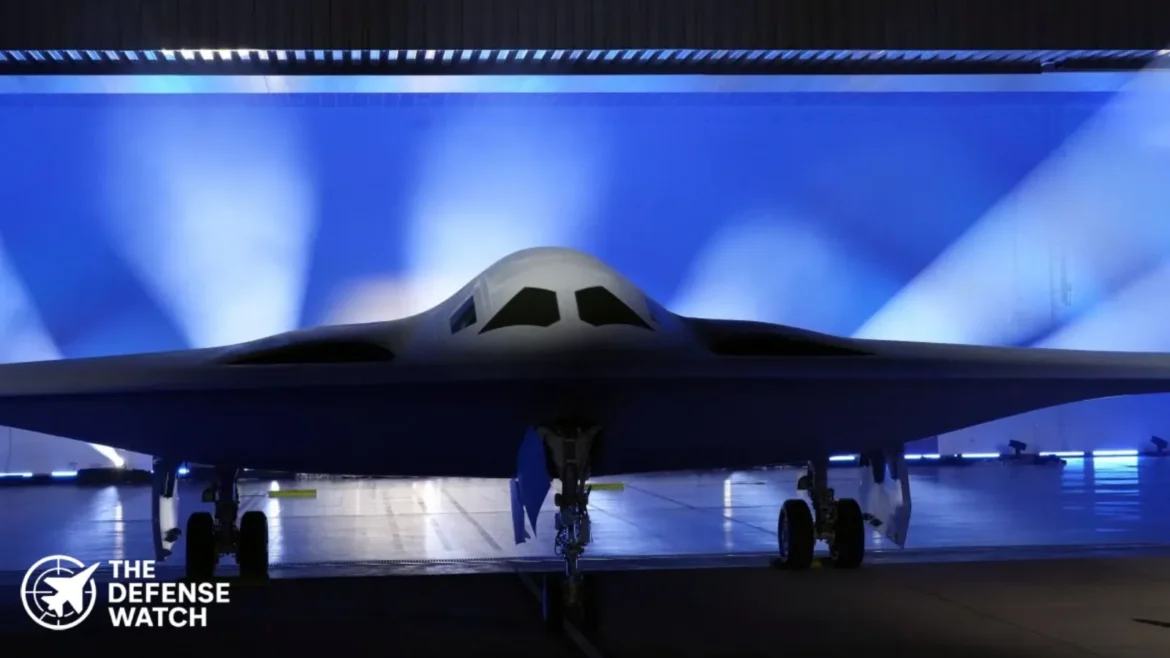
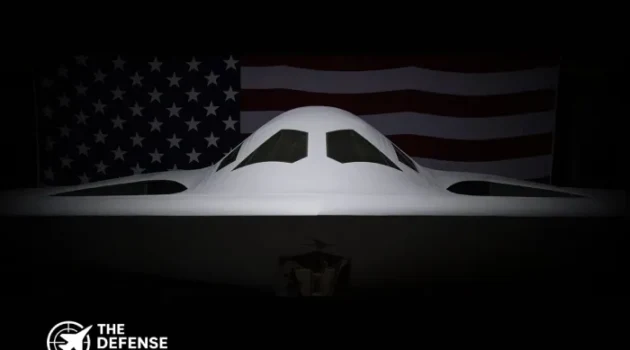
- Stealth bomber procurement, led by the B-21 Raider
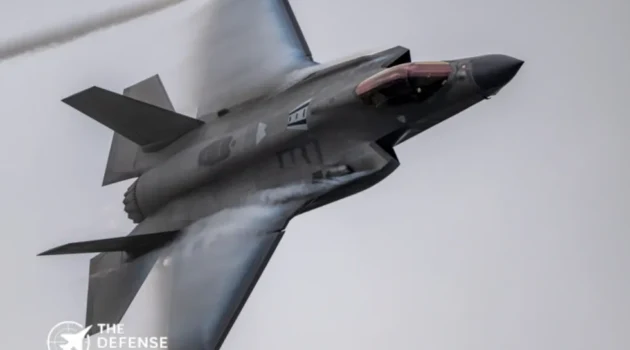
- Tactical fighter modernization, including F-35A Lightning II fleets
- Future air dominance programs, including sixth generation concepts
- Precision munitions and stand off strike weapons
- Tankers, command and control, and support infrastructure
- Research into collaborative autonomous aircraft and networked warfare systems
This reflects a force design built for penetrating defended airspace and sustaining long range campaigns rather than short duration permissive operations.
Why It Matters
Modern air warfare depends on more than fighters. Aircraft need tankers, electronic warfare support, resilient communications, munitions stockpiles, and distributed bases.
That is why the U.S. air power plan matters. It suggests Washington understands that advanced adversaries will target airfields, satellites, fuel logistics, and command networks early in any conflict.
Buying aircraft without fixing those enablers would leave gaps. Funding both strike platforms and supporting architecture is strategically more credible.
Strategic Implications
For the Indo Pacific, range is the defining challenge. Distances are vast, bases are exposed, and resupply could be contested. Long range bombers and survivable tankers become essential.
For Europe, readiness and mass matter more. NATO would need rapid sortie generation, missile defense integration, and sustained combat power if facing Russian escalation.
In both theaters, airpower is tied directly to deterrence. If adversaries believe U.S. forces can penetrate defenses and keep fighting after initial attacks, the threshold for aggression rises.
Competitor View
China is likely to read this investment as confirmation that the U.S. intends to preserve power projection inside the first and second island chains. That may reinforce Beijing’s own spending on missiles, sensors, fighters, and counter space tools.
Russia will likely view the plan through a NATO lens, especially if paired with more rotational deployments and precision strike capacity in Europe.
Neither competitor is standing still, which means procurement speed may matter as much as total dollars.
Capability Gap The Plan Aims To Close
The most serious U.S. weakness is not pilot skill or technology quality. It is the combination of aging fleets, limited production rates, fragile logistics chains, and insufficient munition depth for a prolonged high end war.
The U.S. air power plan appears designed to close four gaps:
- Range against distant targets
- Survivability in contested airspace
- Mass after early attrition
- Sustainment over long campaigns
A realistic limitation remains industrial capacity. Even large budgets cannot instantly produce engines, airframes, chips, or trained maintainers.
What To Watch Next
Watch these indicators over the next 12 to 24 months:
- Annual procurement numbers for bombers and fighters
- Progress on next generation air dominance programs
- Missile stockpile expansion
- New tanker and dispersal basing concepts
- Defense industry production timelines
- Congressional support during budget negotiations
If funding turns into timely deliveries, the plan gains real weight. If programs slip, strategic value falls quickly.
The Bottom Line
The $102 billion push shows the United States is investing not just in aircraft, but in restoring credible air dominance for a more contested era.
U.S. Air Force Expands JASSM Cruise Missile Procurement
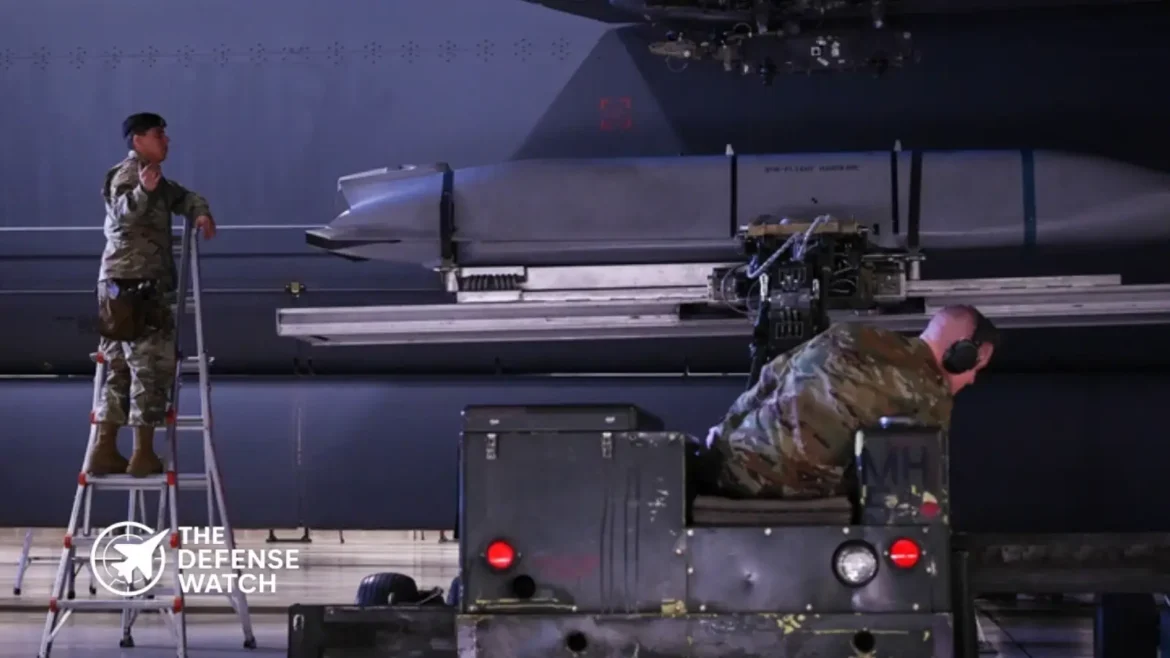
The JASSM cruise missiles program is set for a major expansion after the U.S. Air Force disclosed plans to purchase nearly 4,300 additional weapons through fiscal year 2031, according to budget reporting and defense industry coverage. The move follows recent U.S. combat operations against Iran that reportedly placed heavy demand on long-range precision strike inventories.
- U.S. Air Force plans to acquire nearly 4,300 additional AGM-158 JASSM missiles through fiscal year 2031.
- FY2027 procurement request rises sharply to 821 missiles, up from far lower recent annual levels.
- Program value is projected at roughly $20 billion across the planning period.
- Recent strikes against Iran highlighted how quickly precision munition inventories can be consumed.
- JASSM remains central to U.S. plans for contested theaters including the Indo-Pacific.
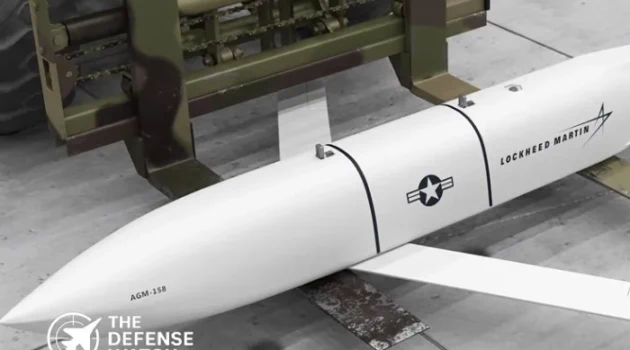
The missile involved is the AGM-158 Joint Air-to-Surface Standoff Missile, commonly known as JASSM. Built by Lockheed Martin, it is designed to strike defended targets from outside enemy air defense range. Its low observable design and precision guidance make it one of the U.S. military’s most important conventional deep-strike weapons.
Why The Pentagon Is Buying More JASSM Missiles Now
The timing matters. Recent reporting indicated the United States drew heavily on JASSM-ER inventories during operations tied to the Iran conflict, including redeployments from other theaters. That raised wider concerns about surge capacity if another crisis emerged in the Indo-Pacific or Europe.
This new procurement plan suggests the Pentagon is shifting from peacetime inventory management toward wartime replenishment logic.
That is strategically significant for three reasons:
- Modern wars consume precision weapons fast
Long-range missiles are often used in opening strikes against radar sites, command centers, air bases, and hardened targets. - Production takes time
Advanced cruise missiles require electronics, propulsion systems, seekers, and skilled labor. Output cannot be doubled overnight. - China contingency planning remains central
U.S. planners continue to view the Pacific as the pacing theater, where standoff strike weapons would be critical.
What Is JASSM And Why It Matters
The baseline AGM-158A has a range of roughly 230 miles, while the extended-range JASSM-ER can exceed 575 miles. The missile carries a 1,000-pound class penetrator warhead and uses GPS, inertial navigation, and terminal seekers for precision attack.
It can be launched by multiple aircraft, including:
That broad integration gives commanders flexible launch options across multiple bases and regions.
Industrial Base Challenge Still Remains
Even with more funding, missile production capacity remains a constraint. Expanding output depends on suppliers of rocket motors, microelectronics, guidance components, and final assembly lines.
This is one of the clearest lessons from the Ukraine war and Middle East operations: stockpiles matter, but so does the ability to replace losses quickly.
For Washington, the 4,300-missile buy is not just a weapons order. It is a signal that sustained conflict planning has returned.
Strategic Outlook
The planned JASSM buildup shows the U.S. Air Force expects future conflicts to require larger inventories of survivable, long-range munitions. Whether aimed at deterring Iran, Russia, or China, the message is clear: precision strike capacity is now a core measure of military readiness.
- Modern wars consume precision weapons fast
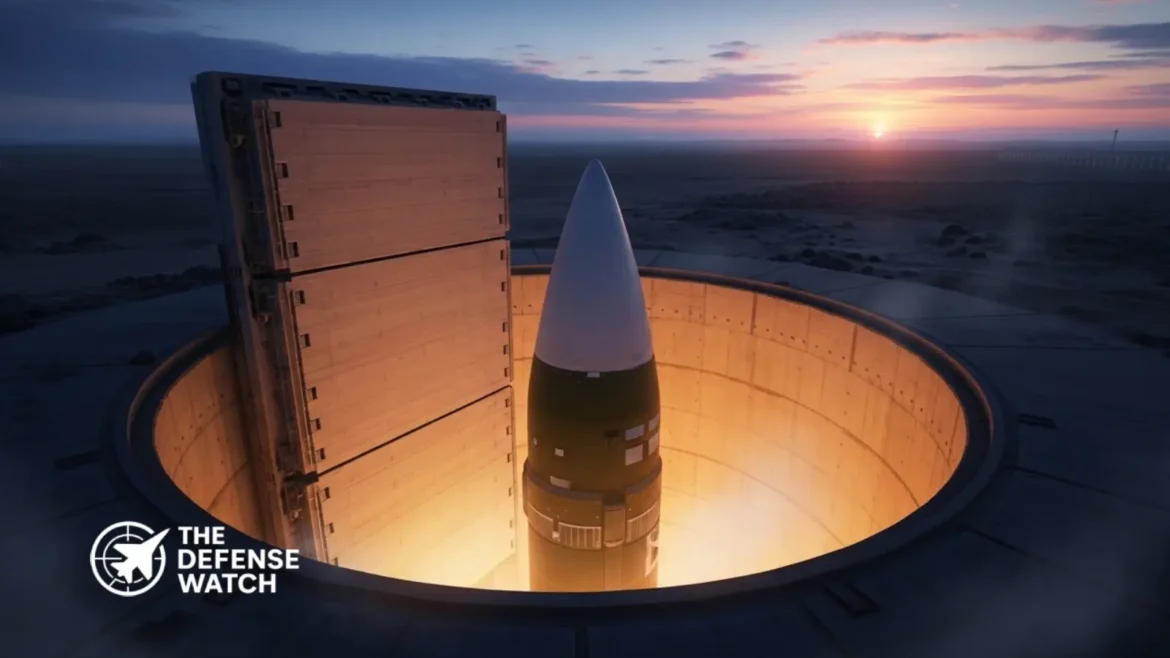
U.S. Funds $4.6 Billion Sentinel ICBM Program
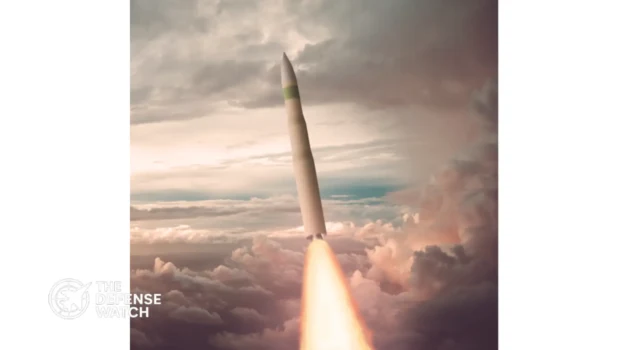
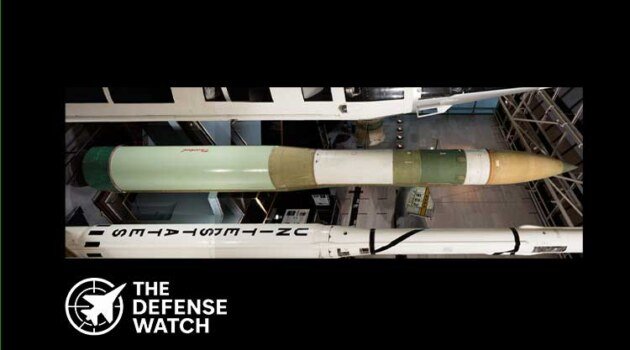
The Sentinel ICBM program has received a new $4.6 billion funding boost, underlining Washington’s commitment to replace the aging LGM-30G Minuteman III missile force with the next-generation LGM-35A Sentinel system.
- The United States is allocating $4.6 billion for the Sentinel ICBM program in the latest defense budget cycle.
- Sentinel is designed to replace the aging Minuteman III missile force first deployed in 1970.
- The program is led by :contentReference[oaicite:0]{index=0} and includes missile, launch control, and silo infrastructure upgrades.
- Initial operational capability is now expected in the early 2030s after delays and restructuring.
- Sentinel remains central to the land-based leg of the U.S. nuclear triad.
The funding, highlighted in recent defense reporting, comes as the Pentagon works to stabilize one of its most complex modernization efforts. Sentinel is intended to renew the ground-based component of the U.S. nuclear triad, alongside ballistic missile submarines and strategic bombers.
For U.S. planners, replacing Minuteman III is no longer optional. The missile entered service in 1970 and has remained operational through repeated life-extension efforts. Many of its core support systems, launch facilities, and command networks date back decades.
Why Sentinel Matters
Unlike a simple missile swap, Sentinel is a full system rebuild. It includes:
- New solid-fuel intercontinental ballistic missiles
- Modernized launch control centers
- Refreshed underground silos and support sites
- Updated communications and command links
- Cyber-resilient digital architecture
Congressional research notes the existing Minuteman III infrastructure includes facilities originating in the 1960s, which adds urgency to replacement timelines.
That broader scope explains why Sentinel has become one of the Pentagon’s most expensive strategic programs.
Delays And Rising Costs
The Sentinel program has faced schedule pressure and major cost growth. In 2024, the Pentagon acknowledged the effort was significantly over budget, triggering a Nunn-McCurdy review process for troubled acquisition programs. Reuters previously reported total program estimates above $140 billion.
More recently, the U.S. Government Accountability Office said the first missile flight has slipped roughly four years from earlier plans, with testing now expected in 2028.
Still, the Air Force says initial capability is targeted for the early 2030s.
Strategic Analysis
The latest $4.6 billion Sentinel ICBM allocation suggests the U.S. government has chosen continuity over delay despite mounting costs.
That matters for three reasons:
First, Washington sees land-based missiles as a core deterrent against peer nuclear rivals such as Russia and China.
Second, abandoning Sentinel would likely require another expensive life-extension for Minuteman III, itself an aging system with shrinking industrial support.
Third, the program supports a specialized industrial base tied to solid rocket motors, hardened infrastructure, and nuclear command systems.
In short, Sentinel is costly, but cancellation would also carry strategic and financial risks.
What Comes Next
The next milestones to watch include:
- Completion of program restructuring
- New acquisition baseline approval
- First pad launch testing
- 2028 flight test progress
- Infrastructure construction across missile fields
If these steps hold, the Sentinel ICBM could begin replacing Minuteman III during the next decade.

A-10 Warthog Service Extended To 2030
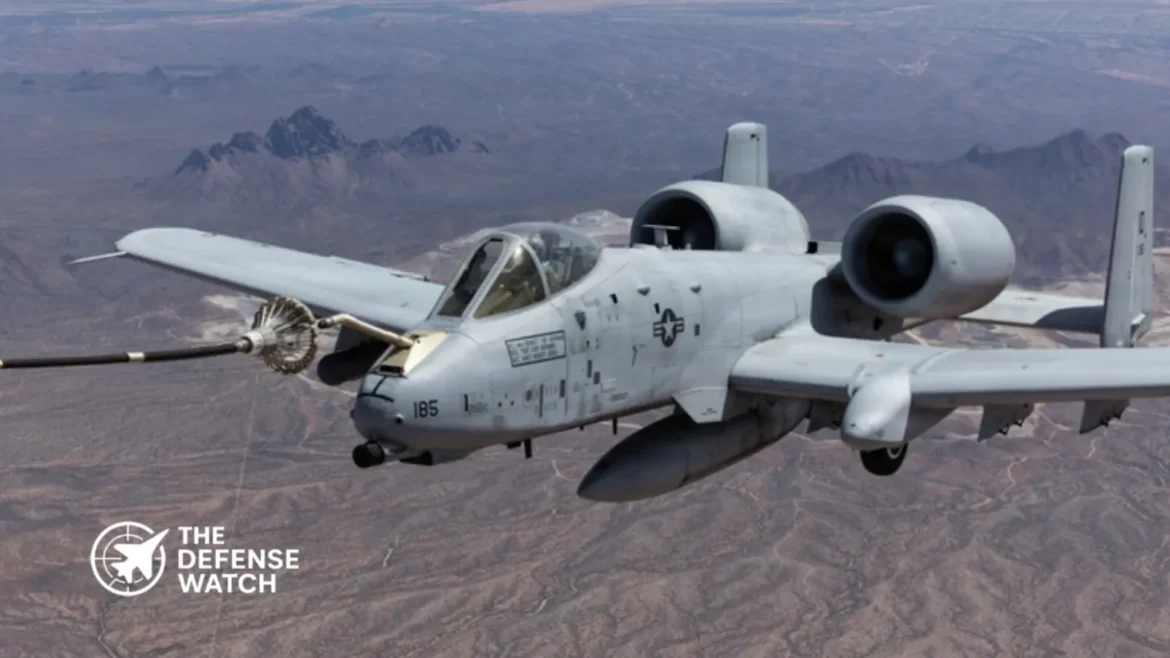
The A-10 Warthog service extended decision marks a major reversal in long-running U.S. Air Force plans to retire the iconic close air support aircraft. Air Force Secretary Troy Meink announced that the A-10 Thunderbolt II fleet will remain in service through 2030, citing the need to preserve combat power while the U.S. defense industrial base increases production of newer aircraft.
- The U.S. Air Force has extended A-10 Warthog service life to 2030.
- The aircraft had previously faced retirement as early as 2026 under earlier plans.
- Officials said the move preserves combat power while aircraft production ramps up.
- A-10 aircraft were recently used in operations linked to the Iran conflict.
- The decision highlights continuing demand for close air support capability.
The move follows renewed operational use of the aircraft during the current Iran conflict, where U.S. Central Command-linked reporting indicated A-10 aircraft were employed in combat missions.
Why The Pentagon Changed Course
For years, the U.S. Air Force argued that the A-10 was aging, costly to maintain, and increasingly vulnerable in highly contested airspace. Service leaders repeatedly sought to retire the aircraft and redirect funding toward newer platforms such as the Lockheed Martin F-35 Lightning II and Boeing F-15EX Eagle II.
But combat realities often shape procurement timelines more than planning documents.
The latest extension suggests the Pentagon still sees value in aircraft that can loiter for long periods, carry heavy ordnance, and provide direct support to ground forces. In lower-to-medium threat environments, the A-10 remains a practical tool even if it is no longer considered ideal for high-end peer conflict.
That distinction matters. The aircraft may not be central to a Pacific war scenario, but it can still be useful in regional conflicts, maritime security operations, convoy protection, and rapid response missions.
Why The A-10 Still Matters
The Fairchild Republic A-10 Thunderbolt II first entered service in the 1970s and was built around its powerful 30mm GAU-8/A cannon. It became famous during the Gulf War and later saw action in Afghanistan, Iraq, and operations against ISIS.
Its strengths remain clear:
- Long loiter time over the battlefield
- Heavy weapons load
- Rugged design and battle damage tolerance
- Strong close air support performance
- Lower operating complexity than some advanced fighters
Critics, however, note that survivability against modern integrated air defense systems remains a serious concern.
Strategic Meaning Behind The 2030 Extension
The extension is also a signal about industrial capacity. U.S. officials specifically tied the move to the need for more combat aircraft production. That implies replacement fleets are not arriving fast enough to fully absorb the A-10 mission set.
In practical terms, Washington appears to be choosing available combat mass over a cleaner retirement schedule.
That is a broader lesson across many air forces today. Legacy aircraft once marked for retirement are staying in service longer because new production, pilot training pipelines, and maintenance transitions take time.
What Comes Next
The A-10 Warthog service extended announcement does not guarantee the aircraft survives beyond 2030. Instead, it likely creates a bridge period while newer aircraft numbers grow and force structure decisions mature.
For now, the Warthog has won another reprieve.
And once again, a combat-tested legacy aircraft has outlasted retirement plans.


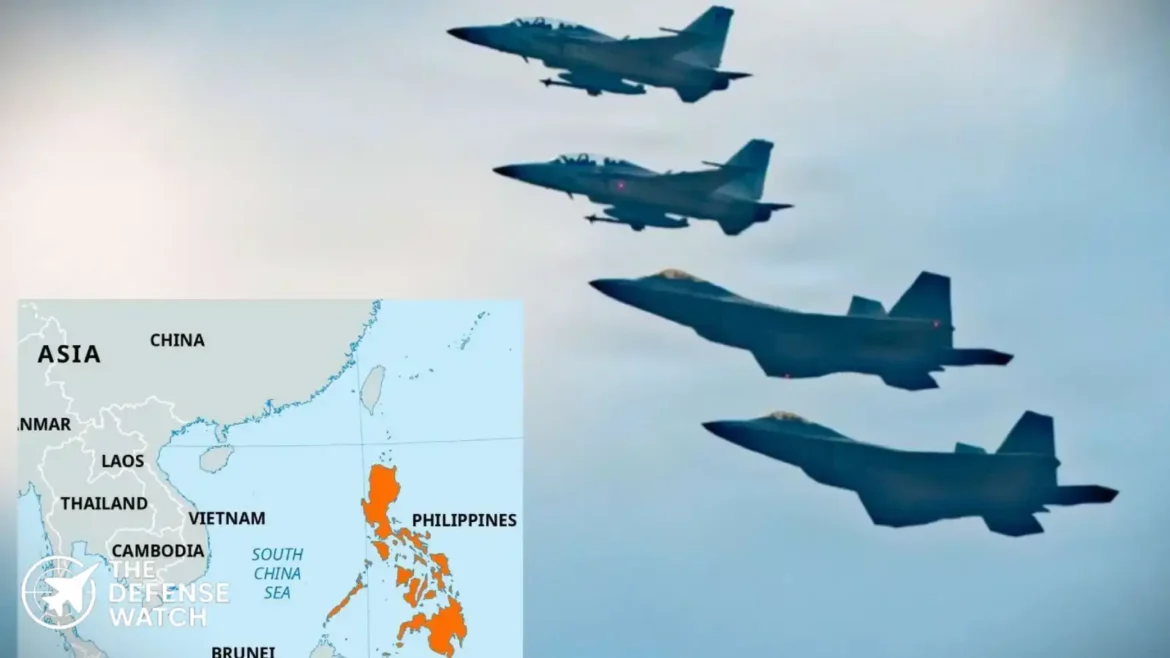
U.S. F-22 Raptors Deepen Indo-Pacific Interoperability With Philippine FA-50PHs
U.S. F-22 Raptors have conducted joint air combat interoperability training with Philippine Air Force FA-50PH fighter aircraft, marking another step in expanding allied airpower cooperation across the Indo-Pacific. The exercise underscores Washington and Manila’s growing focus on readiness, deterrence, and combined operations.
- U.S. F-22 Raptors trained alongside Philippine Air Force FA-50PH fighters in new bilateral air combat exercises.
- The drills focused on interoperability, tactical coordination, and joint mission execution.
- F-22 Raptors bring stealth, sensor fusion, and air dominance capabilities to allied operations.
- Philippine FA-50PH aircraft provide multirole combat capability and rapid-response flexibility.
- The exercise highlights growing U.S.-Philippine defense cooperation in the Indo-Pacific.
The training comes as regional security concerns continue to shape military planning across the South China Sea and wider Pacific theater. For both countries, practical integration between air forces is increasingly valuable.
Why The Drill Matters Now
Joint training between fifth-generation U.S. fighters and regional partner aircraft offers more than symbolic value. It creates real-world familiarity between pilots, mission planners, maintainers, and command structures.
The U.S. F-22 Raptors remain one of the world’s premier air superiority platforms. Combining stealth shaping, high-end sensors, supercruise speed, and advanced data awareness, the aircraft is designed to dominate contested airspace.
For the Philippines, operating alongside the F-22 helps expose crews to advanced tactical procedures that can improve national air defense operations. Even limited interactions with such aircraft can raise standards in mission planning, communications discipline, and air battle management.
FA-50PH Role In Philippine Defense Strategy
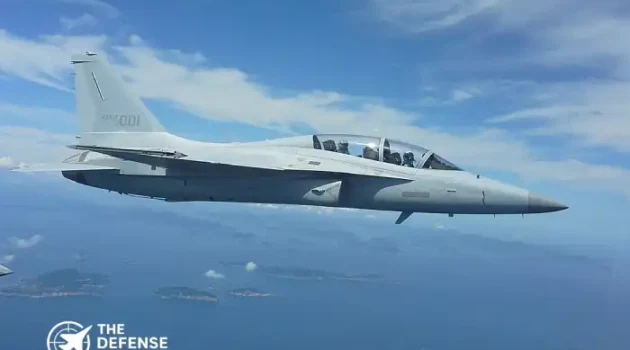
The Philippine Air Force’s FA-50PH fleet has become a central part of Manila’s modern combat aviation capability. Derived from the South Korean FA-50 platform, the aircraft can perform air defense, strike, training, and patrol missions.
While it is not in the same class as stealth fighters, the FA-50PH gives the Philippines a flexible and cost-effective fast jet fleet that can respond quickly to security events.
Its participation in exercises with U.S. F-22 Raptors also reflects a broader strategy, pairing national assets with allied high-end systems to improve layered deterrence.
Strategic Message Across The Indo-Pacific
The timing of such exercises matters. U.S.-Philippine military ties have accelerated in recent years through expanded base access, rotational deployments, maritime patrols, and combined exercises.
Airpower cooperation sends a visible signal that alliance commitments are backed by operational activity, not only policy statements.
For regional observers, the presence of F-22 aircraft in exercises suggests the U.S. is willing to deploy premier combat assets forward when required. That can shape deterrence calculations among competitors and reassure partners.
What Interoperability Really Means
Interoperability is often used as a broad term, but in military aviation it has direct operational meaning:
- Shared radio procedures
- Common tactical language
- Coordinated target identification
- Deconflicted airspace management
- Faster mission handoff between aircraft types
- Better response during crises or natural disasters
These foundations become critical during real contingencies, when reaction time is limited.
Outlook For Future U.S.-Philippine Air Cooperation
As the Philippines continues military modernization, future exercises could expand into maritime strike coordination, integrated air defense drills, and larger multinational events.
The U.S. F-22 Raptors training with Philippine FA-50PHs indicates a maturing defense relationship centered on practical readiness. In a region where distance, speed, and air control matter, that cooperation carries growing strategic weight.
U.S. Air Force F-16 Integration Expands Strike Flexibility
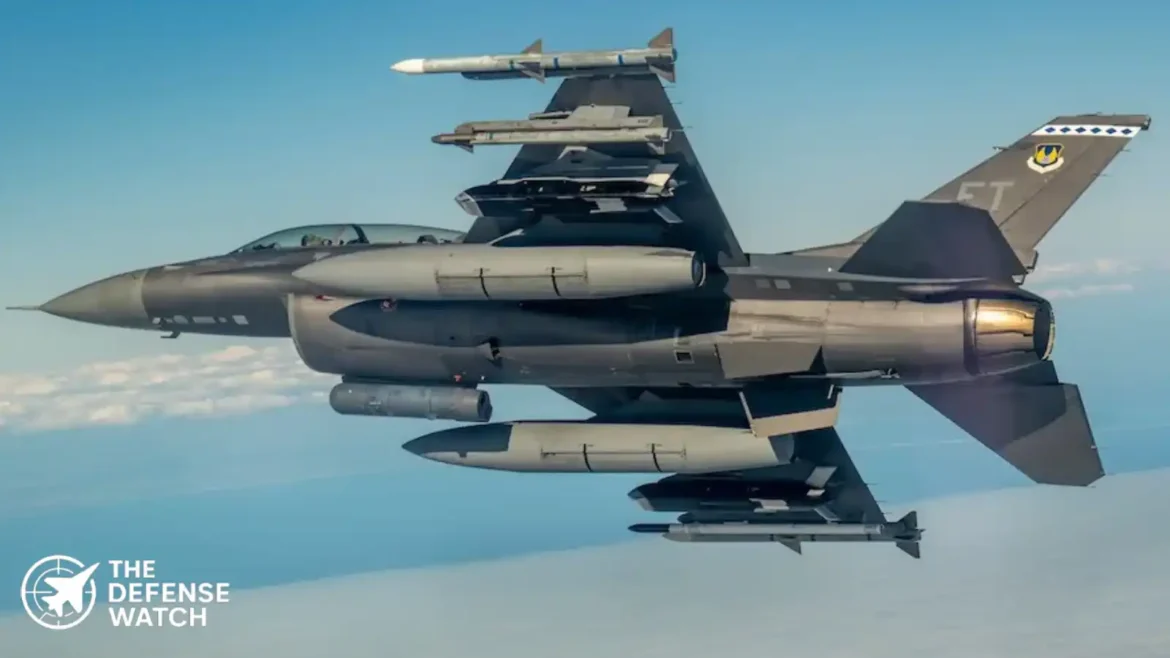
The U.S. Air Force F-16 has successfully undergone rapid integration work for a new munition, according to reporting from Defence Industry Europe. The effort underscores how the service continues to modernize proven fighter fleets through accelerated weapons testing rather than relying only on new aircraft procurement.
- U.S. Air Force test teams rapidly integrated a new munition onto the F-16 platform.
- Work focused on software, carriage, release, and compatibility testing.
- Faster integration improves combat flexibility during high demand operations.
- F-16 remains one of the most widely used U.S. and allied fighter aircraft.
- Upgrade shows legacy fighters can gain new capability without waiting for new airframes.
The Big Picture
The U.S. military faces simultaneous pressure to sustain readiness in Europe, the Middle East, and the Indo-Pacific. That environment has increased demand for adaptable aircraft that can carry multiple weapon types with minimal delay.
The F-16 remains central to that strategy. While fifth-generation fighters receive most public attention, large numbers of F-16s still perform air defense, close air support, suppression of enemy air defenses, and precision strike missions. Rapidly adding new munitions gives commanders more options at lower cost.
What’s Happening
The source report states that a U.S. Air Force test team completed fast-paced work to integrate a new munition with the F-16. Such programs usually involve several stages:
- Aircraft software updates
- Flight safety certification
- Carriage and separation testing
- Weapon guidance interface checks
- Live or simulated release trials
- Operational suitability reviews
These steps are essential because even capable weapons require platform-specific validation before frontline use.
The Air Force often conducts this work through developmental test units in partnership with industry and operational squadrons.
Why It Matters
Weapons integration speed can matter as much as aircraft performance. A fighter with an open, adaptable architecture can adopt new weapons faster than one requiring long redesign cycles.
That gives the F-16 three major advantages:
1. Lower-cost modernization
Adding weapons can extend service life without buying entirely new aircraft.2. Mission flexibility
Units can tailor loadouts for air defense, bunker strike, maritime attack, or battlefield interdiction.3. Allied interoperability
Many partner nations operate F-16 fleets. Once a weapon is integrated and approved, export users may eventually pursue similar upgrades.Strategic Implications
The F-16 still serves in U.S. Air National Guard units, active-duty formations, aggressor roles, and foreign military fleets. Any new munition integrated onto the aircraft potentially strengthens coalition airpower.
In Europe, upgraded F-16 fleets improve NATO depth and readiness. In the Middle East, they offer responsive strike capability with established logistics chains. In the Indo-Pacific, dispersed air operations favor aircraft with broad weapons compatibility and mature sustainment networks.
Rapid integration also signals that the Pentagon wants shorter acquisition cycles. That trend reflects lessons learned from recent conflicts where battlefield needs evolve faster than traditional procurement timelines.
Competitor View
China and Russia closely monitor U.S. efforts to improve legacy aircraft lethality. Both countries invest in layered air defenses, electronic warfare, and long-range missiles designed to complicate Western air operations.
A more flexible F-16 armed with modern stand-off or precision munitions complicates that planning. It means adversaries must account not only for stealth aircraft, but also for large fleets of upgraded fourth-generation fighters carrying effective weapons.
Regional rivals in other theaters may draw the same conclusion.
What To Watch Next
Several next steps will determine the program’s long-term value:
- Operational squadron fielding timelines
- Whether allied F-16 users adopt the same weapon
- Additional software block upgrades
- Integration with targeting pods and data links
- Production rates for the munition itself
If rollout occurs quickly, the F-16 could gain near-term combat relevance beyond previously planned timelines.
Capability Gap
The core weakness this kind of program addresses is inventory lag. Aircraft often remain in service longer than their original weapons architecture anticipated.
Rapid integration closes the gap between available aircraft and emerging weapons. It also helps offset limited numbers of newer fighters such as the F-35.
A realistic limitation remains survivability in heavily defended airspace. Even with advanced weapons, non-stealth aircraft still require tactics, escort support, electronic warfare, or stand-off employment.
The Bottom Line
Rapidly arming the F-16 with new munitions shows the U.S. Air Force can generate meaningful combat power now, not years from now.
U.S. Air Force Fighter Procurement Gap Raises Alarm
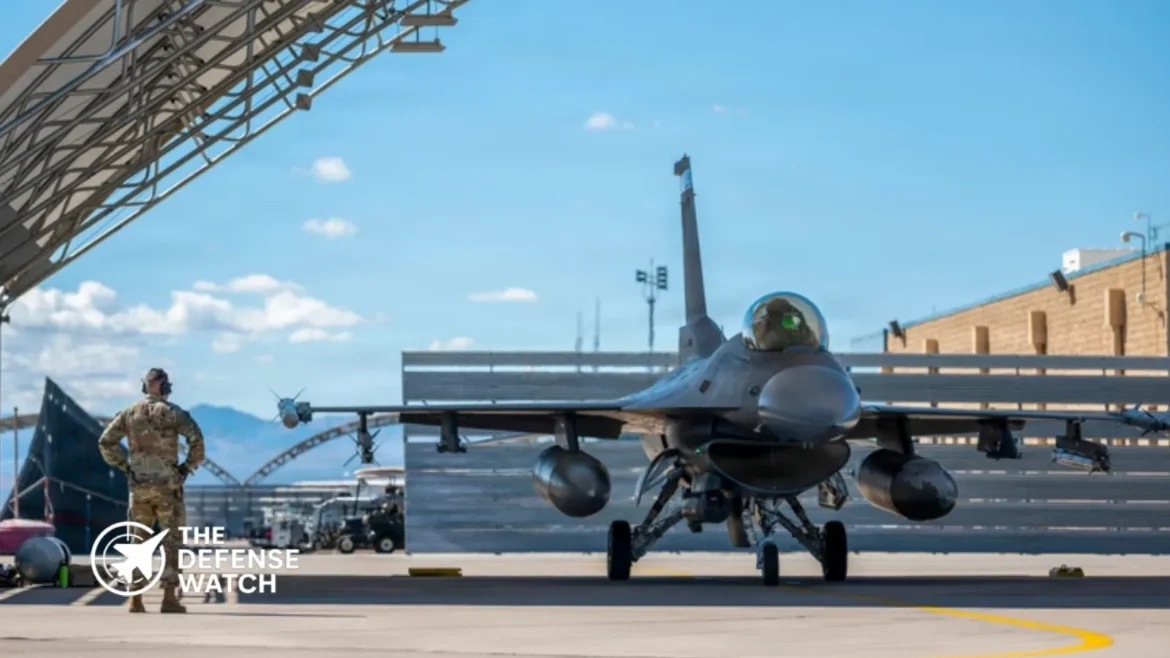
The U.S. Air Force fighter procurement requirement has emerged as a critical concern, with senior Air National Guard leaders telling Congress that the service needs at least 100 new fighters annually to maintain readiness and global operational capacity.
Testifying before lawmakers, Guard officials emphasized that current acquisition rates fall well below this benchmark, creating a widening gap between force structure requirements and available aircraft. According to reporting by Air & Space Forces Magazine, this shortfall risks undermining the Air Force’s ability to sustain combat operations across multiple theaters.
- U.S. Air Force leaders say 100 new fighter jets per year are needed to sustain force structure and readiness.
- Current procurement rates fall significantly below this threshold, raising concerns over capability gaps.
- Aging aircraft fleets, particularly in the Air National Guard, are becoming increasingly difficult to maintain.
- Lawmakers were told that modernization delays could impact U.S. global deterrence posture.
- The issue comes amid rising strategic competition with near-peer adversaries.
At the core of the issue is an aging fleet. Many aircraft in service today, particularly within the Air National Guard, are decades old and increasingly expensive to maintain. As maintenance costs rise and availability rates decline, the operational burden on newer platforms continues to grow.
Aging Fleet Pressures Force Structure
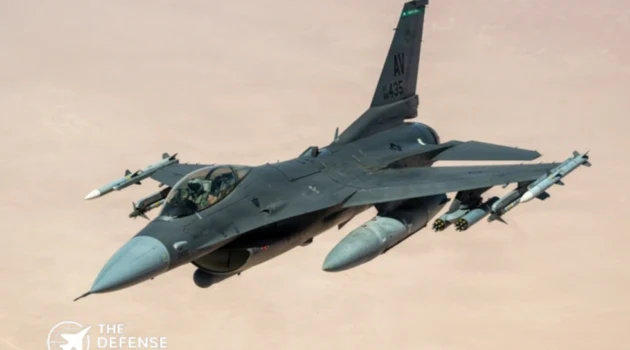
A significant portion of the Air National Guard’s inventory includes legacy fighters such as F-15s and F-16s that have exceeded their intended service lives. While upgrades have extended their usability, officials noted that these aircraft are approaching the limits of cost-effective sustainment.
This creates a dual challenge. On one hand, the Air Force must invest in maintaining legacy systems to ensure near-term readiness. On the other, it must accelerate procurement of next-generation fighters to remain competitive against advanced adversaries.
Guard leaders highlighted that without consistent procurement of around 100 aircraft per year, the service risks a gradual erosion of its combat capacity. This is not just a numbers issue. It directly affects pilot training, sortie generation rates, and the ability to surge forces during crises.
Strategic Context: Rising Global Competition
The push for increased fighter procurement comes amid intensifying strategic competition, particularly with China and Russia. Both nations have invested heavily in modern air combat capabilities, including fifth-generation fighters, integrated air defense systems, and long-range strike assets.
In this context, maintaining a robust and modern fighter fleet is central to U.S. deterrence strategy. Air superiority remains a foundational element of joint operations, enabling freedom of movement across land, sea, and air domains.
Guard officials stressed that the Air National Guard plays a critical role in this mission. It provides a substantial portion of the Air Force’s combat-coded units while also supporting homeland defense missions. Any degradation in Guard capabilities would therefore have both domestic and global implications.
Budget Constraints and Procurement Realities
Despite the clear requirement, achieving a steady procurement rate of 100 fighters annually faces significant budgetary and industrial challenges. Defense budgets must balance competing priorities, including nuclear modernization, space capabilities, and emerging technologies.
Additionally, production capacity within the defense industrial base is not easily scalable in the short term. Aircraft manufacturing involves complex supply chains and long lead times, limiting how quickly output can be increased.
Recent procurement trends reflect these constraints. Annual fighter purchases have fluctuated, often falling short of the levels needed to offset retirements and maintain fleet size. This mismatch contributes to a gradual decline in overall fighter inventory.
Analysis: A Structural Readiness Challenge
The call for 100 fighters per year highlights a deeper structural issue within U.S. airpower planning. For years, the Air Force has operated below its desired force size, relying on aging platforms to fill capability gaps.
This approach carries increasing risk. As aircraft age, maintenance demands rise exponentially, reducing availability and increasing costs. At the same time, adversaries are fielding more advanced systems, narrowing the qualitative edge historically held by the U.S.
Sustaining readiness under these conditions requires a consistent and predictable procurement strategy. Sporadic increases in funding or short-term programs are unlikely to address the underlying imbalance between force structure and acquisition rates.
Moreover, the integration of next-generation platforms such as the F-35 must be aligned with retirements to avoid capability gaps during the transition period. This requires long-term planning and stable funding commitments.
Outlook
As Congress considers future defense budgets, the Air Force’s requirement for 100 new fighters annually is likely to remain a central issue. The debate will hinge on balancing fiscal constraints with the need to maintain credible airpower in an increasingly contested global environment.
Failure to address this gap could have long-term consequences for U.S. military effectiveness, particularly in high-end conflicts where air superiority is contested.
Pentagon’s FY2027 Budget Doubles Down on F-47, Exposing a Deep Divide Over Naval Aviation’s Future
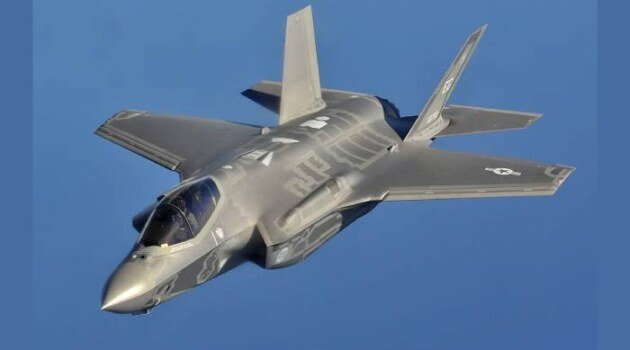
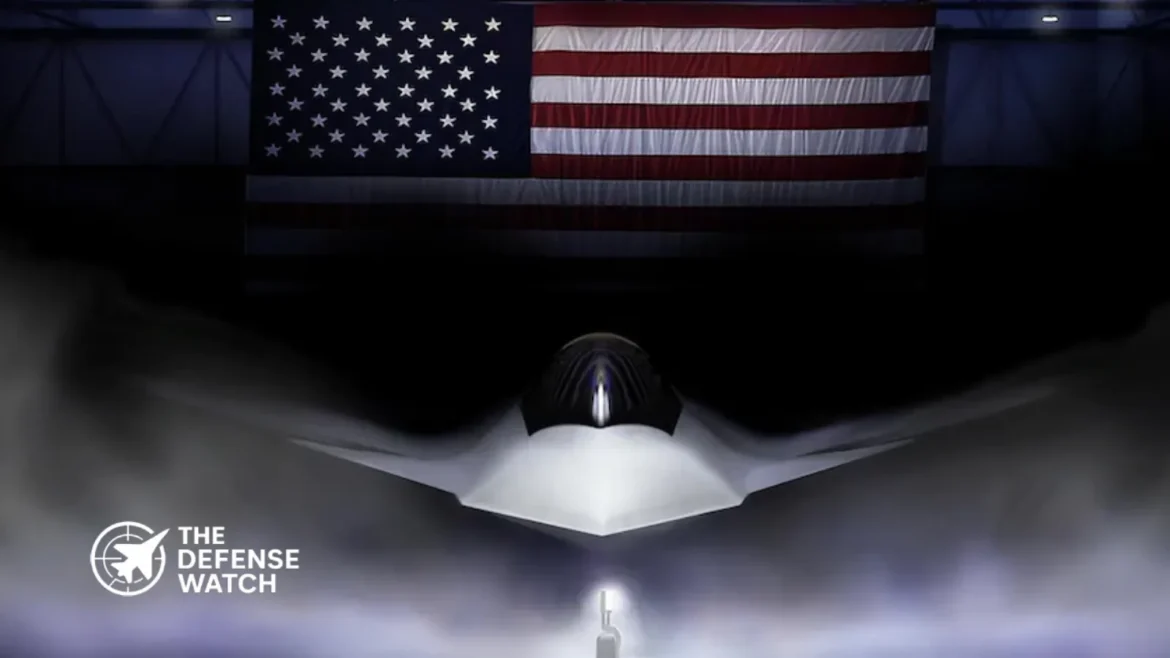
The Trump administration’s fiscal year 2027 defense budget delivers the clearest signal yet about White House airpower priorities: the F-47 sixth-generation fighter will receive roughly $5 billion in development funding, while the Navy’s own next-generation combat jet — the F/A-XX — gets just $140 million. The asymmetry, embedded in a record-breaking $1.5 trillion overall defense request, sets up a potential clash between the executive branch and Congress that could define U.S. combat aviation investment for the decade ahead.
- The Trump administration’s FY2027 defense budget requests approximately $5 billion for the Air Force’s F-47 sixth-generation fighter — all from baseline discretionary spending.
- The Navy’s next-generation fighter, the F/A-XX, receives just $140 million in the FY2027 request — a 35-to-1 funding disparity compared to the F-47.
- Budget documents state the F-47 program is on track to achieve first flight in 2028, marking a critical milestone for the Boeing-built aircraft.
- Congress dramatically boosted F/A-XX funding in FY2026 — from $74 million to nearly $1.7 billion — in direct contrast to the White House’s current proposal.
- The FY2027 request also includes 85 F-35 aircraft across the Air Force, Navy, and Marine Corps, with 53 funded through the proposed reconciliation bill.
The Big Picture
U.S. military aviation modernization has reached a critical inflection point. The Trump administration is, once again, going all in on the development of the Air Force’s sixth-generation fighter while seeking only a fraction of funding for the Navy’s future combat jet.
The F-47, built by Boeing and designed to replace the F-22 Raptor as the Air Force’s premier air superiority platform, represents the centerpiece of Washington’s push to maintain dominance over increasingly capable Chinese and Russian air forces. China’s J-20 and J-35 programs are maturing rapidly, and Beijing has publicly telegraphed ambitions for its own sixth-generation program. Against that backdrop, the F-47 is not merely a procurement decision — it is a strategic deterrence instrument.
The FY2027 budget, released April 3, frames this investment explicitly in those terms. Budget documents state: “The Administration is sending a clear message to the nation’s adversaries by aggressively moving forward with the F-47 sixth-generation fighter: that the U.S. military will secure command of the skies, deter aggression, and project power anywhere on the globe.”
What’s Happening
The record-breaking $1.5 trillion FY2027 defense spending request includes around $5 billion to develop the F-47, all from baseline discretionary funding. This represents a substantial increase from the prior year. The F-47 received $2.5 billion in the FY2026 budget request and $900 million in reconciliation funding, netting a total of $3.5 billion last year.
The contrast with naval aviation is striking. Just $140 million — $72 million of which comes from a proposed reconciliation bill — is requested for the Navy’s F/A-XX next-generation fighter.
The budget documents state the FY2027 request would achieve a first flight for the F-47 in 2028. That timeline, if met, would put the Air Force on a credible path toward initial operational capability by the early 2030s — ahead of what most analysts had previously projected for any U.S. sixth-generation platform.
On the F-35 front, the White House is requesting a total of 85 aircraft for the Air Force, Navy, and Marine Corps, with 32 funded by the discretionary budget and 53 by the proposed reconciliation bill. Of the total, 38 would go to the Air Force, 37 to the Navy, and 10 to the Marine Corps.
Why It Matters
The funding gap between the F-47 and F/A-XX is not simply a budgetary preference — it reflects a fundamental debate inside the U.S. defense establishment about where air combat superiority will be won in a future high-end conflict.
The Air Force’s F-47 program benefits from clear White House backing, a named contractor in Boeing, and now a declared first-flight target. The program has momentum and institutional support that the F/A-XX currently lacks at the executive level.
The Navy’s predicament is more complicated. Carrier-based aviation remains central to U.S. power projection in the Indo-Pacific, and any gap in next-generation naval air capability would directly undercut the strike group’s relevance against a peer adversary equipped with advanced integrated air defense systems. The F/A-XX is designed to eventually replace the F/A-18E/F Super Hornet — a platform that, while still capable, was not designed for contested airspace against near-peer threats.
The disparity also raises questions about inter-service equity and joint warfighting integration. In a high-end conflict against China — the scenario that drives most Pentagon planning — both Air Force and Navy aviation assets would need to operate together. A generational capability gap between the two services’ frontline fighters could complicate coordinated strike packages and force the Navy to rely on older platforms longer than intended.
Strategic Implications
The $5 billion F-47 request carries implications well beyond the Air Force budget line.
First, it signals that the administration views air dominance as the foundational layer of deterrence — a position consistent with both historical U.S. military doctrine and the emerging realities of modern contested airspace. Advanced air defense systems in China and Russia have fundamentally changed the threat calculus for fifth-generation fighters like the F-35 and F-22, and the F-47 is intended to defeat those systems at range, with greater survivability and payload flexibility.
Second, the budget’s heavy reliance on reconciliation funding for major defense programs — including portions of the F-35 buy and F/A-XX — introduces legislative risk. Reconciliation bills require specific procedural conditions to pass, and the fate of defense provisions within them is never guaranteed. Programs that depend on reconciliation funding for basic development activities are structurally vulnerable to political disruption.
Third, the funding trajectory for F-47 — from $3.5 billion in FY2026 to a proposed $5 billion in FY2027 — represents a steep acceleration. That pace suggests the program has cleared significant internal milestones and that contractors and program managers are confident enough to absorb and execute at that spending rate. Rapid funding ramp-ups in defense programs can indicate genuine technical progress or, alternatively, schedule pressure driven by strategic urgency rather than engineering readiness.
Competitor View
Beijing will study this budget request carefully. China’s People’s Liberation Army Air Force has advanced its own sixth-generation aviation research, and the pace of U.S. investment in the F-47 sends a direct message about American intent to maintain an air combat edge in the Western Pacific.
From Beijing’s perspective, the F-47’s projected 2028 first flight — combined with its development funding level — suggests the U.S. is accelerating a platform designed specifically to penetrate and operate inside China’s layered air defense envelope. This will likely reinforce Chinese investment in both next-generation interceptors and advanced surface-to-air missile systems intended to complicate F-47 operations.
Russia, whose Su-57 program has faced persistent production and funding challenges, will also note the contrast. U.S. commitment to a fully funded sixth-generation program underscores a qualitative edge that Moscow currently cannot match and is unlikely to close within the next decade.
The Congressional Flashpoint: F/A-XX
Lawmakers’ support for the F/A-XX program soared in January when House and Senate appropriators boosted its funding more than tenfold, from $74 million to $897 million. Along with $750 million from the reconciliation bill, the Navy’s fighter saw nearly $1.7 billion in total enacted funding.
That congressional intervention — overriding a White House posture that had repeatedly deprioritized F/A-XX — sets the stage for a renewed budget battle. Lawmakers had also requested details on the Navy’s acquisition strategy, spending plan, and timeline for awarding the manufacturing and development contract, as well as an explanation for why the Navy had not spent F/A-XX funds allocated in previous years.
That last point is politically damaging for the Navy. Unspent prior-year funds in a contested program give skeptics in both the White House and the Office of Management and Budget grounds to question the Navy’s execution capacity and institutional commitment to the program. If the service cannot demonstrate a credible plan to obligate and execute the funds Congress already provided, restoring that support in future cycles becomes significantly harder.
What To Watch Next
The 2028 first flight target for the F-47 will be the most closely watched near-term milestone. A successful first flight would validate the program’s accelerated funding and signal that Boeing and the Air Force have managed the technical risk inherent in any sixth-generation platform — which is expected to integrate advanced stealth, next-generation propulsion, directed energy capability hooks, and AI-assisted mission systems.
On the F/A-XX side, the key indicator will be whether Congress again overrides the White House’s proposed funding cut, and whether the Navy can present lawmakers with the acquisition strategy and spending plan they demanded as a condition of FY2026 support. A second consecutive year without a credible program roadmap would likely erode congressional confidence and potentially jeopardize the program’s long-term viability.
The F-35 procurement request — 85 aircraft across three services — will also draw scrutiny. The reliance on reconciliation funding for more than half of that buy highlights the broader risk that attaches to defense modernization programs funded through politically fragile legislative vehicles.
Capability Gap
The F-47 addresses a gap that has grown more urgent with each passing year: the Air Force’s lack of a post-F-22 air superiority platform capable of operating in the most heavily contested airspace.
The F-22 entered service in 2005 and, while still unmatched in many respects, was designed against the threat environment of the 1990s. The F-35, a multirole aircraft optimized for strike and interoperability rather than pure air dominance, does not fully substitute for dedicated air superiority capability. The F-47 is intended to close that gap with a combination of advanced stealth, extended range, next-generation sensors, and the ability to operate in concert with autonomous wingmen — a concept the Air Force has been developing under the Collaborative Combat Aircraft program.
The realistic limitation is schedule risk. Sixth-generation programs are extraordinarily complex, and ambitious timelines have historically slipped. The FY2027 funding acceleration suggests confidence, but the defense acquisition record counsels caution. A first flight in 2028 would be a genuine achievement; a delay of even one year would revive questions about program management and cost discipline.
The Bottom Line
The FY2027 defense budget’s 35-to-1 funding advantage for the F-47 over the F/A-XX is a deliberate strategic statement — one that prioritizes Air Force air dominance in the near term while risking a carrier aviation capability gap that Congress will almost certainly move to correct.

What Is a Sonic Boom, and Why Does It Matter for Military Aviation?
A sonic boom is one of the most dramatic byproducts of modern air power — a thunderclap produced not by weather, but by the raw physics of supersonic flight. A sonic boom is an impulsive noise caused by an object moving faster than sound, which travels at approximately 750 miles per hour at sea level. The phenomenon has shaped U.S. Air Force doctrine, civilian airspace law, and now, the trajectory of a new generation of aerospace technology designed to tame it.
For defense analysts and aviation professionals alike, understanding how sonic booms are generated, regulated, and potentially neutralized has become increasingly relevant in 2026 — as both military trainers and commercial developers push the boundaries of supersonic operations over populated land.
¦ KEY FACTS AT A GLANCE- A sonic boom is produced when any aircraft exceeds approximately 750 miles per hour at sea level — roughly the speed of sound.
- The U.S. Air Force has conducted supersonic test flights since 1947, and most of its fighter aircraft are supersonic-capable today.
- Peak sonic boom overpressure for typical fighter aircraft ranges from less than 1 to about 10 pounds per square foot under normal flight conditions.
- NASA’s X-59 QueSST demonstrator completed its maiden flight on October 28, 2025, targeting a reduced “sonic thump” instead of a full boom.
- Community overland supersonic acceptance flights by NASA are planned for 2026, with regulatory data submissions expected by 2028.
The Physics Behind the Boom
To grasp why a sonic boom happens, it helps to understand how aircraft interact with the air around them. An aircraft traveling through the atmosphere continuously produces air-pressure waves similar to the water waves caused by a ship’s bow. When the aircraft exceeds the speed of sound, these pressure waves combine and form shock waves which travel forward from the generation or “release” point.
The result on the ground is not a single bang, but rather a sustained pressure event that moves with the aircraft. As an aircraft flies at supersonic speeds it is continually generating shock waves, dropping sonic boom along its flight path, similar to someone dropping objects from a moving vehicle.

Image : NASA Two distinct waveform types determine how a boom manifests. The N-wave is generated from steady flight conditions, and its pressure wave is shaped like the letter “N,” with a front shock rising to positive peak overpressure followed by a linear decrease until the rear shock returns to ambient pressure. The U-wave, or focused boom, is generated from maneuvering flights, and its pressure wave is shaped like the letter “U,” with positive shocks at both the front and rear of the boom where peak overpressures are amplified compared to the N-wave.
In practical terms, maneuvers matter enormously. Pilots and mission planners must account for how aircraft movements alter a boom’s ground footprint and intensity.
How Strong Can a Sonic Boom Get?
The intensity of a sonic boom varies widely depending on aircraft size, altitude, speed, and flight maneuvers. For today’s supersonic aircraft in normal operating conditions, the peak overpressure varies from less than one pound to about 10 pounds per square foot for an N-wave boom. Peak overpressures for U-waves are amplified two to five times the N-wave, but this amplified overpressure impacts only a very small area.
Historical data points to some remarkable extremes. The strongest sonic boom ever recorded was 144 pounds per square foot, produced by an F-4 flying just above the speed of sound at an altitude of 100 feet — yet it did not cause injury to the researchers exposed to it.
Under more operationally realistic scenarios, the maximum boom measured was 21 pounds per square foot. Buildings in good repair should suffer no damage from pressures below 16 pounds per square foot, and community exposure to sonic boom typically stays below two pounds per square foot.
Image : NASA These figures matter greatly for airspace planning. The difference between a training route that keeps a fighter at 40,000 feet and one that permits lower supersonic operations can mean the difference between a faint distant rumble and cracked windows in homes below.
Altitude, Distance, and the Boom Carpet
One of the most operationally significant aspects of sonic boom behavior is how altitude affects its spread and intensity. In general, the greater an aircraft’s altitude, the lower the overpressure on the ground. Greater altitude also increases the boom’s lateral spread, exposing a wider area to the boom.
The scale of this spread is considerable. Ground width of the boom exposure area is approximately one mile for each 1,000 feet of altitude — meaning an aircraft flying supersonic at 30,000 feet will create a lateral boom spread of about 30 miles. For steady supersonic flight, the boom is described as a carpet boom since it moves with the aircraft as it maintains supersonic speed and altitude.
Weather and atmospheric conditions further complicate the picture. Under standard atmospheric conditions, air temperature decreases with increased altitude, which helps bend sound waves upward. For a boom to reach the ground, the aircraft’s speed relative to the ground must be greater than the speed of sound at ground level — for example, an aircraft must travel at least 750 miles per hour, or Mach 1.12, for a boom to be heard at the surface.
U.S. Air Force Supersonic Regulations: Balancing Combat Readiness and Public Impact
The U.S. Air Force has operated supersonic aircraft since Chuck Yeager broke the sound barrier in October 1947. That history carries significant regulatory weight. Air Force procedures require that, whenever possible, supersonic flights be conducted over open water, above 10,000 feet, and no closer than 15 miles from shore. Supersonic operations over land must be conducted above 30,000 feet or, when below 30,000 feet, in specially designated areas approved by Headquarters United States Air Force and the Federal Aviation Administration.
This regulatory architecture reflects a long-standing tension between the demands of realistic combat training and the rights of civilian communities beneath military flight corridors. Fighter pilots cannot fully prepare for high-speed engagements by flying subsonic training sorties; pushing through Mach 1 in realistic tactical scenarios is operationally essential. Yet the communities surrounding air bases and designated supersonic corridors bear the acoustic impact of that training.
The Air Force continues to expand its knowledge of sonic boom, with ongoing research specifically addressing modeling of boom generation and its impact on the environment — including people, domestic animals, wildlife, and structures. This research provides tools to mitigate disturbances through flight operations and land use planning.
NASA’s X-59: The Turning Point for Overland Supersonic Flight
The most consequential development in sonic boom science in years came in late 2025, when a purpose-built aircraft took to the skies specifically to answer a regulatory question: can supersonic flight over populated land ever be made acceptable?
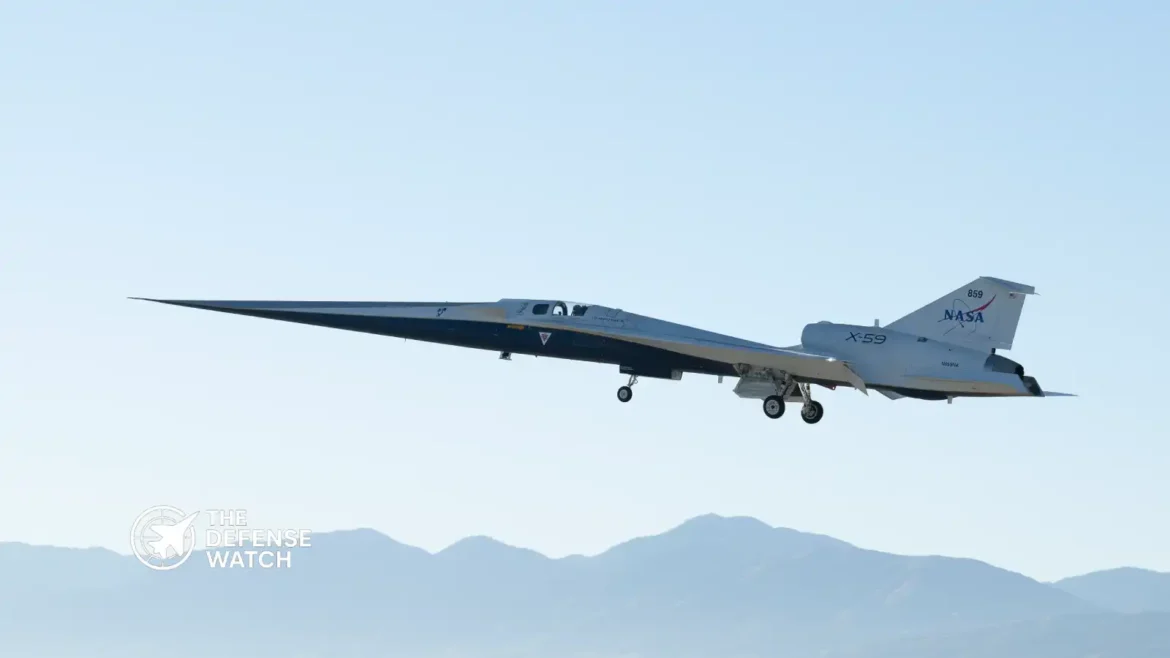
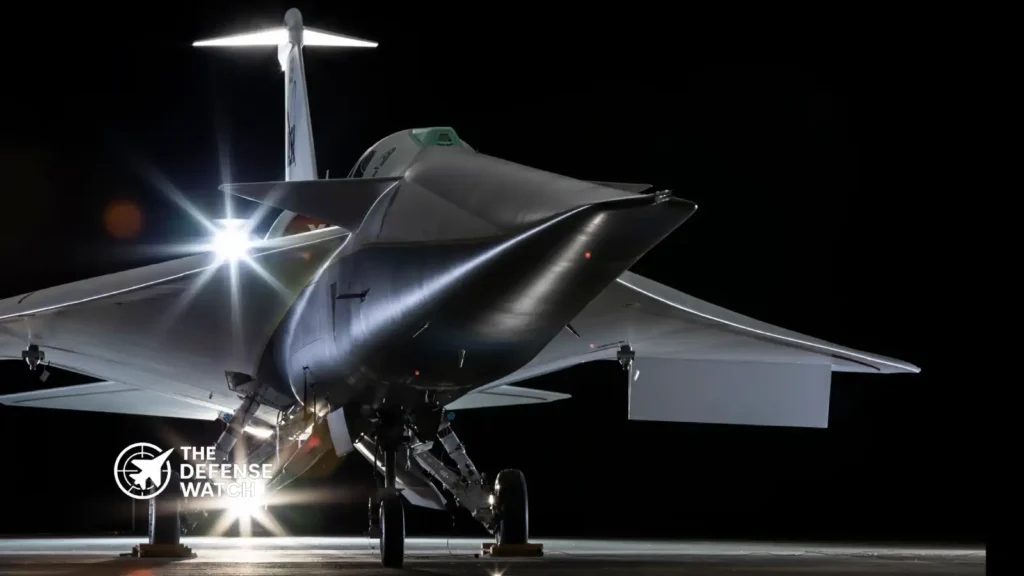
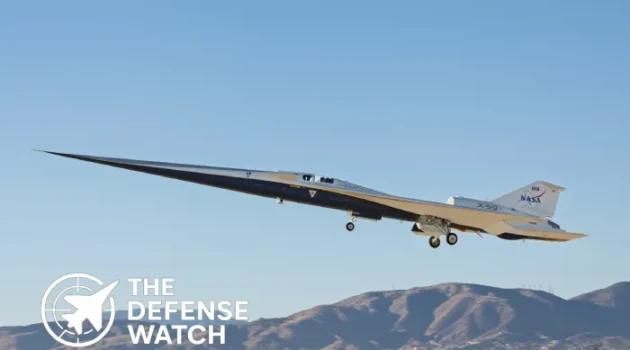
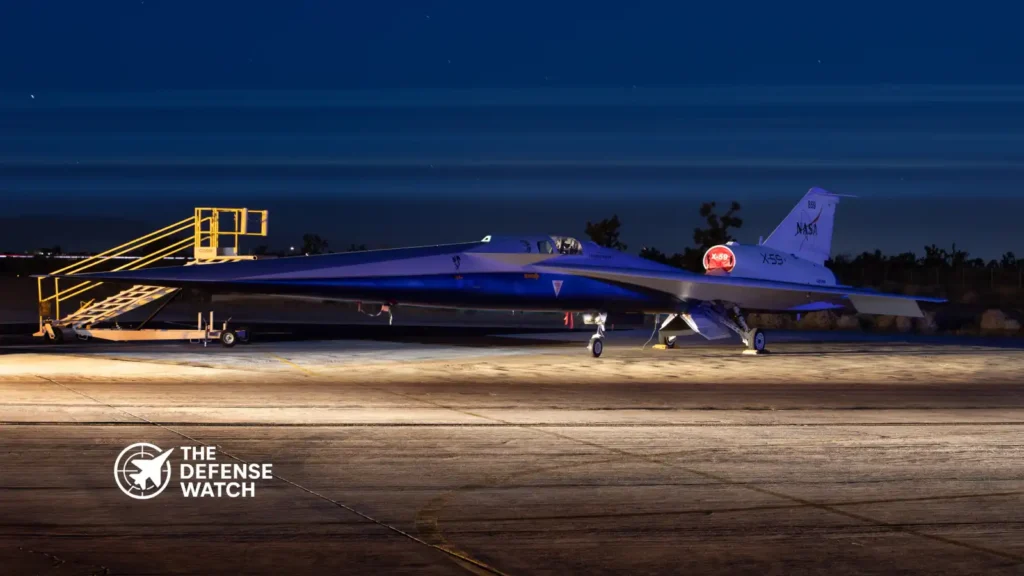
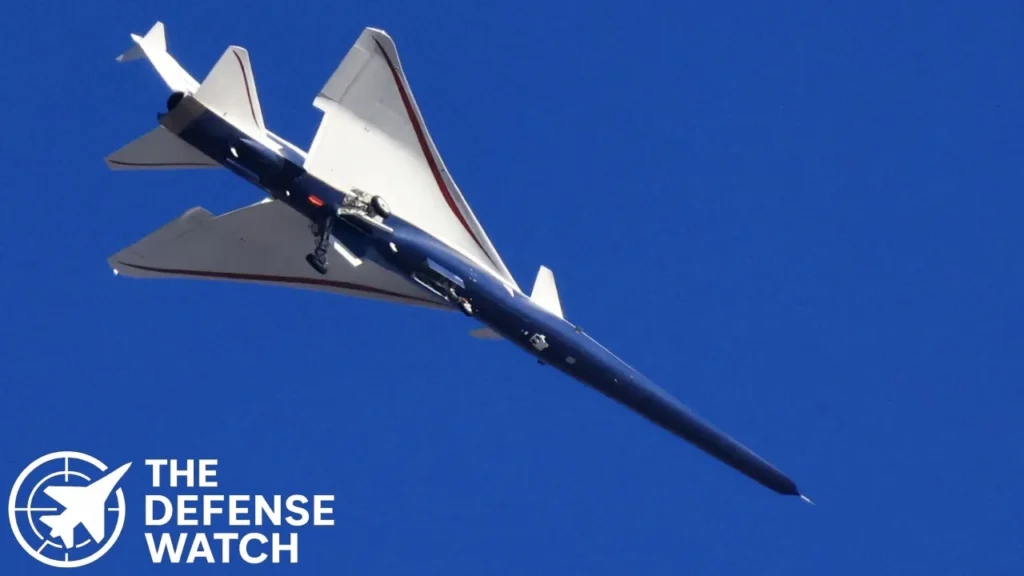
The single-seat X-59, developed by Lockheed Martin Skunk Works in partnership with NASA, is designed to cruise faster than sound while producing a minimal sonic boom — reduced to what engineers describe as a “gentle thump.” The aircraft completed its first flight on October 28, 2025, flying from Palmdale, California to NASA’s Armstrong Flight Research Center at Edwards to verify basic handling and data systems.
The engineering behind this achievement is substantial. The X-59’s elongated nose, carefully shaped fuselage, and engine integration aim to reshape shock waves and reduce noise output to levels comparable to slamming a car door. The aircraft’s 38-foot nose cone and uniquely contoured fuselage prevent shock waves from merging into a disruptive sonic boom, resulting in a softer “sonic thump.”
The X-59 is designed to operate at speeds up to Mach 1.4 and altitudes around 55,000 feet. NASA estimates that community acceptance flights over selected U.S. cities will begin in 2026, and data will inform regulatory proposals by 2028. Aviation A2Z
The Regulatory and Commercial Stakes
The implications of the X-59 program extend far beyond the aerospace research community. For decades, a 1973 FAA rule has effectively banned civil supersonic flight over U.S. soil, a restriction that grounded Concorde from trans-continental routes and has since constrained every commercial supersonic ambition that followed.
The United States recently reversed its 50-year-old ban on supersonic aircraft flying over land — a development that creates the regulatory framework into which X-59 data will feed. If NASA’s acoustic measurements demonstrate that the X-59’s “sonic thump” falls within community-acceptable noise thresholds, the FAA and the International Civil Aviation Organization could revise standards that have been frozen since the Concorde era.
The commercial sector is watching closely. Looking ahead to 2026, supersonic travel appears poised to move from concept to reality once more, with NASA’s X-59 demonstrating that sonic booms can be tamed and Boom Supersonic proving that civil jets can break the sound barrier again. Boom Supersonic’s Overture airliner, which has secured orders from United Airlines, American Airlines, and Japan Airlines, targets service entry by 2029.
Analysis: Why This Matters for Defense Strategy and Airspace Policy
From a defense perspective, the convergence of military sonic boom research and commercial low-boom technology carries strategic weight that extends beyond noise ordinances.
First, quiet supersonic flight has direct implications for reconnaissance and rapid-response aircraft. A platform capable of operating at Mach 1.4 while generating a noise signature comparable to background levels fundamentally changes what an adversary’s acoustic detection systems can track. The X-59 program, while civilian in charter, is generating data that military planners and aircraft designers will closely monitor.
Second, the regulatory shift underway in U.S. airspace policy creates new operational flexibility for Air Force training. Designated supersonic corridors could expand if community noise thresholds are revised upward based on low-boom technology. Pilots could access realistic supersonic training environments closer to populated air bases — a meaningful readiness advantage.
Third, the broader revival of supersonic commercial aviation will inevitably blur the line between civil and military aerospace industrial capacity. Engine designs, materials science, and aerodynamic shaping developed for commercial supersonic programs will feed back into next-generation military platforms, compressing development timelines and potentially cutting costs for future advanced fighters and reconnaissance assets.
The sonic boom — for 78 years a blunt announcement of military air power — may soon become a whisper. And in that transformation lies some of the most consequential aerospace policy and technology competition of the coming decade.
FAQs
What causes a sonic boom?A sonic boom is caused when an aircraft exceeds the speed of sound — roughly 750 mph at sea level — generating combined shock waves that release a sudden pressure burst heard as a loud crack on the ground.
Can a sonic boom damage buildings?Structural damage is unlikely at typical community exposure levels below two pounds per square foot. Buildings in good condition can generally withstand pressures below 16 pounds per square foot without damage.
Why can’t civilian aircraft fly supersonic over the United States?A 1973 FAA rule banned civil supersonic overland flight due to sonic boom disturbances. The U.S. government recently reversed this restriction, opening the door for new supersonic aircraft — provided they meet updated noise standards.
What is the NASA X-59 aircraft?The X-59 QueSST is a research aircraft developed by Lockheed Martin Skunk Works and NASA designed to fly at Mach 1.4 while reducing its sonic signature to a quiet “thump.” Its first flight occurred on October 28, 2025. Data from the program will be used to propose new FAA and ICAO noise regulations.
How does altitude affect a sonic boom on the ground?Higher altitude reduces peak overpressure at ground level but increases the width of the area exposed to the boom. An aircraft at 30,000 feet produces a boom carpet approximately 30 miles wide.
What is the difference between an N-wave and a U-wave sonic boom?An N-wave is produced by steady supersonic flight and has a pressure profile shaped like the letter “N.” A U-wave results from maneuvers such as dives or turns and has amplified peak pressures at both the front and rear of the boom, though it affects a smaller area.
■ KEY FACTS AT A GLANCE- ► Dutch F-35s deployed to the United States for high-tempo combat training operations.
- ► Training focuses on complex, large-scale air combat scenarios and interoperability.
- ► Deployment enhances NATO readiness amid evolving global security challenges.
- ► U.S.-based training provides access to advanced ranges and joint-force integration.
- ► Move underscores the Netherlands’ commitment to high-end airpower modernization.
Dutch F-35 Deployment To United States Strengthens Combat Readiness
The Dutch F-35 deployment to the United States marks a significant step in advancing high-tempo combat training and operational readiness for the Royal Netherlands Air Force.
The deployment places Dutch fifth-generation fighters in one of the most demanding training environments available to NATO air forces.
The aircraft involved are the F-35 Lightning II, a platform designed for stealth, sensor fusion, and network-centric warfare. By relocating to the United States, Dutch crews gain access to expansive training ranges and advanced simulation environments not available in Europe.
This move reflects a broader NATO trend of leveraging U.S.-based infrastructure to prepare allied air forces for high-intensity conflict scenarios.
High-Tempo Training Focuses On Complex Combat Scenarios
The primary goal of the deployment is to conduct high-tempo combat training that replicates real-world operational stress. This includes large-force employment exercises, multi-domain integration, and sustained sortie generation under pressure.
Training in the U.S. allows Dutch pilots to operate in complex airspace alongside American and allied aircraft. These environments simulate contested battlespaces, including electronic warfare, integrated air defense systems, and coordinated strike missions.
Such scenarios are critical for modern air warfare. Fifth-generation platforms like the F-35 are designed to operate as part of a network, not as standalone fighters. Training alongside U.S. forces enhances interoperability at both tactical and operational levels.
From an analytical standpoint, this type of training directly supports NATO’s shift toward deterrence by denial. Instead of relying solely on numerical strength, alliance airpower is increasingly focused on technological superiority and coordinated execution.
Strategic Value Of U.S.-Based Training Infrastructure
One of the key advantages of the Dutch F-35 deployment to the United States is access to large-scale training ranges. U.S. facilities offer expansive airspace, advanced threat replication systems, and integrated joint-force participation.
These elements are difficult to replicate in European airspace due to geographic and regulatory constraints.
The U.S. training ecosystem also supports live, virtual, and constructive training environments. This allows pilots to engage simulated threats that mirror near-peer adversary capabilities, including advanced surface-to-air missile systems and electronic attack platforms.
For the Netherlands, this represents a cost-effective way to maintain high readiness without duplicating infrastructure at home.
Enhancing NATO Interoperability And Deterrence
The deployment underscores the Netherlands’ commitment to NATO interoperability. Operating the F-35 within a multinational framework ensures that Dutch forces can seamlessly integrate into allied operations.
This is particularly relevant as more NATO members adopt the F-35 platform. Shared systems, data links, and operational concepts enable coordinated missions across national boundaries.
Interoperability is not just technical. It also involves doctrine, communication, and decision-making processes. Training in the United States accelerates alignment in these areas.
From a geopolitical perspective, such deployments send a clear signal of allied cohesion. They demonstrate that NATO air forces are actively preparing for high-end conflict scenarios, reinforcing deterrence against potential adversaries.
Operational Readiness And Force Generation
High-tempo training also tests the ability of units to sustain operations over time. This includes logistics, maintenance, and personnel endurance.
For the Royal Netherlands Air Force, deploying F-35s overseas provides valuable experience in expeditionary operations. It validates the ability to project airpower beyond national borders and sustain it in demanding conditions.
This is increasingly important as NATO emphasizes rapid response and forward presence.
The deployment also contributes to force generation cycles. Units returning from such training are typically better prepared for operational deployments, having already experienced realistic combat conditions.
Broader Implications For European Airpower
The Dutch F-35 deployment to the United States highlights a broader shift in European defense posture. Air forces are investing in advanced platforms and training methods to address evolving threats.
Fifth-generation aircraft are central to this transformation. However, their effectiveness depends on how they are employed. Training, therefore, becomes as important as procurement.
By integrating into U.S.-based exercises, European allies can accelerate their learning curve and maximize the capabilities of their F-35 fleets.
This approach also strengthens transatlantic defense ties. It reinforces the role of the United States as a central hub for advanced military training and operational integration.
Conclusion
The Dutch F-35 deployment to the United States represents more than a routine training rotation. It is a deliberate effort to enhance combat readiness, interoperability, and strategic deterrence.
As NATO adapts to a more complex security environment, such initiatives will play a critical role in maintaining a credible and capable airpower posture.