U.S. Air Force E-3 Sentry Reinforces Arctic Readiness During Red Flag Alaska
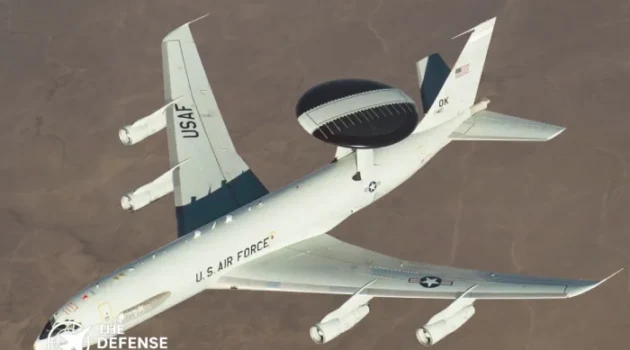
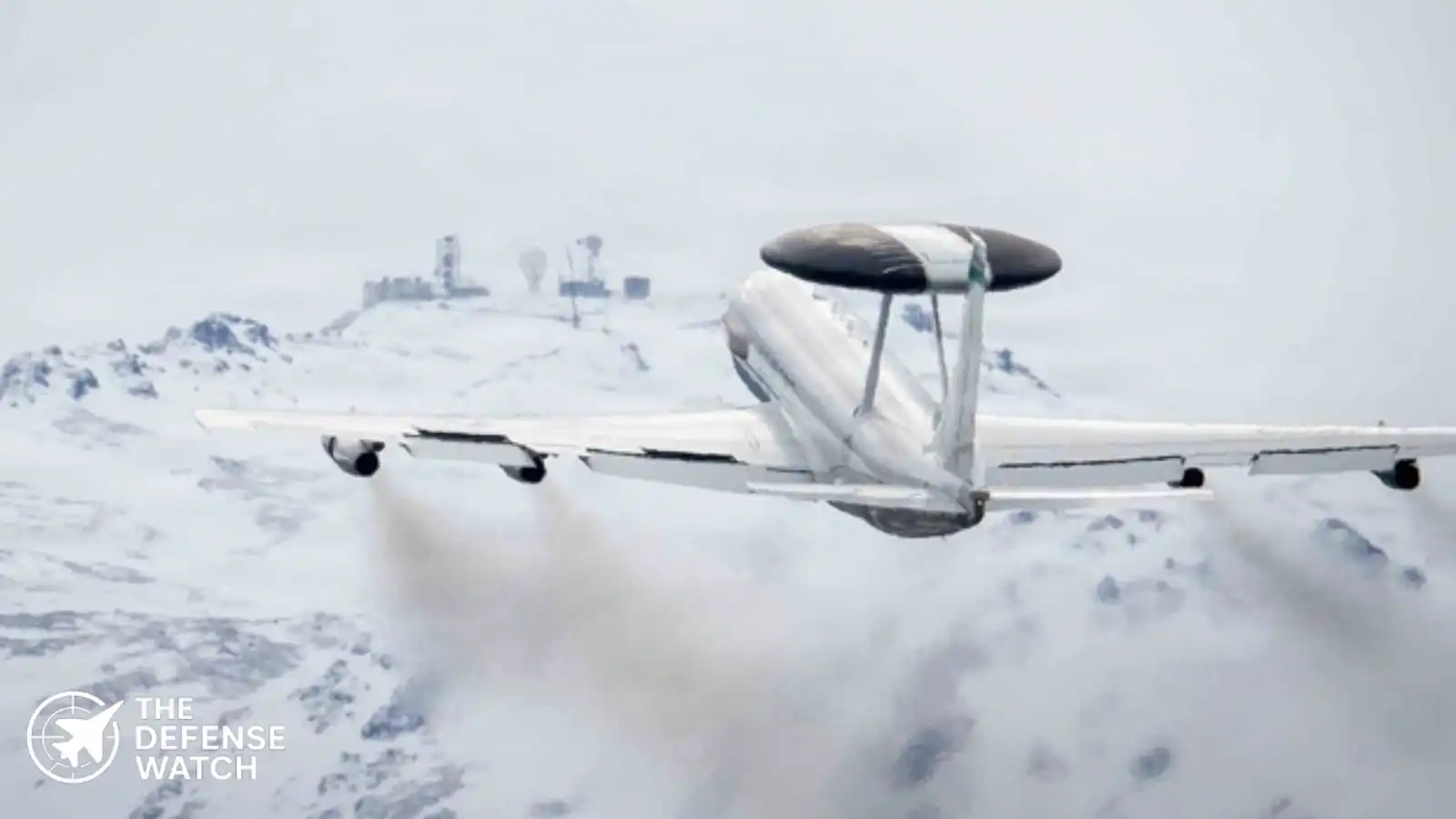
The E-3 Sentry Red Flag Alaska mission underscored the continuing value of airborne warning and control aircraft in modern warfare, as the U.S. Air Force used the platform during Red Flag-Alaska 26-1 to coordinate air operations, expand surveillance coverage, and sharpen homeland defense readiness in the Arctic region. According to Joint Base Elmendorf-Richardson, crews from the 960th, 961st, and 962nd Airborne Air Control Squadrons supported the exercise from Alaska while fighter aircraft operated across the training area.
- U.S. Air Force E-3 Sentry aircraft took part in Red Flag-Alaska 26-1 from Joint Base Elmendorf-Richardson.
- Crews from the 960th, 961st, and 962nd Airborne Air Control Squadrons supported the exercise.
- The aircraft provides airborne surveillance, command, control, and battle management.
- Alaska remains a critical theater for homeland defense and northern approach monitoring.
- The mission highlights continued reliance on AWACS platforms despite modernization debates.
The Boeing-built E-3 Sentry, commonly known as AWACS, is instantly recognizable by its large rotating radar dome. The aircraft serves as an airborne command center, able to detect aircraft at long range, track multiple threats, manage friendly formations, and pass targeting or situational data to commanders in real time.
That role becomes especially important in Alaska.
Why Alaska Matters More Than Ever
Alaska sits at the northern edge of North America and remains one of the shortest air approaches between the United States and peer competitors operating in the Pacific or Arctic regions. Any military planner evaluating long-range bomber routes, cruise missile vectors, or reconnaissance flights must consider this geography.
That makes U.S. Air Force E-3 Sentry operations in Alaska more than a routine training event. It is a reminder that airborne battle management remains essential where terrain, distance, weather, and sparse ground infrastructure can limit radar coverage.
During the exercise, Air Force officials said the E-3 helps create a clearer picture of the airspace for leadership, aircraft, and allies. It also improves decision-making speed during complex operations.
Red Flag Alaska Tests Real Combat Conditions
Red Flag-Alaska is one of the Air Force’s premier large-force training exercises. It is designed to replicate contested combat scenarios involving multiple aircraft types, coalition forces, electronic threats, and fast-changing mission demands.
In that environment, the E-3 Sentry acts as the quarterback of the air battle.
Fighters can focus on their tactical missions while the AWACS crew tracks the broader fight, deconflicts aircraft, monitors threats, and redirects assets when conditions change. That capability is increasingly valuable as modern conflicts place pressure on communications networks and fixed command centers.
Why The E-3 Still Matters Despite Age
The E-3 fleet is aging, and the Air Force has explored replacement paths in recent years. However, exercises such as Red Flag Alaska show there is still no simple substitute for a dedicated airborne command-and-control platform.
Satellites, ground radars, stealth fighters, and networked sensors all contribute to the modern kill chain. But none alone combine persistence, mobility, human decision-making, and real-time control the same way an AWACS aircraft can.
That is particularly true in remote theaters like Alaska, where rapid adaptation may matter more than pure sensor range.
Strategic Message To Adversaries
The use of the E-3 Sentry Red Flag Alaska mission also sends a deterrence signal. It shows the United States continues investing in command resilience and northern defense readiness at a time of rising strategic competition in both the Indo-Pacific and Arctic theaters.
Potential adversaries increasingly rely on long-range strike systems, drones, and electronic warfare. Maintaining an airborne command layer complicates those plans and strengthens joint response options.
Bottom Line
The E-3 Sentry may be a legacy platform, but Red Flag-Alaska 26-1 demonstrates it still fills a frontline role. In vast and contested airspace, the aircraft remains one of the fastest ways to build a real-time battlespace picture and direct forces where they are needed most.
For the U.S. Air Force, that means the E-3 is not just an older aircraft. It is still a critical node in Arctic defense planning.
Get real time update about this post category directly on your device, subscribe now.