Executive Summary:
The Boeing Company has received a $125 million contract modification from the U.S. Air Force for initial long lead spare parts tied to two VC-25B presidential aircraft. The award supports the ongoing modernization of the future Air Force One fleet and raises the overall contract value to more than $4.4 billion. The work will be carried out in San Antonio, Texas, with fiscal 2026 RDT&E funds already obligated.
Boeing VC-25B Contract Expands Air Force One Modernization Program
The Boeing VC-25B contract program received another financial boost after the U.S. Air Force awarded the company a $125 million contract modification for long lead spare parts tied to two fully mission capable presidential aircraft.
According to the Department of Defense contract announcement, the modification, identified as P00176 under contract FA8625-16-C-6599, increases the total cumulative contract value from approximately $4.32 billion to more than $4.44 billion.
The award was issued to Boeing’s facility in Tukwila, Washington, while the work itself will be performed in San Antonio. The Air Force Life Cycle Management Center at Wright-Patterson Air Force Base is serving as the contracting authority.
Fiscal 2026 research, development, test, and evaluation funds totaling $41.9 million were obligated at the time of award.
Spare Parts Procurement Signals Long Term Sustainment Focus
The latest Boeing VC-25B contract action focuses specifically on initial long lead spare parts procurement. In defense aviation programs, long lead components typically include critical systems and hardware requiring extended manufacturing timelines before aircraft delivery or operational deployment.
The procurement effort reflects the Pentagon’s continued emphasis on sustainment planning early in the lifecycle of high value strategic aircraft programs. For presidential airlift operations, spare parts availability is considered mission critical because the aircraft must maintain near constant readiness.
The VC-25B fleet is intended to replace the aging VC-25A aircraft currently used for presidential transport under the Air Force One mission. The existing aircraft are heavily modified versions of the Boeing 747-200B platform that entered service in the early 1990s.
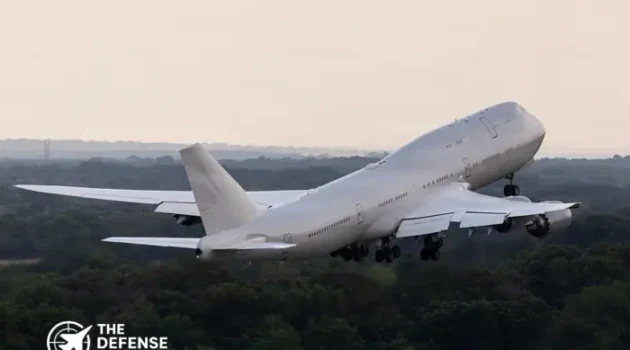
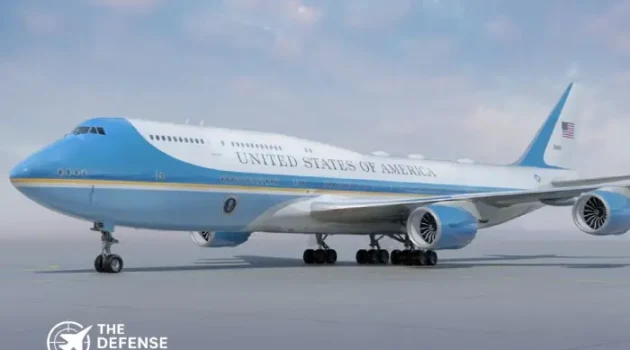
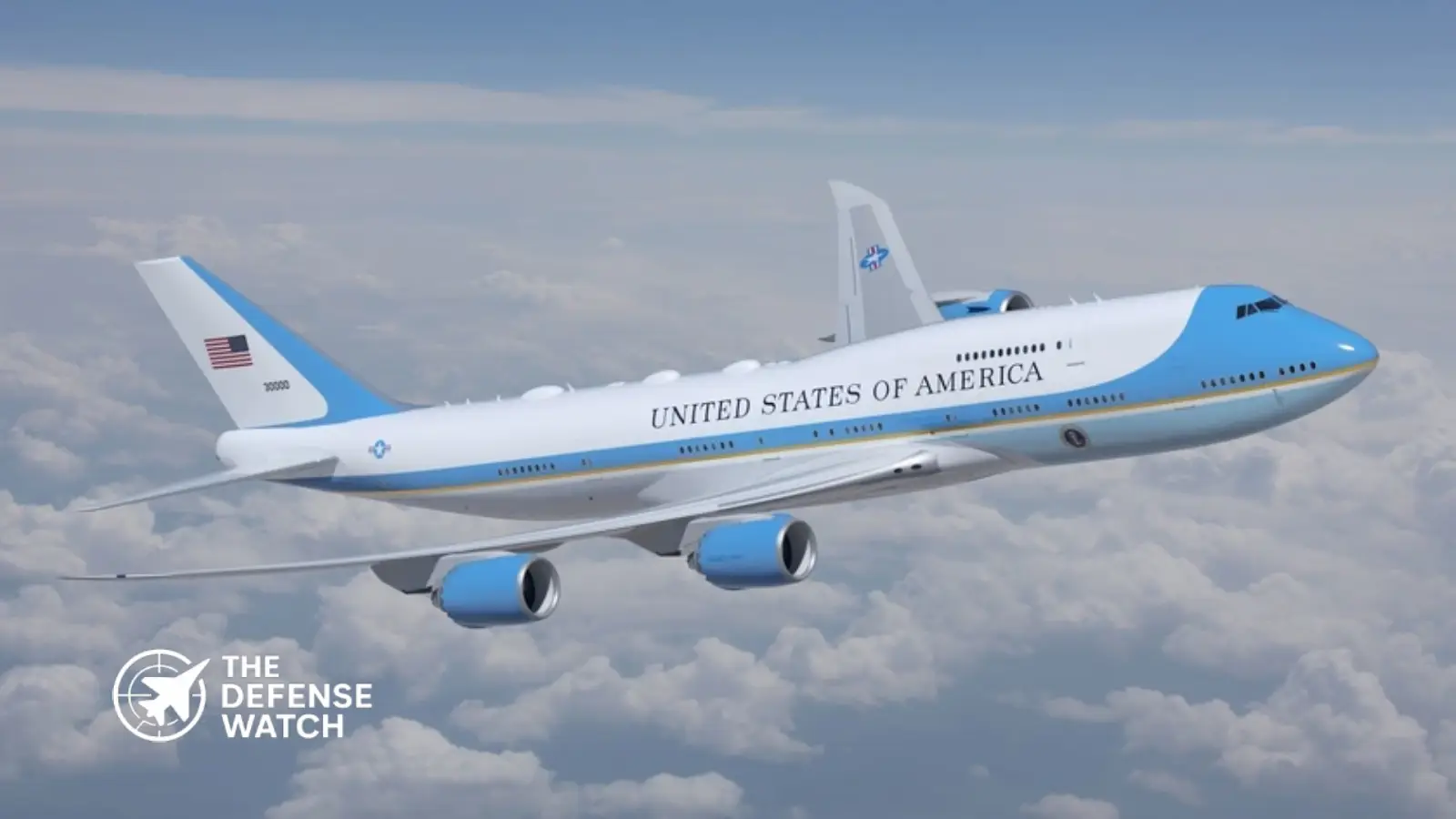
The replacement VC-25B aircraft are based on the newer Boeing 747-8 airframe and are being extensively modified to support secure communications, survivability systems, executive transport, and command-and-control operations.
Program Continues Under Cost And Schedule Pressure
The Boeing VC-25B contract program has faced years of scrutiny tied to schedule delays, rising costs, and technical integration challenges.
Originally negotiated during the first Trump administration, the Air Force One replacement effort became one of Boeing Defense’s most closely watched fixed-price military aviation programs. Boeing has previously disclosed significant financial losses linked to the program due to engineering complexity, supply chain disruptions, and inflationary pressures.
Despite these challenges, the Pentagon has continued funding key procurement and integration milestones to maintain progress toward aircraft delivery.
The latest contract modification suggests the Air Force is moving deeper into sustainment preparation and operational readiness planning as the program advances toward later production and testing phases.
Defense analysts have noted that presidential aircraft programs involve requirements beyond standard military transport platforms. The aircraft must function as secure airborne command centers capable of supporting the president during crises, including nuclear contingencies and global military operations.
That complexity significantly increases integration demands for communications security, electromagnetic hardening, defensive countermeasures, and redundant mission systems.
Strategic Importance Of The VC-25B Fleet
Although the VC-25B program represents a relatively small fleet, its strategic importance remains exceptionally high within the U.S. national command authority structure.
The aircraft serve not only as executive transport platforms but also as symbols of U.S. global power projection and continuity of government capability.
The future VC-25B aircraft are expected to feature upgraded communications architecture, improved avionics, modernized power systems, and enhanced operational efficiency compared with the legacy VC-25A fleet.
The Air Force has not publicly confirmed an exact delivery timeline in the latest contract announcement, though previous projections indicated delays beyond initial target dates.
The continued flow of funding into spare parts procurement indicates the Pentagon remains committed to fielding both aircraft as fully operational assets despite ongoing program management pressures.
Industrial Base And Defense Aviation Implications
The Boeing VC-25B contract also highlights the broader importance of sustaining specialized aerospace manufacturing capabilities within the U.S. defense industrial base.
Work associated with the presidential aircraft program supports highly specialized engineering, modification, and systems integration expertise concentrated in the American aerospace sector.
San Antonio has emerged as a major hub for aircraft modification and sustainment work across multiple U.S. military aviation programs. The region supports extensive depot maintenance, modernization, and aircraft conversion activity for both government and commercial customers.
For Boeing Defense, the Air Force One replacement effort remains one of its most visible strategic aviation programs despite its relatively limited production scale.
The program continues to attract congressional and public attention because of its symbolic value, high technical requirements, and cost profile.