

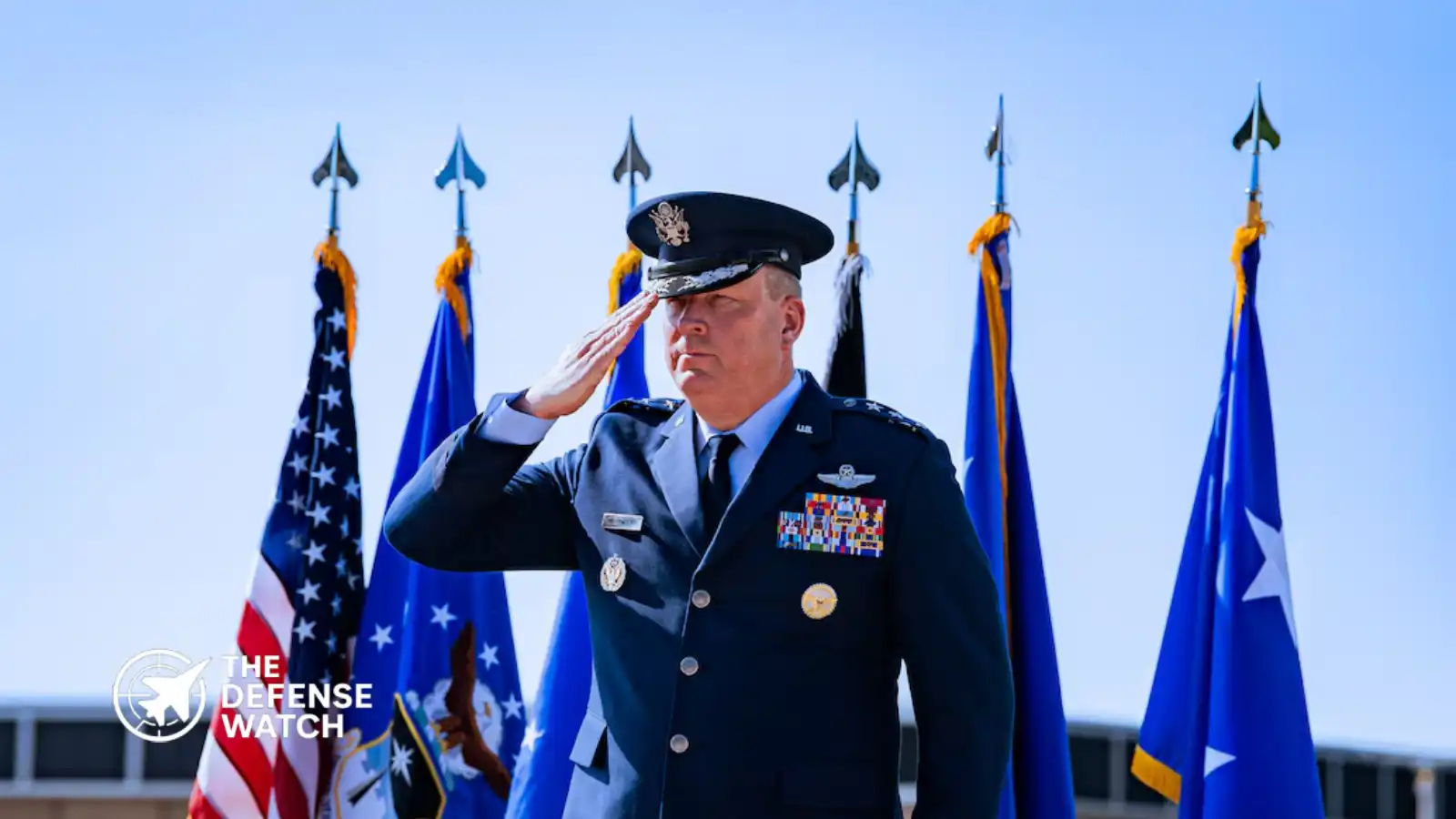
Executive Summary:
The U.S. Air Force has nominated Maj. Gen. Thomas P. Moga to serve as the next superintendent of the U.S. Air Force Academy. The leadership transition follows the planned departure of Lt. Gen. Richard M. Clark Bauernfeind and comes as the academy faces growing pressure to prepare future officers for modern warfare challenges.
U.S. Air Force Academy Leadership Transition
The U.S. Air Force has nominated Maj. Gen. Thomas P. Moga to become the next superintendent of the United States Air Force Academy, marking a significant leadership transition for one of the military’s premier officer commissioning institutions.
According to an official Air Force announcement, Moga would succeed Lt. Gen. Richard M. Bauernfeind, who has led the academy since 2022. The nomination remains subject to Senate confirmation.
The move places an experienced operational commander and fighter pilot at the head of the academy during a period of strategic transformation across the Department of the Air Force. Modernization priorities, great power competition, and evolving air and space warfare requirements are increasingly shaping how future officers are trained and educated.
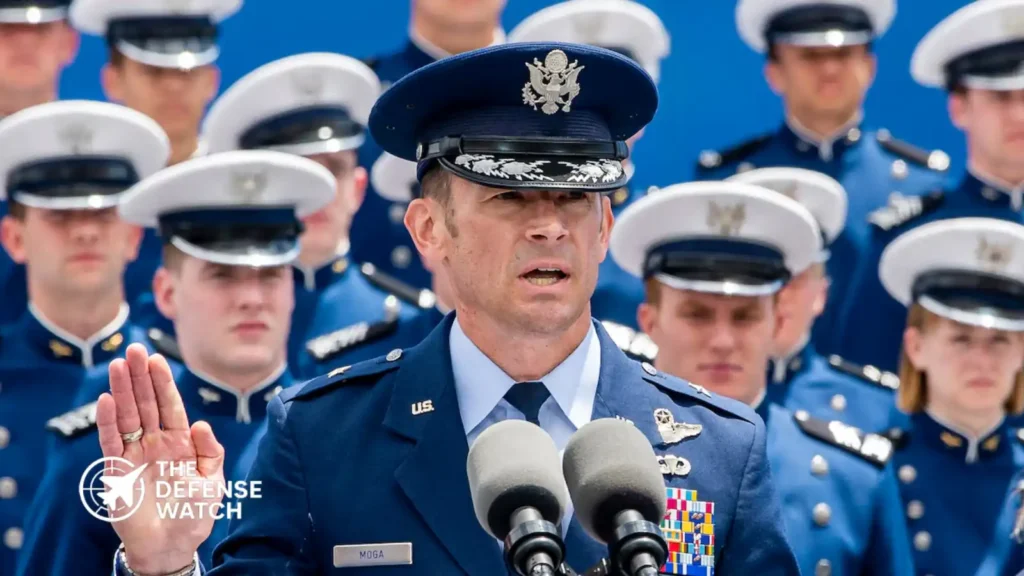
Maj. Gen. Moga currently serves in a senior Air Force operational leadership role and brings extensive combat aviation and command experience to the position. His background includes service in Indo-Pacific operations and advanced airpower missions, areas that have become central to U.S. defense strategy.
Why The Appointment Matters
The selection of Moga signals continued emphasis on operational readiness and warfighting culture within Air Force officer development.
The United States Air Force has spent the past several years adapting its education and training systems to better prepare officers for potential high-end conflicts against technologically advanced adversaries. Senior military leaders have repeatedly stressed the importance of agility, joint operations, and decision-making under contested conditions.
As superintendent, Moga would oversee military training, academics, athletics, and leadership development for thousands of cadets preparing to enter the Air Force and Space Force. The role also carries broader institutional significance because the academy helps shape future service culture and leadership priorities.
The nomination comes at a time when military academies across the United States are facing heightened scrutiny over recruiting, retention, standards, and curriculum modernization. Defense leaders increasingly view officer education as directly linked to long-term force competitiveness.
Operational Experience Shapes Leadership Outlook
Moga’s operational background could influence how the academy approaches leadership preparation for future conflicts.
Over the last decade, the Air Force has shifted focus from counterinsurgency operations toward peer competition, particularly in the Indo-Pacific region. That strategic transition has increased demand for leaders with experience in advanced air operations, integrated deterrence, and multinational coordination.
Military analysts note that leaders with frontline operational expertise are often selected for key educational leadership positions during periods of doctrinal or strategic transition. The Air Force Academy plays a central role in developing officers capable of operating in highly contested environments involving cyber warfare, electronic warfare, long-range strike systems, and space-enabled operations.
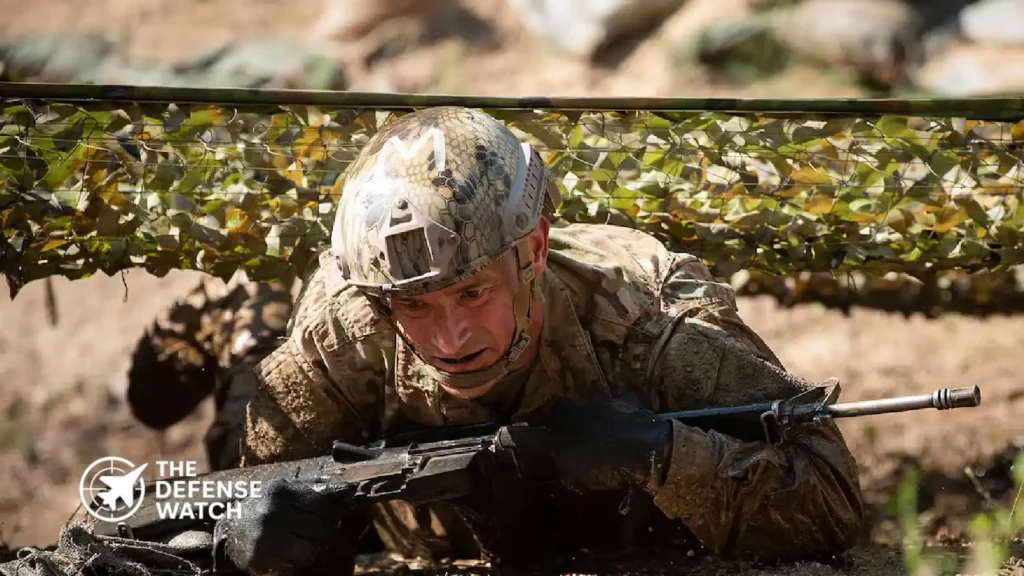
The service has also accelerated efforts to integrate emerging technologies, including artificial intelligence-enabled systems and advanced data-driven operational concepts, into professional military education pipelines.
Continuity And Change At USAFA
Lt. Gen. Bauernfeind’s tenure included efforts to reinforce leadership development, cadet preparedness, and institutional reforms at the academy. His departure represents a routine but important shift in Air Force senior leadership.
While academy superintendents traditionally maintain continuity in institutional priorities, each leadership transition often introduces adjustments in emphasis and culture. Moga’s appointment may further strengthen the academy’s operational and strategic focus as the Air Force continues adapting to evolving global threats.
The Air Force Academy remains a critical source of commissioned officers for both the Air Force and the rapidly expanding United States Space Force. That dual-service responsibility has increased the academy’s importance within broader U.S. defense planning.
The nomination also reflects the Pentagon’s broader effort to align senior leadership assignments with emerging strategic priorities, particularly in relation to deterrence, readiness, and force modernization.
Broader Strategic Context
The leadership transition occurs amid continued U.S. military emphasis on strategic competition with China and Russia. Pentagon officials have repeatedly identified officer development and talent management as essential to maintaining long-term military advantage.
Educational institutions such as the Air Force Academy are increasingly expected to prepare officers for multidomain operations spanning air, land, sea, cyber, and space environments. That mission has become more demanding as operational technologies evolve rapidly and geopolitical tensions intensify across multiple regions.
The next superintendent will likely play a role in shaping how future Air Force and Space Force officers are trained to operate in technologically complex and highly contested battlespaces.
