Executive Summary:
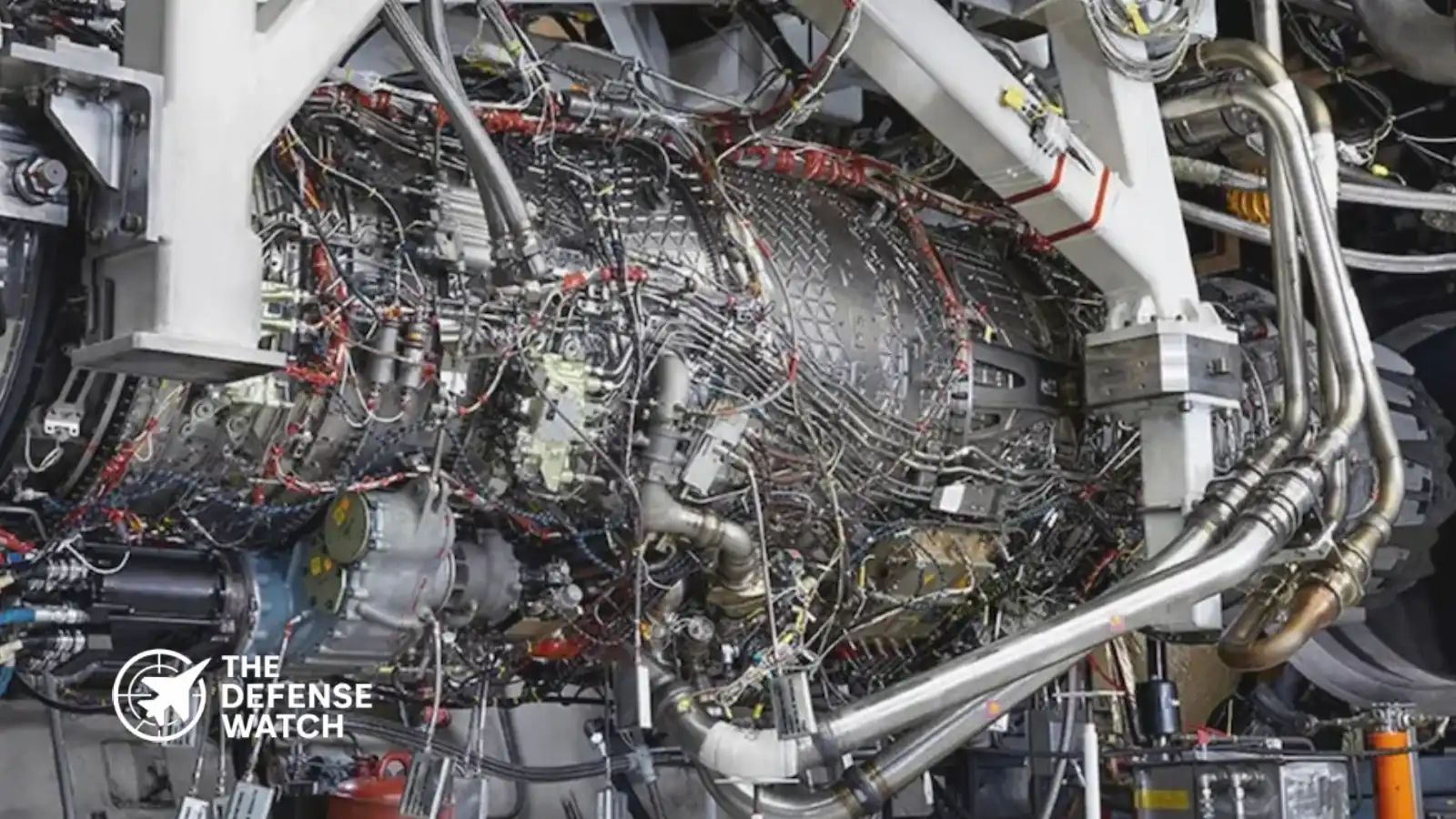
GE Aerospace has completed the Assembly Readiness Review for its XA102 adaptive cycle engine under the U.S. Air Force Next Generation Adaptive Propulsion program. The milestone confirms the engine design is ready for prototype assembly as the Pentagon pushes forward with sixth generation air dominance capabilities.
GE Aerospace Advances XA102 Engine For U.S. Air Force NGAP Program
GE Aerospace has completed the Assembly Readiness Review (ARR) for its XA102 adaptive cycle engine, marking a significant step in the U.S. Air Force’s Next Generation Adaptive Propulsion (NGAP) initiative. The milestone confirms the engine program is transitioning from design and component validation into the assembly phase for a full scale demonstrator engine.
The XA102 engine is being developed to support future sixth generation combat aircraft expected to operate under the U.S. Air Force’s broader Next Generation Air Dominance (NGAD) effort. Adaptive cycle propulsion is viewed as a key enabling technology for future fighter aircraft because it promises greater fuel efficiency, increased thrust, and improved thermal management compared to current fighter engines.
According to GE Aerospace, the ARR validated manufacturing processes, tooling, supply chain readiness, and assembly planning needed to begin integrating the prototype powerplant. The review is considered a critical gate before full engine assembly operations can proceed.
Adaptive Engine Technology Remains Central To Future Air Combat
The XA102 is based on adaptive cycle engine technology, which allows airflow to be dynamically adjusted depending on mission requirements. Unlike conventional fighter engines that operate on a fixed cycle, adaptive engines can optimize between fuel efficiency and high performance thrust during different phases of flight.
That capability is increasingly important as future combat aircraft are expected to support larger onboard sensors, electronic warfare suites, artificial intelligence systems, and long range operations across contested regions such as the Indo Pacific.
The U.S. Air Force has repeatedly identified propulsion as one of the most important technologies for maintaining air superiority against near peer competitors. The NGAP effort specifically focuses on engines capable of powering future crewed combat aircraft while reducing fuel consumption and increasing operational range.
GE Aerospace stated that the XA102 incorporates advanced materials, digital engineering techniques, and thermal management systems intended to support the growing power demands of next generation platforms.
NGAP Program Reflects Broader Pentagon Modernization Goals
The NGAP initiative emerged after years of research conducted through the Adaptive Engine Transition Program (AETP), which previously supported the development of prototype engines from both GE Aerospace and Pratt & Whitney.
While earlier adaptive engine efforts explored re-engining existing fighters such as the Lockheed Martin F-35 Lightning II, the Pentagon later shifted focus toward propulsion systems designed specifically for future sixth generation aircraft.
That shift reflects evolving operational priorities. Future air combat concepts emphasize extended range, distributed operations, and survivability in heavily contested environments where aerial refueling and forward basing may be limited.
The XA102 program is therefore not simply an engine upgrade effort. It represents part of a broader redesign of how future American combat aircraft will operate in high threat theaters.
Industry analysts note that propulsion technology increasingly shapes the overall capability envelope of modern combat aircraft. Greater thermal capacity allows advanced sensors and directed energy systems to function more effectively, while improved fuel efficiency extends mission endurance and reduces tanker dependence.
Assembly Milestone Signals Program Momentum
Completion of the ARR suggests GE Aerospace has achieved sufficient maturity across both engineering and production planning to move toward demonstrator assembly and eventual testing.
Although the U.S. Air Force has released limited public details regarding NGAP timelines, propulsion development remains on a compressed schedule as the Pentagon seeks to field next generation systems during the 2030s.
The engine competition also remains strategically important for the U.S. defense industrial base. Maintaining multiple advanced propulsion manufacturers is viewed by defense officials as essential for sustaining innovation and long term production capacity.
GE Aerospace has continued investing heavily in military propulsion technologies across both conventional and advanced engine programs. The company argues adaptive propulsion could provide significant operational advantages for future combat aviation, particularly in scenarios requiring long range penetration and high electrical power generation.
At the same time, rising development costs and uncertainty surrounding future NGAD procurement levels continue to shape debate within the defense sector. Analysts have questioned how many sixth generation aircraft the Pentagon will ultimately acquire and whether production costs can remain sustainable.
Even so, propulsion development has remained a protected priority because engine technology typically requires long lead times and extensive testing before operational deployment.
Strategic Importance Of Adaptive Engines
The XA102 program underscores how propulsion technology has become a central element of military competition between major powers.
China and other competitors are also investing heavily in advanced combat aviation programs designed to challenge U.S. air superiority in future conflicts. As a result, the Pentagon sees next generation propulsion as critical not only for performance improvements but also for maintaining strategic deterrence.
Adaptive engines may ultimately allow future combat aircraft to fly farther, carry larger payloads, and support increasingly sophisticated onboard mission systems without sacrificing survivability.
For the U.S. Air Force, the successful transition of the XA102 into assembly represents another step toward developing the propulsion architecture needed for future air dominance operations.