- British Prime Minister Keir Starmer and French President Emmanuel Macron are planning a multinational effort to secure the Strait of Hormuz once the Iran war ends, excluding U.S. combat forces due to its current military role.
- The move follows U.S. President Donald Trump’s announcement of a blockade targeting Iranian ports, a decision NATO allies including the UK and France declined to join. :contentReference[oaicite:0]{index=0}
- France and the UK plan to co-host a conference to build support for a defensive coalition focused on restoring freedom of navigation through the strait. :contentReference[oaicite:1]{index=1}
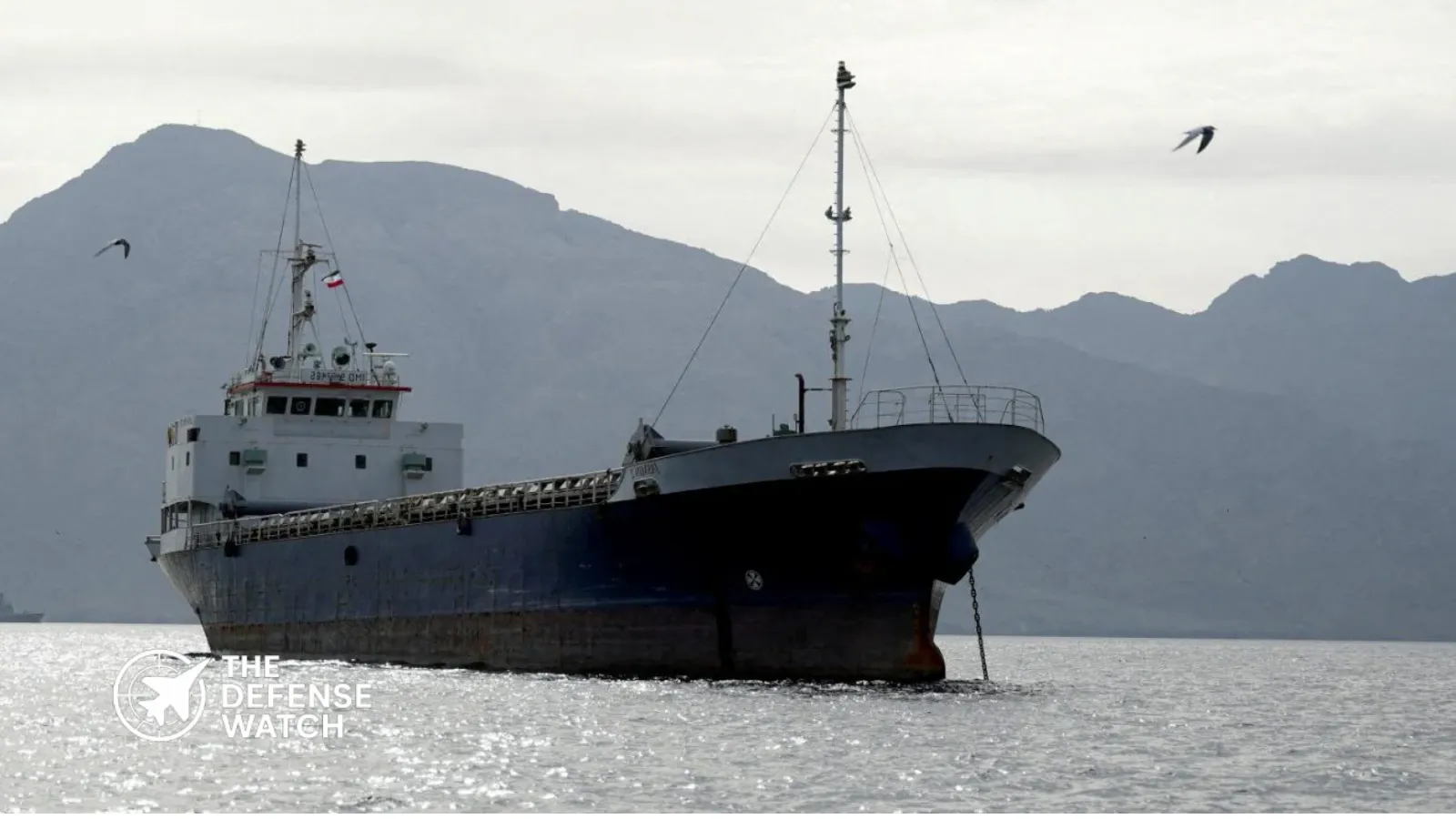
- The Strait of Hormuz remains a flashpoint in the conflict with Iran after months of disruption to global shipping and energy flows. :contentReference[oaicite:2]{index=2}
- NATO allies have resisted direct involvement in President Trump’s blockade plan, increasing diplomatic strain within the alliance. :contentReference[oaicite:3]{index=3}
Background And Strategic Shift
Britain and France are moving to lead a post-conflict security plan for the Strait of Hormuz security in a bid to restore safe international shipping lanes after Iran restricted movement during the broader Iran war and the United States announced a naval blockade of Iranian ports. The initiative comes as NATO allies have made clear they will not join U.S. blockade efforts, deepening strains within the alliance.
U.S. Central Command has begun intercepting vessels bound for or leaving Iranian ports as part of a strategy aimed at containing Tehran’s influence and countering maritime threats posed during the six-week conflict with Iran.
Prime Minister Keir Starmer has rejected participation in the Trump Hormuz blockade and said the UK will focus on reopening the waterway and convening international partners. French President Emmanuel Macron echoed this stance, noting that any military effort must be “strictly defensive” and separate from the combatants.
U.S. Blockade And Allied Response
President Donald Trump’s declaration of a blockade marked a sharp tactical turn in the conflict, with U.S. forces set to intercept shipping linked to Iran and destroy maritime mines laid in the strait. The blockade was ordered after peace talks in Islamabad failed to produce a lasting ceasefire, according to U.S. officials.
However, several NATO allies including the UK and Germany have publicly declined to take part in enforcing the blockade, insisting they will only engage once hostilities cease and conditions allow for a lawful, multinational operation.
That resistance underscores growing divisions between the U.S. and its European partners over how to address the crisis in the Gulf. European diplomats say direct involvement in an active blockade risks drawing forces into broader conflict and complicating diplomatic efforts.
Multinational Mission Planning
In response to these tensions, London and Paris are preparing a conference to coordinate a coalition designed to guarantee freedom of navigation in the strait after the fighting ends or under more stable conditions. Macron said the forthcoming conference aims to build support for a “purely defensive mission” by countries ready to contribute to safe passage.
The envisioned mission would focus on demining, maritime escorts, and logistical support for commercial vessels, distinct from U.S. military command. Allies see this as essential to reassure global shippers and stabilize energy markets once the conflict’s kinetic phase abates.
Starmer has framed the effort as a diplomatic and operational response that avoids dragging European forces into a war that British leaders argue should be resolved politically. The UK has also emphasized the need for a legal basis for any maritime security operation.
Geopolitical Implications
The move by the UK and France highlights a strategic divergence with Washington’s more aggressive posture toward Iran and underscores larger fractures within NATO over shared security priorities. European leaders have been wary of entanglement in U.S. initiatives that could escalate conflict or undermine broader alliances.
Global oil markets and shipping industries continue to watch developments in the strait closely, as about 20 percent of seaborne energy supplies traditionally pass through this chokepoint. Disruptions have already affected prices and supply chains, prompting calls for urgent international action.
What Comes Next
The upcoming conference co-hosted by the UK and France will be a key test of European diplomatic and naval coordination. Its success or failure will influence how quickly normal commercial traffic can resume once the conflict environment allows. Decisions made there may also set precedents for other coalition responses to future maritime security challenges.