
U.S. Air Force T-7A Red Hawk Delivery Marks Key Training Milestone
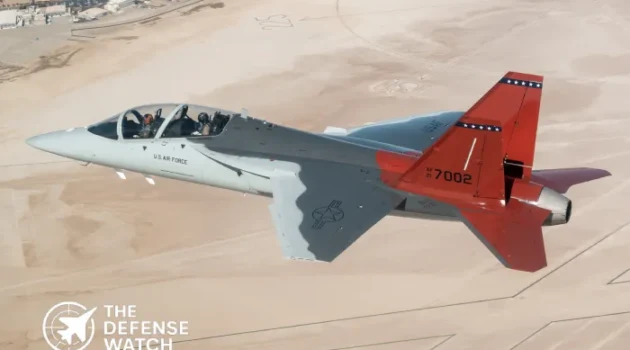
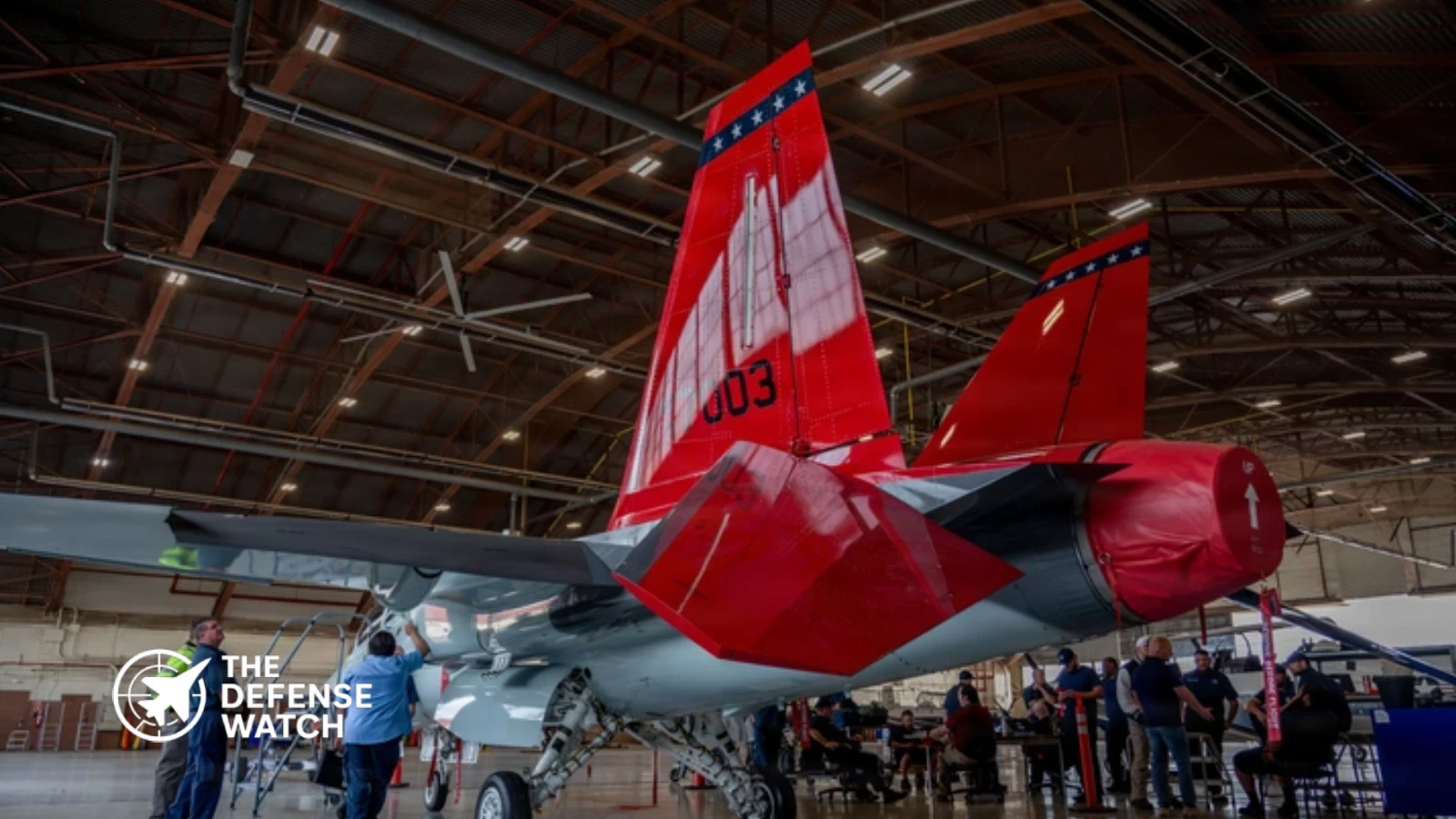
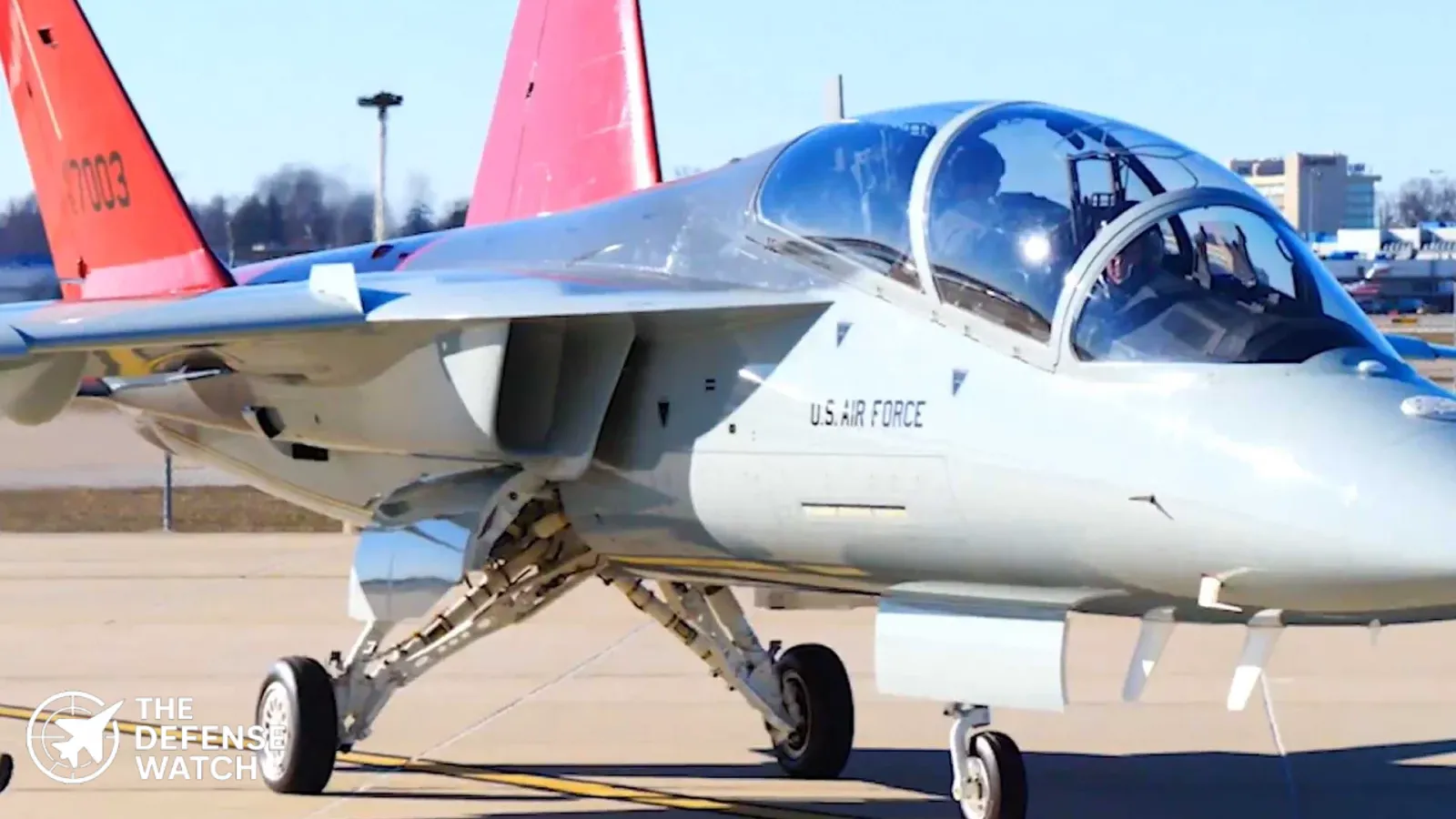
The U.S. Air Force has received its second T-7A Red Hawk trainer aircraft, marking another step in the service’s effort to modernize pilot training and replace the decades-old T-38 Talon fleet. The delivery was confirmed by industry and defense sources, which reported the aircraft’s arrival as part of the Air Force’s ongoing test and evaluation program.
Developed by Boeing in partnership with Sweden’s Saab, the T-7A Red Hawk is designed to prepare pilots for fifth-generation and future combat aircraft, including the F-35 and the Next Generation Air Dominance platform. The program is a cornerstone of the Air Force’s broader training modernization push.
Building Momentum After First Delivery
The second T-7A follows the initial delivery made earlier under the Engineering and Manufacturing Development phase of the program. Together, the first two aircraft will support developmental testing, software validation, and early training system integration.
According to the U.S. Air Force, the T-7A Red Hawk introduces a digital-first design approach. The aircraft was developed using advanced model-based engineering, allowing rapid updates to software and avionics. This approach is intended to shorten development timelines and reduce long-term sustainment costs.
The Air Force plans to acquire more than 350 T-7A aircraft to fully replace the T-38, which entered service in the early 1960s and is increasingly expensive to maintain.
Designed for Modern Air Combat Training
The T-7A Red Hawk trainer aircraft is built to replicate the handling, sensors, and workload of modern fighter jets. It features an open-architecture avionics system, embedded training capability, and advanced human-machine interfaces.
These features allow student pilots to train in a more realistic environment before transitioning to frontline aircraft. Air Force officials have emphasized that legacy trainers can no longer adequately prepare pilots for the demands of modern air combat, particularly against near-peer competitors.
The U.S. Air Force T-7A Red Hawk is also expected to reduce training bottlenecks by improving aircraft availability and reliability, a persistent challenge with the aging T-38 fleet.
Program Challenges and Adjustments
While the delivery marks progress, the T-7A program has faced schedule pressures in recent years. Issues related to ejection seat design, software maturity, and certification requirements have contributed to delays.
Boeing has acknowledged these challenges and stated that corrective actions are underway. The company has also taken a financial charge on the program, reflecting higher-than-expected development costs. Despite these setbacks, the Air Force has reaffirmed the importance of the T-7A as a long-term investment in pilot readiness.
The arrival of the second aircraft suggests incremental recovery and continued confidence in the platform’s future role.
Strategic Importance for the Air Force
Modernizing pilot training is a strategic priority for the U.S. Air Force as it prepares for high-end conflict scenarios. Advanced aircraft such as the F-35 demand pilots who are comfortable with sensor fusion, data-heavy cockpits, and networked operations from day one.
The T-7A Red Hawk is intended to serve as the foundation of that training pipeline. Once fully fielded, it will be paired with ground-based simulators and academic systems to create an integrated training ecosystem.
Defense analysts note that delays in trainer modernization can have downstream effects on force readiness, making each delivery a closely watched milestone.
What Comes Next
With two aircraft now delivered, the Air Force and Boeing will continue flight testing and system validation through 2026. Additional deliveries are expected as the program moves toward initial operational capability later in the decade.
If successful, the T-7A Red Hawk could also attract international interest, particularly from air forces seeking to replace older jet trainers and align training with fifth-generation fighters.