
Executive Summary:
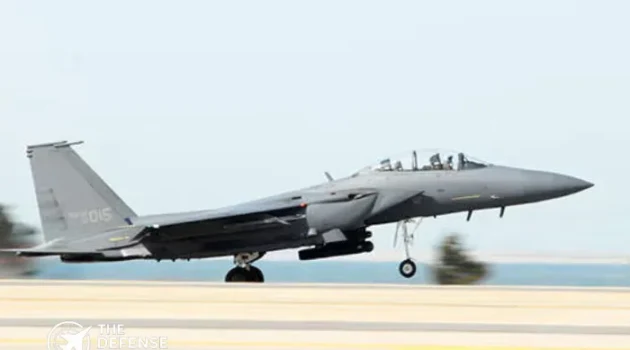
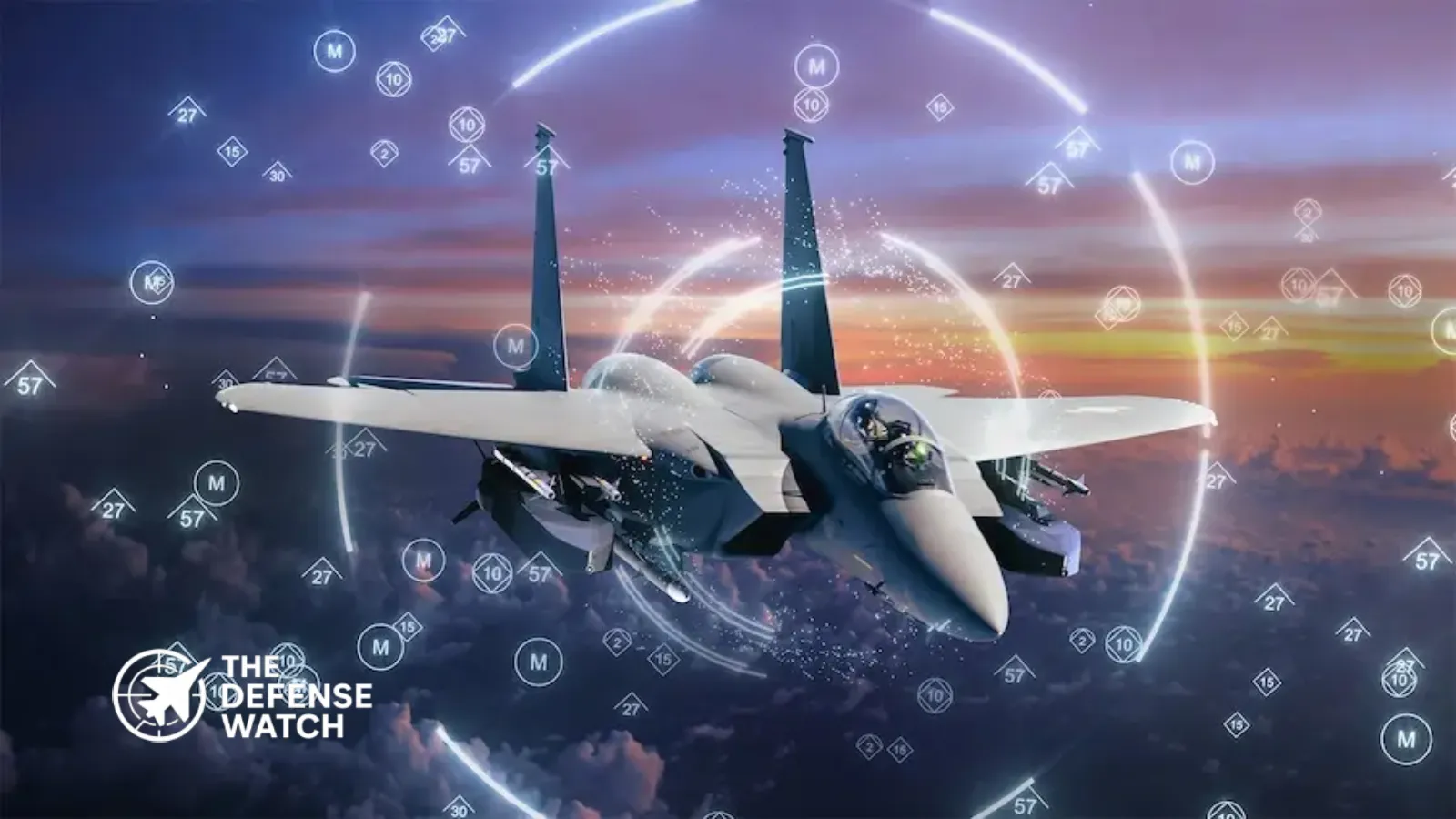
BAE Systems has received a contract from Boeing to supply the Eagle Passive Active Warning Survivability System (EPAWSS) for the Republic of Korea Air Force F-15K Slam Eagle fleet. The upgrade will significantly enhance the fighters’ ability to detect, identify, and counter modern electronic and radar guided threats while extending their operational relevance for future regional security missions.
BAE Systems To Deliver EPAWSS For Republic Of Korea F-15K Fleet
BAE Systems will provide its Eagle Passive Active Warning Survivability System (EPAWSS) for the Republic of Korea Air Force’s F-15K Slam Eagle fighters under a contract awarded by Boeing. The announcement marks another international customer for the advanced electronic warfare suite, which has become a key survivability upgrade for the F-15 family.
The agreement supports South Korea’s long term modernization of its F-15K fleet, one of the country’s primary long range strike and air superiority platforms. Boeing serves as the prime contractor for the modernization effort, while BAE Systems supplies the electronic warfare capability.
According to the companies, EPAWSS is designed to improve aircraft survivability in highly contested electromagnetic environments by detecting, identifying, locating, and countering hostile radar and electronic threats.
What EPAWSS Brings To The F-15K
EPAWSS replaces legacy electronic warfare equipment with a fully digital architecture capable of responding to increasingly sophisticated air defense systems.
The system integrates radar warning, electronic support measures, electronic attack capabilities, and countermeasure management into a single package. It continuously monitors the electromagnetic spectrum and rapidly reacts to emerging threats without requiring extensive pilot workload.
Core capabilities include:
Capability Operational Benefit Digital radar warning receiver Faster detection of modern radar emissions Threat identification Improved classification of hostile systems Electronic attack Ability to disrupt or degrade enemy radar performance Countermeasure management Optimized deployment of defensive systems Open architecture Easier future software and capability upgrades The system is specifically engineered to operate against advanced integrated air defense systems that employ multiple radar frequencies, digital tracking techniques, and rapidly changing threat signatures.
Supporting South Korea’s Air Power Modernization
The Republic of Korea Air Force operates approximately 59 F-15K Slam Eagle aircraft that form a critical element of its deep strike capability.
Although the aircraft remain highly capable, modern air defense networks continue to evolve with improved sensors, longer range surface to air missiles, and increasingly sophisticated electronic warfare systems. Modernizing the electronic warfare suite helps ensure the aircraft remain effective throughout their planned service life.
The EPAWSS integration complements broader efforts by South Korea to strengthen its air combat fleet through upgrades to existing aircraft while expanding fifth generation capabilities with the F-35A.
A Growing International User Base
The Republic of Korea becomes another operator adopting EPAWSS beyond the United States.
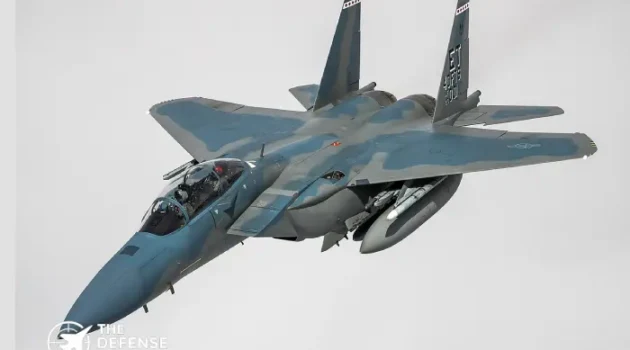
The electronic warfare suite is already being fielded on the U.S. Air Force F-15E Strike Eagle fleet and has been selected for the new F-15EX Eagle II. International adoption demonstrates growing confidence in the system’s ability to address evolving electromagnetic threats across multiple operational environments.
For Boeing, the contract reinforces the company’s continuing support role for global F-15 operators. For BAE Systems, it expands the international footprint of one of its flagship airborne electronic warfare products.
Why Electronic Warfare Has Become A Strategic Priority
Modern air combat increasingly depends on control of the electromagnetic spectrum rather than aircraft performance alone.
Advanced integrated air defense systems employ layered sensors, networked command and control, and multiple engagement radars capable of detecting aircraft from long distances. Even highly capable fourth generation fighters require advanced electronic protection to survive inside contested airspace.
EPAWSS contributes by providing:
- Continuous situational awareness of the electromagnetic environment.
- Automated identification of hostile emitters.
- Rapid threat prioritization.
- Electronic attack options against enemy radar systems.
- Improved survivability during strike and defensive missions.
This capability allows pilots to focus more on mission execution while the system manages complex electronic warfare tasks in real time.
Strategic Significance For The Indo Pacific
The modernization carries importance beyond a routine avionics upgrade.
The Korean Peninsula remains one of the world’s most heavily defended regions, with dense air defense networks and growing electronic warfare capabilities across Northeast Asia. Maintaining an effective electronic warfare capability is essential for preserving operational freedom during potential high intensity conflict.
For the United States and its regional allies, enhanced interoperability among F 15 operators also supports combined operations. Common electronic warfare technologies simplify training, logistics, mission planning, and future software development while strengthening coalition air operations.
The program also reflects a broader trend across allied air forces. Rather than replacing entire fighter fleets, many nations are investing in advanced sensors, electronic warfare, networking, and mission systems that deliver substantial capability improvements at lower cost than new aircraft procurement.
Looking Ahead
As integration progresses, the EPAWSS upgrade will extend the operational effectiveness of South Korea’s F-15K Slam Eagle fleet against current and emerging threats.
The program demonstrates the increasing importance of digital electronic warfare systems as core components of modern air combat. While advanced weapons and sensors remain essential, survivability in contested airspace increasingly depends on the ability to detect, understand, and dominate the electromagnetic environment.
For South Korea, the investment strengthens one of its most capable fighter fleets while supporting long term deterrence and allied interoperability across the Indo Pacific.