












@2026 – All Right Reserved. TheDefenseWatch.com
- Home
- Defense Systems
- Compare
- PAC-2 vs PAC-3: Key Differences in Patriot Missiles
PAC-2 vs PAC-3: Key Differences in Patriot Missiles
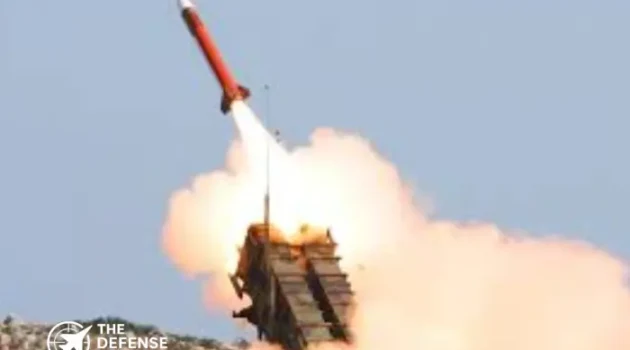
The PAC-2 and PAC-3 are two key interceptor missiles used in the Patriot air and missile defense system, but they serve different roles on the battlefield. The PAC-2 was designed primarily for aircraft interception and later adapted to counter ballistic missile threats using a proximity-fused blast fragmentation warhead. It offers a larger engagement range and is effective against a wide variety of aerial targets.
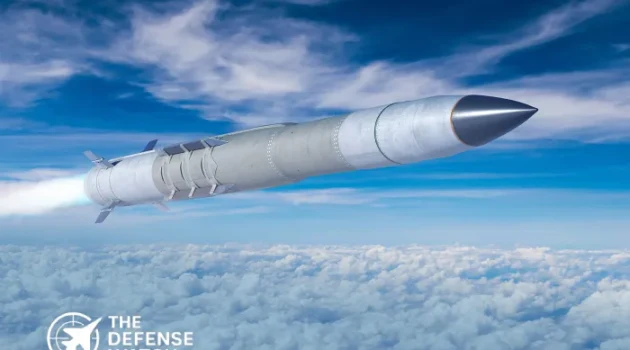
In contrast, the PAC-3 was developed specifically to counter modern ballistic missiles with greater precision. Instead of relying on a blast warhead, it uses hit-to-kill technology, meaning it destroys targets through direct impact. This approach improves accuracy and reduces the risk of debris causing collateral damage. The PAC-3 also features advanced guidance systems and enhanced maneuverability, making it better suited for high-speed, short-range ballistic threats.
Another key difference lies in deployment. More PAC-3 missiles can fit into a single launcher compared to PAC-2, increasing overall defensive capacity. Together, both missiles create a layered defense system, with PAC-2 handling broader aerial threats and PAC-3 focusing on high-priority missile interception.
| |
| Price | |
| Our Rating | |
| Manufacturer | Raytheon Technologies Lockheed Martin |
| Category | Missiles & Precision Weapons Missiles & Precision Weapons |
1. General Information
| Name / Designation | MIM-104C/D Patriot PAC-2 PAC 3 MSE |
| Type / Role | Surface-to-Air Missile, Air Defense Surface to Air Missile, Missile Defense Interceptor |
| Country of Origin | United States United States |
| Manufacturer | Raytheon Technologies Lockheed Martin |
| Service Entry / Year Introduced | 1980s (upgraded variants later) 2015 |
| Operational Status | Active Active |
2. Performance & Range
| Range | 70–160 km Short to Medium Range |
| Speed | Mach 4+ Mach 4 plus |
| Ceiling / Altitude Limit | Up to 24,000 m High altitude terminal phase |
| Accuracy (CEP) | High (proximity-based interception) Hit to kill direct impact |
| Warhead Type | High Explosive Fragmentation Kinetic energy |
3. Guidance & Targeting
| Guidance System | Semi-active radar homing Active radar seeker with INS |
| Targeting Mode | Command-guided Fire and forget |
| Launch Platform Compatibility | Ground-based launcher Ground based Patriot launcher |
| Seeker Type | Radar homing Active radar |
4. Physical Characteristics
| Length | 5.3 m About 5.2 m |
| Diameter | 0.41 m About 0.25 m |
| Wingspan | 0.86 m Extended control fins |
| Launch Weight | ~900 kg Around 320 kg |
| Propulsion | Solid-fuel rocket Dual pulse solid fuel rocket |
5. Warhead & Payload
| Warhead Weight | ~90 kg Not applicable |
| Explosive Type | Fragmentation None |
| Detonation Mechanism | Proximity fuse Direct impact |
| Payload Options | Conventional Kinetic interceptor |
6. Operational Use & Capabilities
| Operational Range Type | Medium Short to Medium |
| Deployment Platform | Ground Ground |
| Target Types | Aircraft, Cruise Missiles Ballistic missiles, cruise missiles, aircraft |
| Combat Proven | Yes Yes |
| Users / Operators | USA, Saudi Arabia, Germany, Japan, others United States, Germany, Japan, others |

|
Disclaimer Note
The information provided on TheDefenseWatch.com is for general informational purposes only. While we strive to ensure the accuracy, completeness, and timeliness of our content regarding defense and aerospace products, technologies, and specifications, we cannot guarantee that all information is 100% accurate or up-to-date due to the evolving nature of military technology and classified data.TheDefenseWatch.com does not warrant the reliability, suitability, or availability of the information for any specific purpose. Users are advised to consult official sources, such as manufacturers, government publications, or defense agencies, for precise and verified data before making decisions based on our content.We are not affiliated with any defense manufacturers, governments, or military organizations mentioned. Opinions, reviews, and ratings reflect expert analysis but are subjective and should not be considered endorsements. TheDefenseWatch.com is not responsible for any errors, omissions, or consequences arising from the use of this website’s content.External links are provided for convenience and do not imply endorsement. TheDefenseWatch.com reserves the right to update or modify content without prior notice. By using this website, you agree to our Privacy & Cookies Policy.
New Arrivals
Popular Comparisons
-
 Tejas Fighter Jet vs F-16 Fighting Falcon: Capability Compared
View Comparison →
Tejas Fighter Jet vs F-16 Fighting Falcon: Capability Compared
View Comparison → -
Rafale Fighter Jet vs F-16 Fighting Falcon : Which Fighter Has the Edge?
View Comparison →
-
Su-57 Fighter Jet vs J-20 Fighter Jet: Stealth and Air Combat Compared
View Comparison →
-
Mirage 2000 vs Tejas Mk1A: Legacy Combat Power vs Indigenous Modernization
View Comparison →
-
Rafale Fighter Jet vs F-22 Raptor: Which Air Dominance Fighter Has the Edge?
View Comparison →
-
Tejas Fighter Jet vs. Rafale Fighter Jet: India’s Indigenous Fighter Meets France’s Proven Multirole Combat Aircraft
View Comparison →
-
F-22 Raptor vs. F-35 Joint Strike Fighter: Which Fifth Generation Fighter Has the Edge?
View Comparison →
-
F-35A vs. F-22 Raptor: Which U.S. Stealth Fighter Dominates Modern Air Combat?
View Comparison →
-
AGM-114 Hellfire vs. AGM-179 JAGM: Which U.S. Precision Missile Is Better?
View Comparison →
-
Patriot (PAC-3) vs. THAAD: Complete Missile Defense System Comparison, Capabilities, Range, and Strategic Roles
View Comparison →
- Bell Boeing Wins $19.8M V-22 Tactical Software Support Contract

- Honeywell Wins $53.9M Navy Contract for WSN-7 Gyro Components
- Lockheed Martin Wins $76.6M Trident II D5LE2 Development Contract
- Lockheed Martin Gets $871.2M F-35 Site Support Contract Increase
- Pete Hegseth Texas Enlistment Ceremony: Hegseth Tells Military Families, We Have Their Back
- U.S., Denmark and Greenland Reach Security Agreement to Expand American Military Presence
- SpaceX Wins Three More NASA Crew Missions in $946 Million ISS Contract
- U.S. Clears Potential $24.3 Billion F-35 Sale to Saudi Arabia
- Type 99B Tank Training Shows China’s Shift Toward Networked Armored Warfare
- JRC Integrated Systems Gets $47.4M SLCM-N Support Contract