











@2026 – All Right Reserved. TheDefenseWatch.com
- Home
- Defense Systems
- Defense Systems
- Aegis Ballistic Missile Defense System
Aegis Ballistic Missile Defense System
Defense Systems Full Specifications
1. General Information
| System Name | Aegis Ballistic Missile Defense System |
| Manufacturer | Lockheed Martin |
| Country of Origin | United States |
| Type / Role | Naval and Land-Based Missile Defense System |
| In Service | Yes |
| Year Introduced | 2004 |
| Unit Cost | USD 1.8 Billion+ per Destroyer Platform |
2. Performance & Capabilities
| Maximum Engagement Range | 700+ km |
| Maximum Engagement Altitude | Exo-atmospheric |
| Target Types | Ballistic Missiles, Aircraft, UAVs, Cruise Missiles |
| Interception Probability | High against short and medium-range threats |
| Reaction Time | Seconds |
| Radar Detection Range | 310+ km |
3. Missile Specifications
| Missile Type | SM-3 / SM-6 |
| Missile Length | 6.55 m |
| Missile Weight | 1,500 kg |
| Warhead Type | Kinetic Hit-to-Kill / Fragmentation |
| Warhead Weight | Classified |
| Speed | Mach 1 |
4. Radar & Fire Control
| Radar Type | AESA Radar |
| Radar Name | AN/SPY-1 |
| Detection Range | 310+ km |
| Tracking Capacity | 100+ Targets |
| Guidance System | Command and Radar Guidance |
| Fire Control System | Aegis Combat System |
5. Launcher & Mobility
| Launcher Type | Mk 41 Vertical Launch System |
| No. of Missiles per Launcher | 8 to 122 Cells |
| Reload Time | Port-Based Reload |
| Mobility Platform | Guided Missile Destroyers / Aegis Ashore |
| Crew Required | Ship Dependent |
6. Command & Control
| C2 System | Integrated Aegis Combat Management |
| Connectivity | Link-16 / SATCOM / Secure Naval Networks |
| Network Capability | Yes |
| Operation Mode | Autonomous and Networked |
7. Operational Use
| Primary Operator | United States, Japan, South Korea, Spain |
| Combat Proven | Yes |
| Conflict History | Middle East Operations, NATO Missile Defense Missions |
| Notable Feature | Multi-Layer Ballistic Missile Defense |
PROS
- Highly effective against ballistic missile threats
- Long-range tracking and interception capability
- Combat-tested operational platform
- Multi-target engagement capability
- Integrated with NATO and allied defense networks
CONS
- Extremely high acquisition and operating costs
- Limited interceptor inventory during large-scale attacks
- Requires advanced naval infrastructure
- Complex maintenance and training requirements
- Vulnerable to saturation and swarm tactics
Aegis BMD: America’s Naval Missile Shield
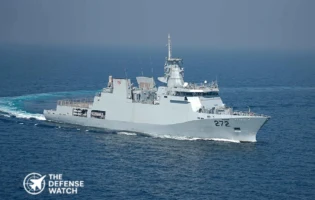
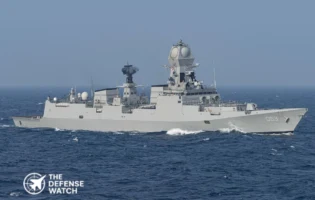
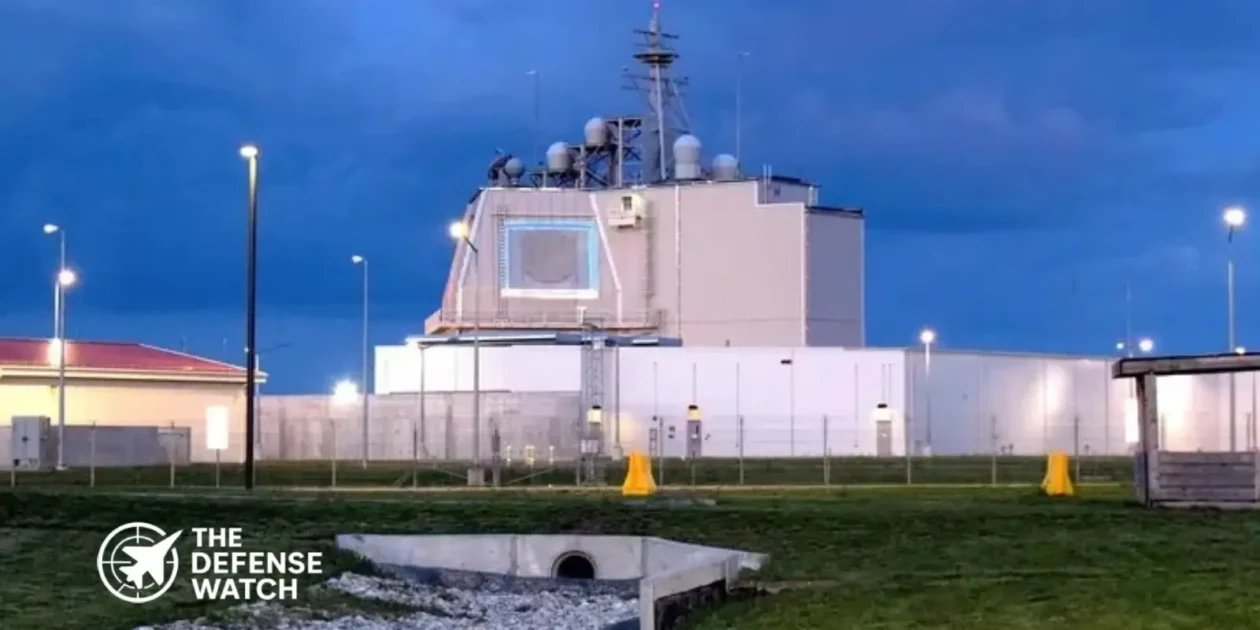
The Aegis Ballistic Missile Defense System is one of the United States’ most advanced naval air and missile defense networks. Developed primarily for the U.S. Navy, the system is designed to detect, track, and intercept ballistic missiles, cruise missiles, aircraft, and emerging aerial threats at sea and on land.
Manufactured by Lockheed Martin, with interceptor missile support from Raytheon Technologies, the Aegis BMD system combines powerful radar sensors, command-and-control software, and Standard Missile interceptors into a layered defense architecture. Originally deployed aboard guided missile destroyers and cruisers, the system is now also used in land-based Aegis Ashore installations.
Advanced Radar and Interceptor Capability
At the core of the system is the AN/SPY-1 AESA radar, capable of simultaneously tracking hundreds of targets across long distances. The system works alongside SM-3 and SM-6 interceptor missiles, which can engage short, medium, and intermediate-range ballistic missiles during different phases of flight.
The SM-3 interceptor can travel at speeds exceeding Mach 10 and engage threats outside the atmosphere, while the SM-6 provides terminal defense against maneuvering aerial targets and hypersonic threats. Depending on missile configuration, engagement ranges can exceed 2,500 km for ballistic missile tracking operations.
Aegis BMD has been deployed extensively by the U.S. Navy and allied nations including Japan, South Korea, and Spain. The system has also supported NATO missile defense operations in Europe.
Cost and Operational Role
An individual Aegis-equipped destroyer can cost more than USD 1.8 billion, while interceptor missiles range from roughly USD 10 million to USD 30 million each depending on variant. Despite high procurement costs, the system remains a central component of U.S. and allied missile defense strategy due to its multi-layered protection capability and network-centric warfare integration.
Disclaimer Note
The information provided on TheDefenseWatch.com is for general informational purposes only. While we strive to ensure the accuracy, completeness, and timeliness of our content regarding defense and aerospace products, technologies, and specifications, we cannot guarantee that all information is 100% accurate or up-to-date due to the evolving nature of military technology and classified data.TheDefenseWatch.com does not warrant the reliability, suitability, or availability of the information for any specific purpose. Users are advised to consult official sources, such as manufacturers, government publications, or defense agencies, for precise and verified data before making decisions based on our content.We are not affiliated with any defense manufacturers, governments, or military organizations mentioned. Opinions, reviews, and ratings reflect expert analysis but are subjective and should not be considered endorsements. TheDefenseWatch.com is not responsible for any errors, omissions, or consequences arising from the use of this website’s content.External links are provided for convenience and do not imply endorsement. TheDefenseWatch.com reserves the right to update or modify content without prior notice. By using this website, you agree to our Privacy & Cookies Policy.
New Arrivals
Popular Comparisons
-
 Tejas Fighter Jet vs F-16 Fighting Falcon: Capability Compared
View Comparison →
Tejas Fighter Jet vs F-16 Fighting Falcon: Capability Compared
View Comparison → -
Rafale Fighter Jet vs F-16 Fighting Falcon : Which Fighter Has the Edge?
View Comparison →
-
Su-57 Fighter Jet vs J-20 Fighter Jet: Stealth and Air Combat Compared
View Comparison →
-
Mirage 2000 vs Tejas Mk1A: Legacy Combat Power vs Indigenous Modernization
View Comparison →
-
Rafale Fighter Jet vs F-22 Raptor: Which Air Dominance Fighter Has the Edge?
View Comparison →
-
Tejas Fighter Jet vs. Rafale Fighter Jet: India’s Indigenous Fighter Meets France’s Proven Multirole Combat Aircraft
View Comparison →
-
F-22 Raptor vs. F-35 Joint Strike Fighter: Which Fifth Generation Fighter Has the Edge?
View Comparison →
-
F-35A vs. F-22 Raptor: Which U.S. Stealth Fighter Dominates Modern Air Combat?
View Comparison →
-
AGM-114 Hellfire vs. AGM-179 JAGM: Which U.S. Precision Missile Is Better?
View Comparison →
-
Patriot (PAC-3) vs. THAAD: Complete Missile Defense System Comparison, Capabilities, Range, and Strategic Roles
View Comparison →
- MV-22B Osprey Completes First Navy Sonobuoy Acceptance Test

- Saab expands Swedish space role through new partnerships with SSC Space, OHB Sweden and Ericsson
- Russian Mi-8 Briefly Enters Polish Airspace, Prompting Fighter Scramble
- Last A-10 Warthog Departs Nellis, Closing a 49-Year Close Air Support Era
- British Arms Broker Jailed 16 Years Over Illegal Missile and Fighter Jet Deals
- RAF Hawk T2 Crashes Near RAF Valley After Two Pilots Eject
- DeltaQuad Launches Evo-LE With Eight-Hour Endurance for Long-Range ISR
- USS Farragut Completes Task Force Exercise Ahead of Global Deployment
- Army Begins Replacing Legacy WIN-T Network With Modern C2 Baseline at III Armored Corps
- Coyote Storm 26.2 Tests Air Force Expeditionary Wing 2.0 Readiness at Davis-Monthan