Iran–Israel Ceasefire 2026: A Fragile Halt in a Transformed Middle East
The Iran–Israel ceasefire reached in April 2026 is less a resolution than a heavily armed pause — one where both sides maintain active blockades, continue proxy engagements, and remain fundamentally divided on the core issue that triggered the conflict: Iran’s nuclear program. What began as a Pakistan-mediated two-week truce on April 8 has since been extended by President Trump, complicated by a failed round of high-stakes talks in Islamabad, and strained by a US naval blockade that Tehran calls a pretext for war. For defense analysts tracking the Iran–Israel ceasefire news cycle, the question is no longer whether the truce will hold indefinitely — it is what shape any eventual collapse or deal will take.
- A US–Iran ceasefire brokered by Pakistan took effect on April 8, 2026, halting 40 days of US–Israeli airstrikes on Iran.
- The Islamabad Talks (April 11–12) ended without a deal after 21 hours of negotiations, with Iran’s nuclear program the central unresolved issue.
- The US imposed a naval blockade on Iranian ports on April 13 following the collapse of talks, while the ceasefire technically remains in effect.
- Lebanon was explicitly excluded from the US–Iran ceasefire framework; a separate Israel–Lebanon truce was announced on April 16 and extended for three weeks on April 23.
- As of early May 2026, the US has presented Iran with a 14-point proposal requiring a halt to uranium enrichment for at least 12 years; Iran is still reviewing it.
How the Ceasefire Came About: From Airstrikes to Islamabad
The War That Preceded It
On February 28, 2026, Israel and the United States launched airstrikes against Iran, killing its Supreme Leader and many other officials, destroying a large number of military and government targets, and killing civilians. The assault followed months of escalating pressure. On March 6, President Trump had said that only Iran’s “unconditional surrender” would be acceptable and said the US would attack Iranian energy infrastructure and bridges if a deal was not reached; he set deadlines of March 21, then March 23, then April 7 for a deal.
With those deadlines expiring and international alarm growing, Pakistan stepped in.
Pakistan’s Mediation and the April 8 Truce
On April 8, 2026, the United States and Iran agreed to a two-week ceasefire in the 2026 Iran war, mediated by Pakistan. The announcement from Pakistani Prime Minister Shehbaz Sharif declared the truce effective immediately and, in his initial post, claimed it included Lebanon — a point that immediately became a flashpoint. A two-week ceasefire between the United States and Iran halted 40 days of US–Israeli attacks on Iran that had pushed the region to the brink of a wider war.
The ceasefire framework carried several key conditions. The framework calls for an immediate halt to hostilities, the reopening of the Strait of Hormuz, and a 15–20-day period of negotiations between Iran and the US. Phase two of the framework envisioned a 45-day structured negotiation window targeting a permanent settlement.
What the Ceasefire Terms Actually Require
The agreement — to the extent it has been clarified — is a phased framework rather than a binding treaty. Here is what each side is expected to deliver:
What Iran Must Do
- Immediately halt all offensive military operations against US and Israeli forces
- Reopen the Strait of Hormuz to unrestricted international shipping
- Commit — as part of any final deal — to halting its pursuit of nuclear weapons
What the US Has Signaled in Return
- A pause on airstrikes against Iranian territory
- Willingness to ease sanctions conditionally, tied to Iranian compliance
- Potential release of frozen Iranian assets, including a reported $6 billion, as part of a final deal
The Lebanon Dispute
One of the most immediate fractures in the ceasefire narrative involves Lebanon. Iran is pushing for a broader regional ceasefire, including an end to fighting involving its allies, such as Hezbollah in Lebanon. While Israeli Prime Minister Benjamin Netanyahu has expressed support for Washington’s decision to suspend the strikes on Iran, he said the ceasefire will not extend to Israel’s ongoing military operations in Lebanon. Trump later added that Lebanon is not included in the ceasefire agreement and that Hezbollah will need to be dealt with.
A separate Israel–Lebanon truce was eventually brokered. The 2026 Israel–Lebanon ceasefire, brokered by the United States, established a 10-day truce intended to halt active fighting and create conditions for further negotiations toward a longer-term settlement. On April 23, US President Donald Trump announced that Israel and Lebanon agreed to a three-week extension of the ceasefire.
The Islamabad Talks: 21 Hours, No Deal
Who Was in the Room
The Islamabad Talks were held in Islamabad, Pakistan, on April 11 and 12, 2026. The 300-member US negotiating team was led by Vice President JD Vance, alongside special envoys Steve Witkoff and Jared Kushner, while the 70-member Iranian team was led by parliamentary speaker Mohammad Bagher Ghalibaf, alongside Foreign Minister Abbas Araghchi. The Pakistani mediating team was led by Prime Minister Shehbaz Sharif, Field Marshal Asim Munir, and Deputy Prime Minister and Foreign Minister Ishaq Dar.
Why They Failed
Both sides reported progress was made but no agreement was reached. The US President said “most points were agreed to, but the only point that really mattered, nuclear, was not.” He described Iran as “unyielding” on the issue. Iran’s Foreign Minister said an agreement was “just inches away” but criticized “maximalist demands” from the US negotiators.
The main unresolved issues reportedly included Iran’s nuclear program and the status of the Strait of Hormuz. While the US side insisted on a phased relief linked to compliance, Iran demanded comprehensive lifting of sanctions and release of assets, including $6 billion in frozen assets, as a precondition to a meaningful deal.
Vance told reporters: “The bad news is that we have not reached an agreement, and I think that’s bad news for Iran much more than it’s bad news for the United States of America.
The Naval Blockade: A War Tool Wrapped in Ceasefire Rhetoric
What makes the current Iran–Israel ceasefire situation analytically unusual is that the US imposed a de facto economic siege even as the truce nominally held. The United States imposed a naval blockade on Iran following the failure of the Islamabad Talks to end the war. Iran said it will view the entry of military vessels near the strait as a breach of the ceasefire and will respond accordingly.
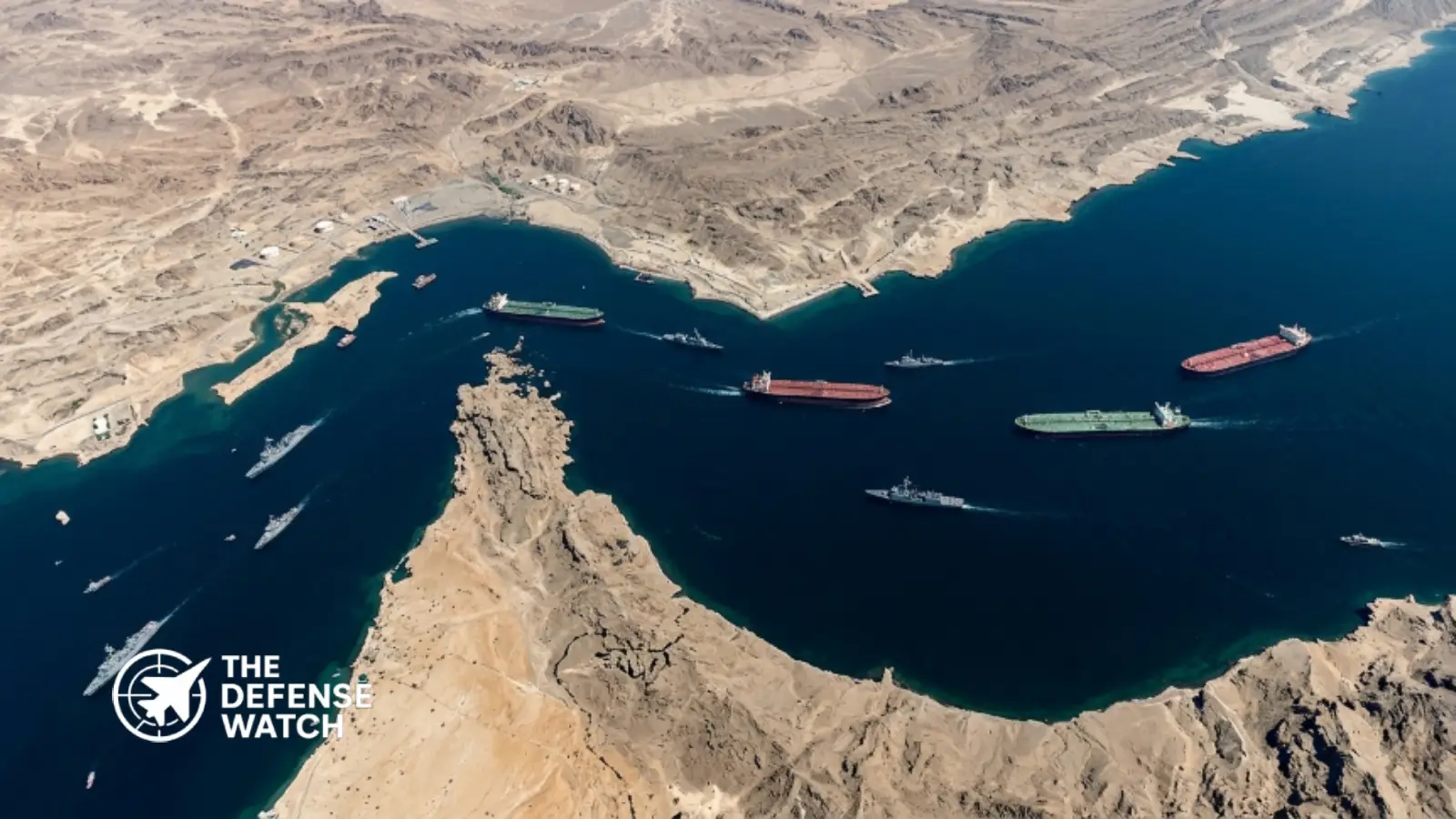
(adsbygoogle = window.adsbygoogle || []).push({});The Strait of Hormuz remains the central pressure point. The war has caused a global energy crisis as Iran has put a chokehold on the Strait of Hormuz, through which about 20 percent of the world’s oil and gas supplies pass. Neither side has removed their blockades.
The USS Spruance incident underscores how close the situation is to renewed armed conflict. President Trump announced that the US had attacked the Iran-flagged cargo ship Touska after it attempted to breach the US naval blockade of Iran, blowing a hole in its engine room and taking the ship into custody.
The Nuclear Flashpoint: America’s Red Line, Iran’s Sovereign Right
The nuclear question is, by every metric, the hardest gap to bridge.
According to US media reports, Washington sent Iran a 14-point document. Under its proposals, Iran would be required to agree not to develop a nuclear weapon and halt all enrichment of uranium for at least 12 years. It would also be required to hand over an estimated 440 kg of uranium, which it has enriched to 60 percent. In return, the US would gradually lift sanctions and release billions of dollars in frozen Iranian assets and withdraw its naval blockade of Iranian ports.
Tehran’s position is fundamentally different in framing. Iranians are saying that, at this stage, they are not negotiating their nuclear programme; it is only about ending the war on all fronts. Iran also insists it requires direct UN Security Council guarantees against renewed strikes before entering substantive nuclear negotiations.
Analyst Negar Mortazavi said Tehran may be willing to show greater flexibility on its nuclear programme once the conflict ends, though she added that Iran is unlikely to agree to hand over its enriched uranium directly to the US. Mortazavi told Al Jazeera that Iran believes negotiations with the Trump administration require “time and patience.
What Israel Wants — and What It Won’t Accept
Israel’s position adds a third layer of complexity to an already fraught diplomatic framework. Israeli Prime Minister Benjamin Netanyahu has made clear that the ceasefire with Iran does not constrain Israeli military objectives. Netanyahu said that despite the conditional ceasefire in April, “we still have goals to complete”, and that these would be completed either through diplomacy or by other means.
As the talks were under way in Islamabad, Netanyahu said his country’s military campaign against Iran was not over: “Israel under my leadership will continue to fight Iran’s terror regime and its proxies.” Israel also rejected any Lebanon ceasefire that left Hezbollah intact.
This creates a structural problem for US diplomacy: Washington is simultaneously serving as Iran’s negotiating counterpart and as Israel’s principal military sponsor — a dual role that Iranian negotiators cite as a core reason for their distrust of the process.
Analysis: Can This Ceasefire Hold?
TheDefenseWatch Assessment: The April 8 ceasefire is best understood as a diplomatic scaffold — just sturdy enough to prevent immediate military escalation, but too structurally incomplete to bear the weight of a final settlement. Several factors suggest the truce’s durability is being tested daily rather than consolidated.
First, the absence of a neutral monitoring mechanism is glaring. Unlike the November 2024 Lebanon ceasefire — which at least nominally had US and French oversight — the Iran truce has no third-party verification body. This means accusations of violations by both Tehran and Washington carry equal rhetorical weight with no arbiter to adjudicate them.
Second, the sequencing problem is real. The US wants nuclear concessions before sanctions relief; Iran wants sanctions relief and security guarantees before nuclear talks. This chicken-and-egg dynamic destroyed the JCPOA revival process between 2021 and 2022, and there is little structural reason to believe it has been resolved.
Third, Israel’s operational independence remains the wildcard that no US–Iran framework can fully contain. As long as Israeli strikes on Hezbollah continue, Tehran will maintain that the ceasefire is being violated in spirit — regardless of what any formal agreement says about Lebanon’s exclusion.
The most realistic near-term scenario is a continued “armed ceasefire” — both sides avoiding direct strikes on each other’s territory while maintaining economic and proxy pressure. A comprehensive peace deal, one that resolves the nuclear file, the Strait of Hormuz, sanctions, and the proxy network, remains months to years away at minimum.
What Comes Next: Key Milestones to Watch
- Iran’s response to the US 14-point proposal — Tehran is currently reviewing the document; its reply will set the tone for whether a second round of talks is even feasible.
- Strait of Hormuz status — The standoff between the US naval blockade and Iranian restrictions on shipping remains the most likely flashpoint for renewed hostilities.
- A second Islamabad round — Iran’s UN envoy has said he believes negotiations will be held in Islamabad once the United States ends its naval blockade. Washington has shown no sign of lifting it.
- The Lebanon variable — Progress on Israel–Hezbollah disarmament talks will directly affect whether Iran re-enters substantive nuclear negotiations or holds firm on its preconditions.
- Internal Iranian cohesion — US officials have suspected there is a significant divide between Iran’s negotiating team and the country’s military leaders in the Islamic Revolutionary Guard Corps, leading to questions about who can ultimately sign off on a deal.
FAQs
The ceasefire of April 8, 2026 was technically agreed between the United States and Iran, with Pakistan as mediator. Israel was not a direct signatory. Iran and Israel do not have formal diplomatic relations, and the truce was structured as a US–Iran bilateral halt to hostilities, with Israeli operations in Lebanon addressed through a separate, subsequent agreement.
The core terms included an immediate halt to US–Israeli airstrikes on Iranian territory, Iran’s commitment to reopen the Strait of Hormuz, and a structured negotiation window aimed at a permanent settlement. Iran’s nuclear program and sanctions relief were designated for Phase 2 discussions.
The talks collapsed primarily over Iran’s nuclear program. The US demanded Iran commit to halting all uranium enrichment and surrender its enriched stockpile; Iran insisted this was a precondition it would not discuss until the war formally ended and US sanctions were lifted.
Technically, yes — but it is being violated in practice. Both sides have engaged in naval confrontations in the Strait of Hormuz, the US naval blockade of Iranian ports remains active, and Israeli strikes on Hezbollah in Lebanon have continued despite Iranian protests.
The Strait of Hormuz is a narrow waterway between Iran and Oman through which roughly 20 percent of the world’s oil and gas supplies transit. Iran’s blockade of the strait triggered a global energy crisis, and its reopening is a core US demand in any permanent settlement.