Rafale vs F-16: A Comprehensive Comparison of Two Leading Multirole Fighters
The debate over the Rafale vs F-16 has intensified as nations worldwide evaluate their air combat requirements for the 2020s and beyond. France’s Dassault Rafale and America’s General Dynamics (now Lockheed Martin) F-16 Fighting Falcon represent two distinct philosophies in fighter design, each with proven combat records and global operator networks. As air forces modernize their fleets, understanding the capabilities, limitations, and operational contexts of these aircraft becomes essential for defense planners and military analysts.
Both platforms have secured their positions as leading multirole fighter jets through decades of evolution, combat deployment, and continuous upgrades. The F-16, introduced in the 1970s, has become the world’s most prolifically produced Western fighter aircraft, while the Rafale, entering service in 2001, represents a newer generation of European combat aviation excellence. This analysis examines their design philosophies, combat capabilities, technological features, and operational performance to provide a balanced assessment.
Design Philosophy and Development History
F-16 Fighting Falcon: The Lightweight Fighter Revolution
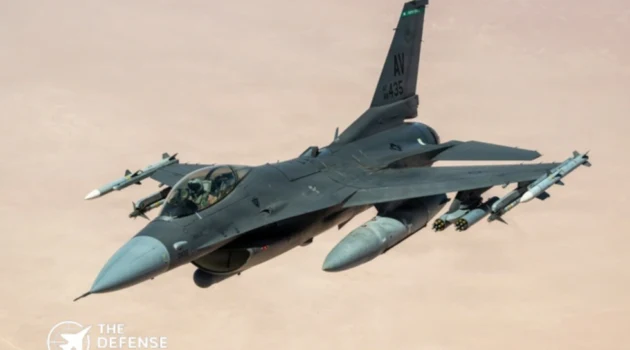
The F-16 emerged from the United States Air Force’s Lightweight Fighter program in the early 1970s, designed as an agile, cost-effective complement to the heavier F-15 Eagle. General Dynamics (later Lockheed Martin) created an aircraft emphasizing maneuverability, reliability, and affordability. The F-16’s revolutionary fly-by-wire flight control system, side-mounted control stick, and reclined ejection seat optimized pilot performance during high-G maneuvers.
Since its first flight in 1974, the F-16 has undergone continuous evolution through Block upgrades, with current variants like the F-16V (Block 70/72) incorporating active electronically scanned array (AESA) radar systems, advanced electronic warfare suites, and modern avionics. More than 4,600 F-16s have been produced, serving in approximately 25 air forces worldwide.
Dassault Rafale: Europe’s Omni-Role Fighter
The Rafale development began in the 1980s as France pursued an independent path after withdrawing from the multinational Eurofighter program. Dassault Aviation designed the Rafale as an “omni-role” fighter capable of executing air superiority, ground attack, reconnaissance, and nuclear strike missions within a single sortie without reconfiguration.
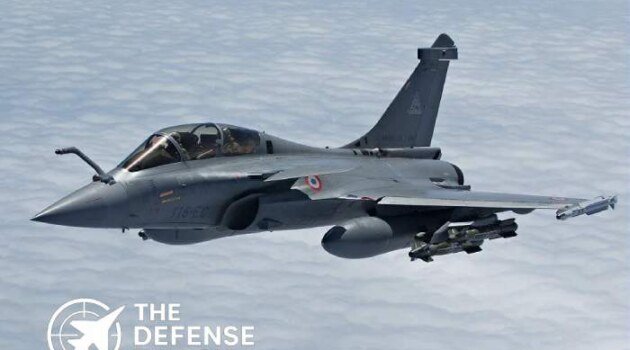
The Rafale entered French service in 2001, incorporating cutting-edge technologies including digital fly-by-wire controls, composite materials, and integrated sensor fusion. Unlike the F-16’s evolutionary development, the Rafale was conceived as a comprehensive fourth-generation-plus platform from inception. As of early 2025, over 280 Rafales have been delivered, serving France, Egypt, Qatar, India, Greece, Croatia, Indonesia, and the United Arab Emirates.
(adsbygoogle = window.adsbygoogle || []).push({});Technical Specifications and Performance
Airframe and Aerodynamics
The Rafale vs F-16 comparison reveals fundamental differences in airframe design. The F-16 features a conventional single-engine configuration with a cropped delta wing and horizontal stabilizers, optimized for high maneuverability and sustained turn rates. Its blended wing-body design reduces drag while maintaining structural efficiency.

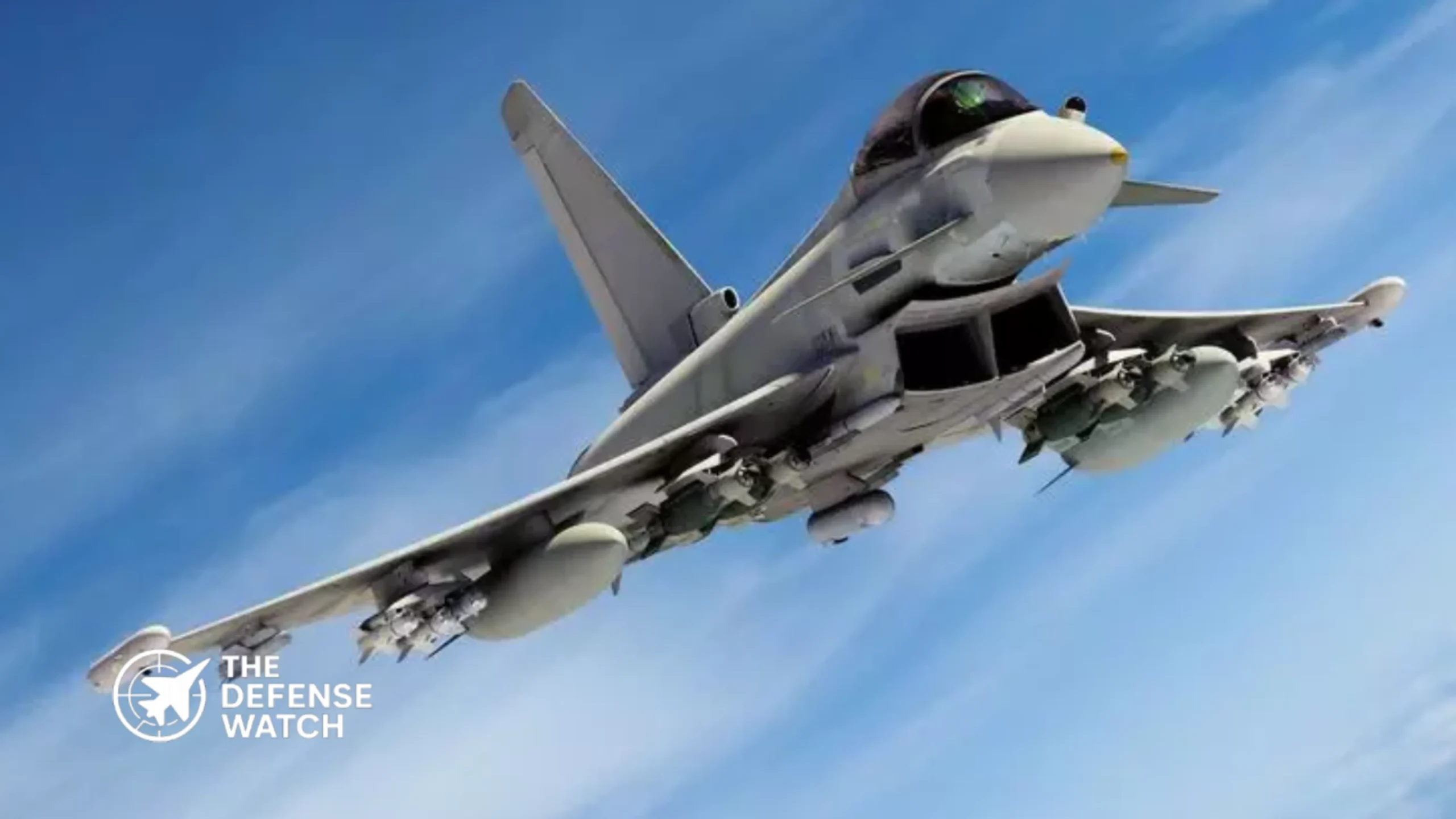
Image Source: Dassault Aviation The Rafale employs a delta wing-canard configuration with two Snecma M88 engines, providing exceptional low-speed handling, short takeoff performance, and superior agility at high angles of attack. The close-coupled canards enhance maneuverability throughout the flight envelope while contributing to the aircraft’s distinctive appearance.
Key Performance Metrics:
F-16C/D Block 52+:
- Maximum speed: Mach 2+ (1,500+ mph)
- Combat radius: 340 miles (550 km)
- Service ceiling: 50,000+ feet
- Maximum takeoff weight: 42,300 lbs (19,187 kg)
- Thrust-to-weight ratio: Approximately 1.1 (with afterburner)
Rafale C:
- Maximum speed: Mach 1.8 (1,190 mph)
- Combat radius: 1,056 miles (1,700 km) in ground attack configuration
- Service ceiling: 50,000+ feet
- Maximum takeoff weight: 54,000 lbs (24,500 kg)
- Thrust-to-weight ratio: Approximately 0.99 loaded, 1.3 clean configuration
The Rafale’s twin-engine design provides redundancy and greater total thrust, while the F-16’s single-engine approach reduces acquisition and operational costs.
(adsbygoogle = window.adsbygoogle || []).push({});Avionics and Sensor Systems
F-16 Modernization: Block Upgrades to the V Standard
Modern F-16 variants feature sophisticated avionics suites centered around the Northrop Grumman APG-83 SABR (Scalable Agile Beam Radar), an AESA system providing enhanced detection ranges, simultaneous multi-target tracking, and electronic attack resistance. The F-16V upgrade package includes:
- Center Pedestal Display with advanced mission computer
- Modernized cockpit with large-format touchscreen displays
- Link 16 tactical data link for network-centric operations
- Advanced electronic warfare systems including the ALQ-211 AIDEWS pod
- Helmet-mounted cueing systems for off-boresight targeting
Image: Danish Armed Forces. These upgrades transform legacy F-16s into capable fourth-generation-plus platforms competitive with newer designs.
Rafale’s Integrated Sensor Fusion
The Rafale’s avionics architecture emphasizes sensor fusion and situational awareness through its Modular Data Processing Unit. The Thales RBE2-AA AESA radar provides simultaneous air-to-air and air-to-ground modes, detecting targets at ranges exceeding 93 miles (150 km) for fighter-sized aircraft. Additional systems include:
- Thales SPECTRA electronic warfare suite with active jamming and missile warning
- Thales OSF (Optronique Secteur Frontal) infrared search and track system
- Damocles or Talios targeting pods for precision ground attack
- MICA-IR missiles integrated with OSF for passive targeting
- TopSight helmet-mounted display system
The Rafale’s sensor fusion automatically correlates data from radar, infrared sensors, electronic warfare systems, and external sources, presenting pilots with comprehensive tactical pictures without manual sensor management.
Weapons Systems and Combat Capability
F-16: Versatile Arsenal Integration
The F-16’s weapons flexibility stems from 11 hardpoints accommodating up to 17,000 lbs (7,700 kg) of ordnance. Standard air-to-air armament includes AIM-120 AMRAAM medium-range missiles and AIM-9 Sidewinder short-range missiles. Ground attack capabilities encompass:
- Joint Direct Attack Munitions (JDAM) precision-guided bombs
- AGM-65 Maverick air-to-ground missiles
- AGM-88 HARM anti-radiation missiles
- Paveway laser-guided bombs
- Small Diameter Bombs (SDB) for high-precision strikes
- M61 Vulcan 20mm internal cannon
Recent integration efforts have expanded F-16 compatibility with advanced weapons including the AGM-158 Joint Air-to-Surface Standoff Missile (JASSM) on certain variants.
Rafale: Comprehensive Weapons Integration
The Rafale’s 14 hardpoints support weapons loads up to 20,950 lbs (9,500 kg), with comprehensive integration of European and international weapons systems:
- MBDA Meteor beyond-visual-range air-to-air missiles
- MICA multi-mission missiles (radar and infrared variants)
- SCALP/Storm Shadow cruise missiles for standoff strikes
- AASM Hammer precision-guided munitions
- Exocet AM39 anti-ship missiles
- ASMP-A nuclear-capable cruise missiles (French Air Force only)
- 30mm GIAT DEFA 791B internal cannon
The Rafale’s weapons system management allows pilots to employ different weapon types simultaneously without mode switching, supporting true multirole operations within single sorties.
Operational Costs and Sustainability
Life-Cycle Economics
The Rafale vs F-16 cost analysis reveals significant differences in acquisition and operational expenses. The F-16’s lower unit cost—approximately $30-65 million depending on variant and configuration—makes it accessible to mid-tier air forces with constrained budgets. Operating costs average $7,000-9,000 per flight hour for modern variants.
(adsbygoogle = window.adsbygoogle || []).push({});The Rafale’s unit cost ranges from $80-120 million, reflecting its newer design, twin-engine configuration, and advanced systems integration. Operating costs approximate $16,000-18,000 per flight hour, nearly double the F-16’s expenses. However, Rafale operators emphasize the aircraft’s mission flexibility reducing the need for specialized platforms.
Global Supply Chain and Support
Lockheed Martin’s extensive F-16 production and support network spans decades, with established maintenance facilities, spare parts availability, and training infrastructure worldwide. The F-16 global supply chain benefits from economies of scale derived from over 4,600 aircraft produced.
Dassault’s Rafale support network, while smaller, has expanded significantly with international sales. France maintains comprehensive indigenous support capabilities, while export customers receive tailored support packages including pilot training, maintenance training, and spare parts agreements.
Combat Record and Operational Deployment
F-16 Combat Proven Across Multiple Conflicts
The F-16 has accumulated extensive combat experience since the Israeli Air Force first employed the type in 1981. Notable operational deployments include:
- Israeli operations over Lebanon and Syria (1980s-present)
- U.S. operations in Desert Storm, Iraqi Freedom, and Afghanistan
- NATO operations over Bosnia, Kosovo, and Libya
- Pakistani operations along the Line of Control
- Turkish operations in Syria
The F-16 has achieved over 75 confirmed air-to-air victories against various opponents, demonstrating effectiveness in beyond-visual-range and close-in combat scenarios.
Rafale: Modern Combat Operations
The Rafale has participated in combat operations since 2007, with French forces deploying the aircraft in:
- Afghanistan (2007-2012): Close air support and reconnaissance
- Libya (2011): NATO Operation Unified Protector
- Mali (2013-present): Counter-insurgency operations
- Iraq and Syria (2014-present): Counter-ISIS coalition strikes
- French carrier operations in Mediterranean and Indo-Pacific regions
Egyptian and Indian Rafales have also seen operational deployment along their respective frontiers, though without publicized combat engagements as of early 2025.
Strategic Considerations and Export Success
F-16: Global Proliferation and Strategic Partnerships
The F-16’s export success stems from American security partnerships, Foreign Military Sales programs, and the aircraft’s proven reliability. Current operators include NATO allies, Middle Eastern partners, and Asian nations including Taiwan, South Korea, and Singapore. The F-16 forms the backbone of many allied air forces, facilitating interoperability during coalition operations.
Rafale: European Alternative and Strategic Autonomy
France has positioned the Rafale as a strategic alternative for nations seeking advanced capabilities without complete dependence on American defense systems. Recent export successes demonstrate growing international acceptance:
- India: 36 aircraft delivered (2016 order), with potential for additional procurement
- Egypt: 54 aircraft across two orders
- Qatar: 36 aircraft with options for 36 additional
- Greece: 24 aircraft strengthening NATO’s southeastern flank
- United Arab Emirates: 80 aircraft (largest single Rafale order)
- Indonesia: 42 aircraft ordered in 2022
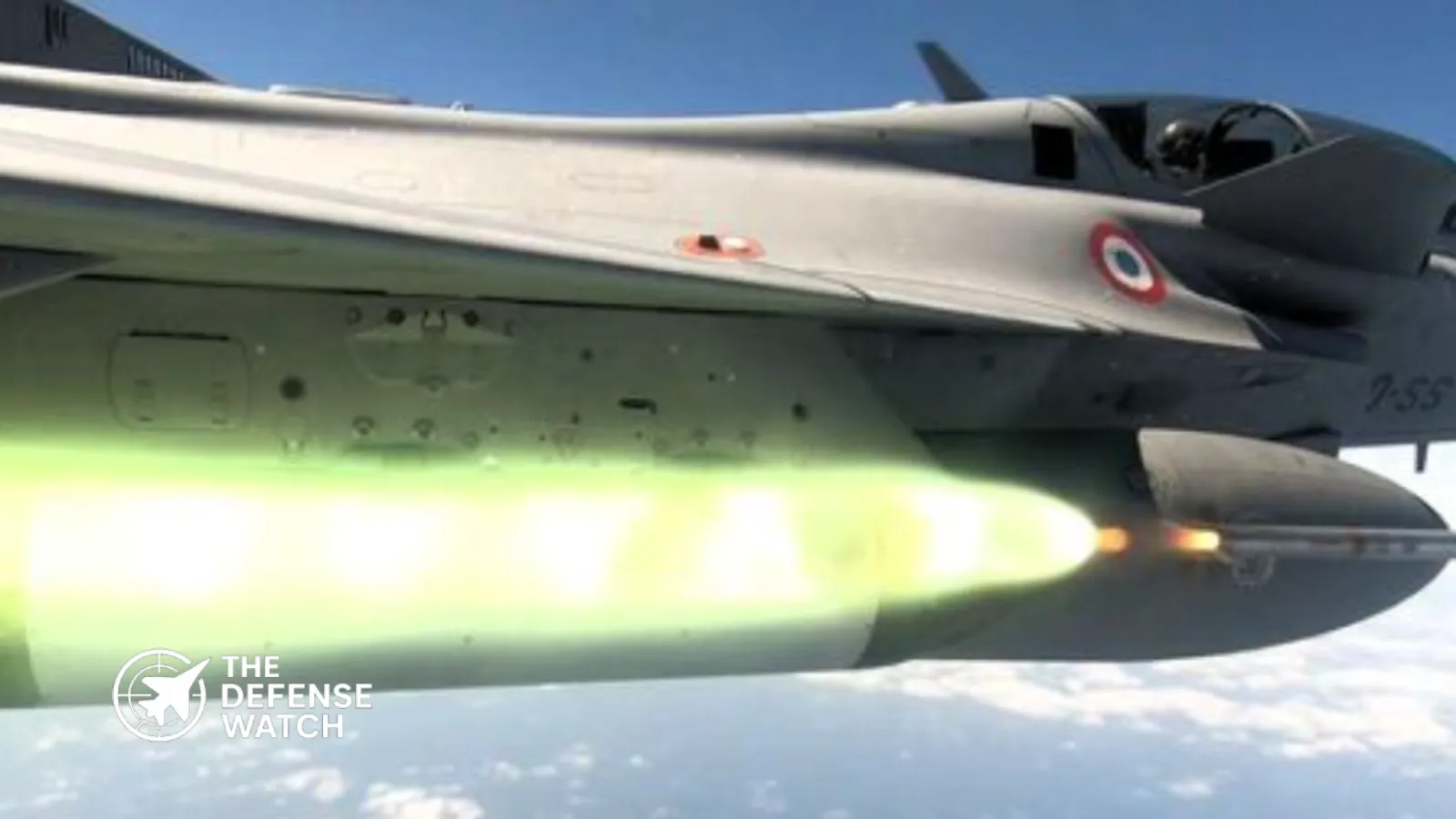
Image Source: Dassault Aviation These sales reflect the Rafale’s appeal to nations prioritizing operational sovereignty and European defense industrial cooperation.
Future Modernization and Longevity
F-16 Service Life Extension
Lockheed Martin continues developing F-16 improvements, with the Block 70/72 variant representing the most advanced configuration available. Service life extension programs (SLEP) can extend F-16 operational longevity to 12,000 flight hours, ensuring relevance into the 2040s for well-maintained airframes. Ongoing enhancements include:
- Advanced electronic warfare systems
- Infrared search and track (IRST) capabilities
- Integration with fifth-generation platforms like F-35
- Artificial intelligence-assisted mission systems
Rafale F4 and Beyond
Dassault’s Rafale F4 standard, entering service in 2024-2025, introduces significant capability enhancements:
- Enhanced connectivity with NATO assets and future European combat systems
- Integration of the MBDA MICA NG missile
- Improved AESA radar with extended range
- Enhanced sensor fusion algorithms
- Compatibility with collaborative combat aircraft (loyal wingman UAVs)
France is already planning the Rafale F5 standard for the 2030s, ensuring the platform remains competitive as European nations develop the Future Combat Air System (FCAS).
Analysis: Complementary Capabilities in Modern Air Warfare
The Rafale vs F-16 comparison ultimately reveals two highly capable but distinctly different approaches to multirole fighter design. The F-16’s enduring success derives from continuous modernization, proven reliability, and unmatched global support infrastructure. Its cost-effectiveness and combat-proven performance make it an optimal choice for nations requiring dependable airpower without premium pricing.
(adsbygoogle = window.adsbygoogle || []).push({});The Rafale represents a comprehensive fourth-generation-plus design optimized for high-intensity conflicts against peer adversaries. Its superior sensor integration, extended range, and weapons flexibility provide capabilities approaching fifth-generation standards in certain mission sets. Nations prioritizing strategic autonomy, reduced dependency on American defense systems, or requirements for carrier-capable aircraft find the Rafale particularly attractive despite higher acquisition and operating costs.
Neither aircraft conclusively “wins” this comparison—their suitability depends entirely on specific operational requirements, budget constraints, strategic partnerships, and threat environments. The F-16 remains the economical, proven workhorse for air forces requiring reliable multirole capability. The Rafale offers cutting-edge technology and comprehensive mission flexibility for operators willing to invest in premium performance.
As fifth-generation fighters like the F-35 become more prevalent, both the F-16 and Rafale are evolving into complementary platforms within mixed fleets, providing cost-effective mass alongside high-end capabilities. This evolutionary path ensures both aircraft will remain operationally relevant well into the 2040s, continuing their respective legacies as cornerstone platforms in global air combat.
FAQs
Which is better, the Rafale or F-16?Neither aircraft is definitively “better”—each excels in different contexts. The F-16 offers proven reliability and lower costs, while the Rafale provides more advanced sensors, greater range, and superior multirole flexibility. The optimal choice depends on operational requirements, budget, and strategic partnerships.
How much does a Rafale cost compared to an F-16?A new Rafale costs approximately $80-120 million per unit, while modern F-16 variants range from $30-65 million. Operating costs also differ significantly: Rafale operations average $16,000-18,000 per flight hour versus $7,000-9,000 for the F-16.
Can the F-16 defeat a Rafale in air combat?Both aircraft are highly capable in air combat, with outcomes depending on pilot skill, tactics, supporting assets, and engagement conditions rather than platform alone. The Rafale’s AESA radar and Meteor missiles provide advantages in beyond-visual-range combat, while the F-16’s agility remains formidable in close-range engagements.
Which countries operate the Rafale and F-16?The F-16 serves in approximately 25 air forces including the United States, Turkey, Israel, Pakistan, Greece, and Poland. The Rafale operates with France, India, Egypt, Qatar, Greece, Croatia, Indonesia, and the United Arab Emirates, with several nations operating both types.
Is the Rafale a fifth-generation fighter?No, the Rafale is classified as a fourth-generation-plus (4.5 generation) fighter. While it incorporates advanced sensor fusion, AESA radar, and sophisticated electronic warfare systems, it lacks the stealth characteristics defining true fifth-generation platforms like the F-35 or F-22.