Air Force Strike Operations Reveal Urgent Need for Tanker Modernization
The U.S. Air Force’s successful execution of Operation Midnight Hammer has illuminated serious capability gaps that could hamper sustained combat operations, with senior military leaders warning that an aging tanker fleet and limited munitions stockpiles present critical vulnerabilities for future long-range strike campaigns.
During the recent Airpower Forum hosted by the Air Force Association’s Mitchell Institute for Aerospace Studies, three-star generals disclosed that while operations like Midnight Hammer and Absolute Resolve demonstrated operational readiness, they also exposed infrastructure limitations that could constrain American airpower in extended conflicts.
Massive Strike Package Highlights Tanker Dependencies
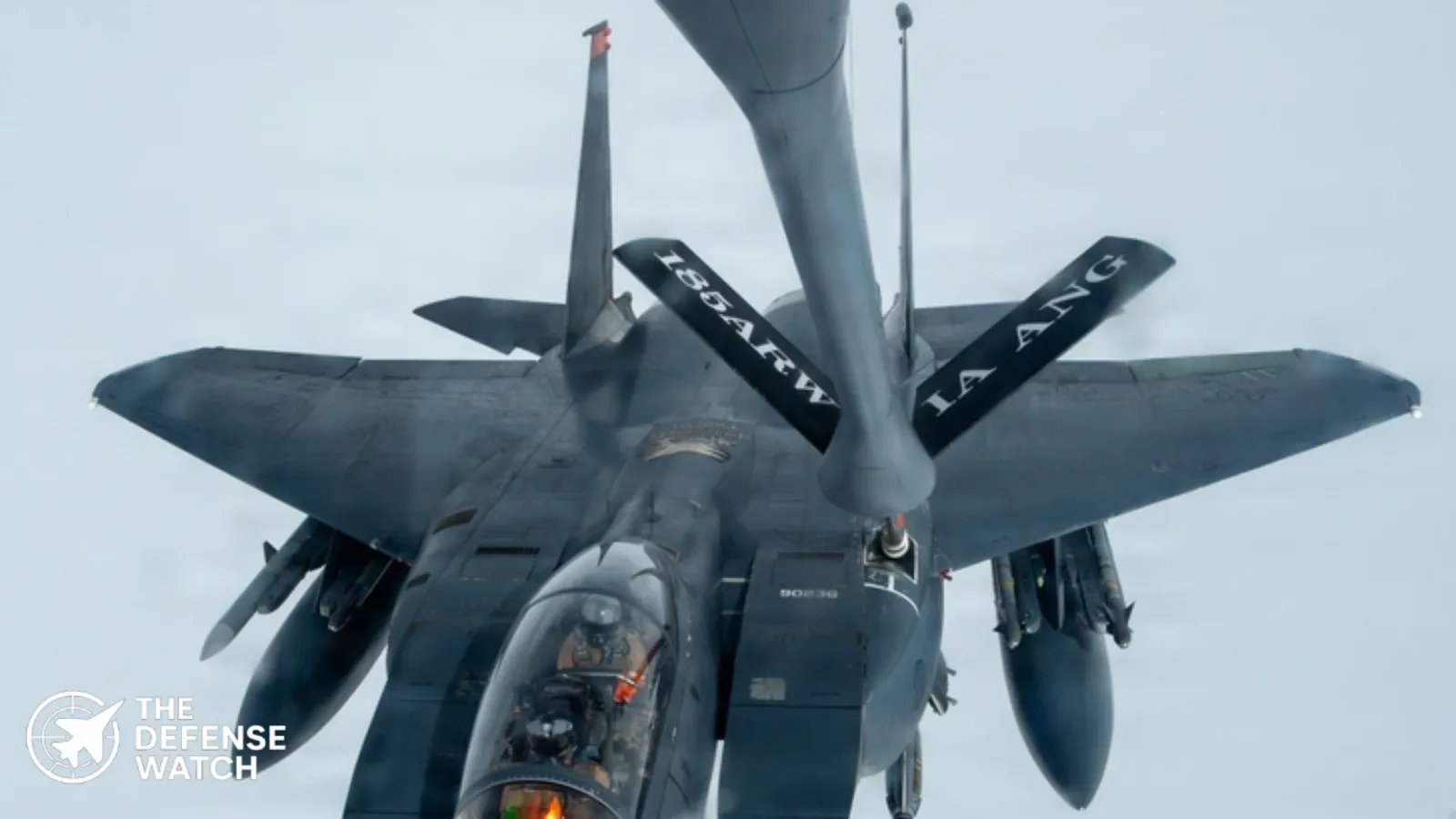
Operation Midnight Hammer deployed 125 aircraft, including seven B-2 Spirit stealth bombers that flew a 36-hour, 12,000-nautical-mile roundtrip mission from Whiteman Air Force Base, Missouri, to strike Iranian targets. The operation required an extensive aerial refueling network, with KC-135 Stratotankers positioned along the entire route to support the bomber strike package.
Lt. Gen. Jason R. Armagost, deputy commander of Air Force Global Strike Command, emphasized that tanker availability represents the first concern when planning such operations. “The first thing I worry about when something like a Midnight Hammer starts to take shape is what does the tanker force looking like, what’s the position of it, and how do we posture in the world to actually do this,” Armagost stated at the January 29 forum.
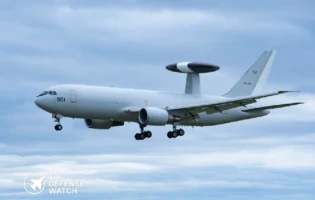
The current Air Force tanker fleet consists of approximately 500 aircraft, with roughly 375 being KC-135 Stratotankers averaging over 63 years old. This aging infrastructure presents significant operational risks and maintenance challenges for sustained operations.
Planners Prioritize Tanker Procurement
Maj. Claire Randolph, chief of Weapons and Tactics at Air Forces Central and a key planner for recent strike operations, expressed serious concerns about tanker availability constraining future missions. “I worry a lot about the tankers,” Randolph said. “I think—because it’s not sexy, it’s not a weapon, and it’s not a fighter and it’s not a bomber—the tankers are often really left out in this conversation.”
Randolph emphasized that if she controlled procurement priorities, tankers would dominate the acquisition list. “If I were writing our request list for procuring things, probably the first 100 things on the list would be tankers,” she stated.
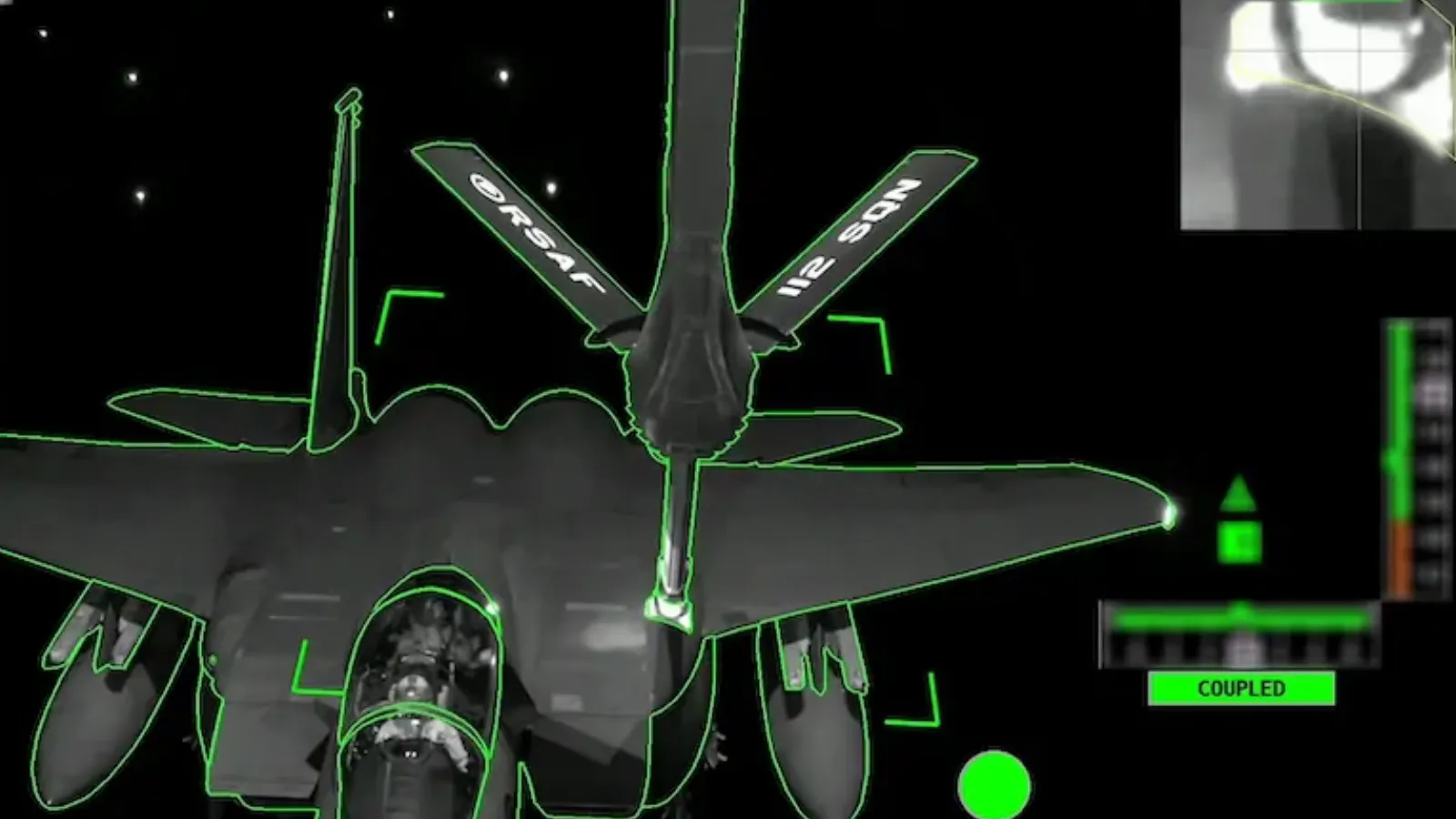
(adsbygoogle = window.adsbygoogle || []).push({});The Air Force continues purchasing KC-46 Pegasus tankers from Boeing and decided in July 2025 to forgo competition for a bridge tanker, instead buying additional KC-46s. The service is simultaneously exploring next-generation capabilities through the Next-Generation Air Refueling System program, which could potentially incorporate uncrewed technologies.
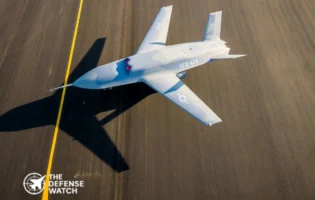
Boeing’s MQ-25 Stingray, an uncrewed tanker under development for the U.S. Navy, is currently undergoing taxi tests. However, the platform’s size, capacity, range, and speed fall significantly short of Air Force requirements and would require substantial modification to meet USAF operational needs.
Munitions Gaps Threaten Strike Flexibility
Beyond tanker limitations, senior Air Force leaders identified significant gaps in munitions capabilities, particularly for engaging hardened underground targets and mobile surface threats.
During Midnight Hammer, the seven B-2 bombers dropped 14 GBU-57 Massive Ordnance Penetrators (MOPs), the world’s largest air-delivered bombs. Each MOP contains a 5,740-pound warhead encased in steel, designed to detonate approximately 200 feet underground. While purpose-built for deeply buried targets, public records suggest as few as 20 MOPs were procured, raising questions about stockpile adequacy.
“Hard, deeply buried targets are critical,” Randolph warned. “If our adversaries are learning anything from our operations, they’re starting to put more things underground, and the Earth is a pretty difficult thing to penetrate.”
North Korea and other potential adversaries have increasingly buried critical facilities deep underground as protection against air strikes, necessitating more advanced bunker-busting munitions.
Stand-Off Weapons Require Greater Range Options
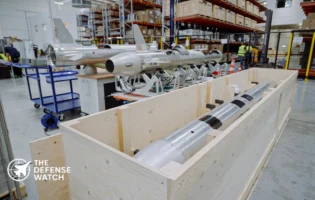
Air Force planners also identified a critical capability gap in medium-range standoff weapons for engaging mobile surface targets. Current options present a significant range disparity: Joint Direct Attack Munitions (JDAMs) travel approximately 40 miles, while the GBU-53 StormBreaker (Small Diameter Bomb II) extends to 46 miles. By contrast, the AGM-158 Joint Air-to-Surface Standoff Missile (JASSM) can attack targets from over 500 miles away.
“We don’t have a lot of things that fit in well there, which is a huge problem,” Randolph explained. Surface mobile targets are really difficult, because you can’t just use 240 SDBs to go kill a bunch of surface-to-air missiles if you don’t know where they are or if that weapon is slow and easily detected and shut down by adversaries.
Lt. Gen. Armagost noted that early B-2 configurations prioritized carrying 80 500-pound JDAMs rather than 240 GBU-39 Small Diameter Bombs I, despite the SDB reaching initial operating capability in 2006. “I don’t think anybody at the time was envisioning why you would ever need to carry more of something [than] for 80 targets,” Armagost said.
Strategic Implications for Deterrence
The capability gaps revealed by Midnight Hammer carry significant implications for American strategic deterrence. Armagost emphasized that possessing diverse standoff and penetrating munitions enhances deterrent credibility.
“You have to have proof you can gain access to hold any target at risk, keep it at risk, and then carry out orders that provide options that can happen from standoff and can happen from penetrating,” Armagost stated. “But in combination, those things are incredibly powerful.”
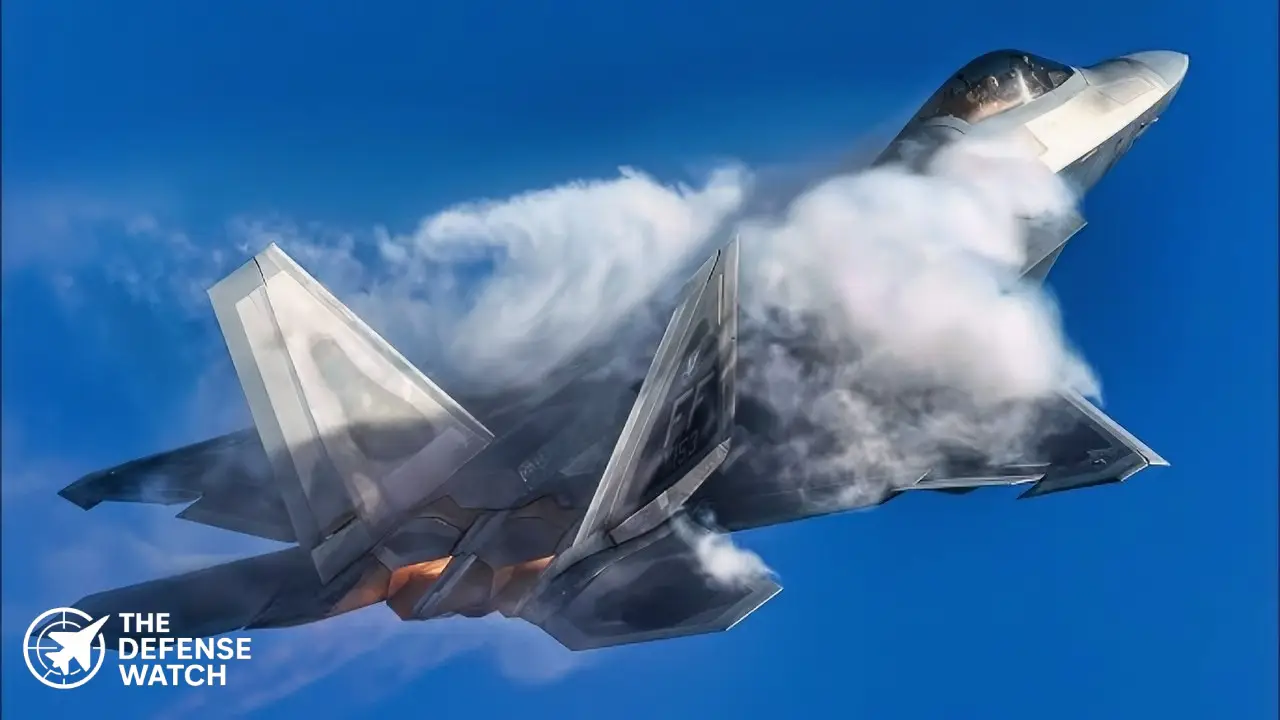
(adsbygoogle = window.adsbygoogle || []).push({});Operation Absolute Resolve, conducted six months after Midnight Hammer, demonstrated continued operational readiness when B-1B Lancer bombers, F-35s, F-22s, tankers, and support aircraft successfully captured Venezuelan former president Nicolás Maduro and his wife.
Lt. Gen. Scott L. Pleus, Air Force Director of Staff, highlighted these operations as proof of exceptional readiness. “Operation Midnight Hammer, Absolute Resolve—that is a definition of readiness,” Pleus said. “We do things in the United States Air Force that no other country can do.”
Budget and Acquisition Considerations
The lessons from recent strike operations will influence investment decisions, training priorities, and planning for years ahead, affecting aircraft procurement numbers, munitions requirements, and fleet composition decisions.
During the Cold War, the Air Force originally planned to acquire 100 B-2 bombers and approximately 400 B-1s. However, post-Cold War budget constraints severely reduced those numbers. Currently, the Air Force plans to procure 100 B-21 Raider next-generation stealth bombers, though some defense experts have advocated doubling that figure.
The aging KC-135 fleet, combined with limited KC-46 production rates, presents ongoing challenges for maintaining the aerial refueling capacity required for sustained long-range strike operations against peer competitors in contested environments.
Munitions stockpile depth and diversity remain critical concerns as adversaries continue developing countermeasures and hardening critical infrastructure against conventional strikes.
Conclusion
While Operations Midnight Hammer and Absolute Resolve demonstrated exceptional Air Force capabilities and readiness, they simultaneously revealed infrastructure vulnerabilities that could constrain sustained combat operations. Senior military leaders emphasize that addressing tanker fleet modernization and munitions diversity represents essential priorities for maintaining America’s strategic strike advantage against sophisticated adversaries.
(adsbygoogle = window.adsbygoogle || []).push({});The Air Force continues working with Congress and defense industry partners to address these capability gaps through ongoing procurement programs and next-generation technology development, recognizing that global power projection depends on robust aerial refueling networks and flexible munitions options.