US Navy Awards $183M USS Truxtun Repair Contract After Collision
The USS Truxtun repair contract marks a significant step in restoring a frontline US Navy destroyer damaged in a recent Caribbean collision, highlighting the service’s ongoing push to sustain fleet readiness under operational strain.
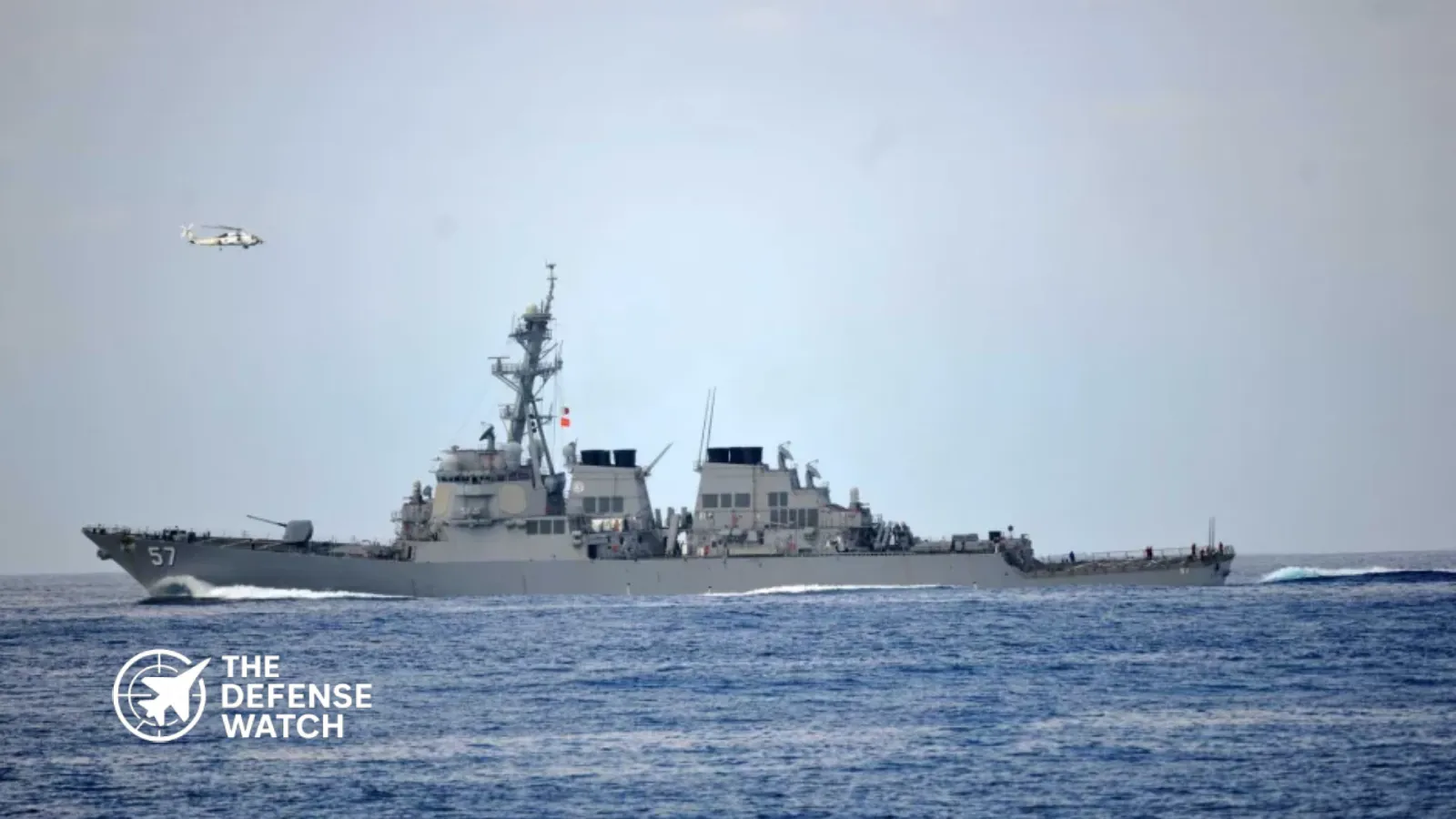
The US Navy has awarded a $183 million contract to carry out repairs on the guided-missile destroyer USS Truxtun (DDG-103), an Arleigh Burke-class vessel that sustained damage during a collision while operating in the Caribbean. According to reporting by Army Recognition, the work will involve structural repairs, system restoration, and a full return to mission-capable status.
- The US Navy awarded a $183 million contract to repair USS Truxtun following a collision in the Caribbean.
- The Arleigh Burke-class destroyer sustained structural damage requiring extensive shipyard work.
- Repairs will focus on hull integrity, onboard systems, and restoring full combat capability.
- The contract reflects ongoing US Navy efforts to maintain fleet readiness amid high operational demand.
- USS Truxtun is a key asset in US naval operations, including missile defense and maritime security missions.
Damage Assessment And Repair Scope
Initial assessments indicate the destroyer suffered notable structural damage, particularly to its hull and possibly topside systems. While the Navy has not disclosed full technical details, such repair contracts typically include hull reconstruction, inspection of propulsion components, and recalibration of combat systems.
The USS Truxtun repair contract is expected to cover both visible and latent damage, ensuring that no hidden structural weaknesses compromise future operations. This reflects a broader Navy approach that prioritizes long-term survivability over rapid but incomplete fixes.
Arleigh Burke-class destroyers like USS Truxtun are equipped with the Aegis Combat System, making them central to ballistic missile defense, air warfare, and surface strike missions. Any degradation in these systems would directly affect regional force posture.
Operational Impact On Fleet Readiness
The temporary loss of USS Truxtun underscores the pressure on the US Navy’s surface fleet, which is already operating at a high tempo across multiple theaters. Destroyers are among the most heavily tasked assets, supporting missions from the Indo-Pacific to the Middle East.
From an operational standpoint, the USS Truxtun repair contract helps mitigate a capability gap, but it also highlights the fragility of fleet availability. Even a single collision can remove a critical asset from deployment cycles for months or longer.
This incident follows a pattern seen in previous years, where collisions involving US Navy destroyers led to extended maintenance periods and broader reviews of training and navigation protocols. While no systemic issue has been confirmed in this case, the Navy continues to emphasize seamanship and operational discipline.
Strategic Context: Sustaining A High-Demand Fleet
The contract reflects a wider trend in US naval strategy, where maintenance and sustainment are becoming as critical as procurement. With shipbuilding timelines stretching years into the future, keeping existing platforms operational is essential.
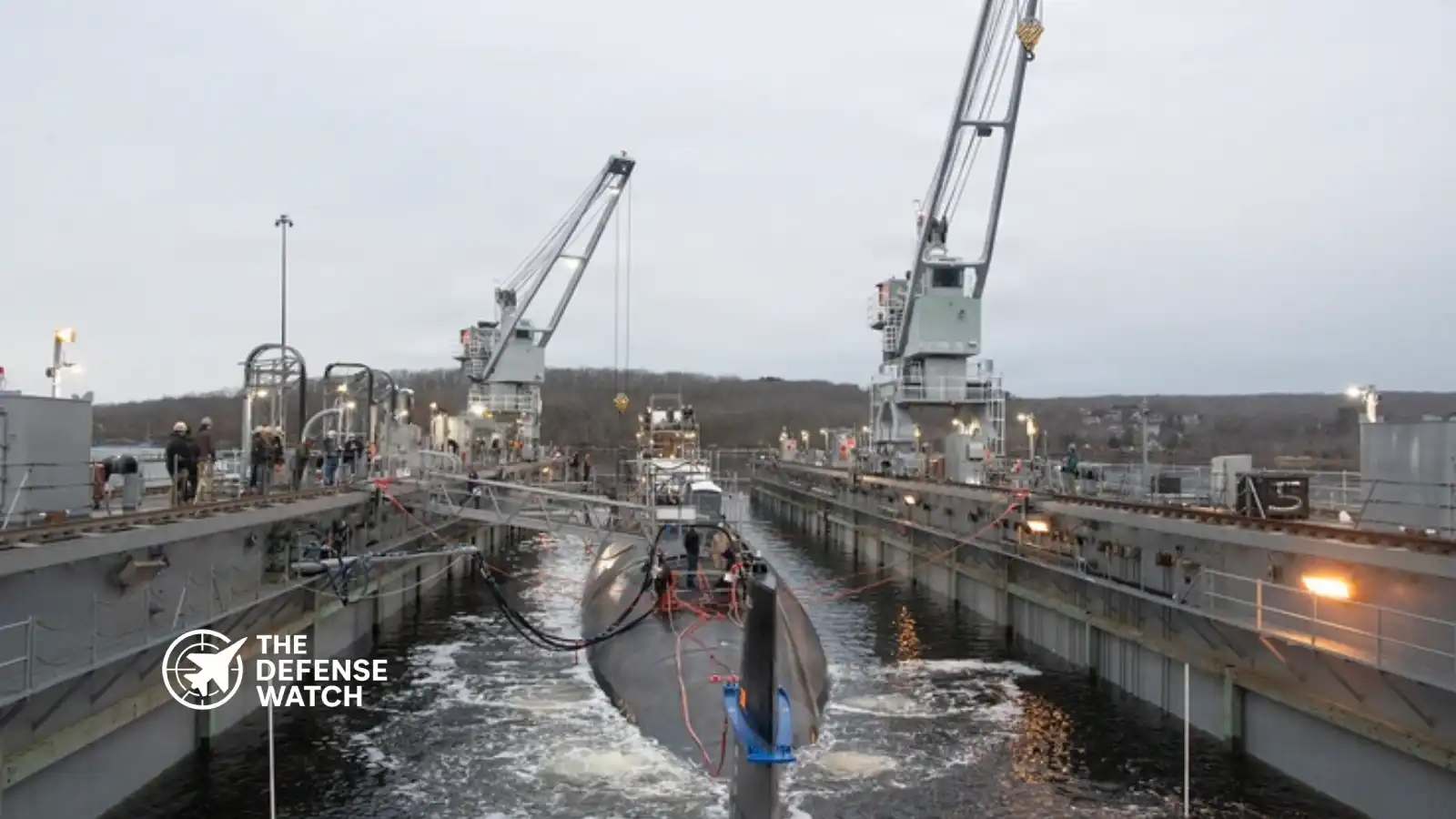
The USS Truxtun repair contract also signals the Navy’s reliance on industrial base capacity to rapidly address damage and return ships to service. Shipyards capable of handling complex destroyer repairs remain a strategic asset in their own right.
In recent budget cycles, the US Department of Defense has increased funding for maintenance and modernization, recognizing that readiness gaps can emerge not only from adversary threats but also from wear, accidents, and deferred upkeep.
Broader Implications For Naval Operations
Beyond the immediate repair effort, the incident raises questions about fleet resilience and redundancy. As geopolitical tensions persist, particularly in contested maritime regions, the availability of multi-mission destroyers remains a cornerstone of US naval power.
The USS Truxtun repair contract demonstrates how quickly operational realities can shift. A single incident can force adjustments in deployment schedules, task group composition, and regional coverage.
At the same time, the Navy’s rapid response in awarding the contract suggests a maturing approach to incident recovery, with streamlined processes aimed at minimizing downtime.
Conclusion
The $183 million USS Truxtun repair contract highlights both the challenges and priorities facing the US Navy today. While collisions remain relatively rare, their impact on fleet readiness is significant.
Restoring USS Truxtun to full operational capability will not only return a critical asset to the fleet but also reinforce the Navy’s broader effort to sustain combat power in an increasingly demanding global environment.