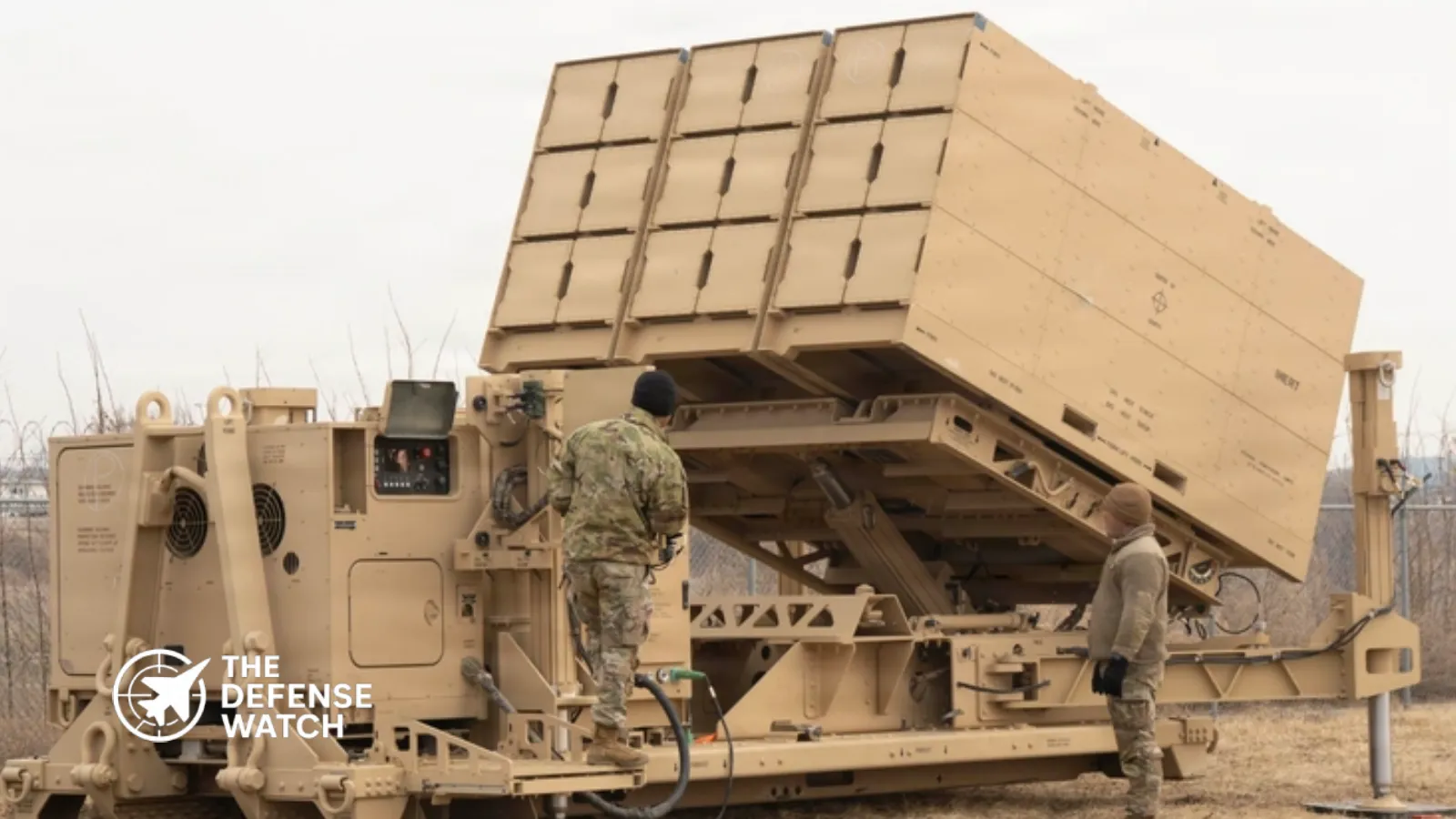
Dynetics IFPC Contract Advances U.S. Army Air Defense Modernization
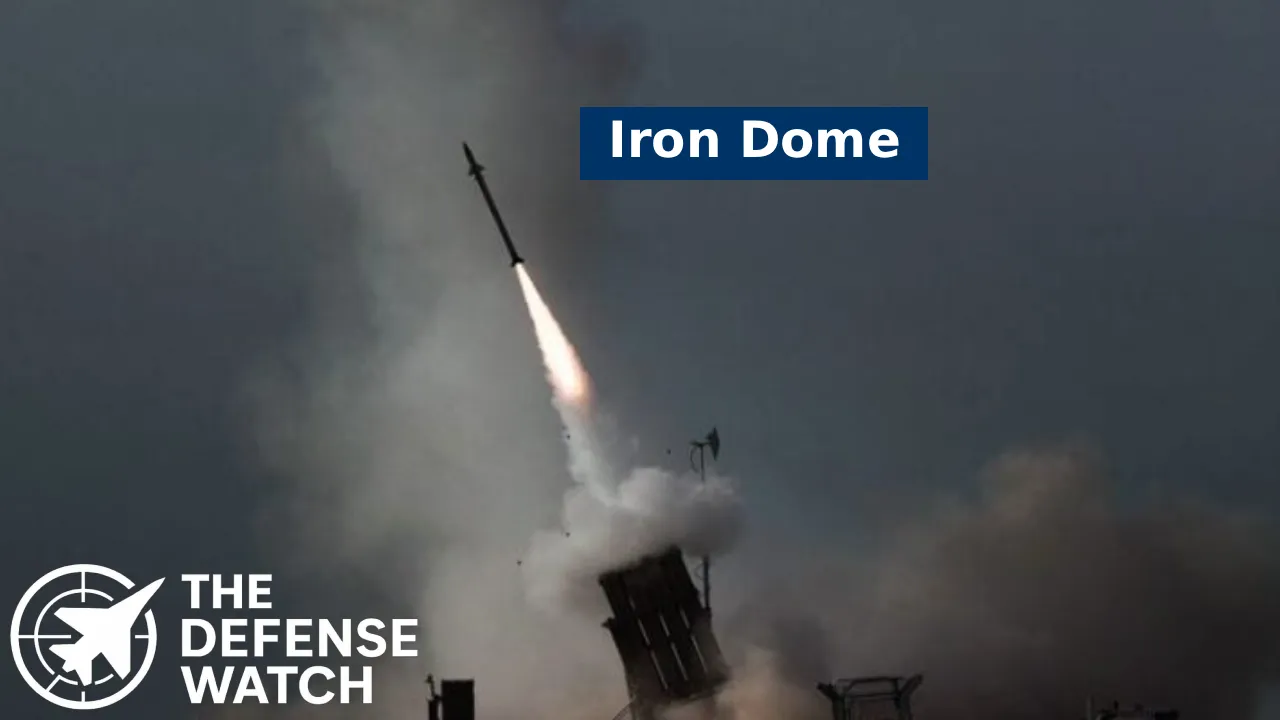
The Indirect Fire Protection Capability (IFPC) Increment Two contract awarded to Dynetics marks a significant step in strengthening U.S. Army air defense against evolving threats such as drones, cruise missiles, and rockets.
The $617.1 million contract, issued by the U.S. Army, covers fiscal 2026 production requirements for IFPC Inc 2 systems. The award combines cost-plus-fixed-fee and firm-fixed-price elements, reflecting both development support and production scale-up.
Work will be executed under task orders, with locations and funding determined incrementally. The overall program is scheduled for completion by November 2029.
- Dynetics awarded $617.1 million contract for IFPC Increment Two system production.
- Contract includes launchers, training systems, logistics support, and engineering services.
- Work will be assigned per order, with completion expected by November 30, 2029.
- Procurement supports U.S. Army modernization of layered air and missile defense.
- Contract managed by :contentReference[oaicite:1]{index=1} at Redstone Arsenal.
What The IFPC Increment Two System Delivers
The IFPC Inc 2 program is designed to fill a critical gap in the Army’s layered air defense architecture, sitting between short-range air defense systems and high-end missile defense assets.
Under this contract, Dynetics will deliver:
- Launcher systems capable of intercepting aerial threats
- Retrofit prototype launchers for capability upgrades
- All-up-round missile magazines
- Soldier training systems and weight-representative devices
- Contractor logistics support and initial spare parts
- Engineering services to sustain and refine system performance
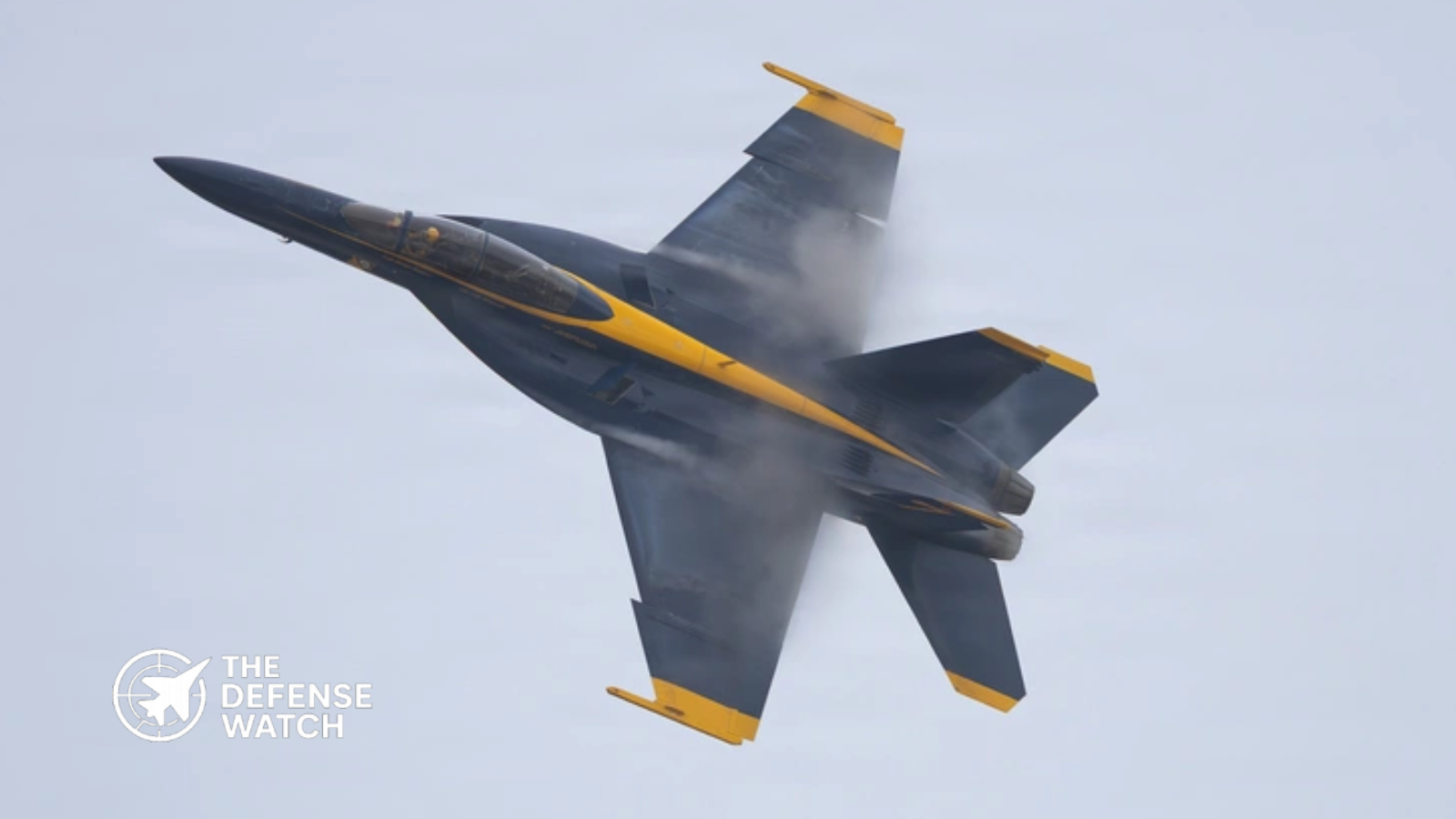
The system is expected to integrate interceptors such as the AIM-9X Sidewinder and future missiles, enabling flexible responses to a wide range of airborne threats.
Strategic Context: Countering Drones And Cruise Missiles
The IFPC Inc 2 contract reflects a broader shift in U.S. defense priorities. The Army is increasingly focused on countering low-cost, high-volume threats, including unmanned aerial systems and cruise missiles.
Recent conflicts have shown that traditional air defense systems can be strained by saturation attacks. IFPC aims to address this by providing:
- Rapid response against maneuvering targets
- Scalable defense against swarm attacks
- Integration with existing radar and command networks
This layered approach is central to the Army’s modernization strategy, particularly in contested environments where adversaries deploy mixed threat packages.
Acquisition Details And Industrial Base Implications
The contract was awarded through an online solicitation process, with no competing bids received. This underscores Dynetics’ position as a primary integrator for the IFPC Inc 2 system.
The program is managed by Army Contracting Command at Redstone Arsenal, Alabama, a hub for missile and air defense development.
From an industrial standpoint, the award supports:
- Sustained production capacity for air defense systems
- Expansion of supply chains tied to missile defense components
- Continued engineering development alongside production
The hybrid contract structure also allows flexibility as the system evolves, particularly as new interceptors and technologies are integrated.
Operational Impact And Future Outlook
Once fielded at scale, IFPC Inc 2 is expected to enhance protection for fixed and semi-fixed assets, including bases, logistics hubs, and critical infrastructure.
Its deployment aligns with the Army’s goal of creating a more resilient and adaptable air defense network, capable of responding to both near-peer and asymmetric threats.
Looking ahead, the program could serve as a foundation for future upgrades, including:
- Integration of directed energy systems
- Expanded interceptor options
- Enhanced sensor fusion and targeting capabilities
The Dynetics contract signals continued momentum in U.S. efforts to close capability gaps in short- to mid-range air defense.