Executive Summary:
The US Air Force has successfully demonstrated an artificial intelligence controlled airborne interception using its X-62 VISTA experimental aircraft, expanding autonomous flight testing beyond air combat maneuvering into real world interception scenarios. The milestone highlights the growing role of AI in future Collaborative Combat Aircraft and next generation air superiority programs.
US Air Force Demonstrates AI Led X-62 Airborne Intercept Capability
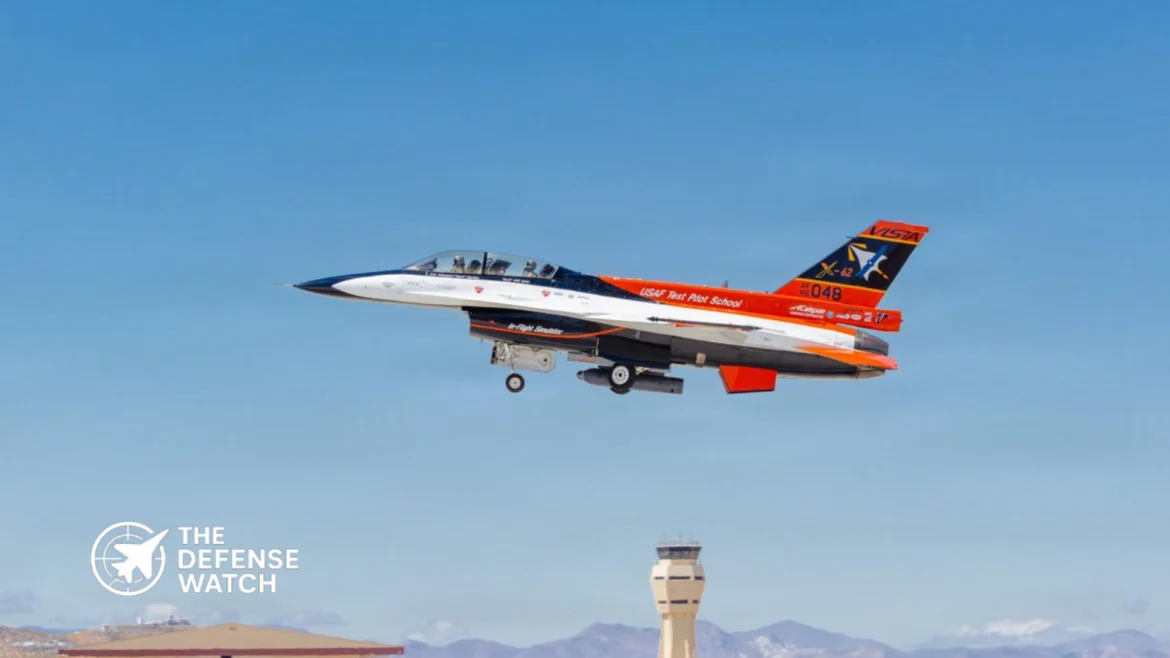
The US Air Force X-62 AI program has reached another milestone after successfully demonstrating an artificial intelligence controlled interception of airborne targets using the X-62A Variable Stability In-flight Simulator Test Aircraft (VISTA). The demonstration marks the first publicly reported instance of AI directing an intercept mission rather than solely executing defensive maneuvers or within-visual-range dogfights.
Conducted by the US Air Force Test Pilot School at Edwards Air Force Base, the test represents another step in integrating autonomous software into tactical aviation while retaining a qualified safety pilot onboard.
The demonstration builds upon several years of research under the Defense Advanced Research Projects Agency (DARPA) Air Combat Evolution initiative and ongoing Air Force autonomy programs.
How The X-62 VISTA Serves As An AI Flight Testbed
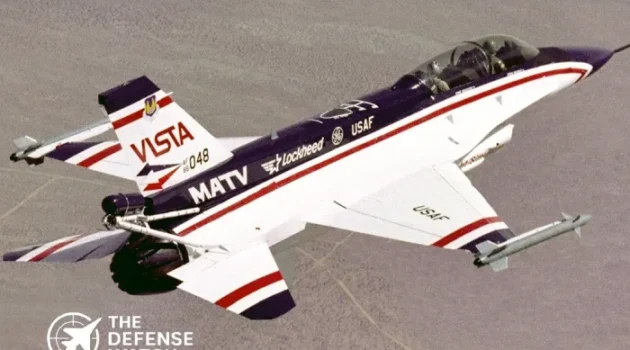
The X-62A VISTA is a heavily modified F-16D Block 30 equipped with advanced simulation software that allows engineers to rapidly install and evaluate different autonomous flight algorithms.
Unlike a conventional fighter, the aircraft can emulate multiple aircraft types and flight control characteristics through its Variable Stability In-flight Simulator architecture. Since receiving major autonomy upgrades, it has become the Air Force’s primary flying laboratory for evaluating machine learning in tactical aviation.
Previous milestones include:
- AI controlled supersonic flight
- Autonomous dogfight testing against human pilots
- AI controlled defensive missile evasion
- Evaluation of collaborative autonomous flight behaviors
The latest airborne interception demonstration expands these capabilities into another mission area that future autonomous combat aircraft are expected to perform.
What Makes Airborne Interception More Challenging
Intercepting another aircraft is significantly more complex than executing scripted maneuvers.
The autonomous system must continuously:
Mission Function AI Requirement Detect target Process sensor information rapidly Track aircraft Predict changing flight paths Maneuver safely Maintain aircraft performance limits Select intercept geometry Optimize closure rates and positioning Adapt in real time Respond to unexpected target maneuvers These functions require autonomous software to make rapid decisions while operating within strict flight safety constraints.
Unlike demonstrations focused solely on aggressive maneuvering, interception requires balancing tactical effectiveness with safe aircraft handling throughout the engagement.
Supporting Future Collaborative Combat Aircraft
The demonstration directly supports the Department of the Air Force’s broader effort to field autonomous Collaborative Combat Aircraft (CCA).
Future CCAs are expected to operate alongside crewed fighters including the F-35A and the forthcoming Next Generation Air Dominance (NGAD) platform.
Rather than replacing pilots, autonomous aircraft are envisioned to perform missions such as:
- Forward scouting
- Airborne interception
- Defensive counter air
- Electronic warfare
- Decoy operations
- Cooperative missile employment
Testing these capabilities aboard the X-62 allows engineers to validate software in realistic flight conditions before transitioning algorithms to operational uncrewed aircraft.
AI Development Continues To Expand
The X-62 continues to receive upgrades designed to support increasingly sophisticated autonomy testing.
The Air Force is enhancing the aircraft with advanced mission systems, including modern radar and sensor integration, enabling autonomous software to process more representative combat information during future experiments. Those improvements are intended to support testing involving multiple aircraft and more operationally realistic scenarios.
The aircraft also complements the VENOM (Viper Experimentation and Next-generation Operations Model) program, which is modifying additional F-16s to accelerate autonomy research across a larger test fleet.
Why This Matters
Although the latest demonstration remains an experimental flight test, its significance extends well beyond a single aircraft.
Modern air combat is increasingly defined by compressed decision timelines, large numbers of airborne sensors, electronic warfare, and cooperation between crewed and uncrewed platforms. Artificial intelligence offers the potential to process information and recommend or execute tactical actions at speeds beyond human capability while allowing pilots to focus on mission command.
The interception test also illustrates a gradual shift in Air Force AI development. Earlier efforts concentrated on proving that autonomous systems could safely fly an aircraft or compete in basic dogfights. Current testing is expanding into operational mission sets that reflect how autonomous aircraft may contribute during future combat operations.
Importantly, the Air Force continues to emphasize that these demonstrations occur with extensive human oversight, rigorous safety controls, and onboard safety pilots. The objective is not fully independent combat aircraft today, but developing trusted autonomous systems that can operate alongside human aircrews in increasingly complex environments.
As Collaborative Combat Aircraft move toward operational service later this decade, demonstrations aboard the X-62 provide valuable risk reduction by validating software in real flight conditions before integration into next generation autonomous combat platforms.
British Submarine Project Faces Mounting Pressure
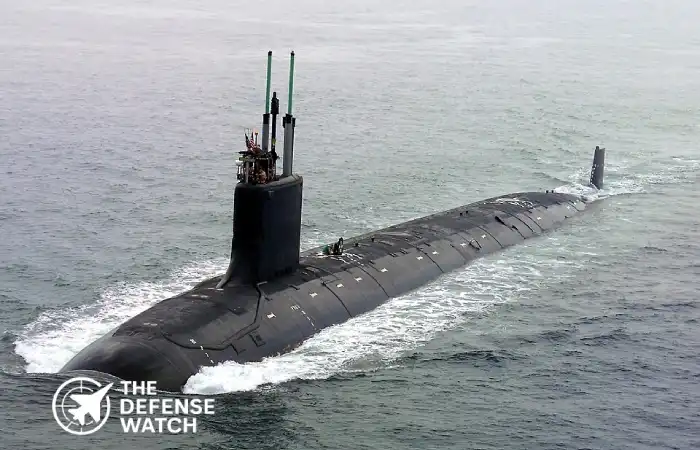
The British submarine project has come under renewed scrutiny after a House of Commons Defence Committee report warned that the UK’s role in the AUKUS partnership could be undermined by delays, industrial bottlenecks, and limited submarine availability. The findings center on the future SSN-AUKUS attack submarine program, which is set to replace Britain’s Astute-class fleet and also support Australia’s future force.
- UK lawmakers say the British submarine project faces serious risks tied to SSN-AUKUS delivery.
- Delays at Barrow shipyard upgrades could damage UK national security and AUKUS credibility.
- Royal Navy Astute-class submarines are reportedly stretched to, or beyond, operational limits.
- Lawmakers also warned workforce, housing, transport, and infrastructure shortages threaten output.
- Britain plans up to 12 future attack submarines under its wider defense strategy.
The committee said a program of AUKUS’ size cannot be treated as just another defense initiative competing for scarce resources. It urged stronger leadership from the prime minister and senior ministers to prevent the effort from drifting into bureaucratic delay.
Barrow Shipyard Delays Raise Strategic Concerns
At the center of the warning is the expansion of BAE Systems facilities at Barrow-in-Furness, where SSN-AUKUS boats are expected to be built.
Lawmakers said timely investment decisions have already slipped. They warned further setbacks could delay submarine delivery with serious consequences for UK security and confidence among AUKUS partners, including the United States and Australia.
This matters because submarine production cannot be surged quickly. Nuclear submarine programs depend on long-lead materials, specialist labor, reactor integration, and certified infrastructure. Even modest delays today can push schedules years to the right.
Royal Navy Fleet Under Operational Strain
The report also highlighted pressure on the Royal Navy’s current attack submarine fleet. Britain’s Astute-class boats are expected to sustain domestic deterrence support, NATO missions, and increasing AUKUS commitments in the Indo-Pacific.
Lawmakers said the fleet has been stretched to, or even beyond, its limits. They called for faster infrastructure improvements at Devonport and Clyde naval bases to improve maintenance throughput and submarine readiness.
That warning reflects a broader challenge facing many Western navies. Building new submarines is only part of the equation. Keeping existing boats available through timely refits often determines real combat power.
Why This Matters For AUKUS
The AUKUS submarine pathway relies on three linked pillars: British industrial capacity, American transfer of Virginia-class submarines to Australia, and long-term joint production of SSN-AUKUS.
If one partner falls behind, pressure increases across the entire system.
For Britain, delays could affect fleet recapitalization timelines and weaken confidence in its ability to deliver one of the alliance’s most complex defense projects. For Australia, schedule slips could complicate transition planning as Canberra prepares to field nuclear-powered submarines later this decade and beyond.
Britain Plans Larger Future Submarine Force
The committee noted that Britain’s wider defense planning includes a future fleet of up to 12 nuclear-powered attack submarines, a significant expansion from the current force. That ambition would require sustained workforce growth, infrastructure spending, and predictable procurement funding.
In practical terms, the warning is less about program collapse and more about execution risk. Nuclear submarine fleets are built over decades, not election cycles. Without steady investment, schedule discipline, and skilled labor, even wealthy nations struggle to maintain momentum.
Outlook
The report sends a clear signal that the British submarine project remains strategically vital, but vulnerable to delay. With maritime competition rising in both the Euro-Atlantic and Indo-Pacific, London now faces pressure to prove it can turn political commitments into delivered submarines.

U.S. Army’s 1st Armored Division Deploys AI To Accelerate Planning, Logistics, And Combat Readiness
The U.S. Army’s 1st Armored Division is expanding its use of artificial intelligence across core staff operations, embedding the technology into personnel management, logistics planning, and operational workflows to sharpen combat readiness and cut time spent on routine administrative tasks.
- The U.S. Army’s 1st Armored Division is embedding AI tools across its G1 (personnel), G3 (operations), and G4 (logistics) staff sections to accelerate planning and reduce administrative burden.
- AI-assisted logistics planning has cut operational order preparation time by approximately five days, according to division officials.
- The personnel section used AI to analyze thousands of soldier pay records and identify recurring financial issues, a process that previously required weeks of manual effort.
- The initiative aligns with Secretary of the Army guidance and is part of a broader Army-wide modernization push toward future battlefield requirements.
- Division leadership confirmed a “human-in-the-loop” approach is maintained to ensure accuracy and command oversight of all AI-generated products.
The initiative, confirmed by Army officials and reported by Defence Industry Europe, signals a concrete step in translating broad service-level AI policy into day-to-day divisional practice — moving AI from concept to operational reality in one of the Army’s premier heavy armored formations.
Division Leadership Signals Cultural Shift
Maj. Gen. Curtis Taylor, commanding general of the 1st Armored Division, framed the effort as more than a technology upgrade. It represents a fundamental transformation in how staff work gets done.
“We are fundamentally changing the character of staff work,” Taylor said. “Our division is leaning forward, embracing innovation to ensure we can think faster, plan more effectively, and operate with greater precision than any adversary.”
Taylor made clear that AI adoption is expected across all staff functions — not selectively. “There is no staff process in our division that should not be reimagined in light of the potential of AI,” he said. “This is about saving time, managing data, and getting soldiers focused on the complex business of warfighting readiness.”
The statement carries operational weight. In large-scale combat operations against a near-peer adversary, the speed of staff planning cycles directly affects whether a division can seize and maintain initiative. Reducing friction in administrative and logistics processes upstream frees commanders downstream to focus on warfighting.
Personnel Section Targets Soldier Pay Issues Proactively
One of the more tangible applications has come from the division’s G1 personnel section. Officials said AI tools were used to analyze thousands of individual soldier pay records, identifying systemic financial problems affecting junior enlisted soldiers — a category historically prone to pay processing errors that erode morale and distract from training.
Lt. Col. Ken Horton, the division’s G1, said the technology dramatically compressed a process that once consumed weeks of manual effort.
“The AI allowed us to rapidly identify the top three pay issues affecting our formations and, more importantly, predict when they were most likely to occur,” Horton said. “We then produced a simple, one-page guide for command teams that outlines the problem, the steps a soldier will face, and exactly how to solve it.”
Horton added that the approach shifts the division from reactive problem-solving to preemptive intervention. “We’re now preemptively solving problems before they impact a soldier’s readiness,” he said.
This use case illustrates a broader principle: AI’s near-term military value may be less about autonomous decision-making and more about data compression — turning large, noisy administrative datasets into actionable command guidance quickly.
Logistics Planning Time Cut By Five Days
The G4 logistics section has applied AI to two priority areas: drafting operational orders and analyzing non-tactical vehicle utilization across the division.
Lt. Col. Crystal Hines said the technology has generated measurable time savings at a critical stage in mission planning.
“We are leveraging AI to gain significant efficiencies in our planning and staffing processes,” Hines said. “Our team uses it to generate initial drafts of operation orders, which reduces our preparation time by roughly five days.”
A five-day reduction in order preparation time carries meaningful operational implications. In a high-tempo exercise or real-world deployment scenario, compressing the planning cycle allows the division to respond to dynamic battlefield conditions more rapidly — a capability the Army refers to as improving operational tempo.
Hines also noted that AI-assisted analysis of non-tactical vehicle usage is helping the division optimize fleet management, reducing wear on equipment and improving asset availability across garrison and field environments.
Operations Section Automates Meeting Summaries
The G3 operations section has focused AI integration on reducing the administrative load associated with command briefings. Officials said AI tools are being used to process and summarize commanders’ update briefs — routine but time-intensive products that staff officers have traditionally drafted manually.
Mike Pierce, the division’s G3, said the technology allows staff to spend less time transcribing and more time analyzing.
“The operations section uses AI tools to analyze and summarize meetings like the Division’s commanders update brief and brigade update briefs,” Pierce said. “One of the benefits of using AI for this is the time saved generating an executive summary from the meeting.”
Pierce was explicit about the role of human oversight in this workflow. “This ‘human-in-the-loop’ approach ensures the accuracy and context of every product before it reaches commanders,” he said.
That emphasis on human review is consistent with current Army AI policy, which requires human validation of AI-generated outputs before they inform command decisions. The approach guards against the risk of AI systems producing inaccurate or contextually flawed products in high-stakes operational environments.
Analysis: AI Adoption Moving From Policy To Practice
The 1st Armored Division’s initiative is one of the more documented examples of Army AI integration at the divisional level. While the service has invested heavily in AI research and policy frameworks in recent years — including the Army’s AI Task Force and alignment with the Department of Defense’s broader AI strategy — translating those investments into routine staff workflows has been slower.
What distinguishes the 1st Armored Division’s approach is its emphasis on immediate, practical application rather than experimental programs. The division is using commercially accessible AI tools to solve known, recurring problems in personnel, logistics, and operations — not waiting for purpose-built military systems.
This pragmatic posture reflects lessons learned from observing peer and near-peer adversaries, including China and Russia, which have publicly prioritized AI-enabled military decision-making as a core modernization goal. The U.S. Army’s ability to reduce planning cycle times and administrative overhead directly affects its competitive advantage in a future large-scale combat environment.
The 1st Armored Division — known as “Old Ironsides” — is one of the Army’s most storied heavy formations, with a combat record stretching from World War II through Iraq and Afghanistan. Its adoption of AI-assisted workflows signals broader institutional momentum within the Army’s armored enterprise.
What Comes Next
Army officials said the initiative is expected to expand, with benefits projected to scale both in garrison and during deployed operations. Maj. Gen. Taylor linked the effort directly to warfighting lethality — arguing that every hour saved on administrative tasks is an hour redirected toward combat preparation.
“Every hour a soldier spends on a preventable finance issue or waiting for a part is an hour they are not training for combat,” Taylor said. “Research and implementation like this directly increase the division’s lethality by freeing our warfighters from necessary but routine tasks.”
No specific timeline or budget figures for the broader AI integration effort were disclosed by the division. However, the operational emphasis suggests the program is expanding based on demonstrated results rather than awaiting formal acquisition pathways — a pattern increasingly common in the Army’s approach to emerging technology adoption.
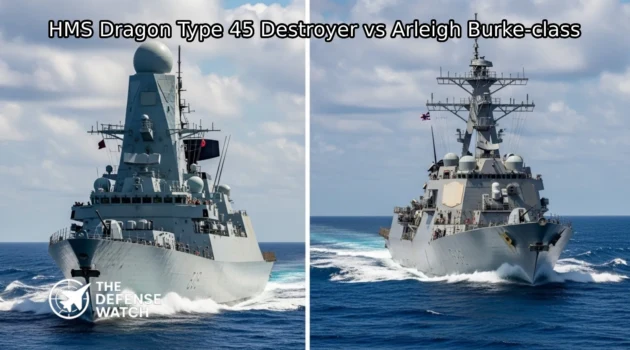
HMS Dragon Type 45 Destroyer vs Arleigh Burke-class Specs
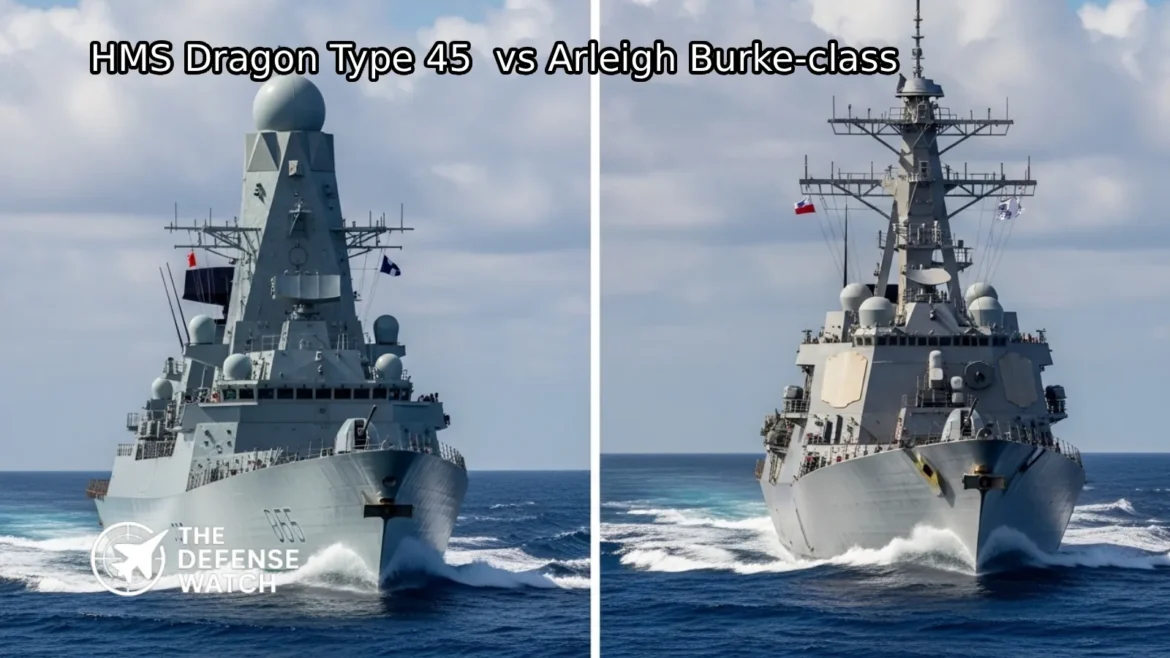
Modern destroyers are the backbone of Western naval power. They defend carrier groups, track submarines, launch missiles, and project force across the globe. That is why the debate around HMS Dragon Type 45 Destroyer vs Arleigh Burke-class specs matters far beyond naval enthusiasts.
(adsbygoogle = window.adsbygoogle || []).push({});The United Kingdom’s HMS Dragon represents one of NATO’s most advanced dedicated air-defense warships. Meanwhile, the U.S. Navy’s Arleigh Burke-class destroyer is the world’s most successful modern destroyer program, with dozens in service and more under construction.
For U.S. readers, this comparison highlights two different design philosophies. Britain focused on fleet air defense and radar excellence. America built a highly flexible, heavily armed multi-mission combatant.
HMS Dragon Type 45 Destroyer vs Arleigh Burke-class Specs Table
| Specification | HMS Dragon (Type 45) | Arleigh Burke-class |
|---|---|---|
| Country | United Kingdom | United States |
| Service Entry | 2012 (Dragon commissioned) | 1991 |
| Full Load Displacement | Approx. 8,500 tons | Approx. 9,200 to 9,800+ tons |
| Length | 152.4 m | 154 to 156 m |
| Crew | Approx. 190 to 235 | Approx. 300+ |
| Top Speed | 29+ knots | 30+ knots |
| Main Role | Area air defense | Multi-mission warfare |
| Main Radar | SAMPSON AESA radar | AEGIS SPY-1 / SPY-6 (newer Flight III) |
| VLS Cells | 48 Sylver A50 | 90 to 96 Mk 41 |
| Main Gun | 114 mm Mk 8 | 127 mm / 5 inch gun |
| Missiles | Aster 15/30 | SM-2, SM-3, SM-6, ESSM, Tomahawk |
| Helicopter | Merlin/Wildcat | MH-60 Seahawk |
| Approx. Unit Cost | High, limited class production | Lower economies of scale by volume |
HMS Dragon Type 45 Destroyer vs Arleigh Burke-class Design and Technology
Type 45 Strength, Built for Air Defense
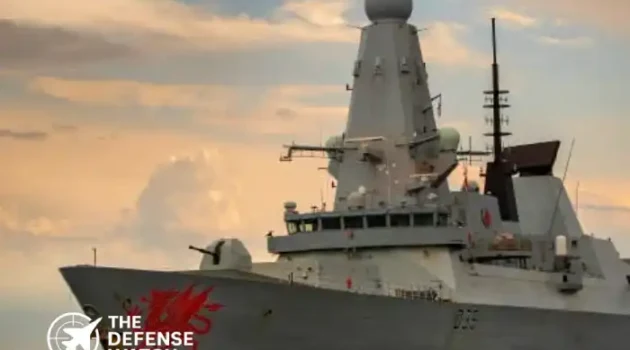
The Type 45 class was designed primarily to shield fleets from aircraft and missile attack. Its standout feature is the SAMPSON multifunction radar paired with the Sea Viper missile system. This gives ships like HMS Dragon exceptional target tracking and engagement capability.
(adsbygoogle = window.adsbygoogle || []).push({});Its sleek superstructure also reduces radar signature, helping survivability.
Arleigh Burke Strength, Multi-Mission Combat System
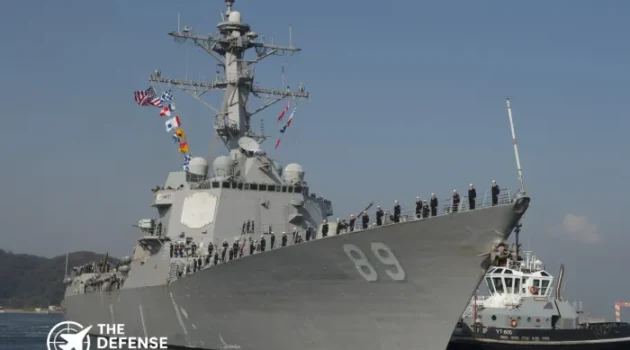
The Arleigh Burke-class destroyer uses the famous AEGIS combat system, long considered the benchmark in naval battle management. Newer Flight III ships add SPY-6 radar, improving ballistic missile defense and air tracking.
Unlike Type 45, Burke ships were built from the start for anti-air, anti-submarine, anti-surface, and land attack missions in one hull.
Verdict
Type 45 may hold an edge in specialized air-defense radar performance, while Burke wins in overall mission flexibility.
Firepower and Performance
HMS Dragon Type 45 Weapons
Type 45 carries 48 Sylver launch cells typically loaded with Aster missiles. Aster 30 provides long-range area defense, while Aster 15 supports medium-range engagements. The ship also carries a 114 mm gun, close-in weapons, and helicopter support.
Its weakness has historically been limited strike options compared with U.S. destroyers.
Arleigh Burke Weapons
Burke-class ships usually field 90 to 96 Mk 41 VLS cells. These can carry:
- SM-2 for fleet air defense
- SM-3 for ballistic missile defense
- SM-6 for long-range multi-role intercepts
- ESSM for point defense
- Tomahawk cruise missiles for land strike
- ASROC for anti-submarine warfare
That gives Burke ships enormous flexibility.
Verdict
If measuring raw firepower, the Arleigh Burke-class wins clearly due to larger missile capacity and broader weapon mix.
Operational Range and Mobility
Type 45 destroyers were built for Royal Navy expeditionary operations, escorting carriers and operating globally. They offer strong endurance but operate in smaller numbers.
Burke destroyers are optimized for constant deployments across the Pacific, Atlantic, Mediterranean, and Middle East. Supported by U.S. logistics networks, they sustain higher global presence.
Verdict
The U.S. Navy gains a strategic edge through fleet size, support infrastructure, and deployment tempo.
Combat Effectiveness
HMS Dragon Combat Record
HMS Dragon has deployed in the Mediterranean, Gulf region, and carrier escort missions. Type 45 destroyers have also contributed to missile defense and NATO security patrols.
Arleigh Burke Combat Record
Arleigh Burke-class destroyer ships have seen extensive real-world operations, including:
- Tomahawk strike missions
- Ballistic missile defense patrols
- Carrier strike group escorts
- Maritime security operations
- Indo-Pacific deterrence missions
The Burke class benefits from decades of combat deployment experience.
Verdict
Burke leads in proven wartime operational use simply because of numbers and mission tempo.
Cost and Export Value
The Type 45 program produced only six ships, limiting economies of scale. It became a highly capable but expensive niche platform.
The Arleigh Burke program became a production success, with more than 70 ships delivered or planned. While each vessel is costly, serial production lowered relative unit costs over time.
Burke systems and AEGIS technology also strengthened U.S. alliances through broader naval integration with partners.
HMS Dragon Type 45 Destroyer vs Arleigh Burke-class Analysis
This comparison is really about specialization versus versatility.
Where HMS Dragon Has the Edge
- Excellent air-defense radar performance
- Strong anti-missile capability
- Lower crew size than Burke
- High-end NATO carrier escort role
Where Arleigh Burke Has the Edge
- Larger missile load
- Land attack strike capability
- Ballistic missile defense options
- Proven combat record
- Massive fleet size and sustainment network
How the U.S. Military Views Each System
U.S. planners generally see Type 45 ships as valuable allied escorts that complement coalition naval groups. However, the U.S. Navy still prioritizes the Burke model because of its ability to perform nearly every mission from one platform.
Conclusion, Which Ship Has the Edge
In a pure fleet air-defense scenario, HMS Dragon Type 45 Destroyer vs Arleigh Burke-class specs becomes a close contest. The British ship was built for exactly that mission and remains highly respected.
In almost every broader wartime scenario, the Arleigh Burke-class has the advantage. It carries more missiles, more mission types, greater strike reach, and operates in much larger numbers.
So who wins?
- Air defense specialist mission: Type 45 is highly competitive
- All-around naval warfare: Arleigh Burke wins
- Global power projection: Arleigh Burke wins decisively
Both ships remain important pillars of NATO maritime strength.
FAQ, HMS Dragon Type 45 Destroyer vs Arleigh Burke-class
Which ship is more powerful, HMS Dragon or Arleigh Burke?The Arleigh Burke-class is generally more powerful overall because it carries more missiles and supports more mission types.
Is HMS Dragon better at air defense?Many analysts rate the Type 45 as one of the best dedicated air-defense destroyers ever built.
How many missiles can each ship carry?Type 45 usually has 48 VLS cells, while Burke ships typically have 90 to 96 cells.
Can Type 45 launch cruise missiles like Tomahawk?Not in the same operational way as Arleigh Burke-class ships, which routinely field Tomahawk capability.
Why does the U.S. Navy rely on Arleigh Burke destroyers?Because they combine air defense, missile defense, strike warfare, anti-submarine warfare, and fleet escort in one proven platform.
Germany Launches Kraken K3 Armed USV Production
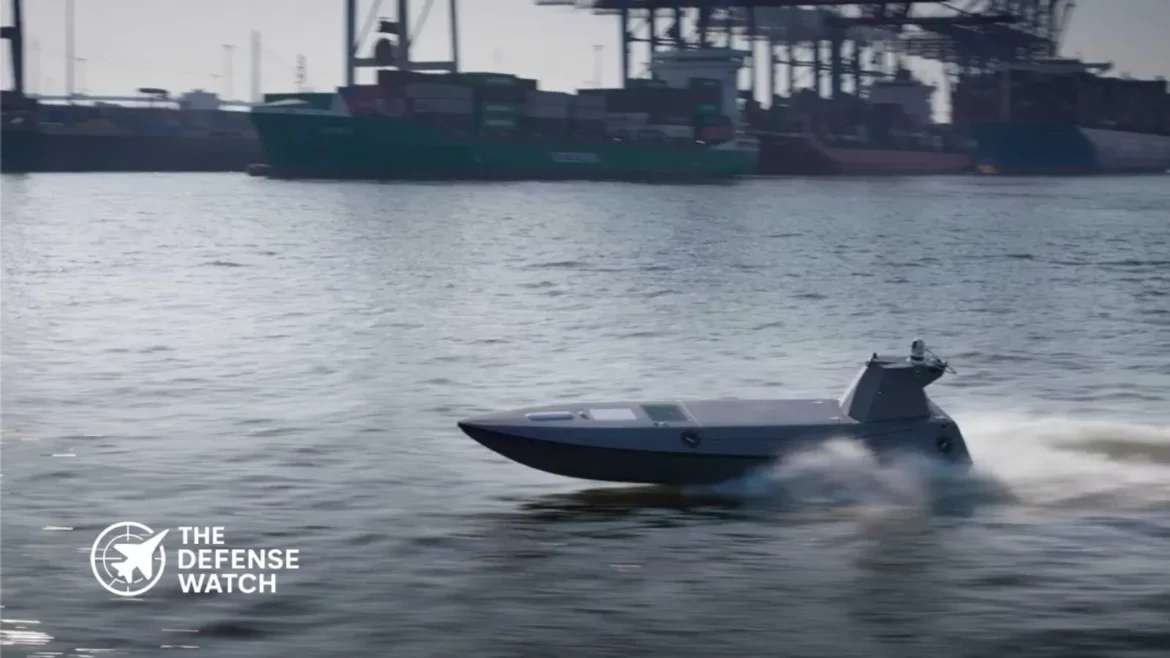
Kraken K3 armed USV production has begun in Germany, marking another step in Europe’s push toward autonomous maritime warfare and distributed naval operations. The new unmanned surface vessel is intended for armed strike, reconnaissance, and surveillance roles, offering naval forces a lower-risk platform for high-threat waters.
The launch comes as European militaries accelerate investment in drones and autonomous systems after observing the operational impact of unmanned surface vessels in the Black Sea and other contested maritime zones.
- Germany has launched production of the Kraken K3 armed unmanned surface vessel.
- The system is designed for autonomous strike, surveillance, and maritime security missions.
- The Kraken K3 can support contested littoral operations with lower risk to crews.
- Armed USVs are becoming a priority across Europe following lessons from the Black Sea.
- The program signals Germany’s growing focus on naval autonomy and distributed warfare.
Germany’s move suggests Berlin now sees armed surface drones as more than experimental assets. They are increasingly becoming practical tools for deterrence, coastal defense, and fleet support.
What Is The Kraken K3 Armed USV
The Kraken K3 armed USV is described as a compact unmanned vessel built for autonomous or remotely controlled operations. Systems in this category typically support missions such as:
- Maritime surveillance
- Harbor and infrastructure protection
- Intelligence collection
- Precision strike operations
- Swarm operations with multiple drones
- Decoy or electronic disruption missions
While detailed official specifications remain limited, platforms like the Kraken K3 usually emphasize modular payload bays, secure communications links, sensor integration, and scalable weapons options.
That flexibility matters. Navies no longer want single-purpose vessels when threats evolve rapidly. Modular USVs can be adapted faster and at lower cost than many traditional manned platforms.
Why Germany Is Moving Now
Germany’s decision reflects broader security changes in Europe.
The war in Ukraine demonstrated that relatively low-cost maritime drones can threaten larger and more expensive warships. Ukraine’s use of sea drones against Russian naval assets forced navies worldwide to reassess fleet protection, coastal defense, and force structure.
For Germany, which depends heavily on secure sea lines of communication in the Baltic Sea, North Sea, and wider NATO maritime network, autonomous systems offer several advantages:
- Persistent patrol capability
- Lower operating costs than crewed patrol craft
- Reduced personnel risk
- Faster mass production potential
- Better coverage of chokepoints and coastal zones
This is especially relevant as NATO members face pressure to expand readiness while controlling defense budgets.
Strategic Impact For NATO Navies
The Kraken K3 armed USV could become part of a wider layered force structure rather than a standalone replacement for warships.
Manned frigates and corvettes remain essential for air defense, anti-submarine warfare, and command missions. But unmanned vessels can screen approaches, scout ahead, monitor shipping lanes, or saturate enemy defenses.
That shift mirrors U.S., British, Turkish, and Ukrainian experimentation with autonomous naval systems.
If Germany fields the Kraken K3 at scale, it may encourage allied procurement programs and common standards for NATO unmanned maritime operations.
Industrial Significance
Launching production also highlights Germany’s defense industrial adaptation. European shipbuilders and technology firms are increasingly expanding into software-defined platforms, autonomous control systems, and smaller rapid-build naval assets.
Traditional shipbuilding cycles often take years. USVs can be developed faster, upgraded through software, and produced in larger numbers.
That industrial agility may prove just as important as raw platform performance.
Outlook
The Kraken K3 armed USV signals that Germany is joining the race to field practical autonomous naval combat systems. While large warships will remain central to maritime power, the future fleet is likely to include many smaller unmanned vessels working alongside them.
For NATO and European defense planners, the question is no longer whether armed USVs matter. It is how quickly they can be integrated into frontline operations.

US-Iran Talks Return To Focus As Lebanon Ceasefire Starts
US-Iran talks moved back into focus Friday after President Donald Trump suggested a fresh round of diplomacy with Tehran could begin soon, while a 10-day ceasefire between Lebanon and Israel entered into force. Reuters reported that the parallel developments raised hopes of broader de-escalation across the Middle East.
The new diplomatic signal comes after weeks of regional escalation, maritime disruption, and uncertainty over previous ceasefire arrangements. Any reopening of talks would likely center on Iran’s nuclear program, sanctions relief, regional proxy activity, and security guarantees.
- President Donald Trump indicated renewed US-Iran peace talks could begin soon.
- A 10-day ceasefire between Lebanon and Israel began on April 17.
- Markets reacted positively, with oil and gold prices easing on de-escalation hopes.
- Earlier negotiations had stalled over sanctions, nuclear issues, and regional fighting.
- Analysts say the Lebanon track may be critical to any wider Iran agreement.
For Washington, restarting negotiations now would also aim to stabilize energy markets and reduce the risk of a wider regional war.
Lebanon Ceasefire Could Shape Wider Negotiations
The Lebanon front has become closely tied to the broader Iran crisis. Reuters previously reported that ending hostilities in Lebanon was a major sticking point in earlier diplomacy involving the United States, Iran, and regional actors.
That matters because Hezbollah remains one of Iran’s most important regional partners. If the Lebanon ceasefire holds, negotiators may gain space to discuss larger security arrangements.
Military analysts often note that ceasefires create short windows for diplomacy, but only if violations remain limited. A collapse in southern Lebanon would likely harden positions in Tehran, Jerusalem, and Washington.
Markets Signal Cautious Optimism
Financial markets responded quickly to the diplomatic shift.
Reuters reported oil prices fell as traders priced in the possibility of reduced supply risk and a path toward reopening disrupted maritime flows. Gold also steadied as investors reduced some safe-haven demand.
That reaction shows how closely the Iran conflict is linked to global energy security. The Strait of Hormuz remains one of the world’s most critical maritime chokepoints, and any threat there can affect prices worldwide.
Strategic Outlook For Washington
For the United States, renewed US-Iran talks would offer several advantages:
- Lower risk of direct military escalation
- Reduced pressure on naval deployments
- Greater stability in oil markets
- Potential limits on Iran’s nuclear activity
- Space to manage parallel crises elsewhere
However, negotiations remain fragile. Past rounds have broken down over verification, sanctions sequencing, and regional military activity.
What Comes Next
If talks begin in coming days, early progress would likely focus on confidence-building steps rather than a full settlement. Those could include extending ceasefire terms, maritime access measures, prisoner exchanges, or technical nuclear monitoring.
Whether that develops into a durable agreement depends heavily on battlefield realities and domestic politics in all capitals involved.
For now, the launch of the Lebanon ceasefire and renewed US-Iran talks rhetoric mark the strongest opening for diplomacy in weeks.
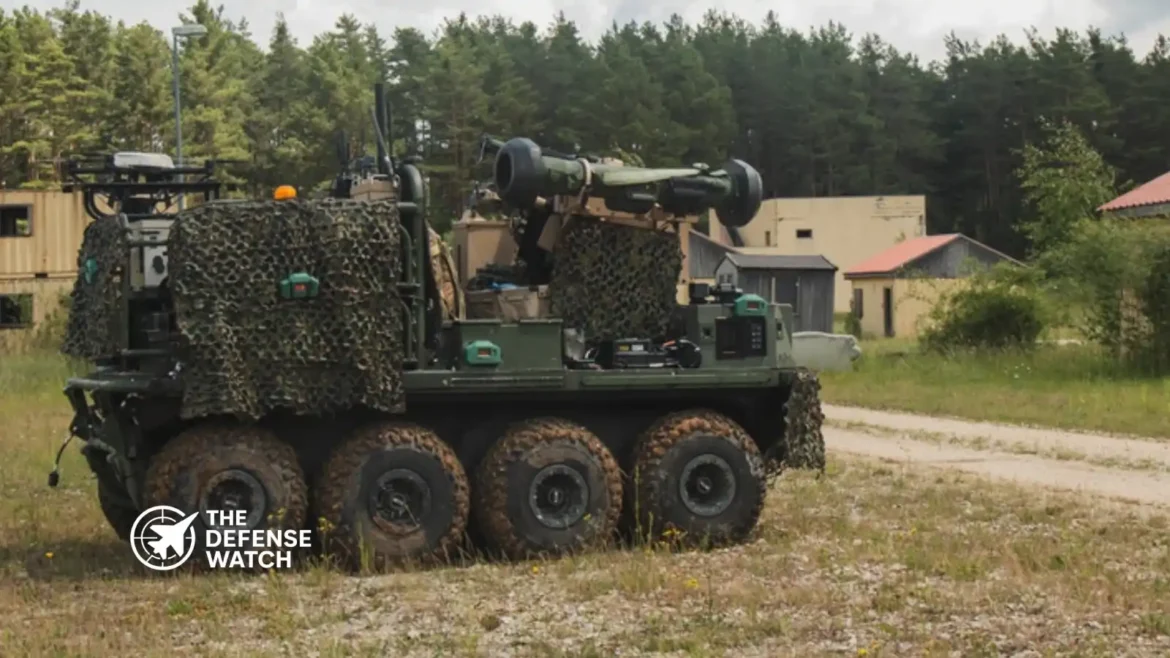
US Army Tests Autonomous Mine Breaching System To Protect Troops
The US Army mine breaching system under testing, known as SLICE, represents a shift toward autonomous combat engineering designed to keep soldiers out of direct danger during minefield clearance operations.
The system is being evaluated as part of ongoing efforts to modernize battlefield engineering capabilities and reduce exposure to explosive threats. Minefields remain one of the most persistent and lethal hazards in modern warfare, especially in high intensity conflicts.
- The US Army is testing the autonomous SLICE mine breaching system designed to clear explosive hazards without exposing soldiers.
- The system uses robotic platforms and remote or autonomous control to detect and neutralize mines.
- SLICE aims to reduce casualties during high risk combat engineering missions in contested environments.
- The capability supports multi domain operations where speed and survivability are critical.
- Testing reflects a broader US military push toward autonomy in frontline engineering and logistics roles.
A Safer Approach To Minefield Clearance
Traditional mine breaching operations require combat engineers to operate close to or within hazardous zones. Even with armored vehicles and specialized equipment, these missions carry significant risk.
The US Army mine breaching system changes that equation by introducing robotic and semi autonomous platforms capable of detecting, marking, and neutralizing explosive devices from a distance.
The SLICE system integrates sensors, mobility platforms, and control systems that allow operators to manage breaching tasks remotely. In some configurations, it can operate with increasing levels of autonomy, reducing the need for constant human input.
This approach aligns with broader US Army modernization priorities, particularly the push toward unmanned systems that can perform high risk tasks without putting personnel in harm’s way.
Operational Relevance In Modern Warfare
The importance of autonomous breaching systems has grown in recent years, driven by lessons from conflicts where extensive minefields and improvised explosive devices have slowed advances and caused heavy casualties.
In contested environments, especially against near peer adversaries, rapid breaching of obstacles is essential to maintain maneuver momentum. Delays in clearing minefields can expose units to artillery, drone surveillance, and counterattacks.
The US Army mine breaching system is designed to address this challenge by improving both speed and survivability. By removing soldiers from the immediate danger zone, commanders gain more flexibility in planning and executing operations.
This is particularly relevant in multi domain operations, where ground forces must coordinate with air, cyber, and space assets under constant threat.
Technology Behind The SLICE System
While specific technical details remain limited, the SLICE system is understood to combine several key components:
- Robotic ground platforms capable of operating in rough terrain
- Advanced sensors for mine detection and classification
- Remote control interfaces and autonomous navigation features
- Payloads designed to neutralize or clear explosive hazards
Such systems may also integrate with broader battlefield networks, allowing data sharing between units and improving situational awareness.
The use of autonomy in engineering roles mirrors similar trends in logistics and reconnaissance, where unmanned systems are increasingly taking on frontline responsibilities.
Strategic Implications For Future Combat
The testing of the US Army mine breaching system highlights a wider transformation in how militaries approach risk on the battlefield.
Autonomous systems are not just force multipliers, they are becoming risk reducers. By shifting dangerous tasks to machines, militaries can preserve manpower while maintaining operational effectiveness.
This trend is likely to accelerate as artificial intelligence, sensor technology, and robotics continue to mature. Future breaching operations could involve fully autonomous teams working ahead of human units, clearing paths in real time.
However, integration challenges remain. Reliability, electronic warfare resilience, and command control frameworks will all play a role in determining how quickly such systems are fielded at scale.
Balancing Innovation With Battlefield Reality
While the promise of the US Army mine breaching system is clear, its success will depend on performance in realistic combat conditions.
Minefields are often complex, with layered threats that include anti tank mines, anti personnel devices, and booby traps. Adversaries may also employ countermeasures to disrupt autonomous systems.
As a result, testing and validation will be critical. The Army’s approach appears focused on incremental development, ensuring that systems like SLICE can operate effectively alongside human engineers.
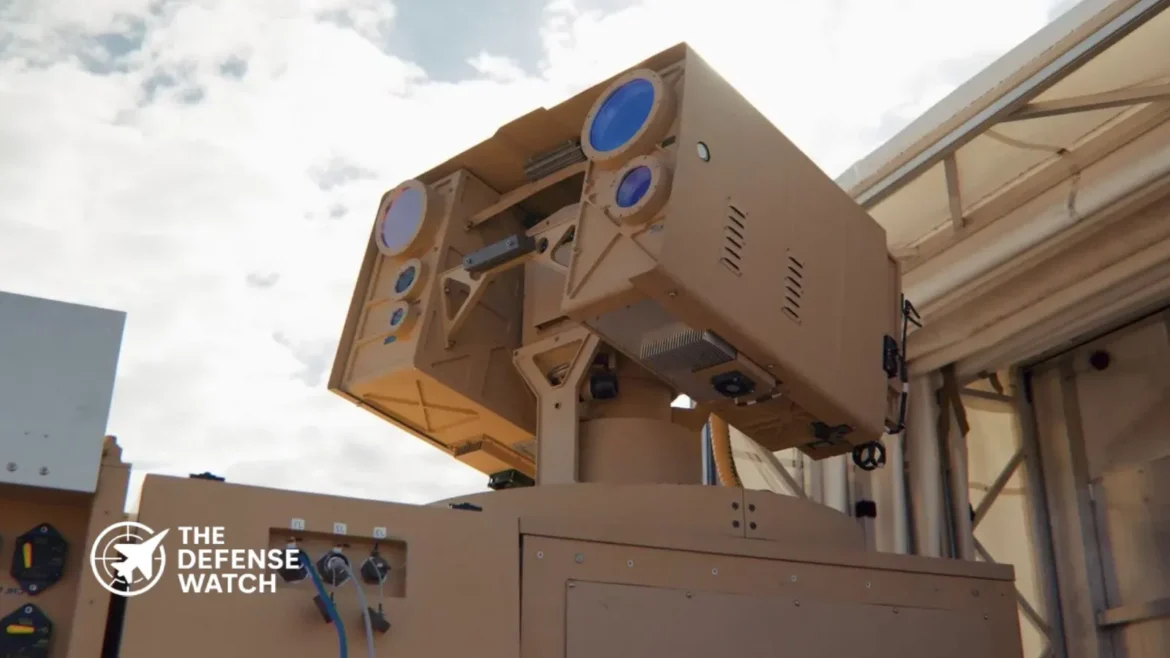
US Clears High Energy Laser Counter Drone System For Domestic Airspace Defense
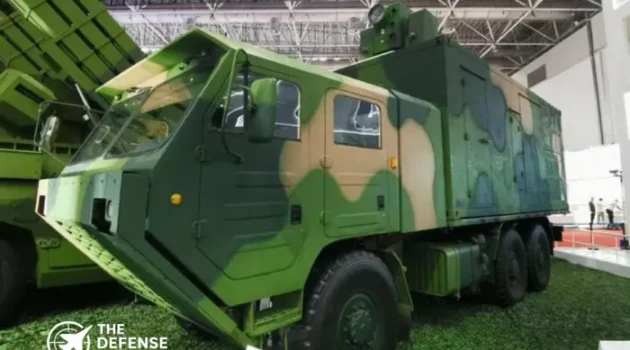
The high energy laser counter drone system has been cleared by US authorities for domestic airspace defense, marking a significant shift in how the United States plans to counter small unmanned aerial threats within its own borders.
The approval enables the deployment of directed energy systems designed to disable or destroy drones using focused laser beams rather than traditional kinetic interceptors. This development reflects both technological maturity and evolving threat perceptions tied to the rapid proliferation of commercial and military unmanned aerial systems.
- The US has cleared a high energy laser counter drone system for use in domestic airspace defense roles.
- The system is designed to neutralize small unmanned aerial systems using directed energy rather than kinetic interceptors.
- Approval marks a key regulatory milestone for deploying laser weapons within US territory.
- The move reflects growing concern over drone incursions near critical infrastructure and civilian airspace.
- Directed energy systems offer lower cost per engagement compared to traditional missile based defenses.
Regulatory Milestone Signals Shift In Domestic Defense Policy
The authorization of a high energy laser counter drone system for use in domestic airspace represents more than a technical achievement. It signals a policy shift in how the US approaches homeland defense against low altitude aerial threats.
Historically, the use of military grade weapons within US airspace has faced strict regulatory barriers, particularly where civilian safety and aviation integration are concerned. Directed energy systems introduce new considerations, including line of sight engagement, potential collateral effects, and coordination with aviation authorities.
The clearance suggests that US regulators now view laser based counter drone capabilities as sufficiently controlled and precise for limited domestic deployment. This reflects growing confidence in the system’s ability to engage targets without posing unacceptable risks to surrounding infrastructure or aircraft.
Why Counter Drone Capabilities Are Expanding
The push to operationalize a high energy laser counter drone system is closely tied to the rising frequency of drone incidents near sensitive sites. Airports, military bases, and critical infrastructure have all reported disruptions caused by unauthorized UAV activity.
Traditional countermeasures such as jamming or kinetic interception have limitations. Electronic warfare can be ineffective against autonomous drones, while missile or gun based systems carry higher costs and risk of debris.
Laser systems offer several advantages:
- Near instantaneous engagement
- Deep magazines limited primarily by power supply
- Reduced collateral damage compared to explosive interceptors
- Lower cost per shot
These characteristics make directed energy particularly attractive for countering swarms or repeated incursions, where conventional defenses may become economically or operationally strained.
Technology Overview And Operational Role
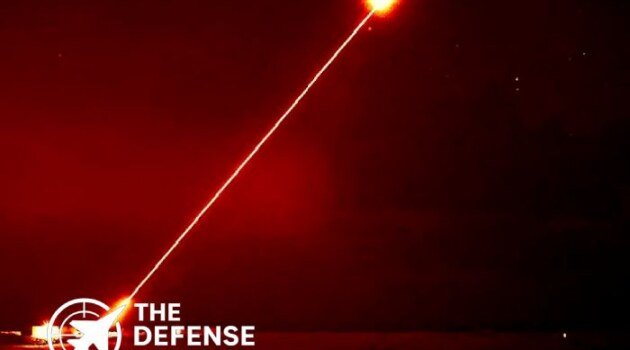
A typical high energy laser counter drone system operates by focusing a beam of energy onto a target, heating and damaging critical components such as sensors, propulsion systems, or structural elements.
Modern systems are increasingly integrated with advanced tracking and targeting sensors, allowing them to engage small, fast moving drones with high precision. The ability to scale power output also allows operators to tailor the level of force applied, from disabling electronics to causing structural failure.
In a domestic context, these systems are likely to be deployed in layered defense architectures. They could complement radar networks, electronic warfare systems, and conventional interceptors, forming part of a broader counter UAV ecosystem.
Strategic Implications For Homeland Defense
The clearance of the high energy laser counter drone system highlights a broader trend in US defense strategy. Homeland security is no longer limited to traditional threats such as aircraft or missiles. Instead, it now includes a wide spectrum of low cost, asymmetric aerial systems.
This shift mirrors developments observed in recent conflicts, where drones have demonstrated their effectiveness in surveillance, strike missions, and electronic warfare roles. The widespread availability of commercial drones further complicates the threat landscape, blurring the line between civilian and military use.
By enabling laser based countermeasures within US airspace, policymakers are effectively acknowledging that future threats may emerge closer to home and require rapid, scalable responses.
Industry And Defense Ecosystem Impact
The approval is also likely to accelerate investment in directed energy technologies across the US defense industry. Companies developing laser systems, power generation units, and advanced targeting solutions stand to benefit from expanded procurement opportunities.
In recent years, the US Department of Defense has increased funding for directed energy programs, including high energy lasers for ground vehicles, naval platforms, and airborne systems. The move toward domestic deployment could further drive innovation, particularly in areas such as:
- Power efficiency and thermal management
- Beam control and atmospheric compensation
- Integration with civilian air traffic systems
As these technologies mature, they may also find applications beyond military use, including law enforcement and critical infrastructure protection.
Challenges And Limitations
Despite its promise, the high energy laser counter drone system is not without limitations. Environmental factors such as weather, dust, and atmospheric conditions can affect beam quality and engagement range.
Additionally, line of sight requirements mean that obstacles or terrain can limit effectiveness in certain environments. Adversaries may also adapt by developing drones with reflective coatings, hardened components, or swarm tactics designed to overwhelm defenses.
These challenges underscore the need for a layered approach, where laser systems complement rather than replace existing counter drone measures.
Outlook
The clearance of the high energy laser counter drone system for domestic airspace defense marks a notable step in the evolution of US counter UAV capabilities. It reflects both technological progress and a changing threat environment that increasingly prioritizes protection against small, agile aerial systems.
As deployment begins, the effectiveness of these systems in real world conditions will likely shape future procurement decisions and regulatory frameworks. If successful, directed energy could become a cornerstone of both military and homeland air defense strategies in the years ahead.

US Navy Awards $183M USS Truxtun Repair Contract After Collision
The USS Truxtun repair contract marks a significant step in restoring a frontline US Navy destroyer damaged in a recent Caribbean collision, highlighting the service’s ongoing push to sustain fleet readiness under operational strain.
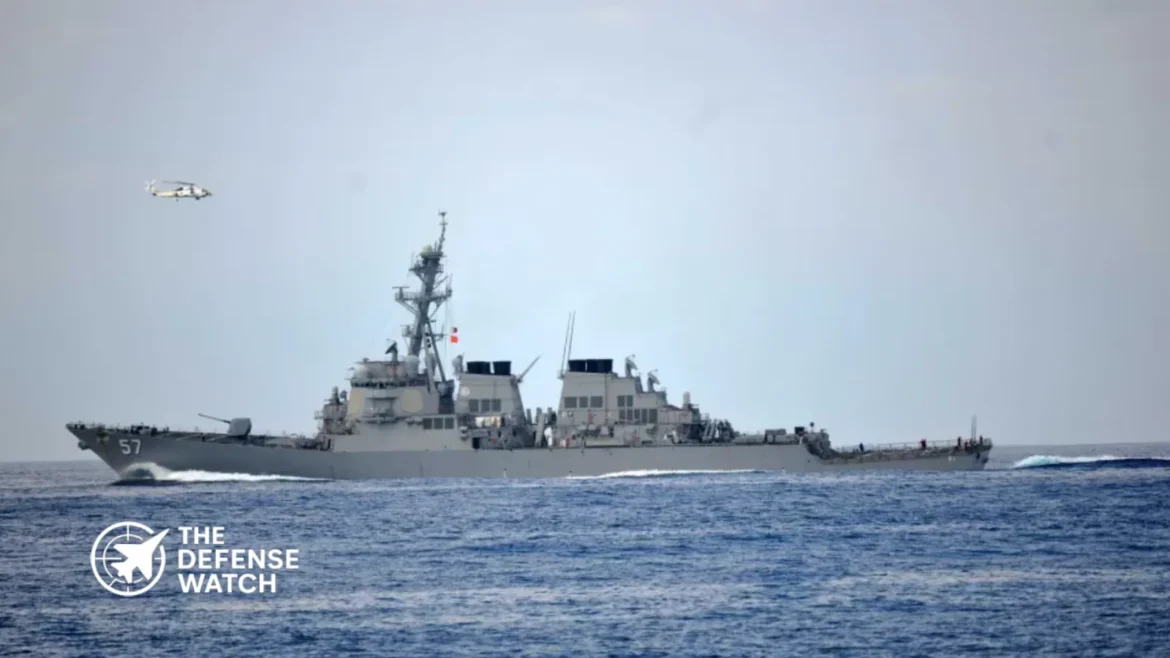
The US Navy has awarded a $183 million contract to carry out repairs on the guided-missile destroyer USS Truxtun (DDG-103), an Arleigh Burke-class vessel that sustained damage during a collision while operating in the Caribbean. According to reporting by Army Recognition, the work will involve structural repairs, system restoration, and a full return to mission-capable status.
¦ KEY FACTS AT A GLANCE- The US Navy awarded a $183 million contract to repair USS Truxtun following a collision in the Caribbean.
- The Arleigh Burke-class destroyer sustained structural damage requiring extensive shipyard work.
- Repairs will focus on hull integrity, onboard systems, and restoring full combat capability.
- The contract reflects ongoing US Navy efforts to maintain fleet readiness amid high operational demand.
- USS Truxtun is a key asset in US naval operations, including missile defense and maritime security missions.
Damage Assessment And Repair Scope
Initial assessments indicate the destroyer suffered notable structural damage, particularly to its hull and possibly topside systems. While the Navy has not disclosed full technical details, such repair contracts typically include hull reconstruction, inspection of propulsion components, and recalibration of combat systems.
The USS Truxtun repair contract is expected to cover both visible and latent damage, ensuring that no hidden structural weaknesses compromise future operations. This reflects a broader Navy approach that prioritizes long-term survivability over rapid but incomplete fixes.
Arleigh Burke-class destroyers like USS Truxtun are equipped with the Aegis Combat System, making them central to ballistic missile defense, air warfare, and surface strike missions. Any degradation in these systems would directly affect regional force posture.
Operational Impact On Fleet Readiness
The temporary loss of USS Truxtun underscores the pressure on the US Navy’s surface fleet, which is already operating at a high tempo across multiple theaters. Destroyers are among the most heavily tasked assets, supporting missions from the Indo-Pacific to the Middle East.
From an operational standpoint, the USS Truxtun repair contract helps mitigate a capability gap, but it also highlights the fragility of fleet availability. Even a single collision can remove a critical asset from deployment cycles for months or longer.
This incident follows a pattern seen in previous years, where collisions involving US Navy destroyers led to extended maintenance periods and broader reviews of training and navigation protocols. While no systemic issue has been confirmed in this case, the Navy continues to emphasize seamanship and operational discipline.
Strategic Context: Sustaining A High-Demand Fleet
The contract reflects a wider trend in US naval strategy, where maintenance and sustainment are becoming as critical as procurement. With shipbuilding timelines stretching years into the future, keeping existing platforms operational is essential.
The USS Truxtun repair contract also signals the Navy’s reliance on industrial base capacity to rapidly address damage and return ships to service. Shipyards capable of handling complex destroyer repairs remain a strategic asset in their own right.
In recent budget cycles, the US Department of Defense has increased funding for maintenance and modernization, recognizing that readiness gaps can emerge not only from adversary threats but also from wear, accidents, and deferred upkeep.
Broader Implications For Naval Operations
Beyond the immediate repair effort, the incident raises questions about fleet resilience and redundancy. As geopolitical tensions persist, particularly in contested maritime regions, the availability of multi-mission destroyers remains a cornerstone of US naval power.
The USS Truxtun repair contract demonstrates how quickly operational realities can shift. A single incident can force adjustments in deployment schedules, task group composition, and regional coverage.
At the same time, the Navy’s rapid response in awarding the contract suggests a maturing approach to incident recovery, with streamlined processes aimed at minimizing downtime.
Conclusion
The $183 million USS Truxtun repair contract highlights both the challenges and priorities facing the US Navy today. While collisions remain relatively rare, their impact on fleet readiness is significant.
Restoring USS Truxtun to full operational capability will not only return a critical asset to the fleet but also reinforce the Navy’s broader effort to sustain combat power in an increasingly demanding global environment.
KEY FACTS AT A GLANCE- The Pentagon spent roughly $5.6 billion in munitions during the first two days of U.S. strikes against Iran.
- More than 2,000 munitions were reportedly used to strike over 5,000 targets during the early phase of operations.
- Lawmakers have raised concerns that the pace of operations could strain U.S. stockpiles of precision weapons.
- The Pentagon has moved air defense assets such as THAAD and Patriot interceptors to the Middle East.
- Washington may request tens of billions of dollars in additional funding to sustain the campaign.
Pentagon Used $5.6 Billion In Munitions During First Two Days Of Iran War
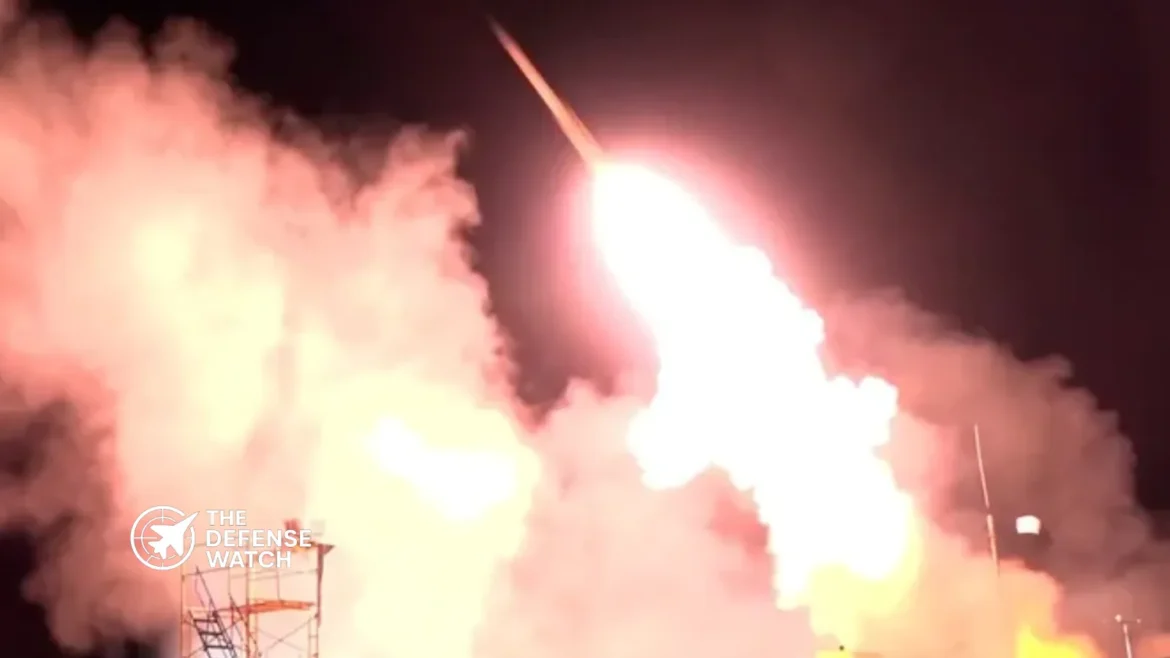
The Pentagon used approximately $5.6 billion in munitions during the first two days of U.S. military operations against Iran, according to information provided to congressional committees. The figure highlights the immense cost and operational intensity of the early phase of the campaign.
The estimate covers the cost of weapons expended during the initial strikes and does not include broader operational expenses such as aircraft deployments, naval operations, logistics, or troop movements.
U.S. officials shared the figure with lawmakers as part of classified briefings on the evolving conflict, which began in late February when U.S. forces launched coordinated strikes against Iranian military targets.
The Big Picture
The pace of weapons expenditure during the opening days of the conflict underscores the scale of modern high intensity warfare.
Precision guided weapons, cruise missiles, interceptor missiles, and other advanced munitions form the backbone of U.S. strike doctrine. These systems provide accuracy and reduce collateral damage, but they are also expensive and difficult to produce quickly.
Recent conflicts have already strained U.S. stockpiles. Washington has supplied large quantities of weapons to Ukraine and Israel while maintaining deterrence missions in Europe and the Indo Pacific.
The Iran conflict adds another major operational demand on the U.S. defense industrial base.
In this context, the $5.6 billion figure represents more than just a financial cost. It illustrates the logistical challenge of sustaining large scale combat operations in an era dominated by high end precision weapons.
What’s Happening
The Pentagon estimate indicates that roughly $5.6 billion worth of munitions were used in the first 48 hours of U.S. strikes on Iranian targets.
According to officials familiar with the campaign:
• The United States has used more than 2,000 munitions in the opening phase of the conflict.
• Thousands of targets across Iran have been struck.
• U.S. forces have relied heavily on precision guided weapons.The strikes are part of a broader military campaign involving air, naval, and missile defense forces operating across the Middle East.
The U.S. military has also deployed or repositioned additional air defense systems to protect regional bases and allied infrastructure from Iranian retaliation.
Officials said components of the Terminal High Altitude Area Defense system have been moved to the region, while Patriot interceptors are being used to counter Iranian missiles and drones.
Pentagon spokesman Sean Parnell stated that the Department of Defense has the resources required to carry out operations directed by the president.
Why It Matters
The scale of U.S. munitions used against Iran highlights a growing issue for military planners.
Modern precision weapons deliver decisive battlefield effects, but they are produced in relatively small quantities compared to traditional ammunition.
Cruise missiles, interceptor missiles, and advanced guided bombs often require complex manufacturing processes and specialized components. This limits how quickly industry can replenish stockpiles during a prolonged conflict.
Several lawmakers have already raised concerns that the pace of weapons use could affect U.S. readiness for other potential crises.
The Pentagon has acknowledged the importance of maintaining adequate stockpiles while continuing operations.
Strategic Implications
The early expenditure of $5.6 billion in munitions carries broader strategic implications for the United States and its allies.
First, it illustrates the logistical demands of sustained strike operations against a regional military power like Iran.
Iran maintains extensive missile forces, air defense systems, and dispersed military infrastructure. Neutralizing these capabilities requires large numbers of precision strikes.
Second, the conflict places pressure on the U.S. defense industrial base.
Producing advanced weapons such as cruise missiles and interceptor missiles often takes months or years. If the war continues at a high tempo, the Pentagon may need to accelerate procurement and expand industrial capacity.
Third, the campaign may influence U.S. force posture in other theaters.
The redeployment of air defense systems and interceptors from other regions suggests that global military resources are being redistributed to support operations in the Middle East.
Competitor View
Strategic competitors are likely analyzing the conflict closely.
China and Russia have long studied U.S. strike doctrine and logistics. The pace at which U.S. forces expend high end munitions provides valuable insights into American operational planning.
China in particular has focused on the concept of protracted conflict and the importance of industrial capacity. Chinese military strategists often argue that sustaining long wars depends as much on manufacturing capability as battlefield tactics.
Iran itself may also view the rapid expenditure of U.S. munitions as evidence that prolonged resistance could impose significant costs on Washington.
What To Watch Next
Several developments will shape the next phase of the conflict.
First, the White House is expected to request additional funding from Congress to support the military campaign. Estimates suggest the request could reach tens of billions of dollars.
Second, the Pentagon may adjust its operational approach by using more cost effective weapons for certain targets.
Third, the defense industry could receive new contracts to replenish depleted stockpiles of cruise missiles, interceptors, and precision guided bombs.
These contracts may drive a surge in production across the U.S. defense industrial base.
Capability Gap
The Iran conflict highlights a key capability gap within modern military planning.
High end precision weapons provide unmatched accuracy and effectiveness, but they are expensive and limited in supply.
A prolonged conflict could expose vulnerabilities in production capacity and logistics.
This challenge has already influenced Pentagon planning. The U.S. military has increasingly explored lower cost strike options, including guided bombs and unmanned systems, to complement expensive long range missiles.
Balancing precision capability with sustainable stockpiles will remain a central issue for defense planners.
The Bottom Line
The Pentagon’s use of $5.6 billion in munitions during the first two days of operations against Iran illustrates both the power and the logistical cost of modern precision warfare.
Newer Posts