(adsbygoogle = window.adsbygoogle || []).push({});Executive Summary:
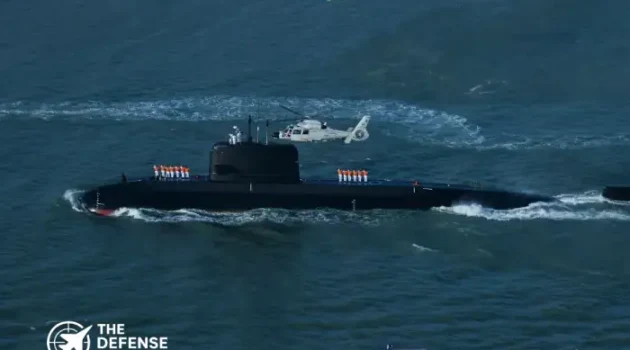
President Asif Ali Zardari joined Pakistan Navy leadership in Sanya, China, on April 30, 2026, for the commissioning of PNS/M Hangor, the first of the Hangor-class diesel-electric attack submarines. The vessel represents a key element of Pakistan’s naval modernization program under a major deal with China. The induction strengthens Pakistan’s maritime defense posture amid regional security dynamics in the Indian Ocean.
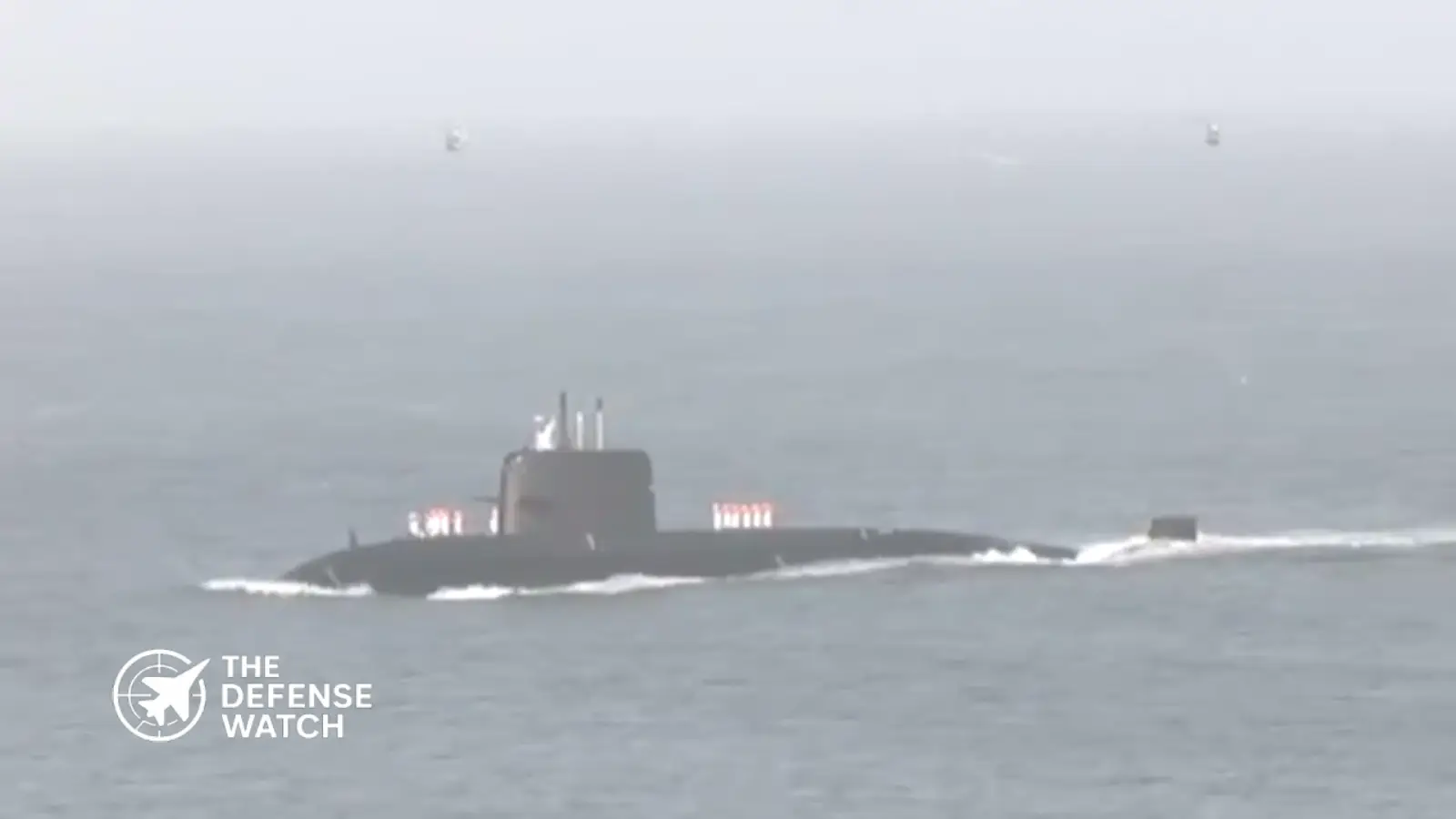
The Pakistan Navy has formally commissioned PNS/M Hangor, its first Hangor-class submarine, marking a significant advancement in its undersea warfare capabilities. President Asif Ali Zardari, who attended the ceremony in Sanya, China, as chief guest, described the event as a historic milestone that enhances Pakistan’s maritime defense.
This development is part of a broader eight-submarine program initiated in 2015, underscoring the deepening strategic partnership between Pakistan and China in defense technology transfer and production.
- (adsbygoogle = window.adsbygoogle || []).push({});
Program Background and Technical Capabilities
The Hangor-class submarines are an export derivative of China’s Type 039A (Yuan-class) design, adapted for Pakistan Navy requirements. Built by China Shipbuilding & Offshore International Co. Ltd (CSOC), the lead boat PNS Hangor was launched in April 2024 and commissioned on April 30, 2026.
Key specifications include:
- Displacement: Approximately 2,800 tons
- Length: 76 meters
- Propulsion: Diesel-electric with Stirling air-independent propulsion (AIP) system
- Speed: Up to 20 knots
- Range: Around 8,500 nautical miles
- Crew: Approximately 36
The AIP system allows extended submerged operations, improving stealth and endurance compared to older conventional submarines. Armament is expected to include heavyweight torpedoes and anti-ship cruise missiles launched from six 533mm torpedo tubes, though specific Pakistani configurations remain classified.
(adsbygoogle = window.adsbygoogle || []).push({});Four submarines are being constructed in China, with the remaining four to be built in Pakistan at Karachi Shipyard & Engineering Works under a technology transfer agreement. This aims to develop indigenous submarine construction expertise.
Strategic Context and Regional Implications
Pakistan operates a mixed submarine fleet, including aging Agosta-class boats. The Hangor program addresses capability gaps by introducing modern, quieter vessels with improved underwater endurance. This enhances Pakistan’s ability to secure sea lines of communication, deter potential adversaries, and protect its exclusive economic zone.
The commissioning occurs against the backdrop of ongoing naval modernization efforts in South Asia. India operates a larger and more diverse submarine fleet, including nuclear-powered vessels, prompting Pakistan to seek asymmetric advantages through advanced conventional submarines.
Original Analysis: From a U.S. perspective, the Hangor program exemplifies China’s growing role as a submarine exporter and technology provider. By enabling co-production, Beijing not only strengthens a key partner but also gains valuable operational feedback on its designs in real-world conditions. For Pakistan, the deal represents one of its largest defense procurements, estimated at $4-5 billion, and supports broader goals of self-reliance in naval platforms.
- (adsbygoogle = window.adsbygoogle || []).push({});
This partnership fits into wider China-Pakistan military cooperation, which includes Type 054A/P frigates and other systems. It contributes to a more capable Pakistan Navy that can operate effectively in contested waters, potentially complicating future contingency planning for regional powers. However, integration, training, and maintenance challenges will be critical factors in realizing full operational potential.
Pakistan-China Defense Ties
President Zardari thanked the Government and people of China for their cooperation, emphasizing that the Hangor program reflects the enduring strategic partnership between the two nations. The ceremony was also attended by Pakistan’s Chief of the Naval Staff, Admiral Naveed Ashraf.
Chinese officials have described the cooperation as standard defense collaboration. The program builds on decades of bilateral ties, with China providing platforms, technology transfer, and support for Pakistan’s defense industrialization.
(adsbygoogle = window.adsbygoogle || []).push({});Operational Path Forward
Following commissioning, PNS Hangor has conducted port visits, including stops in Malaysia and Sri Lanka, before arriving in Pakistan. Subsequent vessels in the class are progressing through construction and trials, with the program targeting full delivery by the late 2020s.
The Pakistan Navy is expected to focus on crew training, doctrine development, and integration of the new submarines into its fleet operations to maximize their contribution to maritime security.