NATO Underwater Internet Concept Moves Into Operations
The NATO underwater internet concept is moving from research into real operational planning, marking a significant step in how allied navies may fight, monitor, and communicate beneath the sea.
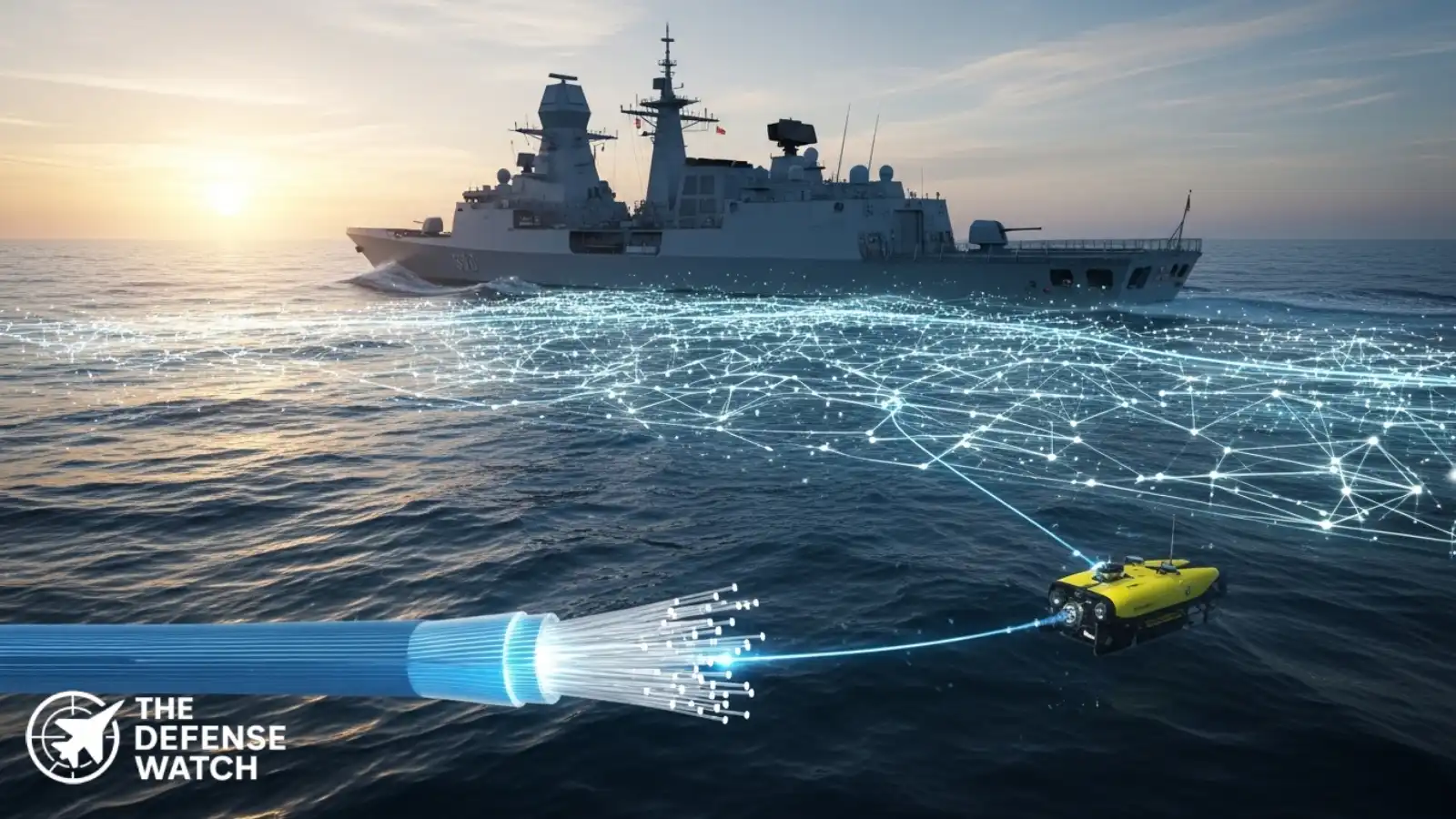
NATO has launched the Allied Underwater Battlespace Mission Network (AUWB-MN), a program intended to create a secure mission network linking military systems operating above, on, and below the waterline. The project is being led by Saab through its MANGROVE consortium.
- NATO has advanced its underwater internet concept into operational development through a new Allied Underwater Battlespace Mission Network (AUWB-MN) program.
- Swedish defense firm Saab (through its Kockums business area) is leading the multinational MANGROVE consortium selected for the effort.
- The system is designed to connect crewed and uncrewed platforms above, on, and below the sea surface.
- Twelve NATO nations are backing the project, led by the United Kingdom.
- The move comes as allied nations face growing concern over cable sabotage, seabed espionage, and maritime disruption.
The initiative reflects a broader shift in alliance planning. Underwater operations were once focused mainly on submarines and anti-submarine warfare. Today, the seabed has become a strategic battlespace that includes data cables, energy pipelines, sensors, drones, and autonomous vehicles.
Why NATO Is Prioritizing Undersea Networks
More than traditional naval competition is driving this effort. Western officials have increasingly warned about the vulnerability of critical undersea infrastructure, especially fiber optic cables that carry global internet traffic and financial data.
Recent incidents in the Baltic Sea and North Atlantic have sharpened concern that hostile states or proxy actors could damage cables, disrupt communications, or gather intelligence without triggering open conflict.
That makes the NATO underwater internet concept strategically important. If allied forces can maintain resilient underwater communications and connect autonomous systems in real time, they gain faster detection, better coordination, and stronger deterrence.
This is no longer only about ships and submarines. It is about controlling information flows in contested waters.
What The New Network Is Designed To Do
According to Saab, the AUWB-MN project will create a reference architecture and testing environment for a future NATO standard. It aims to support secure and rapid information exchange between conventional naval assets and maritime uncrewed systems.
That could include:
- Underwater drones sharing sonar contacts
- Surface vessels relaying data to command centers
- Autonomous sensors tracking suspicious seabed activity
- Multi-nation forces operating on one common network
- Faster responses to sabotage or submarine threats
The long term value is interoperability. NATO forces often operate with different national systems. A common underwater data standard could reduce delays and improve joint missions.
Why This Matters Beyond Europe
Although many recent cable incidents have centered on Europe, the implications are global. Undersea infrastructure links continents, supports military communications, and underpins global commerce.
If NATO successfully fields an underwater network architecture, similar models could shape future Indo-Pacific security planning, Arctic surveillance, and coalition maritime operations.
The United States, as a leading NATO military power, has a clear stake in the project. American naval doctrine increasingly emphasizes unmanned systems, distributed sensing, and resilient communications. Those priorities align directly with AUWB-MN goals.
Analysis: A Quiet But Important Military Shift
This program may not attract attention like a new fighter jet or missile system, but it could prove just as consequential.
Modern warfare increasingly targets networks rather than platforms. A damaged cable, blinded sensor grid, or disrupted data link can weaken combat power before the first missile is fired.
By pushing the NATO underwater internet concept into operations, the alliance is recognizing that future maritime competition will be fought across the seabed as much as on the surface.
That suggests NATO sees underwater connectivity not as a technical niche, but as core military infrastructure.