Executive Summary:
The RAF Rivet Joint surveillance aircraft has deployed to Norway as part of a NATO-focused exercise designed to strengthen intelligence gathering and allied interoperability. The deployment highlights growing emphasis on operations in the High North, a region of increasing strategic importance for NATO members.
RAF Rivet Joint Deployment Highlights NATO Focus On The High North
The RAF Rivet Joint surveillance aircraft has deployed to Norway’s western fjord region as part of an exercise aimed at improving operational flexibility and strengthening cooperation with NATO allies.
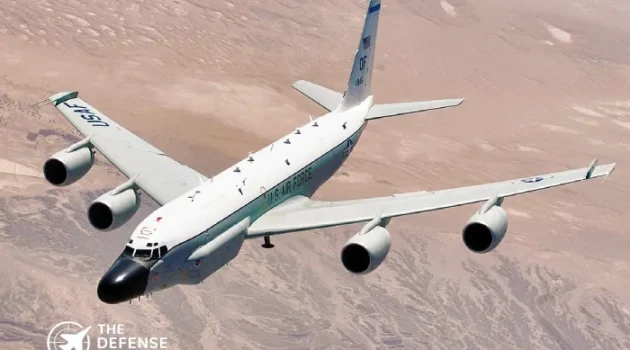
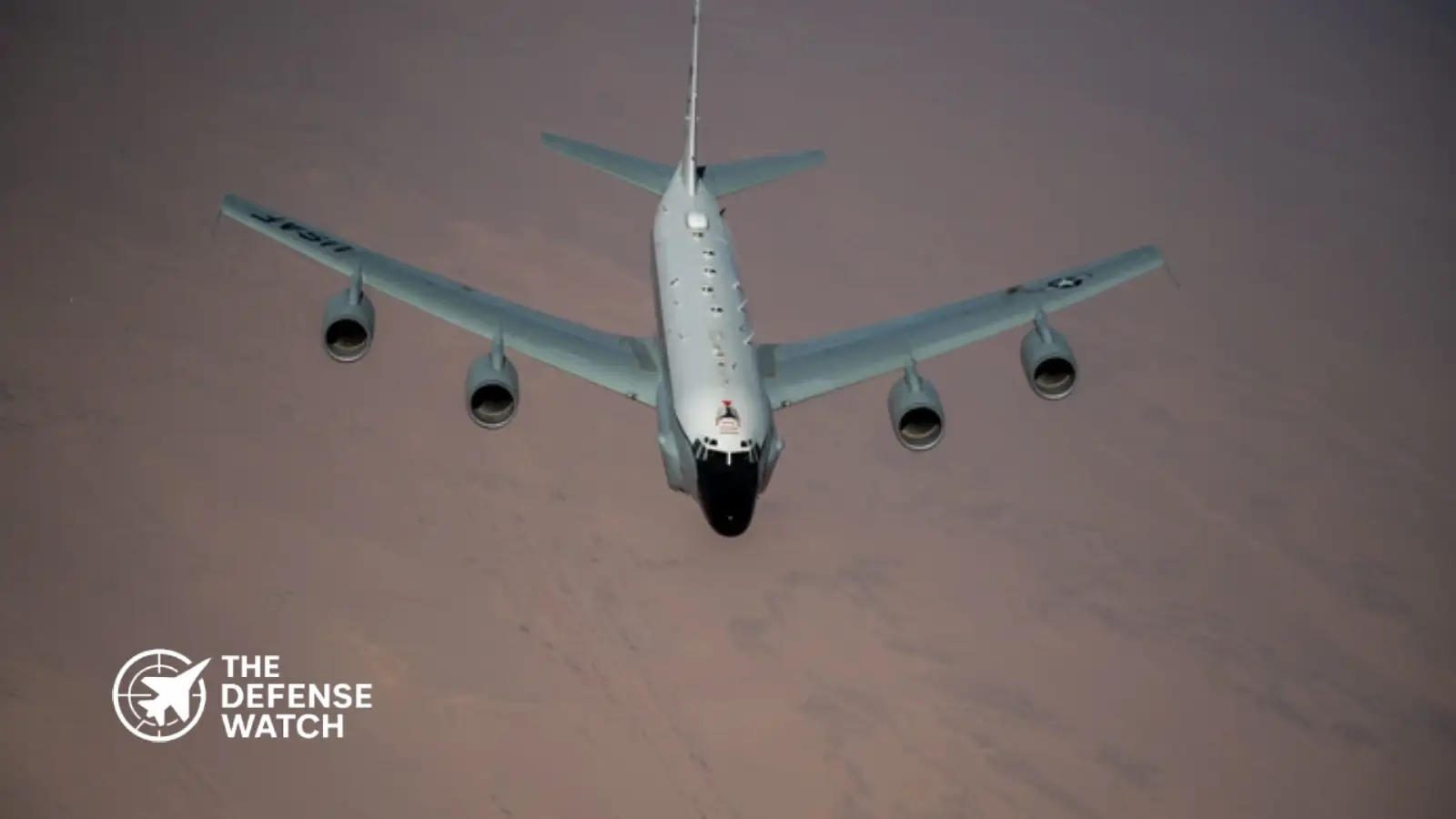
According to the Royal Air Force, No. 51 Squadron deployed the RC-135W Rivet Joint aircraft to Ørland Air Base in Norway under an Agile Combat Employment exercise. The activity was designed to demonstrate the aircraft’s ability to operate effectively from dispersed locations while working closely with allied forces.
The deployment comes as NATO continues to place greater emphasis on readiness, interoperability, and intelligence sharing across northern Europe.
Intelligence Aircraft Designed For Modern Surveillance Missions
The RAF Rivet Joint is one of the United Kingdom’s most important intelligence, surveillance, and reconnaissance (ISR) platforms.
Operated by No. 51 Squadron from RAF Waddington, the RC-135W specializes in collecting electronic intelligence and communications intelligence. Its onboard sensors can detect, intercept, and analyze signals across the electromagnetic spectrum, providing commanders with real-time situational awareness.
The aircraft entered RAF service through Project Airseeker and remains a key component of Britain’s intelligence gathering capability. The fleet is expected to remain operational into the next decade as part of the UK’s broader ISR architecture.
Norway Deployment Demonstrates Agile Combat Employment
A central objective of the exercise was validating the RAF’s ability to operate from locations away from its main operating bases.
Operating from Norway with limited support infrastructure allowed crews to test dispersed operations while maintaining mission effectiveness. The concept aligns with NATO’s growing focus on survivability, flexibility, and resilience in contested environments.
During the deployment, the aircraft worked alongside Norwegian military units and NATO airborne assets, improving coordination and understanding of each platform’s capabilities. The exercise also provided opportunities to streamline procedures and enhance operational integration among allied forces.
Why The High North Matters
The Norwegian deployment reflects broader strategic trends across the Euro-Atlantic region.
The High North has become increasingly significant due to its proximity to critical maritime routes, Arctic operating areas, and NATO’s northern flank. As military activity in northern Europe and the Arctic continues to attract attention from alliance planners, intelligence collection and situational awareness have become essential components of regional security.
The RC-135W’s advanced signals intelligence capabilities make it particularly valuable in this environment. By monitoring electronic emissions and communications activity, the aircraft contributes to a more comprehensive understanding of the operational picture across large geographic areas.
Recent RAF surveillance activities over the Baltic region and NATO’s eastern flank further illustrate the aircraft’s role in supporting alliance intelligence requirements.
Strategic Analysis
While the Norway deployment was presented as a training and readiness exercise, its significance extends beyond routine operations.
The ability to rapidly relocate high-value ISR assets is increasingly important as NATO prepares for potential disruptions to traditional basing arrangements. Dispersed operations reduce vulnerability and provide commanders with more options during crises.
For NATO, intelligence sharing remains one of the alliance’s most important force multipliers. Platforms such as the RAF Rivet Joint help connect national capabilities into a broader multinational intelligence network, improving decision-making speed and operational effectiveness.
The exercise also reinforces the close defense relationship between the United Kingdom and Norway, both of which play critical roles in safeguarding NATO’s northern approaches.
Conclusion
The deployment of the RAF Rivet Joint to Norway demonstrates NATO’s continued focus on readiness, interoperability, and intelligence operations in the High North. By operating from a dispersed location alongside allied forces, the RC-135W showcased the flexibility and intelligence capabilities that remain central to modern air power and alliance security.