
Lebanon Israel Talks Begin In Washington Amid Rising Border Tensions
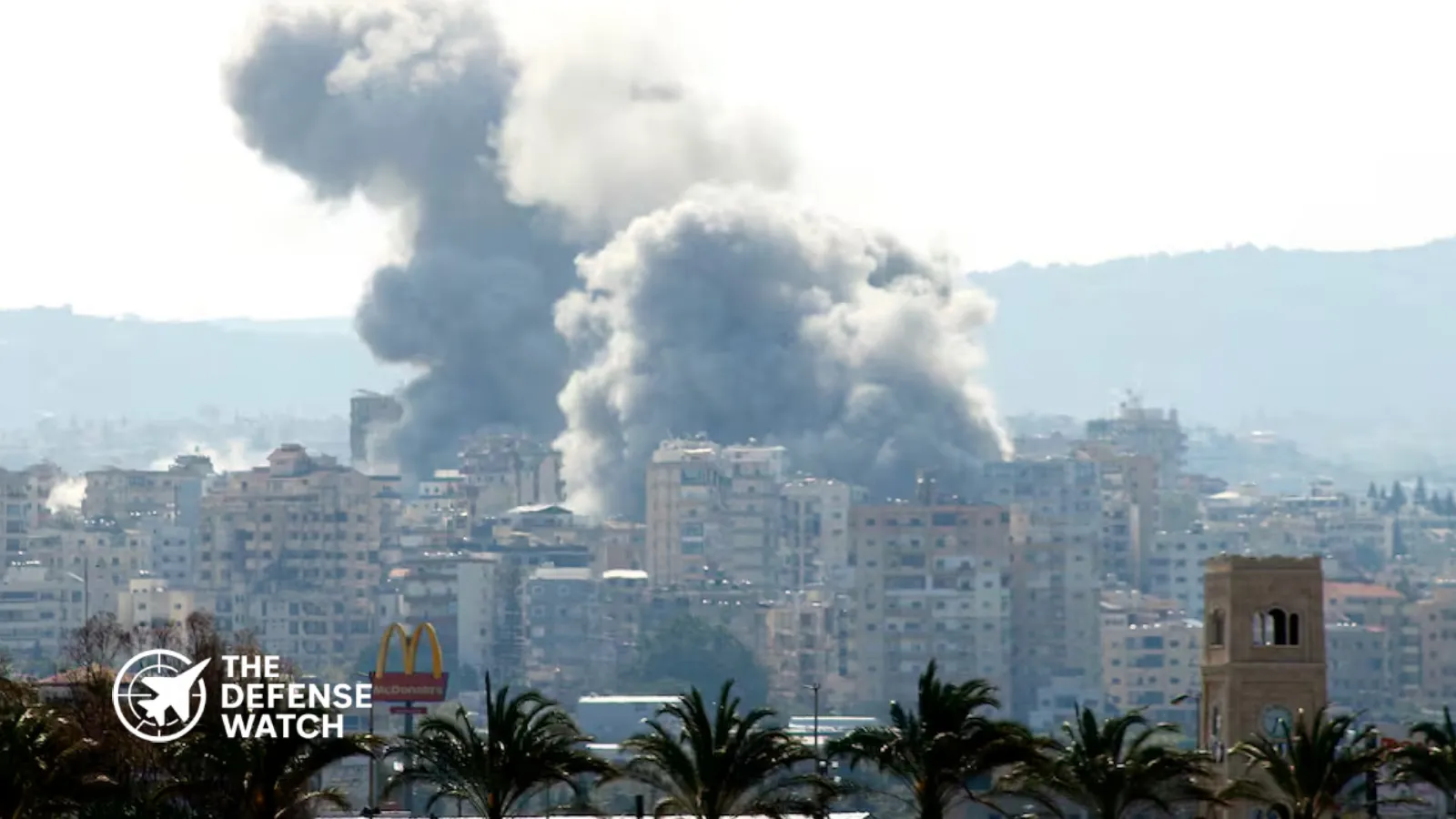
Lebanon Israel talks are set to begin in Washington, marking a renewed U.S. diplomatic push to ease escalating tensions between Lebanon and Israel along their volatile southern border.
The discussions, facilitated by U.S. officials, come after months of sustained cross-border exchanges involving Israeli forces and the Iran-backed militant group Hezbollah. According to reporting by Defense News, the talks aim to establish mechanisms to reduce the risk of further escalation and stabilize the frontier.
The initiative reflects growing concern in Washington that the Israel-Lebanon front could expand into a broader regional conflict, particularly as multiple flashpoints across the Middle East remain active.
- U.S.-mediated talks between Lebanon and Israel are set to begin in Washington in April 2026.
- The discussions aim to reduce escalating cross-border tensions involving Hezbollah and Israeli forces.
- Washington is seeking confidence-building measures to prevent further military escalation.
- The talks follow months of near-daily exchanges of fire along the Israel-Lebanon border.
- The outcome could shape broader regional stability amid ongoing Middle East conflicts.
U.S. Pushes De-Escalation Framework
The United States is positioning itself as a central mediator in the Lebanon Israel talks, focusing on practical, incremental steps rather than sweeping political agreements. Officials are expected to prioritize confidence-building measures, including communication channels, deconfliction protocols, and potential adjustments to military postures along the border.
This approach mirrors previous U.S.-brokered efforts in the region, where limited technical agreements have sometimes succeeded in reducing immediate risks even when broader political disputes remain unresolved.
From a defense perspective, the urgency is clear. The Israel-Lebanon border has seen a steady increase in rocket fire, drone activity, and artillery exchanges. These incidents raise the risk of miscalculation, particularly given Hezbollah’s expanding arsenal and Israel’s heightened readiness.
Strategic Context: A Fragile Northern Front
The Lebanon Israel talks take place against a complex strategic backdrop. Since late 2025, cross-border hostilities have intensified, with both sides demonstrating a willingness to operate closer to escalation thresholds.
For Israel, the northern front represents a critical security challenge. The Israeli military has been forced to allocate significant resources to monitor and respond to threats from Lebanon, even as it manages other operational commitments.
For Lebanon, the situation is equally precarious. The country’s economic crisis limits its ability to absorb further instability, while Hezbollah’s role complicates state-level diplomacy. Beirut’s participation in the talks highlights an effort to prevent further deterioration, even as control over armed actors remains fragmented.
Military Implications And Risk Calculus
The Lebanon Israel talks are not occurring in a vacuum. They are directly tied to evolving military dynamics on the ground.
Hezbollah’s capabilities, including precision-guided munitions, drones, and anti-tank systems, have significantly improved over the past decade. This has altered the deterrence balance, increasing the potential cost of any large-scale confrontation.
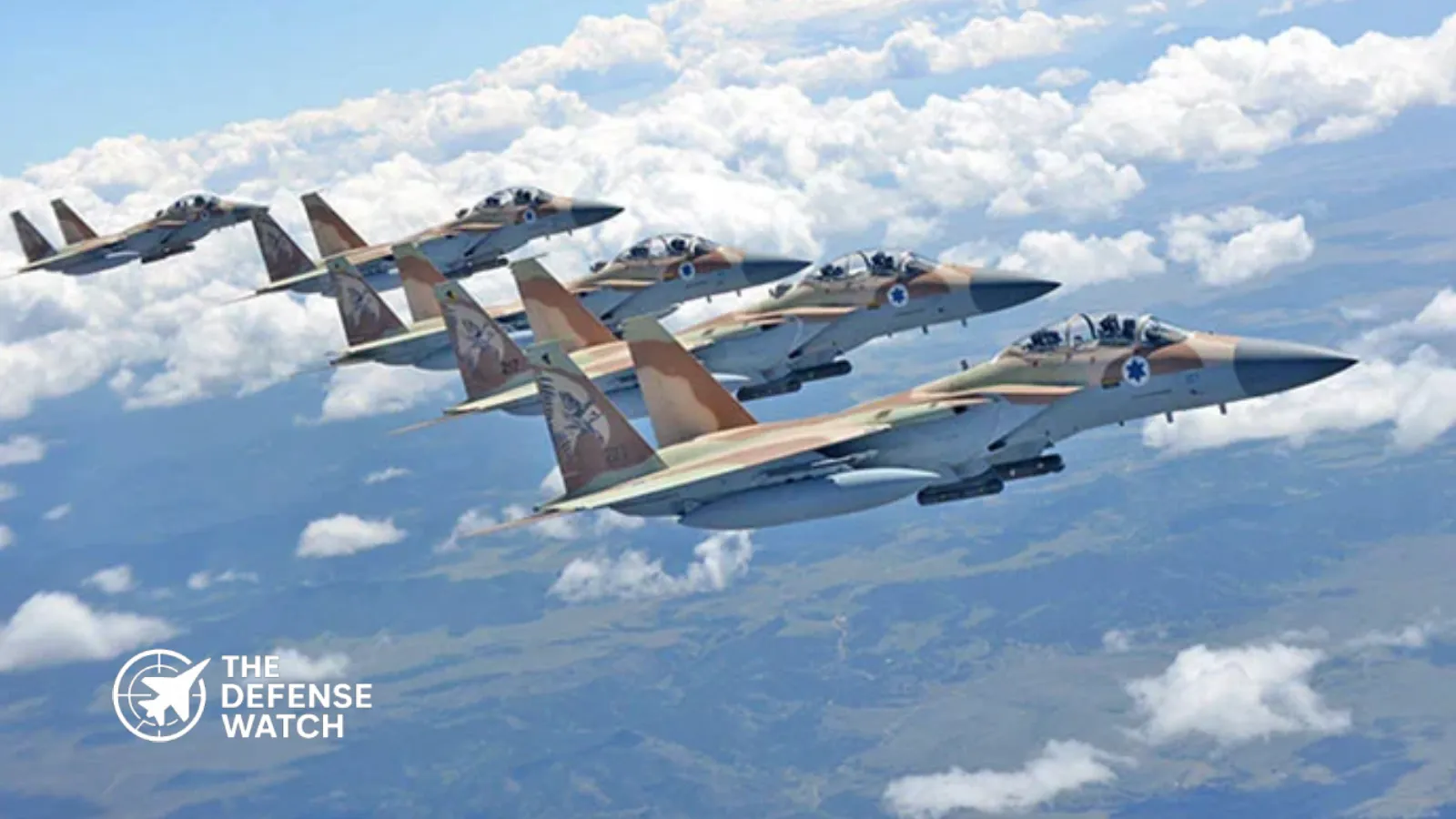
Israel, for its part, continues to refine its layered defense systems and offensive capabilities. The Israeli Defense Forces maintain a high level of readiness in the north, supported by intelligence, surveillance, and rapid-response assets.
The talks in Washington could influence how both sides calibrate their military posture. Even limited agreements on rules of engagement or geographic constraints could reduce the likelihood of rapid escalation.
Diplomatic Significance Beyond The Border
While the immediate focus is on the Israel-Lebanon frontier, the implications of the Lebanon Israel talks extend further.
The United States is seeking to reinforce its role as a stabilizing actor in the Middle East at a time of shifting alliances and persistent conflict. Successful mediation, even at a limited level, could strengthen Washington’s credibility and provide a model for managing other regional disputes.
At the same time, failure to achieve tangible outcomes could reinforce perceptions of diplomatic stagnation, increasing the likelihood that military dynamics will dominate the situation.
Outlook: Limited Gains, High Stakes
Expectations for the Lebanon Israel talks remain cautious. Analysts note that deep-rooted political and security issues are unlikely to be resolved in a single round of discussions.
However, even modest progress, such as reducing the frequency of cross-border incidents or establishing clearer communication channels, could have a meaningful impact on regional stability.
From a defense and security standpoint, the talks represent a critical effort to manage escalation risks in one of the Middle East’s most sensitive theaters. With both sides operating under heightened tension, the margin for error remains narrow.