US Clears High Energy Laser Counter Drone System For Domestic Airspace Defense
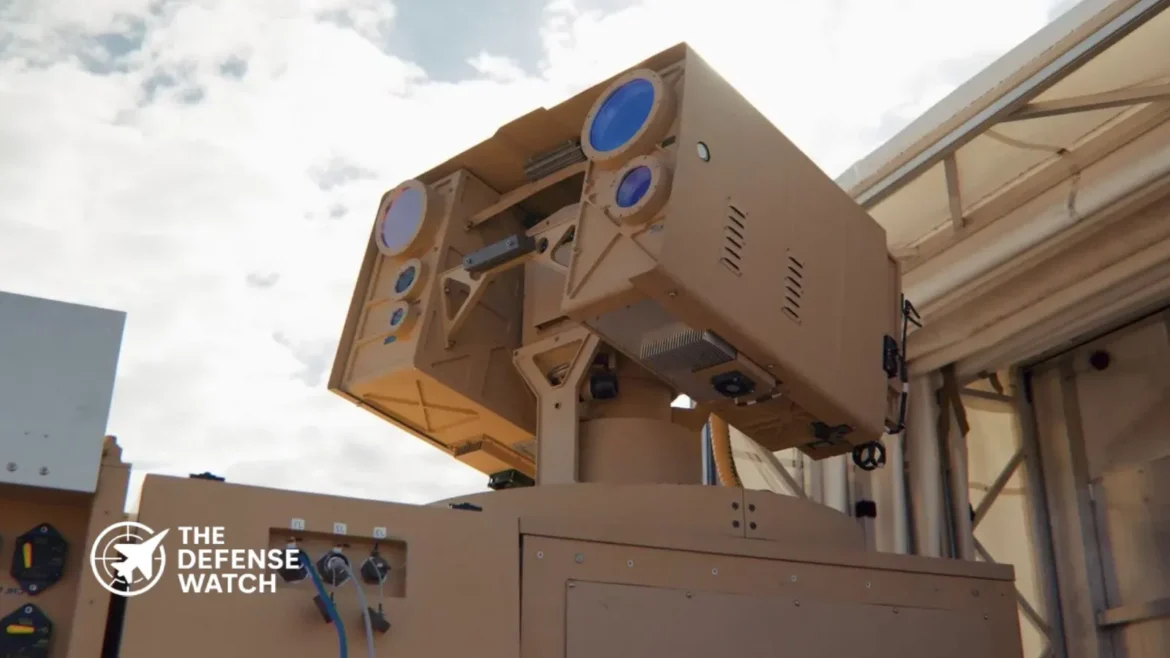
The high energy laser counter drone system has been cleared by US authorities for domestic airspace defense, marking a significant shift in how the United States plans to counter small unmanned aerial threats within its own borders.
The approval enables the deployment of directed energy systems designed to disable or destroy drones using focused laser beams rather than traditional kinetic interceptors. This development reflects both technological maturity and evolving threat perceptions tied to the rapid proliferation of commercial and military unmanned aerial systems.
- The US has cleared a high energy laser counter drone system for use in domestic airspace defense roles.
- The system is designed to neutralize small unmanned aerial systems using directed energy rather than kinetic interceptors.
- Approval marks a key regulatory milestone for deploying laser weapons within US territory.
- The move reflects growing concern over drone incursions near critical infrastructure and civilian airspace.
- Directed energy systems offer lower cost per engagement compared to traditional missile based defenses.
Regulatory Milestone Signals Shift In Domestic Defense Policy
The authorization of a high energy laser counter drone system for use in domestic airspace represents more than a technical achievement. It signals a policy shift in how the US approaches homeland defense against low altitude aerial threats.
Historically, the use of military grade weapons within US airspace has faced strict regulatory barriers, particularly where civilian safety and aviation integration are concerned. Directed energy systems introduce new considerations, including line of sight engagement, potential collateral effects, and coordination with aviation authorities.
The clearance suggests that US regulators now view laser based counter drone capabilities as sufficiently controlled and precise for limited domestic deployment. This reflects growing confidence in the system’s ability to engage targets without posing unacceptable risks to surrounding infrastructure or aircraft.
Why Counter Drone Capabilities Are Expanding
The push to operationalize a high energy laser counter drone system is closely tied to the rising frequency of drone incidents near sensitive sites. Airports, military bases, and critical infrastructure have all reported disruptions caused by unauthorized UAV activity.
Traditional countermeasures such as jamming or kinetic interception have limitations. Electronic warfare can be ineffective against autonomous drones, while missile or gun based systems carry higher costs and risk of debris.
Laser systems offer several advantages:
- Near instantaneous engagement
- Deep magazines limited primarily by power supply
- Reduced collateral damage compared to explosive interceptors
- Lower cost per shot
These characteristics make directed energy particularly attractive for countering swarms or repeated incursions, where conventional defenses may become economically or operationally strained.
Technology Overview And Operational Role
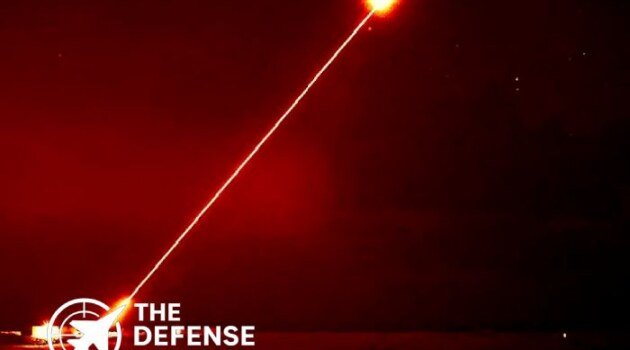
A typical high energy laser counter drone system operates by focusing a beam of energy onto a target, heating and damaging critical components such as sensors, propulsion systems, or structural elements.
Modern systems are increasingly integrated with advanced tracking and targeting sensors, allowing them to engage small, fast moving drones with high precision. The ability to scale power output also allows operators to tailor the level of force applied, from disabling electronics to causing structural failure.
In a domestic context, these systems are likely to be deployed in layered defense architectures. They could complement radar networks, electronic warfare systems, and conventional interceptors, forming part of a broader counter UAV ecosystem.
Strategic Implications For Homeland Defense
The clearance of the high energy laser counter drone system highlights a broader trend in US defense strategy. Homeland security is no longer limited to traditional threats such as aircraft or missiles. Instead, it now includes a wide spectrum of low cost, asymmetric aerial systems.
This shift mirrors developments observed in recent conflicts, where drones have demonstrated their effectiveness in surveillance, strike missions, and electronic warfare roles. The widespread availability of commercial drones further complicates the threat landscape, blurring the line between civilian and military use.
By enabling laser based countermeasures within US airspace, policymakers are effectively acknowledging that future threats may emerge closer to home and require rapid, scalable responses.
Industry And Defense Ecosystem Impact
The approval is also likely to accelerate investment in directed energy technologies across the US defense industry. Companies developing laser systems, power generation units, and advanced targeting solutions stand to benefit from expanded procurement opportunities.
In recent years, the US Department of Defense has increased funding for directed energy programs, including high energy lasers for ground vehicles, naval platforms, and airborne systems. The move toward domestic deployment could further drive innovation, particularly in areas such as:
- Power efficiency and thermal management
- Beam control and atmospheric compensation
- Integration with civilian air traffic systems
As these technologies mature, they may also find applications beyond military use, including law enforcement and critical infrastructure protection.
Challenges And Limitations
Despite its promise, the high energy laser counter drone system is not without limitations. Environmental factors such as weather, dust, and atmospheric conditions can affect beam quality and engagement range.
Additionally, line of sight requirements mean that obstacles or terrain can limit effectiveness in certain environments. Adversaries may also adapt by developing drones with reflective coatings, hardened components, or swarm tactics designed to overwhelm defenses.
These challenges underscore the need for a layered approach, where laser systems complement rather than replace existing counter drone measures.
Outlook
The clearance of the high energy laser counter drone system for domestic airspace defense marks a notable step in the evolution of US counter UAV capabilities. It reflects both technological progress and a changing threat environment that increasingly prioritizes protection against small, agile aerial systems.
As deployment begins, the effectiveness of these systems in real world conditions will likely shape future procurement decisions and regulatory frameworks. If successful, directed energy could become a cornerstone of both military and homeland air defense strategies in the years ahead.
¦ KEY FACTS AT A GLANCE- DragonFire laser weapon is scheduled for Royal Navy deployment on a Type 45 destroyer in 2027.
- System developed by MBDA UK, Leonardo UK, QinetiQ, and DSTL under a national program.
- Designed to counter drones, mortar rounds, and other aerial threats using a high energy laser.
- Two major firing trials completed in 2025 support transition toward operational readiness.
- Represents one of Europe’s earliest naval directed energy weapon deployments.
Royal Navy DragonFire Laser Weapon Advances Toward 2027 Deployment
The Royal Navy DragonFire laser weapon is progressing toward operational deployment in 2027 aboard a Type 45 destroyer, marking a key milestone in the United Kingdom’s directed energy program. The system has completed multiple firing trials and is now transitioning from experimental validation to integration on a frontline warship.
The Ministry of Defence has reiterated that the program remains on track, with contracts awarded and system development continuing under an established timeline rather than a newly accelerated schedule.
The Big Picture
Naval forces worldwide are adapting to a changing threat environment shaped by the rapid growth of unmanned systems and low cost precision weapons. Drones, loitering munitions, and saturation attacks are increasingly challenging traditional shipborne defenses.
Directed energy weapons such as the DragonFire laser represent a shift toward scalable, cost efficient interception methods. Instead of relying solely on missile based defenses, navies are exploring layered systems that combine kinetic interceptors with high energy lasers.
For NATO members, this capability contributes to broader modernization goals focused on resilience, cost control, and sustained operations in contested maritime environments.
What’s Happening
The UK government confirmed that DragonFire remains on course for Royal Navy deployment in 2027 following a written parliamentary response from Defence Minister Lord Coaker. The statement emphasized continued commitment to development, testing, production, and integration of the system.
A contract for the first two DragonFire systems was awarded to MBDA UK in November 2025. The initial installation is planned for a Type 45 destroyer, a class already central to the Royal Navy’s air defense role.
Two major firing trials conducted in 2025 demonstrated the system’s ability to track and engage aerial targets. The trials took place at established UK test ranges, supporting confidence in the transition toward operational use.
DragonFire is developed by a consortium including MBDA UK, Leonardo UK, QinetiQ, and the Defence Science and Technology Laboratory, reflecting a multi industry approach to directed energy development.
Why It Matters
The DragonFire laser weapon introduces a fundamentally different engagement model compared to conventional naval interceptors. It uses a high energy laser in the 50 kilowatt class to engage targets at the speed of light, enabling rapid response against fast moving threats.
The system’s reported low cost per shot, estimated at around £10, significantly reduces the economic burden of defending against inexpensive threats such as drones or mortar rounds. This cost advantage is particularly relevant in scenarios involving repeated or massed attacks.
From an operational standpoint, the ability to engage multiple targets without expending physical munitions enhances a ship’s endurance during extended missions. This is especially important for deployed naval forces operating far from resupply lines.
The Royal Navy DragonFire laser also represents a step toward integrating directed energy into layered defense architectures, complementing existing missile and gun systems.
Strategic Implications
The introduction of the DragonFire system strengthens the Royal Navy’s defensive posture by adding a new engagement layer against aerial threats. It improves the survivability of high value naval assets such as destroyers and aircraft carriers.
As a directed energy system, it may reduce reliance on stored missile inventories during high tempo operations. This has implications for logistics planning and sustained naval presence in contested regions.
For NATO, the deployment supports collective defense objectives by contributing to shared technological advancement. It may also inform future allied programs focused on integrating laser weapons into multi domain operations.
At the strategic level, the system enhances deterrence by complicating adversary planning. Potential opponents must now account for an additional defensive layer capable of neutralizing certain classes of threats at low cost.
Competitor View
China has publicly demonstrated ship mounted laser technologies and continues to expand its directed energy research across naval and ground platforms. The United Kingdom’s deployment of DragonFire aligns with broader global competition in this domain.
Russia has also explored laser based systems, though operational deployment on naval platforms appears less mature. Both countries are likely monitoring Western progress in integrating such systems into frontline fleets.
Regional actors with access to low cost unmanned systems may reassess their tactics in light of the increasing availability of laser based defenses. Saturation strategies could evolve to account for both kinetic and directed energy intercept layers.
What To Watch Next
The next key milestone is the integration of DragonFire onto a Type 45 destroyer, scheduled for 2027. This will mark the system’s transition from testing environments to operational naval service.
Future developments may include expanded trials at sea, evaluation under varied environmental conditions, and potential upgrades in power output or tracking capabilities.
Additional procurement decisions could follow depending on performance outcomes, with possible expansion across multiple vessels in the Royal Navy fleet.
Capability Gap
The Royal Navy DragonFire laser addresses a growing gap in defending against low cost, high volume aerial threats. Conventional missile systems remain effective but are not optimized for sustained engagements against swarms or repeated attacks.
Laser weapons provide a complementary solution, but they are not without limitations. Their effectiveness depends on line of sight and can be reduced by adverse weather conditions such as fog, rain, or atmospheric distortion.
Power generation and thermal management also impose constraints on sustained firing rates. These factors require careful integration with ship systems to ensure consistent performance during operations.
The Bottom Line
The DragonFire laser weapon’s planned deployment marks a measured but significant step in integrating directed energy into Royal Navy surface combatant operations.
KEY FACTS AT A GLANCE- U.S. Army redirects its laser air defense effort to a Navy-led program.
- Directed energy systems will support the Navy’s Golden Dome architecture.
- Move reflects Pentagon push for integrated, layered missile defense.
- Focus shifts toward countering drones and low-altitude threats.
- Consolidation aims to accelerate deployment and reduce duplication.
U.S. Army Laser Defense Program Shift Signals New Phase In Integrated Air Defense
The U.S. Army laser defense program has been redirected to support the U.S. Navy’s Golden Dome initiative, marking a significant step toward a unified, layered air and missile defense architecture.
This decision reflects a broader Pentagon effort to streamline directed energy development and integrate capabilities across services, according to reporting from Army Recognition and official defense sources.
The Big Picture
The U.S. military is accelerating efforts to field layered air and missile defense systems capable of countering increasingly complex threats, including drones, cruise missiles, and loitering munitions.
Directed energy weapons, particularly high-energy lasers, are central to this strategy. They offer a low cost per shot, deep magazines, and rapid engagement speeds compared to traditional interceptors.
The Golden Dome concept represents a multi-layered defensive architecture designed to integrate sensors, interceptors, and emerging technologies across domains. Aligning Army and Navy laser efforts under this framework suggests a shift from service-specific programs toward joint operational capability.
What’s Happening
The U.S. Army has redirected its laser-based air defense efforts to align with a U.S. Navy program tied to the Golden Dome initiative.
The move effectively transfers responsibility for certain directed energy developments from the Army to the Navy, with the goal of integrating these capabilities into a broader naval-led air and missile defense system.
The decision comes as the Pentagon seeks to avoid duplication across services and accelerate the deployment of operational laser systems.
The focus remains on countering low-altitude aerial threats such as drones and loitering munitions, which have proven highly disruptive in recent conflicts.
Why It Matters
This shift highlights a growing recognition that future air defense systems must operate as integrated networks rather than isolated platforms.
Laser weapons are particularly well suited for countering drone swarms and low-cost threats that can overwhelm traditional missile defenses. By consolidating development under a unified architecture, the Pentagon aims to improve interoperability and reduce logistical complexity.
The move also reflects budget realities. Directed energy programs have historically faced funding challenges and technical hurdles. Combining efforts may improve efficiency and accelerate progress toward operational deployment.
Strategic Implications
The integration of the U.S. Army laser defense program into the Navy’s Golden Dome initiative strengthens the U.S. military’s ability to build a layered defense against evolving threats.
A unified system enhances situational awareness and enables faster decision-making across domains, from land to sea.
This approach also supports distributed operations, a key concept in modern U.S. military doctrine, where forces operate across wide geographic areas while remaining connected through integrated networks.
Over time, this could improve deterrence by demonstrating the ability to counter massed, low-cost attacks that adversaries increasingly rely on.
Competitor View
China and Russia are closely watching U.S. progress in directed energy and integrated air defense.
China has invested heavily in counter-drone systems and laser technologies, viewing them as critical for both homeland defense and expeditionary operations.
Russia, drawing lessons from conflicts involving drone saturation, is likely to interpret this move as part of a broader U.S. effort to neutralize asymmetric aerial threats.
Both countries may accelerate their own directed energy programs in response, particularly in areas related to power generation, beam control, and operational deployment.
What To Watch Next
Key developments to monitor include:
- Integration milestones within the Golden Dome architecture
- Field testing of laser systems in operational environments
- Procurement decisions and funding allocations
- Deployment timelines for initial operational capability
The pace of integration will be a critical indicator of whether the consolidation delivers the intended benefits.
Capability Gap
The U.S. Army laser defense program aims to address a clear operational gap: the need for cost-effective defenses against large numbers of low-cost aerial threats.
Traditional missile systems are expensive and limited in magazine depth, making them less effective against drone swarms.
However, laser systems still face limitations, including power generation, atmospheric interference, and range constraints. These factors could affect performance in contested or adverse environments.
Despite these challenges, integrating laser systems into a broader defensive network increases their overall effectiveness.
The Bottom Line
The redirection of the U.S. Army laser defense program to the Navy’s Golden Dome initiative signals a decisive shift toward integrated, multi-domain air defense built around emerging directed energy capabilities.
KEY FACTS AT A GLANCE- China unveiled two new laser weapons designed to counter drones and loitering munitions.
- Systems focus on low altitude threats with rapid engagement and low cost per shot.
- Development reflects growing global emphasis on counter UAV and directed energy defenses.
- Systems appear optimized for mobile deployment and point defense missions.
- Directed energy weapons are becoming central to modern layered air defense strategies.
China Laser Weapons Target Drones And Loitering Munitions
China laser weapons targeting drones and loitering munitions mark a significant step in Beijing’s push to field next generation air defense systems. Chinese defense industry sources revealed two new directed energy platforms designed to neutralize low altitude aerial threats with precision and speed.
The systems focus on countering small unmanned aerial systems and loitering munitions, threats that have reshaped modern battlefields from Eastern Europe to the Middle East.
The Big Picture
Directed energy weapons have moved from experimental programs to operational priorities across major military powers. The United States, China, and several NATO members are investing heavily in laser based air defense to counter the rapid proliferation of drones.
Small UAVs and loitering munitions present a unique challenge. They are cheap, difficult to detect, and can overwhelm traditional air defense systems through saturation tactics. Conventional interceptors often cost far more than the targets they destroy, creating an unfavorable cost exchange ratio.
China’s latest laser systems reflect a broader shift toward scalable, cost effective defenses that can operate in high threat environments without relying solely on missiles.
What’s Happening
Chinese developers introduced two laser weapon systems designed specifically for low altitude air defense missions. These systems are intended to detect, track, and engage drones and loitering munitions in real time.
The platforms appear to be mobile, suggesting deployment with ground forces or for point defense of critical infrastructure. Their primary role is to intercept slow moving, low flying targets that may evade radar or traditional air defense coverage.
Laser weapons offer several operational advantages. They engage targets at the speed of light, provide deep magazines limited mainly by power supply, and significantly reduce per shot costs compared to missile interceptors.
The unveiling highlights China’s continued investment in directed energy technology as part of its broader military modernization strategy.
Why It Matters
China laser weapons targeting drones address one of the most pressing operational challenges facing modern militaries. Drone warfare has evolved rapidly, with even non state actors deploying swarms of low cost systems.
Traditional air defense networks struggle to keep pace with the volume and diversity of these threats. Missile based systems remain effective but are not economically sustainable for large scale drone engagements.
Laser systems change that equation. They allow forces to engage multiple targets quickly and at minimal cost, making them ideal for counter swarm scenarios.
This development also signals that directed energy is no longer a niche capability. It is becoming a core element of integrated air and missile defense architectures.
Strategic Implications
China’s investment in laser weapons strengthens its ability to defend forward deployed forces and critical assets. These systems could enhance protection for air bases, logistics hubs, and command centers.
In a regional context, this capability supports China’s anti access and area denial strategy. By improving defenses against drones and precision guided munitions, Beijing can complicate adversary strike planning.
The systems may also play a role in protecting naval assets and expeditionary forces, especially in contested environments such as the South China Sea.
More broadly, the deployment of operational laser weapons contributes to a shift in the balance of air defense technologies. Countries that integrate directed energy effectively will gain an advantage in countering emerging aerial threats.
Competitor View
The United States has pursued similar capabilities through programs led by the US Army and Navy, including high energy laser systems for short range air defense. China’s progress will likely reinforce Washington’s focus on accelerating deployment timelines and scaling production.
Russia has also explored directed energy weapons, though its operational deployment remains less clear. Meanwhile, regional actors in Asia may view China’s advancements as part of a broader effort to modernize its layered defense network.
For U.S. allies in the Indo Pacific, this development underscores the need to invest in counter drone technologies and integrate them into existing air defense systems.
What To Watch Next
Future testing and operational deployment will determine the effectiveness of these systems under real combat conditions. Key indicators include integration with radar and command systems, power generation capabilities, and performance in adverse weather.
Procurement and deployment timelines will also provide insight into how quickly China intends to field these systems at scale.
Export potential could become another factor, as China may market lower cost laser systems to partner nations seeking counter drone solutions.
Capability Gap
China laser weapons targeting drones aim to close a critical gap in short range air defense. Traditional systems struggle against low signature, low altitude threats, especially in large numbers.
However, laser weapons still face limitations. Their effectiveness can degrade in poor weather conditions such as fog, rain, or dust. Power generation and thermal management also remain key challenges for sustained operations.
Despite these constraints, lasers offer a complementary layer rather than a replacement for missile based defenses.
The Bottom Line
China’s new laser weapons signal a decisive move toward cost effective, high speed counter drone defense as directed energy becomes central to modern warfare.
Israel Missile Defense Systems Explained, How Lasers Missiles and Radar Protect Against Iran Threats
Israel Missile Defense Systems Face Growing Iran Threat
Israel missile defense systems are once again under global focus as tensions with Iran remain high across the Middle East. Iranian ballistic missiles cruise missiles and long range drones present a complex and evolving threat. To counter this risk Israel has built one of the worlds most advanced multi layer air and missile defense networks combining radar interceptors and emerging laser weapons.
The system is designed to detect track and destroy incoming threats at different ranges and altitudes. This layered approach gives Israeli decision makers multiple chances to intercept an attack before it reaches population centers or critical military infrastructure.
Recent analysis by international media has highlighted how Israel would respond if attacked by Iran using missiles and drones. According to reporting by WION News Israels defensive shield relies on a combination of early warning radar interceptor missiles and directed energy weapons to blunt large scale strikes.
A Layered Missile Defense Architecture
Early Warning and Radar Networks
At the core of Israel missile defense systems is an extensive radar and sensor network. Long range radars such as the Green Pine system detect ballistic missile launches hundreds of kilometers away. These sensors provide early warning data to command centers allowing rapid engagement decisions.
Radar data is fused with intelligence inputs and satellite tracking to build a real time picture of incoming threats. This integration is critical when facing Iranian ballistic missiles that could reach Israel in minutes.
Arrow System for Ballistic Missile Defense
The Arrow interceptor family forms Israels top tier defense against long range ballistic missiles. Arrow Two and Arrow Three are designed to engage threats outside the atmosphere or in the upper atmosphere.
Arrow Three in particular is optimized to destroy ballistic missiles in space reducing the risk of debris falling over populated areas. This capability is considered essential against Iranian medium and intermediate range missiles.
Mid Range Defense with Davids Sling
Davids Sling fills the gap between Arrow and short range systems. It is designed to intercept cruise missiles heavy rockets and some ballistic threats at medium ranges.
The system uses advanced radar seekers and hit to kill technology. Davids Sling adds flexibility to Israel missile defense systems by addressing threats that fall outside the engagement envelope of Iron Dome or Arrow.
Iron Dome and Short Range Protection
Iron Dome remains the most well known component of Israels air defense. It is optimized to intercept short range rockets artillery shells and drones launched from nearby territories.
Iron Dome uses battle management software to determine which incoming projectiles pose a threat to populated areas. Only those threats are intercepted conserving interceptor missiles during sustained attacks.
Lasers as the Next Defensive Layer
Iron Beam Directed Energy Weapon
One of the most significant developments in Israel missile defense systems is the introduction of high energy laser technology. Known publicly as Iron Beam this system is designed to destroy rockets drones and mortars using directed energy.
Lasers offer several advantages. Each engagement costs far less than firing a missile interceptor. They also allow rapid repeat engagements as long as power is available. This is especially important in scenarios involving mass drone or rocket attacks.
Israeli defense officials have stated that laser systems will initially complement missile interceptors rather than replace them. Weather limitations and line of sight constraints mean lasers work best as part of a broader defensive network.
Defending Against Iranian Drones and Cruise Missiles
Iran has invested heavily in long range drones and cruise missiles capable of flying at low altitudes. These weapons are harder to detect and intercept than ballistic missiles.
Israel missile defense systems counter this threat through a mix of radar electro optical sensors and interceptor missiles. Iron Dome Davids Sling and future laser systems are expected to play a major role in neutralizing drone swarms and low flying cruise missiles.
Electronic warfare and cyber capabilities also support air defense operations by disrupting guidance systems and command links.
Strategic Context and Regional Implications
A Deterrence Focused Defense Strategy
Israel views missile defense as a defensive and deterrent tool rather than a substitute for offensive power. By reducing the effectiveness of Iranian missile attacks Israel aims to deny adversaries strategic leverage.
However missile defense is not foolproof. Large scale salvos could overwhelm interceptors. This reality drives Israels emphasis on layered defenses and continuous technological upgrades.
Implications for Regional Security
Israels missile defense systems influence military planning across the Middle East. Gulf states and NATO partners closely study Israels experience with integrated air and missile defense.
The deployment of lasers in particular could reshape future air defense doctrines by lowering costs and improving sustainability during prolonged conflicts.
FAQs
How effective are Israel missile defense systems against Iran?They are designed to intercept a wide range of threats including ballistic missiles drones and rockets but no system offers complete protection.
What is the role of lasers in Israels air defense?Lasers provide low cost rapid engagement against short range threats and complement missile interceptors.
Can Iron Dome stop Iranian ballistic missiles?No Iron Dome is optimized for short range threats Ballistic missiles are handled by Arrow and Davids Sling.
Is Israel the first country to deploy laser air defense?Israel is among the first to operationalize high energy lasers as part of an integrated national defense network.
Rheinmetall MBDA laser weapon systems move toward joint venture
Rheinmetall MBDA laser weapon systems are set to advance as the two companies plan a joint venture focused on the development and production of high energy laser weapons. The move reflects growing European demand for short range air defense and counter drone solutions, according to statements from both firms and reporting by Defence Industry Europe.
The proposed joint venture brings together Rheinmetall’s experience in sensors, fire control, and system integration with MBDA’s background in guided weapons and air defense architectures. Both companies said the effort is aimed at accelerating the industrialization of laser weapon systems for military customers.
What the joint venture will focus on
The planned entity will concentrate on high energy laser weapon systems designed to counter drones, rockets, artillery, and mortar threats. Rheinmetall has already demonstrated laser systems in the 20 to 50 kilowatt class, while MBDA has worked on integrating directed energy weapons into layered air defense concepts.
By combining these capabilities, the companies aim to offer complete systems that can be mounted on ground vehicles or fixed installations. The Rheinmetall MBDA laser weapon systems effort is intended to move beyond demonstrations toward series production.
Why laser weapons matter now
European armed forces are facing a rapid increase in low cost aerial threats, especially small drones and loitering munitions. Laser weapons offer deep magazines, low cost per shot, and reduced logistical burden compared to missile based interceptors.
Rheinmetall MBDA laser weapon systems are positioned as a complement to existing missile and gun based air defense, not a replacement. Defense planners increasingly see directed energy as a key layer in future short range air defense networks.
Industrial and strategic context
The joint venture plan also aligns with broader European efforts to strengthen defense industrial cooperation and reduce reliance on non European suppliers. Germany and France, the home nations of Rheinmetall and MBDA, have both highlighted air defense modernization as a priority.
According to Defence Industry Europe, the companies are now working through regulatory and governance steps required to formally establish the joint venture. No production timeline or customer contracts have been disclosed so far.
What comes next
If approved, the joint venture would allow Rheinmetall MBDA laser weapon systems to be marketed jointly to European and export customers. Initial focus is expected to remain on ground based air defense, with potential expansion to naval applications over time.
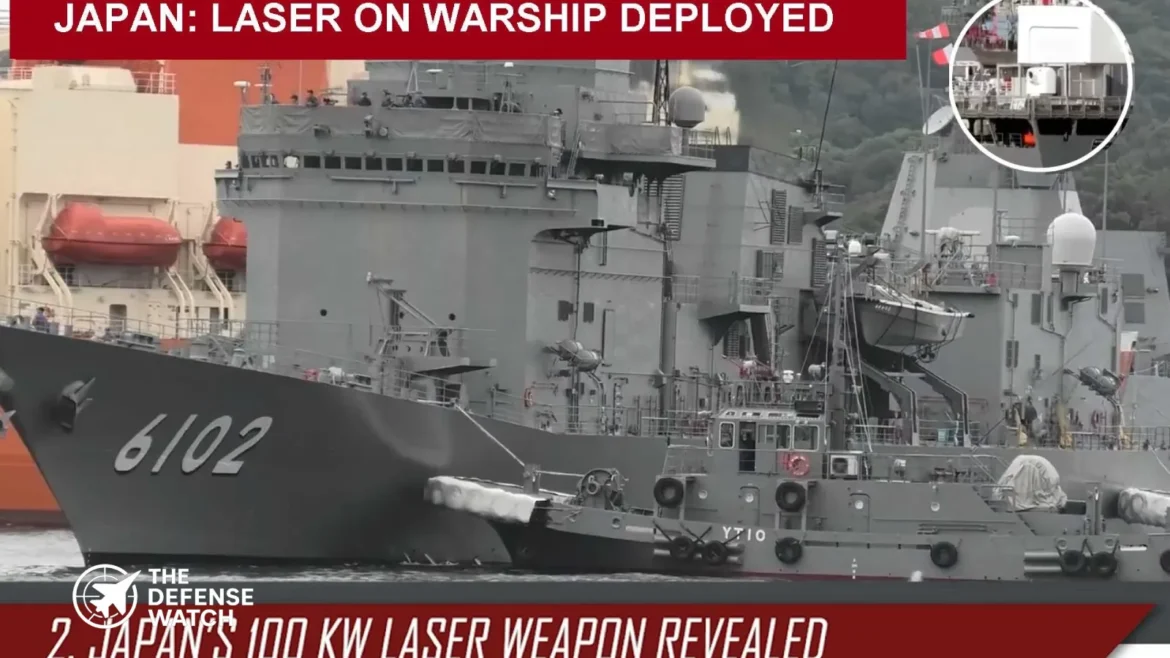
Japan Deploys Laser Weapons on Warships
Japan has officially deployed laser weapons on its naval vessels, joining the United States and the United Kingdom in integrating advanced directed-energy systems into its fleet. This development marks a significant leap in maritime defense, emphasizing the strategic importance of laser weapons in modern naval operations.
The announcement comes as Japan continues to modernize its Self-Defense Forces amid regional security challenges. The deployment reportedly began in 2025, with the Japan Maritime Self-Defense Force (JMSDF) equipping select ships with high-energy laser systems designed to counter drones, small boats, and incoming threats with precision and minimal logistical footprint.
Background on Naval Laser Technology
Directed-energy weapons, such as shipborne lasers, have emerged as a transformative technology for naval defense. These systems deliver precise, speed-of-light engagements against aerial and surface threats, significantly reducing reliance on traditional missile or gun systems.
The United States Navy first operationalized laser systems aboard vessels like the USS Portland and USS Preble. The U.K. followed with trials on its Type 45 destroyers, deploying mid-power laser weapons for defensive purposes. Japan’s entry into this domain demonstrates the growing international adoption of directed-energy technologies.
Naval lasers operate using high-energy beams that can disable or destroy small craft, drones, and other aerial threats. The technology offers advantages in speed, accuracy, and cost per engagement compared with conventional weapons. Experts note that laser systems also allow ships to engage multiple targets in rapid succession without the logistical constraints of missile inventories.
Japanese Deployment Details
According to defense sources, Japan’s initial deployment involves mid-power laser systems mounted on key destroyers and frigates. The systems are reportedly capable of tracking multiple targets simultaneously and engaging threats at ranges sufficient to protect the vessel and its immediate operational area.
While official specifications remain classified, JMSDF statements indicate that the laser weapons have been successfully tested against unmanned aerial systems and small surface targets during trials conducted in Japanese territorial waters. The deployment is expected to expand gradually as the technology is integrated into additional vessels and fleet operations are adjusted to leverage the new capabilities.
Expert and Policy Perspective
Analysts highlight that Japan’s move aligns with broader regional security concerns, particularly the rise of drone swarms, fast attack craft, and missile threats in East Asia. By adopting directed-energy weapons, Japan strengthens its defensive posture while keeping pace with allied navies in terms of technological capability.
A naval defense analyst commented that “Japan’s integration of laser systems underscores the shift toward cost-effective, rapid-response solutions for ship protection. It also signals a commitment to interoperability with U.S. and U.K. forces, which increasingly rely on similar technologies.”
Implications and Future Prospects
The integration of laser weapons enhances the JMSDF’s operational flexibility, particularly in littoral zones and congested maritime environments. Experts anticipate that Japan will continue to invest in higher-power laser systems capable of countering larger threats, including missiles, as technology matures.
This deployment also contributes to the broader global trend of modernizing naval forces through directed-energy systems. Japan, by joining the U.S. and U.K., signals a shift in naval strategy that emphasizes technological superiority and precision defense.
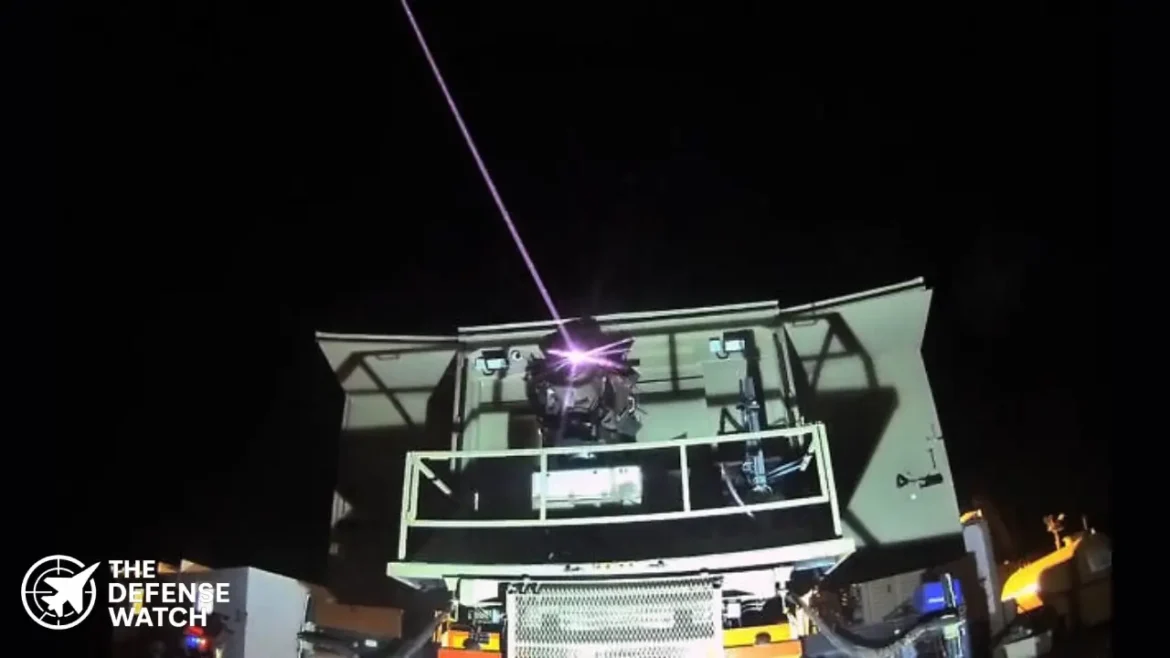
The Israel Defense Forces (IDF) are preparing to receive the Iron Beam laser interceptor system by the end of this month, a key step in advancing the nation’s multi-layered missile defense strategy. The system, developed by Israel Aerospace Industries (IAI), is expected to strengthen Israel’s capability to counter short-range rockets, mortars, and unmanned aerial threats.
Background: The Iron Beam Program
The Iron Beam is a directed-energy air defense system designed to complement Israel’s existing Iron Dome, David’s Sling, and Arrow missile networks. Utilizing high-energy laser technology, it can intercept incoming projectiles at lower altitudes, offering a cost-effective alternative to conventional interceptor missiles. The system has been under development for nearly a decade, with extensive testing demonstrating its potential for precise, rapid-response defense against saturation attacks.
According to IAI, the laser operates in the tens of kilowatts range and is capable of targeting threats at distances up to several kilometers. Unlike traditional interceptors, the Iron Beam does not rely on explosive warheads, significantly reducing collateral damage and operational costs.
Deployment Details and Capabilities
The upcoming deployment marks the first operational rollout of the Iron Beam within IDF units. Israeli defense officials confirm that the system will initially be stationed in high-risk areas prone to short-range rocket fire. While exact locations remain classified, the deployment aligns with Israel’s ongoing efforts to secure its southern and northern borders.
A senior IDF official stated, “Iron Beam adds a crucial layer to our missile defense architecture, providing rapid and precise interception against a wide range of aerial threats.” The system has already undergone multiple live-fire exercises, successfully neutralizing drone targets and short-range rockets.
The Iron Beam’s deployment will be integrated with the IDF’s existing command-and-control infrastructure, allowing seamless coordination with radar networks and other missile defense layers. This integration ensures early threat detection, target tracking, and automated interception, reducing response times significantly.
Strategic and Operational Impact
Analysts highlight that the operational deployment of laser-based interceptors represents a shift in modern air defense philosophy. While traditional missile interceptors remain effective, high-energy lasers provide virtually unlimited “shots” as long as power supply is maintained, reducing reliance on expensive missile stockpiles.
Moreover, the Iron Beam enhances Israel’s defensive posture amid regional instability and growing drone proliferation. The system’s ability to counter swarm attacks is particularly relevant given recent trends in the use of unmanned aerial systems by non-state actors.
Defense experts note that while laser systems have limitations, including weather sensitivity and range constraints, the Iron Beam’s deployment signals Israel’s commitment to maintaining a technological edge in air defense.
Looking Ahead
With the Iron Beam set to become operational by the end of the month, the IDF joins a select group of militaries worldwide exploring directed-energy solutions for missile defense. Continuous testing and eventual full-scale deployment are expected to further refine the system’s capabilities, ensuring reliable protection against a broad spectrum of aerial threats.
The coming months will provide insight into how the Iron Beam complements Israel’s broader missile defense ecosystem and its effectiveness under operational conditions.
Pentagon’s Laser Weapons Hit a Strategic Inflection Point
U.S. military laser weapons—or technically, directed energy weapons (DEW)—are no longer confined to lab demonstrations. According to a recent analysis by National Security Journal, the Pentagon’s laser programs are now entering an operational phase on multiple fronts, marking a turning point in the long-running effort to field high-energy laser systems.
From Experimentation to Deployment
More than a decade after its first test aboard the USS Ponce, the U.S. Navy, Army, and Air Force are deploying laser weapons on a variety of platforms, from warships to light tactical vehicles. The shift reflects growing confidence in directed energy’s ability to deliver “deep magazines” — unlimited shots as long as electrical power is available — and cost-effective responses to emerging threats like small drones.
Key Systems Taking Shape
- HELIOS (High-Energy Laser with Integrated Optical-dazzler and Surveillance): Developed by Lockheed Martin, this ~60 kW laser is mounted on the U.S. Navy’s Arleigh Burke–class destroyer USS Preble. HELIOS can engage small drones, fast-attack boats, and other light threats, while also acting as a sensor to “dazzle” or blind adversary optics.
- Army High-Energy Lasers on Ground Vehicles: The Army is integrating directed energy on its Stryker Combat Vehicles, Heavy Expanded Mobility Tactical Trucks (HEMTTs), Infantry Squad Vehicles (ISVs), and Joint Light Tactical Vehicles (JLTVs). Specifically, the Army has awarded contracts for its Multi-Purpose High-Energy Laser (AMP-HEL) to arm ISVs and JLTVs.
- Airborne Laser Prospects: The Air Force Research Laboratory (AFRL) has tested concepts for fighter-mounted lasers—including in pods compatible with F-35, F-22, or next generation “F-47/NGAD” platforms.
Why This Is a Turning Point
According to National Security Journal, laser weapons are gaining traction for several strategic reasons:
- Speed and Precision: Lasers operate at the speed of light, enabling near-instant engagement of threats once targeting is locked.
- Scalability: Power output can be adjusted—lasers can “dazzle” (non-lethal) or destroy, depending on rules of engagement and target type.
- Deep Magazine: Since these weapons rely on electrical energy rather than kinetic ammunition, they can provide a virtually unlimited number of shots if the power supply is sustained.
- Cost Efficiency: The cost per “shot” is very low — a few cents to a few dollars for a laser, compared to expensive interceptor missiles.
These benefits are especially attractive in counter-drone operations, where traditional interceptors may be too slow, costly, or limited in stock.
Challenges and Technical Hurdles
Even as operations ramp up, several technical and operational challenges remain:
- Power and Miniaturization: One of the biggest hurdles is engineering power sources compact and efficient enough to support laser systems on small, mobile platforms.
- Beam Quality: Atmospheric effects like thermal “blooming” and beam coherence must be managed, particularly for mobile or airborne platforms.
- Transition to Production: According to a U.S. Government Accountability Office (GAO) report, the Department of Defense still struggles with turning prototypes into full-scale acquisition programs.
- Industrial Base: Industry leaders warn that a robust supply chain for specialty optics, diodes, and rare materials (e.g., germanium, gallium) is critical but underdeveloped.
Expert Views and Future Trajectory
Defense experts observe that the Pentagon’s recent momentum reflects more than just technical maturity — it also shows a shift in strategy. For instance, Keith Krapels, head of the Army Space & Missile Defense Command Technical Center, told a symposium in 2025 that “laser directed energy … is pretty mature … we just need to pull it across the finish line.”
On the other hand, industry voices emphasize the need for consistent commitment. A recent DefenseNews study highlighted that past wavering support from the Pentagon has hurt supplier confidence and slowed fielding.
What’s Next
- Army Acquisition Plans: The Rapid Capabilities and Critical Technologies Office (RCCTO) is eyeing a new “Enduring High Energy Laser” program, with potential acquisition starting as early as FY 2026.
- Naval Expansion: The Navy may expand the deployment of HELIOS or follow-on laser systems to more surface combatants if testing proceeds successfully.
- Broader Use Cases: Beyond counter-drone roles, these directed-energy weapons could be adapted to missile defense, electronic warfare, and other mission sets — depending on future technological gains and funding.
- Workforce & Supply Chain: Building a stable industrial base—skilled engineers and secure materials supply—is likely to become a top priority if laser weapons are to move beyond prototypes.
The Pentagon’s laser weapons portfolio appears to have crossed a major threshold: from being confined largely to demonstration and testing, to becoming an operational capability across multiple military domains. If sustained, this could represent a paradigm shift in how the U.S. military defends against drones, fast-attack craft, and potentially even future missile threats.
The U.S. Navy recently demonstrated a significant milestone in its directed energy weapons (DEW) program, using a ship-mounted laser system to engage an aerial drone. Meanwhile, the Navy has also awarded a contract for a new, modular high-power laser initiative called “Songbow.” These developments reflect renewed momentum in deploying directed energy lasers on naval surface combatants as a supplement or potential alternative to conventional missile defenses.
HELIOS Laser System Scores First Drone Engagement
What the Test Accomplished
According to the Office of the Director, Operational Test & Evaluation (DOT&E), a recent fiscal year 2024 test aboard the USS Preble (DDG-88) validated the HELIOS (High Energy Laser with Integrated Optical Dazzler and Surveillance) system against an unmanned aerial vehicle. The Center for Countermeasures collected imagery to analyze system performance and confirm the engagement.
Though the published report did not specify the exact timing or location of the test, the Preble had departed San Diego in late 2024 and joined its forward-deployed squadron in Yokosuka in early October. A black-and-white image in the DOT&E report shows a streak of light emanating from the ship’s deck into the sky — the HELIOS laser in action.
HELIOS in the Navy’s Laser Portfolio
HELIOS is part of the Surface Navy Laser Weapon System Increment 1 (SNLWS Increment 1) and is integrated with the Aegis combat system, enabling it to target, track, and engage threats using existing ship sensors and fire control. The system is built with modular fiber lasers and spectral beam combining, operated nominally at 60 kW with potential scaling toward 120 kW.
Other laser systems in the Navy’s R&D portfolio include ODIN (Optical Dazzling Interdictor, Navy) — a dazzler capability already installed on multiple Arleigh Burke destroyers — and the now-concluded SSL-TM (Solid State Laser Technology Maturation) program. The Navy’s longer-term ambition is HELCAP (High Energy Laser Counter Anti-Ship Cruise Missile), aiming for a 300+ kW class laser for missile defense applications.
The HELSI (High Energy Laser Scaling Initiative) effort, managed at the Department of Defense level, intends to accelerate scaling, power efficiency, and beam quality improvements across services.
Songbow: New Contract for Fiber Laser Scaling
Project Overview
On June 10, 2025, the Navy awarded Coherent Aerospace & Defense nearly $30 million to develop the Songbow laser project. Songbow is tasked with advancing pulsed fiber lasers, wavefront control, and beam combination to realize a system targeting 400 kW, built via integration of multiple 50 kW modules. The contract includes a 20-month base plus optional follow-on periods, with completion targeted by January 2027.
Strategic Rationale
Shipboard missile defense is stretching conventional interceptors to limits, especially in contested littoral areas where saturation attacks and drone swarms are expected. In operations in the Red Sea and Gulf of Aden since late 2023, U.S. Navy vessels expended dozens of expensive missiles to counter drones and missiles — some costing millions per shot. A laser that can engage threats at a fraction of the cost per shot is attractive if the technical hurdles (power, cooling, beam control, pointing stability) can be overcome.
Songbow is part of a broader effort to diversify the Navy’s directed energy portfolio beyond HELIOS and to lay groundwork for future 100 kW+ and even 300–400 kW lasers.
Benefits, Challenges, and the Road Ahead
Why Directed Energy Weapons Matter
- Cost per shot: Lasers use electricity, not consumable rounds, so the operational “ammo” is far cheaper than missiles.
- Deep magazine: As long as power is available, a ship does not “run out” of shots in the same way it might exhaust missile stocks.
- Speed-of-light engagement: Directed energy engages at the speed of light, with minimal time of flight delay.
- Precision & scalability: Lasers can be tuned for hard kills (heating, structural damage) or soft kills (sensor dazzling) depending on the target.
Persistent Technical and Operational Hurdles
- Power & cooling: High-power lasers demand substantial electrical generation and heat dissipation capacity, often taxing shipboard power systems.
- Beam control & atmospheric effects: Turbulence, aerosols, humidity, and particulates degrade beam quality over distance.
- Pointing stability: Maintaining precise aim on fast-moving, small targets over long distances is nontrivial.
- Integration & survivability: Lasers must cohabit with other systems (radars, missiles, EW), survive shock and vibration, and demonstrate reliability in maritime environments.
The Congressional Research Service (CRS) has repeatedly flagged these issues, questioning whether ship designs have the margin (in terms of weight, volume, power) to integrate high-energy lasers sustainably.
Future Trajectory
In the near term, the Navy is likely to continue incremental evaluations of HELIOS, field installations on additional DDGs, and iterative testing against swarms of drones and small craft. HELCAP and Songbow are key bets for scaling to heavier engagements against anti-ship cruise missiles.
Looking toward the next-generation surface combatant DDG(X), conceptual renders already envision built-in electrical and structural capacity for future directed energy weapons — potentially in the 150 to 600 kW class. In that sense, current laser R&D is not just an add-on but a pathfinder for future ship design.
Analysis & Strategic Implications
The HELIOS drone engagement test confirms that the U.S. Navy is steadily moving from laboratory prototypes toward operational validation of laser weapons. However, its significance is as much symbolic as technical: it demonstrates to adversaries and Congress that directed energy is not just hype but a plausible emerging capability.
With the launch of Songbow, the Navy is hedging across multiple technologies — fiber lasers, beam combining, modular scaling — to avoid overreliance on a single approach. That pluralism could be prudent in a fast-moving technological domain. The real test will come in contested environments (e.g. littorals, near-peer adversary zones) where atmospheric interference, countermeasures, and operational stressors expose the full spectrum of weaknesses.
Ultimately, if lasers prove reliable and economical, they may transform naval defense doctrine, pushing the boundary of what ships can defend against, especially in unmanned and missile-rich threat environments. But adoption will remain cautious until performance, integration, and cost metrics are met over time.
FAQs
What is HELIOS and how powerful is it?HELIOS (High Energy Laser with Integrated Optical Dazzler and Surveillance) is a 60 kW class modular fiber laser system developed by Lockheed Martin and integrated with Aegis-equipped surface warships. It can perform both hard-kill (damage target structure) and soft-kill (optical dazzling) functions.
Has HELIOS been deployed operationally?As of now, HELIOS has undergone developmental testing from USS Preble, but it is not yet a fully operational, combat-deployed system. The 2024 test was one of its first real-world threat engagements.
What is the Songbow laser program?Songbow is a Navy initiative awarded in 2025 to Coherent Aerospace & Defense to develop modular pulsed fiber lasers, beam combining, and control, with the objective of scaling toward a 400 kW system.
Can these lasers replace missile defenses?Not immediately. Directed energy weapons are currently viewed as complementary to, rather than replacements for, missile interceptors. They may relieve pressure on missile inventories and provide layered defense, but performance and reliability in contested, complex environments remain to be proven.
What challenges remain before lasers become widespread on warships?Key challenges include provision of sufficient onboard power and cooling, mitigating atmospheric beam degradation, ensuring pointing accuracy and stability, and surviving harsh maritime environments. Integration and cost trade-offs are also significant.
Newer Posts