U.S. Missile Defense Production Enters A New Expansion Phase
The U.S. missile defense production base is set for another major expansion after the Department of War announced seven-year framework agreements with General Dynamics Ordnance and Tactical Systems and Lockheed Martin to increase output supporting the Patriot PAC-3 Missile Segment Enhancement and Terminal High Altitude Area Defense programs. The Aug. 31 announcement sets production objectives of tripling PAC-3 MSE capacity and quadrupling THAAD capacity.
Takeaways
The U.S. Department of War is using seven-year procurement agreements to expand the industrial capacity supporting PAC-3 MSE and THAAD interceptors.
The agreements are part of a broader effort to expand domestic missile interceptor manufacturing rather than relying only on increases at prime contractor final assembly facilities. The Department of War said the new arrangements will also accelerate production of specialized components and provide suppliers with longer-term demand visibility.
The move follows several major procurement and industrial-base actions involving Lockheed Martin and suppliers across the PAC-3 MSE and THAAD supply chains during 2026.
What The New Agreements Cover
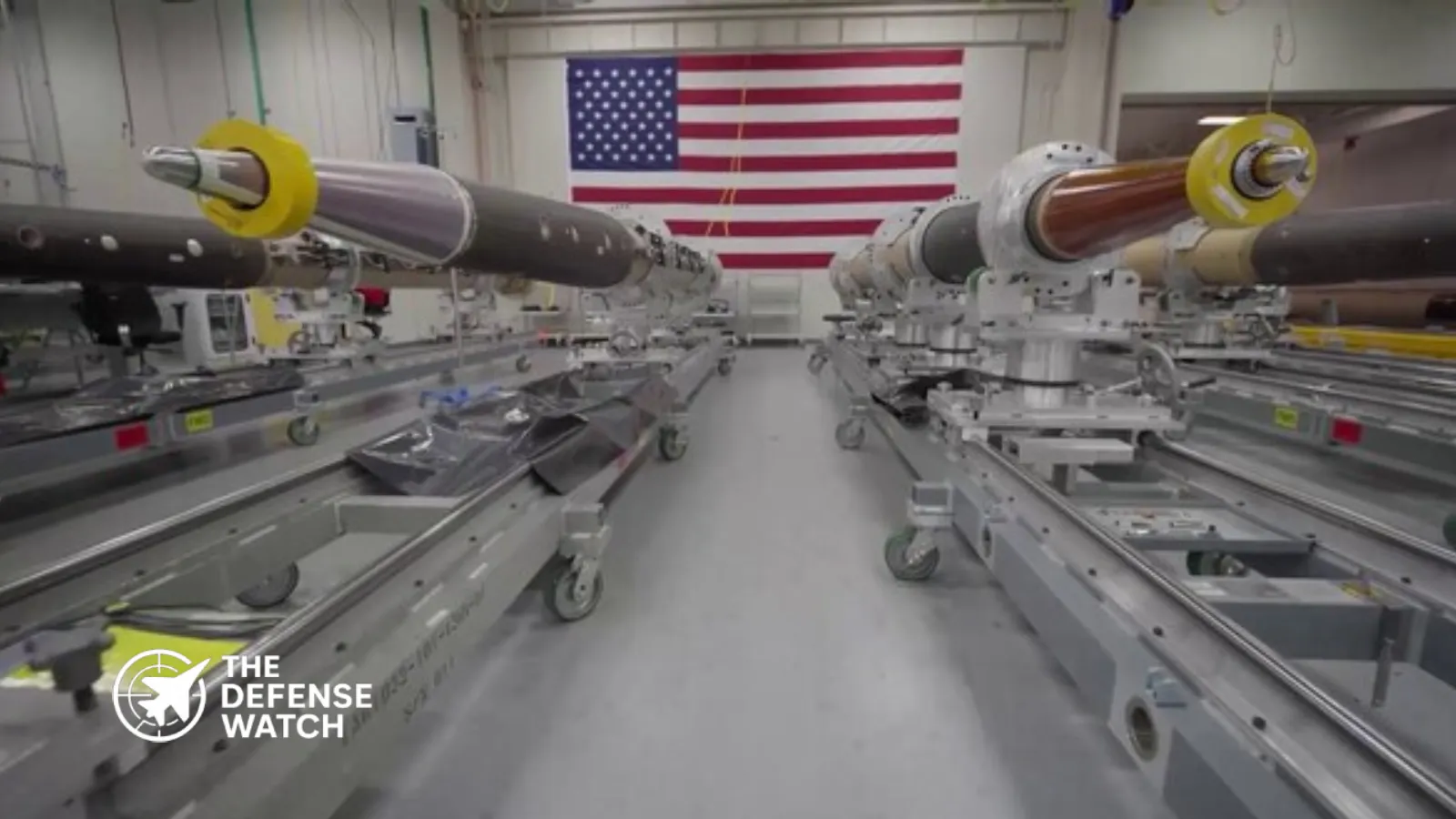
The Department of War said General Dynamics will support a rapid increase in specialized interceptor component production. The targeted components include motor cases, seeker housings and midsections, and shroud deployment systems.
These components are important because interceptor production is dependent on multiple manufacturing stages and supplier networks. Increasing final assembly capacity without expanding constrained upstream components can create bottlenecks that limit the number of completed missiles delivered to the military.
The latest framework therefore represents a supply-chain approach to missile production. The department said the agreements are intended to allow General Dynamics and lower-tier suppliers to invest in additional workers, bulk material purchases and facility upgrades based on more predictable demand.
Program Production Objective Key Industrial Focus PAC-3 MSE Triple production capacity Interceptor output and critical components THAAD Quadruple production capacity Interceptor output and supporting components PAC-3 MSE components Expanded production Motor cases, seeker housings and midsections THAAD components Expanded production Motor cases, seeker housings and deployment systems Procurement period Seven years Long-term industrial planning The Department of War also emphasized that the agreements do not remove the need for congressional appropriations. Funding remains subject to annual appropriations, while the framework provides industry with longer-term procurement expectations.
PAC-3 MSE Is The Lower-Tier Layer
The PAC-3 MSE is a hit-to-kill interceptor used with the Patriot air and missile defense system. The Missile Defense Agency describes Patriot as a lower-tier element of the U.S. missile defense architecture, capable of defending against short- to medium-range missile threats and other aerial threats.
PAC-3 MSE uses kinetic hit-to-kill technology rather than relying on a conventional explosive warhead to destroy the incoming target. The Army identifies the interceptor as capable of engaging tactical ballistic missiles, cruise missiles, unmanned aerial systems and other air-breathing threats.
The interceptor is also integrated into a wider missile defense architecture. MDA says Patriot and THAAD can operate together to create overlapping terminal-phase defenses, allowing different interceptors and sensors to contribute to an engagement depending on the threat and engagement geometry.
That relationship gives the PAC-3 MSE production increase importance beyond the number of missiles manufactured. More available interceptors can increase the depth and endurance of the lower-tier layer, particularly when units must manage repeated engagements or protect multiple defended assets.
THAAD Provides A Higher-Altitude Layer
THAAD occupies a different position in the layered defense architecture. The Missile Defense Agency describes it as a rapidly deployable system capable of intercepting ballistic missiles inside or just outside the atmosphere during the terminal phase of flight.
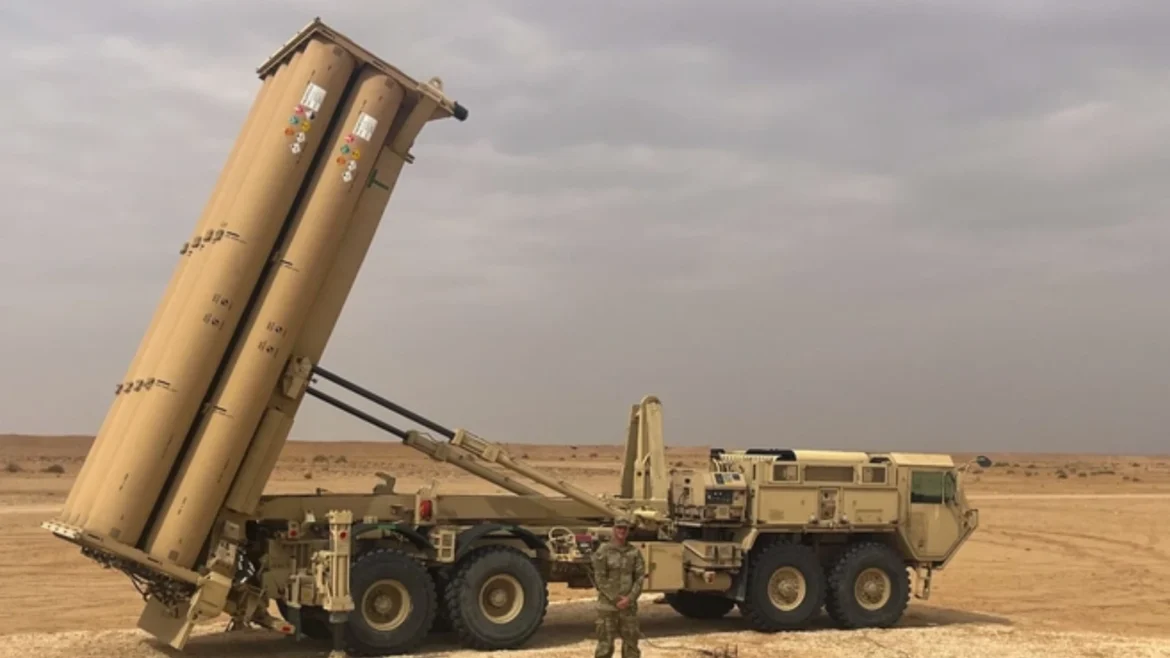
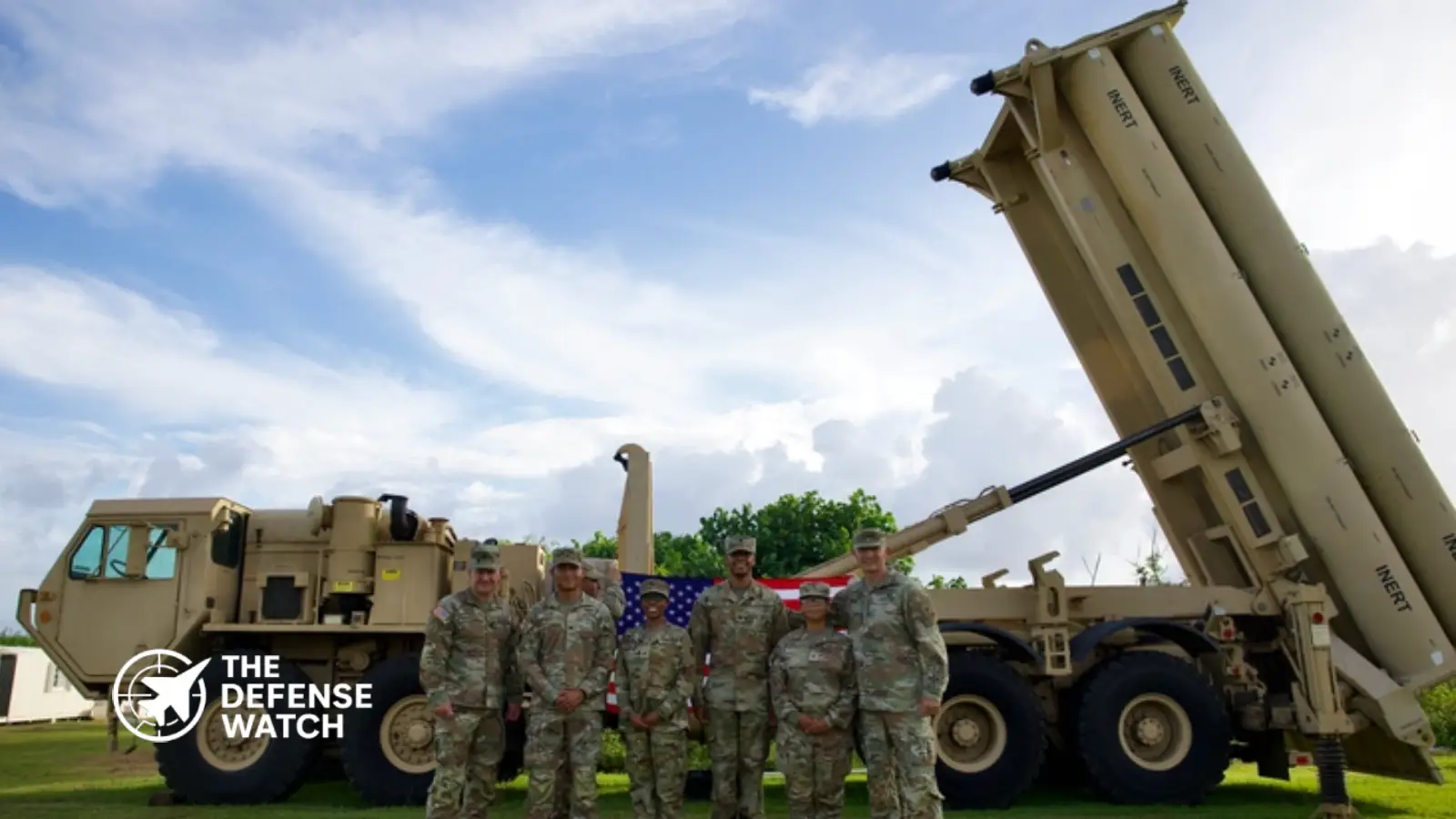
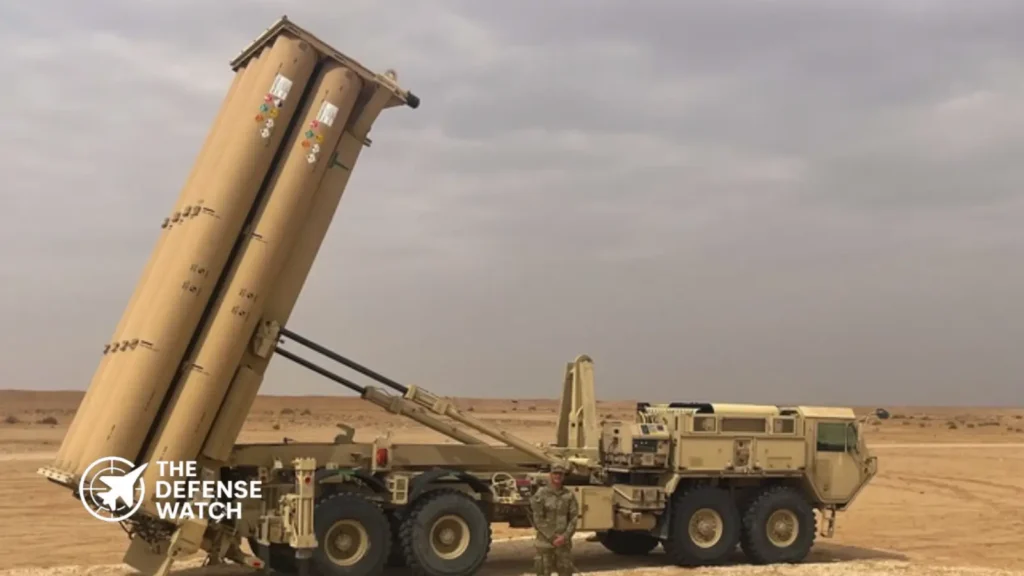
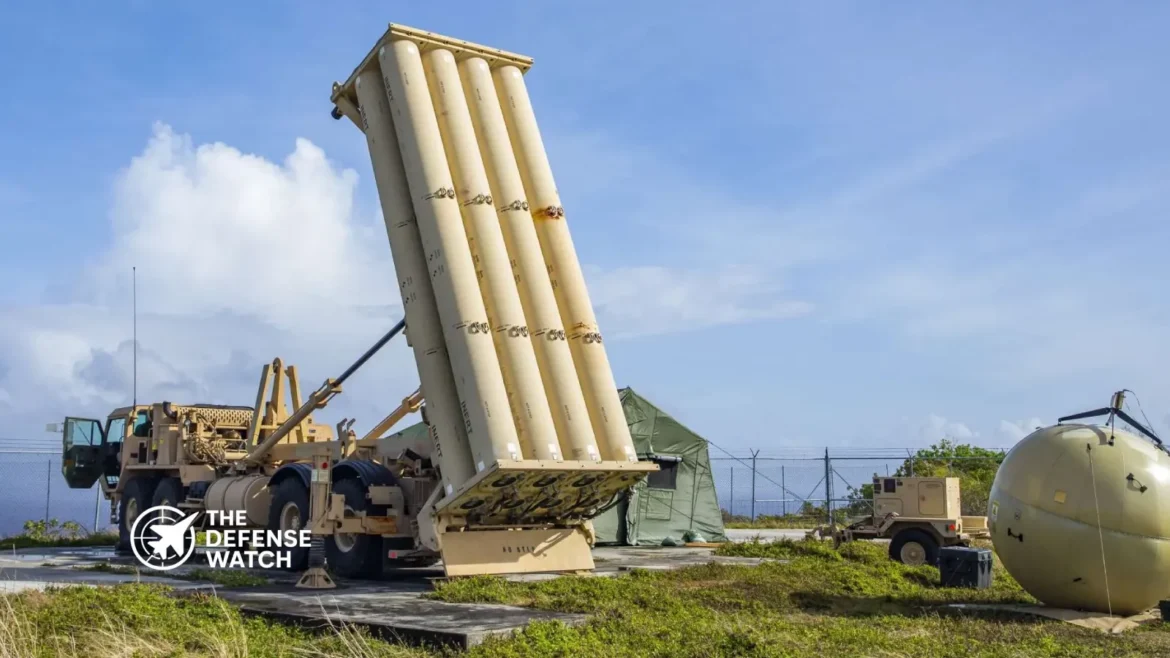
A THAAD battery combines mobile launchers, interceptors, an AN/TPY-2 radar and fire-control equipment. Each launcher can carry eight THAAD interceptors, according to MDA.
The system’s high-altitude engagement capability complements Patriot. MDA has demonstrated interoperability between the two systems, including tests in which THAAD sensors provided tracking information to Patriot and PAC-3 MSE interceptors.
This layered approach is significant because missile defense is not based on a single interceptor or sensor. Detection, tracking, discrimination, command and control, launch systems and interceptor availability all contribute to the probability of defeating an incoming threat.
Lockheed Martin Has Already Begun Scaling Production
The latest announcement builds on substantial procurement actions involving Lockheed Martin.
In July, the U.S. government awarded Lockheed Martin a seven-year undefinitized contract action modification worth up to $53.86 billion for PAC-3 MSE interceptors. Including a $4.7 billion first-year award announced in April, Lockheed Martin said the total multiyear contract value reached $58.62 billion.
Lockheed Martin said the program is intended to increase PAC-3 MSE capacity to approximately 2,000 interceptors per year from a previous capacity of about 600. The company has also said the expanded program is expected to support additional employment and manufacturing investment in Camden, Arkansas.
The company has separately received a seven-year agreement worth up to $35 billion to quadruple THAAD interceptor production. Lockheed Martin has identified a production target of about 400 THAAD interceptors annually, compared with approximately 96 previously.
These figures show that the Aug. 31 framework is not an isolated procurement action. It forms part of a broader effort to expand the capacity of both major interceptor programs while addressing production constraints throughout their supplier networks.
Why The Supply Chain Matters
The most important aspect of the latest agreement may be its focus on components rather than simply finished interceptors.
A modern interceptor contains numerous specialized assemblies that must meet demanding structural, propulsion, guidance and environmental requirements. If one supplier cannot increase output at the same pace as final assembly, overall missile production can become constrained even when the prime contractor has additional assembly capacity.
General Dynamics has longstanding involvement in PAC-3 component manufacturing. Company material notes production of PAC-3 MSE motor cases, midsections and seeker housings, with thousands of related components delivered over the history of the program.

The new agreements therefore target a part of the industrial base that is less visible than final missile assembly but directly affects how quickly production can scale.
The Department of War said the seven-year arrangements provide minimum annual procurement quantities that can give companies and lower-tier suppliers greater confidence when making capital investments.
A Broader 2026 Missile Defense Industrial Push
The General Dynamics agreement follows several other industrial-base actions this year.
In April, the Department of War announced a seven-year framework agreement involving Boeing and Lockheed Martin to triple PAC-3 MSE seeker production. The department said the agreement was designed to support an increase in PAC-3 MSE all-up-round production.
In March, the department announced a framework agreement with BAE Systems and Lockheed Martin to quadruple THAAD seeker production. The move was intended to address another critical component within the THAAD supply chain.
The department also announced agreements with L3Harris in July to expand propulsion production supporting PAC-3 MSE and THAAD, followed by agreements with Northrop Grumman in August covering additional missile-interceptor components.
Taken together, the sequence indicates a procurement strategy centered on expanding capacity across multiple tiers of the supply chain rather than depending on a single production increase at the prime contractor.
What The Expansion Means For U.S. Missile Defense
The immediate objective is straightforward: increase the number of interceptors that can be manufactured and delivered.
The strategic significance is broader. PAC-3 MSE and THAAD occupy different but complementary positions within the U.S. terminal missile defense architecture, and both systems are also used by U.S. partners and allies.
The Army’s fiscal year 2027 budget documentation illustrates the scale of planned procurement. It identifies funding for 2,798 PAC-3 MSE missiles and 857 THAAD interceptors across discretionary and mandatory funding categories.
Higher production rates can help replenish inventories after operational use, support new units and foreign military sales, and provide greater depth for sustained missile defense operations. But production capacity alone does not guarantee immediate inventory growth because completed interceptors must still pass manufacturing, testing, acceptance and delivery processes.
There is also a long lead time associated with expanding a specialized industrial workforce. New facilities, equipment, tooling, raw materials and qualified personnel must be brought online without compromising quality or reliability.
That makes the seven-year structure important. Rather than treating production expansion as a short-term surge, the agreements seek to create conditions for sustained manufacturing investment.
The Main Challenge Is Scaling Without Creating New Bottlenecks
Tripling or quadrupling output is not simply a matter of adding assembly lines.
The supply chain must scale at multiple points, including propulsion, structures, seekers, guidance equipment, electronics and specialized manufacturing processes. Testing capacity, quality assurance and supplier qualification must also keep pace.
The Department of War’s decision to pursue agreements covering individual components suggests that officials recognize this constraint. Earlier 2026 agreements targeting PAC-3 MSE seekers, THAAD seekers and propulsion demonstrate the same approach.
For the U.S. military, the measure of success will ultimately be sustained delivery of reliable interceptors rather than announced capacity alone.
The new seven-year agreements provide a framework for reaching that objective. Their effectiveness will depend on annual funding, supplier execution, workforce growth, facility expansion and the ability of the industrial base to maintain quality as production accelerates.
Bottom Line
The Department of War’s latest agreements with General Dynamics and Lockheed Martin mark another major step in the U.S. effort to expand missile interceptor manufacturing.
The stated targets are substantial: triple PAC-3 MSE production capacity and quadruple THAAD production capacity. The agreements also place greater emphasis on critical components and lower-tier suppliers, addressing one of the central challenges in rapidly expanding a complex defense production network.
For U.S. missile defense, the significance extends beyond factory output. PAC-3 MSE and THAAD form complementary layers of terminal missile defense, and expanding their production capacity can strengthen the ability to replenish stocks, equip additional forces and support allied requirements.
The next test will be execution. The seven-year procurement framework establishes the demand signal, but annual appropriations and industrial performance will determine how quickly the announced capacity becomes actual interceptor deliveries.


Executive Summary: Lockheed Martin plans to increase annual THAAD interceptor production from 96 to 400 missiles under a seven-year U.S. procurement agreement valued at up to $35 billion. The expansion is being supported by more than $9 billion in Lockheed Martin investments through 2030, including new production facilities and manufacturing upgrades across the United States.
Lockheed Martin Targets 400 THAAD Interceptors Per Year
Lockheed Martin’s THAAD interceptor production expansion is moving from an industrial planning effort into a major multiyear procurement program, with the company targeting annual output of 400 interceptors under a seven-year agreement with the U.S. government.
The Missile Defense Agency awarded Lockheed Martin a seven-year undefinitized contract action in June 2026 with a ceiling value of up to $35 billion. The award followed a framework agreement signed in January that established the goal of increasing THAAD production from 96 interceptors per year to 400.
Lockheed Martin CEO Jim Taiclet highlighted the production target during the company’s second-quarter 2026 earnings call. He said the company was simultaneously increasing THAAD output, expanding PAC-3 MSE production and accelerating Precision Strike Missile production.
The move comes as the United States seeks to rebuild and expand its inventory of critical interceptors while strengthening the industrial base responsible for producing them.
A Major Expansion Of U.S. Missile Production Capacity
The jump from 96 to 400 interceptors represents more than a fourfold increase in nominal annual production capacity.
| THAAD production measure | Current or previous level | Planned level |
|---|---|---|
| Annual interceptor capacity | 96 | 400 |
| Production increase | Baseline | More than 4x |
| Procurement period | N/A | 7 years |
| Contract ceiling | N/A | Up to $35 billion |
| Lockheed Martin investment | N/A | More than $9 billion through 2030 |
| New Troy, Alabama facility | N/A | 87,000 square feet |
| THAAD operational test record | 17 attempts | 17 successful intercepts |
The $35 billion award is particularly important because it gives Lockheed Martin a longer-term demand signal. That allows the company to invest in equipment, facilities, suppliers and skilled workers with greater confidence that increased capacity will be supported by government procurement.
Lockheed Martin has described the June award as one of the first major multiyear procurement actions implemented under the U.S. government’s new approach to accelerating munitions production.
More Than $9 Billion In Industrial Base Investment
The THAAD expansion is part of a broader Lockheed Martin effort to increase U.S. missile and munitions manufacturing capacity.
The company says it plans to invest more than $9 billion through 2030 across more than 20 U.S. facilities. The investment includes new buildings, expanded production areas, manufacturing equipment and workforce development.
One of the most visible projects is the new Munitions Production Center in Troy, Alabama.
Lockheed Martin broke ground on an 87,000-square-foot facility in May. The building will support THAAD interceptor production and future work associated with the Next Generation Interceptor program. The company said the facility will nearly double production space at the Troy location.
Lockheed Martin also has a Munitions Acceleration Center in Camden, Arkansas. The facility is intended to prepare workers and manufacturing processes for higher production of THAAD, PAC-3 and other missile systems, using automation, robotics and digital manufacturing technologies.
The company said its THAAD activities already occupy more than 340,000 square feet across nine U.S. sites and involve nearly 750 U.S.-based suppliers across 42 states.
Why THAAD Production Capacity Matters
THAAD occupies a specific position within the U.S. integrated air and missile defense architecture.
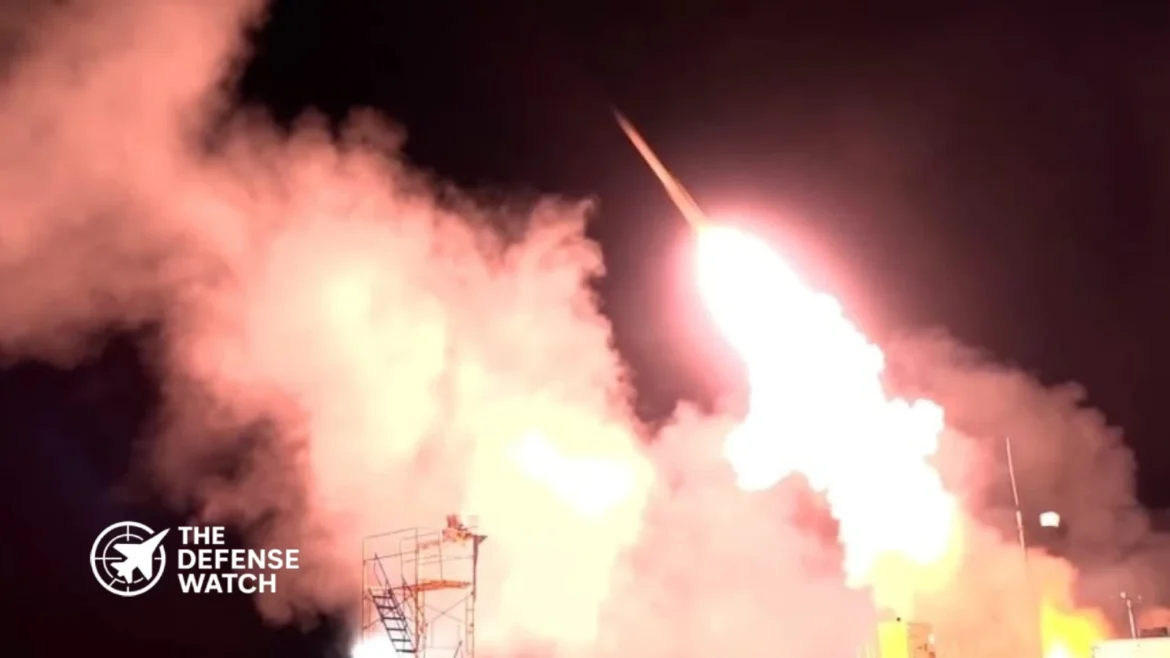
The Missile Defense Agency describes THAAD as a system designed to intercept ballistic missiles during their terminal phase, both inside and outside the atmosphere. The interceptor uses hit-to-kill technology, relying on direct kinetic impact rather than a conventional explosive warhead.
A THAAD battery combines mobile launchers, interceptors, the AN/TPY-2 radar and a fire control and communications architecture. The system can operate as part of a broader network rather than functioning as an isolated missile battery.
The higher production rate therefore has implications beyond the number of missiles manufactured each year.
More interceptors can provide greater magazine depth for deployed batteries, support training and testing requirements, replace expended rounds and provide additional inventory for U.S. forces and foreign military customers.
That capacity becomes particularly important when missile defenses are required to sustain operations over an extended period rather than respond to a limited number of engagements.
THAAD And The Layered Defense Concept
The planned production increase also reinforces the layered structure of U.S. ballistic missile defense.
THAAD is not designed to replace lower-tier systems such as Patriot. Instead, the systems can provide different engagement opportunities within an integrated architecture.
The Missile Defense Agency has already demonstrated THAAD integration with the PAC-3 MSE interceptor. MDA says the THAAD program has completed 17 successful intercepts in 17 flight-test attempts, including tests involving the PAC-3 MSE interceptor.
This layered approach can help distribute engagements between different interceptors and preserve higher-tier weapons for targets that require their specific engagement envelope.
The result is a missile defense architecture based on multiple sensors, command-and-control nodes and interceptor types rather than reliance on a single weapon.
Production Surge Extends Beyond THAAD
The THAAD expansion is occurring alongside increases in other Lockheed Martin missile programs.
The company has said it is working to triple PAC-3 MSE production while also accelerating Precision Strike Missile production.
The U.S. Army awarded Lockheed Martin a $4.7 billion undefinitized contract action in April to support accelerated PAC-3 MSE production. The Army described PAC-3 MSE as a key element of its integrated air and missile defense architecture against tactical ballistic missiles, cruise missiles and aircraft.
The combined effort is significant because missile defense capacity depends on more than launchers and radar systems. A force with advanced sensors and deployed batteries also requires sufficient interceptor inventories to sustain operations.
The Industrial Challenge Behind 400 Interceptors
Reaching 400 THAAD interceptors per year will require more than adding assembly space.
Missile production depends on a network of specialized suppliers, propulsion components, electronics, guidance hardware, materials and test capacity. Increasing final assembly rates without expanding those upstream elements can create bottlenecks elsewhere in the production chain.
That makes Lockheed Martin’s supplier expansion and facility modernization important parts of the production strategy.
The company is also using longer-term procurement commitments to justify private investment in manufacturing capacity. Under the new acquisition model, the government provides a stronger demand signal through multiyear procurement while the contractor invests in the facilities needed to raise production. Lockheed Martin and Department of War officials have described this arrangement as a change from earlier approaches that relied more heavily on government-funded factory expansion.
The approach addresses one of the recurring problems in defense manufacturing: companies are less likely to invest heavily in specialized capacity when future government demand is uncertain.
THAAD Capacity And The Broader U.S. Missile Defense Strategy
The production expansion is taking place within a broader U.S. effort to increase the supply of interceptors and modernize missile defense.
The Missile Defense Agency says seven of eight U.S. Army THAAD batteries procured to date are currently fielded, while the eighth battery remains in production. MDA also reports that 799 operational THAAD interceptors had been delivered to the Army and foreign military customers as of October 1, 2023.
Foreign demand is another factor. The United Arab Emirates operates two THAAD batteries, while Saudi Arabia has contracted for seven batteries. The Saudi program includes seven AN/TPY-2 radars, 44 launchers and 360 interceptors.
That international demand adds another requirement for production planning. U.S. inventory needs must be balanced against deliveries to foreign customers under Foreign Military Sales agreements.
THAAD Modernization Continues Alongside Production Growth
Increasing interceptor output does not mean the weapon system itself has stopped evolving.
MDA is developing THAAD System Build 5.0, which includes mission assurance updates and Configuration 3 hardware. The agency has planned the addition of the new configuration to the Missile Defense System operational capability baseline in 2026.
Lockheed Martin is also supporting development work intended to improve the system against increasingly complex missile threats.
A separate MDA contract awarded in 2025 has a ceiling value of $2.8 billion and supports further THAAD development for an initial five-year period, with options that could extend the effort to 10 years, according to Lockheed Martin.
This means the current industrial expansion is intended to support both larger interceptor inventories and continued evolution of the weapon system.
What The Production Increase Means For U.S. Readiness
The most important effect of the THAAD expansion may be improved magazine depth rather than simply a higher annual production statistic.
A missile defense battery can only engage as many targets as its available interceptors, reload capacity and command-and-control architecture allow. Sustained operations can therefore place significant demands on interceptor inventories even when individual engagements are successful.
Moving toward 400 interceptors annually gives the United States a larger industrial base from which to replenish deployed stocks and support future requirements.
It also gives the Pentagon greater flexibility when managing domestic defense needs, overseas deployments, testing and allied deliveries.
The production increase does not by itself guarantee that 400 interceptors will be immediately available for operational use. Capacity, qualification, supplier performance, testing, workforce growth and delivery schedules all influence how quickly factory output translates into usable inventory.
That distinction is important as the United States shifts from simply developing advanced missile defense systems toward building them at sustained wartime-relevant scale.
A Broader Shift Toward Munitions Mass
The THAAD program illustrates a wider change in U.S. defense acquisition priorities.
For years, the emphasis on highly capable platforms was accompanied by comparatively limited production rates for some precision munitions and interceptors. Current U.S. procurement efforts are placing greater emphasis on magazine depth, manufacturing capacity and the ability to replenish weapons during prolonged operations.
Lockheed Martin’s THAAD, PAC-3 MSE and PrSM production initiatives show how that strategy is being applied across several missile programs.
The $35 billion THAAD procurement agreement and the company’s planned investment of more than $9 billion in manufacturing infrastructure provide a substantial industrial foundation for that effort.
For U.S. missile defense, the key measure over the coming years will be whether this investment produces sustained increases in delivered interceptors while maintaining quality, reliability and affordability.
The move toward 400 THAAD interceptors annually is therefore more than a production target. It is a test of whether the U.S. defense industrial base can convert long-term procurement commitments into significantly greater missile defense capacity.

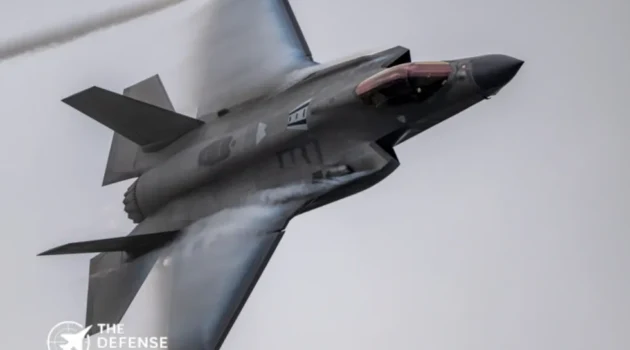
On August 7, 2026, Lockheed Martin outlined a missile-defense architecture that reframes one of its own flagship products. The F-35 Lightning II, long marketed primarily as a fifth-generation stealth fighter, is now being positioned as something closer to a mobile sensor platform — an airborne node capable of feeding tracking and targeting data into a network that spans space-based satellites, command-and-control systems, and interceptor missiles.
The presentation, framed around the phrase “Speed Wins: Modern Defense,” is less about a new piece of hardware than a new way of connecting hardware Lockheed already builds. And that distinction matters, because the company says the technologies involved aren’t conceptual — they’re described as mature and already available to operational forces.
How the Kill Chain Works
The architecture Lockheed describes follows a specific sequence. An overhead persistent infrared satellite first detects a missile launch from space. From there, F-35 aircraft operating in the vicinity of the threat refine that initial track using their own onboard sensors — principally the Distributed Aperture System (DAS), which provides spherical infrared coverage around the aircraft, and the Electro-Optical Targeting System (EOTS), combined with the jet’s advanced onboard data-fusion software.
That refined tracking and targeting information then feeds into the Command and Control, Battle Management and Communications system, or C2BMC — Lockheed’s own system for building a shared operational picture across the missile-defense enterprise. From C2BMC, the data is distributed to the systems responsible for actually intercepting the threat: the Terminal High Altitude Area Defense (THAAD) system and the Next Generation Interceptor (NGI), which is being developed as the backbone of U.S. homeland ballistic-missile defense.
Why “Architecture-Centric” Matters
Lockheed has framed this as a shift from platform-centric warfare to architecture-centric warfare — the idea that an individual platform’s value increasingly comes from what it unlocks for the rest of the force, not just its own specifications. In practical terms, that means the F-35 doesn’t need to fire a shot to contribute meaningfully to a missile-defense engagement. Its stealth, mobility, and sensor suite are reframed as inputs to somebody else’s shot.
That has a specific tactical payoff: launch-on-remote and engage-on-remote operations. Rather than a THAAD battery or an NGI site having to build a complete, independent track using its own organic radar before engaging, it could begin an engagement using tracking data generated by a distant sensor — an F-35 orbiting elsewhere in theater, or a satellite overhead. Shortening that sequence compresses the overall sensor-to-shooter timeline, which matters enormously against fast, maneuvering threats where every second of decision time counts.
What This Solves — and What It Doesn’t
The stated goal is straightforward: reduce the time between detecting a missile launch and actually engaging it, particularly against threats — including emerging hypersonic weapons — where traditional, sensor-isolated defenses may not have enough time to build an independent track before the threat arrives.
But the architecture, as publicly described, remains a high-level vision rather than a fielded, tested system with disclosed performance data. Open questions include the actual operational latency of the data links involved, the classified interface standards required to connect an F-35’s sensor suite to C2BMC in real time, the reliability of track-handoff between platforms, cybersecurity safeguards for a network that touches both a stealth fighter’s sensor data and national missile-defense command systems, and — critically — how the approach performs against sophisticated, maneuvering hypersonic weapons and coordinated electronic warfare, rather than more predictable ballistic threats.
There’s also a resourcing question worth flagging: tasking a multi-role, high-demand, expensive stealth fighter with a persistent sensor-node role is a different mission profile than air superiority or strike, and it raises questions about availability trade-offs if F-35s are increasingly expected to loiter in a tracking role during a live missile-defense scenario.
Comparing the Architecture’s Building Blocks
Element Role in the Architecture Status Overhead persistent infrared satellites Initial launch detection from space Operational F-35 (DAS, EOTS, data fusion) Airborne track refinement and targeting node Concept built on fielded aircraft/sensors C2BMC Fuses inputs into a shared operational picture Operational, Lockheed-built THAAD Terminal-phase intercept Operational Next Generation Interceptor (NGI) Homeland ballistic-missile intercept backbone In development FAQ
What did Lockheed Martin announce on August 7, 2026?Lockheed Martin outlined a missile-defense architecture in which the F-35 Lightning II acts as an airborne tracking and targeting node, feeding data into a network that links space-based sensors, the C2BMC command system, THAAD, and the Next Generation Interceptor.
How does the F-35 contribute to missile defense without firing weapons?The F-35 uses its Distributed Aperture System, Electro-Optical Targeting System, and onboard data-fusion software to detect and refine tracks on missile threats, then passes that tracking and targeting data into C2BMC, which distributes it to interceptor systems like THAAD and NGI.
What is C2BMC?C2BMC stands for Command and Control, Battle Management and Communications — a Lockheed Martin-developed system that fuses data from multiple sensors into a single operational picture and routes tracking and targeting information to the appropriate missile-defense interceptors.
What is “launch-on-remote” or “engage-on-remote” and why does it matter?It refers to an interceptor battery beginning an engagement using tracking data generated by a remote sensor — such as an F-35 or a satellite — rather than waiting to independently build a complete track with its own radar. This can significantly shorten the time between detection and engagement.
Is this a new F-35 capability or a new missile-defense system?Neither, strictly speaking. Lockheed describes the underlying technologies — the F-35’s sensors, C2BMC, THAAD, and NGI — as already mature and operationally available. The announcement is about a new architecture for connecting them, not a new piece of hardware.
The Support-Class Analogy
Strategy-game players will recognize the logic here immediately. A scout or support unit that never fires a shot can still decide the outcome of a fight simply by revealing the map and feeding targeting data to your heavy hitters — vision control wins games as often as raw damage output does. Lockheed’s pitch effectively recasts the F-35 as that support-class unit for national missile defense: its combat value isn’t measured only by what it can shoot down itself, but by how much faster it lets THAAD and NGI batteries react once a threat is airborne. In a domain where intercept windows are measured in seconds, being the unit that calls the shot early can matter as much as being the unit that takes it.
Lockheed Martin Space has received a $211.4 million contract modification to manufacture new Configuration 3 (C3) THAAD launchers for the United Arab Emirates, extending a long-running U.S. Foreign Military Sales program through January 2031.
The Missile Defense Agency (MDA) in Huntsville, Alabama, is the contracting activity. The modification, designated P00082 under contract HQ0147-19-C-5001, increases the cumulative value of the contract to $1.0545 billion. UAE FMS funds will finance the full $211.4 million obligation.
Deep Technical & Strategic Context Analysis
The award is significant because it moves the UAE THAAD program beyond sustainment of its existing batteries and into production of newer launcher hardware. THAAD is designed to intercept short, medium and limited intermediate-range ballistic missiles during their terminal flight phase, both inside and outside the atmosphere. Its hit-to-kill interceptor destroys the incoming target through direct kinetic impact rather than relying on a conventional explosive warhead.
A THAAD battery combines mobile launchers, interceptors, the AN/TPY-2 X-band radar and fire-control equipment. The launcher is a critical part of the system’s operational capacity because it determines how many interceptors can be positioned, fired and reloaded during an engagement sequence. MDA identifies Configuration 3 hardware as part of THAAD System Build 5.0, which also includes mission-assurance updates. The agency has planned the integration of C3 hardware into the THAAD operational baseline as part of the system’s continuing modernization.
The UAE has particular operational relevance to the program. It operates two THAAD batteries, and MDA says the UAE achieved the first operational THAAD intercept in combat in January 2022. That gives the UAE a unique position among THAAD’s international users and demonstrates that the system is not simply an acquisition program, but an actively employed layer of the country’s ballistic missile defense architecture.
The new launcher production also comes as regional demand for integrated missile defense remains high. Saudi Arabia has signed FMS cases for seven THAAD batteries, while Lockheed Martin currently identifies the UAE and Saudi Arabia as THAAD’s two international customers.
Contract Breakdown & Details
What Lockheed Martin Is Receiving
According to the MDA contract announcement, the modification provides:
- Contract value: $211,435,067
- Cumulative contract value: $1,054,537,337
- Contract modification: P00082
- Original contract: HQ0147-19-C-5001
- Prime contractor: Lockheed Martin Space
- Contractor location: Sunnyvale, California
- Customer: United Arab Emirates
- Acquisition mechanism: Foreign Military Sales
- Contracting activity: Missile Defense Agency, Huntsville, Alabama
- Offers solicited: One
- Offers received: One
- Performance period: August 2026 through January 2031
What Is Being Produced?
The central requirement is the manufacture and production of new Configuration 3 THAAD launchers.
This is different from a conventional maintenance award. Previous modifications under the same contract have supported the UAE’s existing THAAD force through maintenance, logistics, training, repair, software and hardware sustainment, engineering and other technical services. A December 2025 modification, for example, provided continued sustainment support for the UAE’s two THAAD batteries through August 2028.
The latest award therefore adds a significant production component to the continuing UAE support relationship.
Why Configuration 3 Matters
THAAD System Build 5.0 incorporates Configuration 3 hardware alongside mission-assurance improvements. MDA describes the broader THAAD modernization effort as an effort to improve capability and performance against current and evolving missile threats.
For the UAE, new C3 launchers can provide a path toward keeping the ground segment aligned with the evolving THAAD architecture rather than allowing launcher hardware to become a limiting factor as other elements of the weapon system are modernized.
The distinction is important. A missile defense battery is not simply a collection of interceptors. Radar detection, target tracking, discrimination, fire control, communications and launcher availability all have to function as an integrated engagement chain. Maintaining modern launcher hardware is therefore directly connected to the system’s ability to generate usable firing capacity.
FMS Funding And Geographic Work Breakdown
The announcement identifies UAE FMS funding of $211,435,067, meaning the full amount obligated under this modification comes from the UAE’s Foreign Military Sales case.
The announcement provided in the award notice does not specify percentage allocations by work location. Accordingly, assigning geographic percentages to California, Alabama, Texas or other locations would not be supported by the available contract data.
The documented information establishes:
- Funding source: 100% UAE FMS funds for the obligated modification
- Primary contractor location: Sunnyvale, California
- Contracting authority: MDA, Huntsville, Alabama
- Geographic percentage split: Not publicly specified in the announcement
What One Offer Received Means
The notice states that one offer was solicited and one offer was received. That figure should not automatically be interpreted as evidence of a conventional competitive procurement.
THAAD is a highly integrated weapon system with proprietary design information, established production processes and extensive government-industry interfaces. Lockheed Martin is the system’s prime contractor, making the company’s established technical position particularly relevant to modifications involving specific THAAD configurations.
The key point is that the procurement record identifies one offer, while the award is being executed as a modification to an existing THAAD contract.
UAE THAAD Capability Continues To Expand
The UAE’s relationship with THAAD dates back more than a decade. Lockheed Martin delivered the first UAE THAAD battery in 2015, making the country the system’s first international customer. The UAE already operated Patriot PAC-3 before adding THAAD, creating a layered missile defense architecture with different engagement capabilities.
THAAD also has an established integration path with Patriot. Lockheed Martin and the U.S. Army demonstrated the integration of PAC-3 MSE launchers with THAAD, allowing Patriot interceptors to benefit from the broader THAAD radar and fire-control architecture.
That layered approach is increasingly important as regional missile threats become more diverse. THAAD is optimized for ballistic missile defense, while lower-tier systems such as Patriot can provide additional engagement opportunities against targets within their respective performance envelopes. The result is a networked defense architecture rather than reliance on a single interceptor or launcher type.
Strategic Significance
The $211.4 million award represents a shift from simply keeping the UAE’s existing THAAD batteries operational toward modernizing the physical launcher component of the force.
For Lockheed Martin, the modification also reinforces the long-term nature of the UAE THAAD relationship. For the MDA, continued international investment in THAAD provides another mechanism for maintaining a common weapon-system architecture among U.S. and allied operators.
The January 2031 performance endpoint also gives the UAE a multi-year production horizon for C3 launcher modernization. Combined with ongoing sustainment and the broader THAAD System Build 5.0 effort, the contract indicates that the UAE intends to maintain THAAD as a core component of its ballistic missile defense architecture well into the next decade.
Executive Summary:
Lockheed Martin used its second quarter 2026 update to highlight major investments in missile production, advanced manufacturing, and next-generation defense technologies. The company’s expansion comes as the United States and allied nations seek to replenish missile inventories, strengthen the defense industrial base, and accelerate delivery of critical air and missile defense capabilities.
Lockheed Martin Second Quarter 2026 Highlights Reflect Expanding Defense Production
Lockheed Martin’s Second Quarter 2026 Highlights demonstrate how the company is increasing production capacity while supporting U.S. and allied military modernization efforts. The update, released on July 23, accompanies the company’s quarterly financial results and outlines investments spanning missile production, air defense, advanced manufacturing, and digital engineering.
The announcement comes as global demand for missile defense systems, tactical missiles, fifth-generation aircraft, and integrated combat capabilities continues to rise amid ongoing geopolitical tensions and increased defense spending across NATO and Indo-Pacific partners.
Major Second Quarter Highlights
Lockheed Martin identified ten major achievements during the quarter, including:
Initiative Operational Significance New Munitions Production Center in Troy, Alabama Expands THAAD interceptor manufacturing capacity Next Generation Interceptor Facility in Courtland, Alabama Supports homeland missile defense development Accelerated missile production Higher output of THAAD, PAC-3 and Precision Strike Missile programs Advanced manufacturing investments Improves production efficiency and supply chain resilience Continued technology innovation Supports future integrated air, missile and space defense capabilities According to the company, these investments are designed to strengthen America’s defense industrial base while improving production speed and long-term manufacturing resilience.
New Alabama Facilities Expand Missile Defense Production
One of the most significant announcements was the opening of an 87,000 square foot Munitions Production Center in Troy, Alabama.
The facility will support:
- Increased THAAD interceptor production
- Future Next Generation Interceptor manufacturing
- Expanded skilled manufacturing workforce
- Faster missile deliveries for U.S. and allied customers
Lockheed Martin also officially opened its Next Generation Interceptor facility in Courtland, Alabama, further expanding the company’s role in the Missile Defense Agency’s homeland defense modernization efforts.
These investments represent one of the largest recent expansions of U.S. missile manufacturing infrastructure.
Financial Results Underscore Strong Defense Demand
The operational milestones were accompanied by strong financial performance.
Metric Q2 2026 Sales $20.1 billion Net Earnings $1.8 billion Earnings Per Share $7.94 Cash From Operations $3.2 billion Free Cash Flow $2.9 billion Record Backlog $230 billion The company also raised its full-year financial outlook after reporting growth across all business segments. Much of the increase was driven by higher production volumes for missile defense systems, including PAC-3, THAAD, and Precision Strike Missile programs.
Missile Production Continues To Accelerate
Lockheed Martin’s Missiles and Fire Control business reported particularly strong performance.
Second quarter sales increased 19 percent year over year, largely because of production increases involving:
- PAC-3 Missile Segment Enhancement interceptors
- THAAD interceptors
- Precision Strike Missile (PrSM)
The company attributed much of the growth to accelerated production ramps responding to Pentagon requirements and allied procurement programs.
Why This Matters For U.S. Defense Strategy
Beyond quarterly financial results, the second quarter update highlights an important strategic trend.
The Pentagon has repeatedly emphasized rebuilding missile inventories following increased operational demand and foreign military assistance commitments. Expanding production capacity has become as strategically important as developing new weapons.
New manufacturing facilities reduce production bottlenecks while providing greater surge capacity during future crises. They also strengthen domestic supply chains, an area that has received growing attention since disruptions experienced during the pandemic and subsequent global conflicts.
Missile defense systems such as THAAD remain central to U.S. regional deterrence strategies in Europe, the Middle East, and the Indo-Pacific. Increasing interceptor output directly supports those operational requirements while improving readiness for both homeland defense and allied deployments.
Similarly, continued investment in the Next Generation Interceptor program reflects Washington’s long-term focus on countering increasingly sophisticated ballistic missile threats. The system is intended to replace aging Ground-Based Interceptors protecting the U.S. homeland against long-range missile attacks.
Defense Industrial Base Becomes A Strategic Capability
The broader significance of Lockheed Martin’s investments extends beyond individual weapons programs.
Defense planners increasingly view industrial capacity as a component of national security. Recent conflicts have demonstrated that sustained military operations require large-scale production of missiles, interceptors, and precision-guided weapons over extended periods.
By expanding manufacturing infrastructure before future demand peaks, Lockheed Martin positions itself to support both U.S. military modernization and allied procurement programs. Similar production expansions are occurring across the American defense sector as contractors respond to increased Pentagon funding and long-term procurement commitments.
Outlook
Lockheed Martin’s second quarter 2026 update presents a picture of a defense contractor focused on scaling production rather than simply developing new technologies. Record backlog levels, expanded manufacturing facilities, and growing missile production illustrate how industry priorities are increasingly aligned with Pentagon efforts to strengthen supply resilience and sustain long-term military readiness.
As defense budgets remain elevated and allied demand for advanced missile defense systems continues to grow, investments in manufacturing capacity are likely to play an increasingly important role in maintaining the United States’ technological and industrial advantage.
(adsbygoogle = window.adsbygoogle || []).push({});Executive Summary
The U.S. Army is seeking funding for 857 Terminal High Altitude Area Defense (THAAD) interceptors as part of a major expansion of America’s missile defense inventory. The move reflects growing concerns over ballistic and hypersonic missile threats in the Indo-Pacific and signals a broader Pentagon effort to strengthen both operational readiness and defense industrial capacity.
U.S. Army Requests 857 THAAD Interceptors As Missile Defense Demand Surges
The U.S. Army’s reported request for 857 THAAD interceptors represents one of the largest missile defense procurement efforts in the history of the program, highlighting Washington’s growing focus on layered air and missile defense across the Indo-Pacific theater.
According to defense reporting and budget-related disclosures, the planned procurement increase is tied to broader Pentagon efforts to expand strategic missile defense inventories while addressing concerns over stockpile depth, industrial capacity, and sustained readiness in a high-intensity conflict environment.
The request comes as U.S. military planners increasingly emphasize the need for larger inventories of advanced interceptors capable of defending forward-deployed forces, strategic bases, and allied territories against expanding ballistic missile arsenals.
THAAD Remains A Critical Layer In U.S. Missile Defense Architecture
Developed by Lockheed Martin, the Terminal High Altitude Area Defense system is designed to intercept short, medium, and intermediate-range ballistic missiles during their terminal phase of flight.

Image U.S. Army Unlike traditional missile systems that rely on explosive warheads, THAAD uses a hit-to-kill approach, destroying incoming targets through direct kinetic impact. The system is capable of engaging threats both inside and outside Earth’s atmosphere, providing commanders with a higher-altitude defensive layer than systems such as Patriot PAC-3 MSE.
A typical THAAD battery includes:
Component Function THAAD Launchers Fire interceptor missiles THAAD Interceptors Engage incoming ballistic threats AN/TPY-2 Radar Long-range detection and tracking Fire Control System Battle management and engagement coordination Communications Network Integration with broader missile defense architecture The system currently serves as a key component of the U.S. Army’s integrated air and missile defense network and is deployed in several strategically important regions.
Indo-Pacific Requirements Are Driving Procurement Growth
The scale of the reported 857-interceptor request reflects growing concern among defense planners regarding missile threats in the Western Pacific.
China continues to expand its inventory of ballistic missiles, anti-ship ballistic missiles, and emerging hypersonic systems designed to challenge U.S. power projection capabilities. At the same time, North Korea continues testing increasingly capable missile systems capable of threatening U.S. regional bases and allied territory.
(adsbygoogle = window.adsbygoogle || []).push({});For U.S. commanders, missile defense is no longer viewed as a niche capability. It has become a foundational requirement for maintaining freedom of maneuver across the Indo-Pacific.
The Army has already taken steps to strengthen regional missile defense by expanding Patriot formations, investing in Integrated Battle Command System (IBCS) networks, deploying Indirect Fire Protection Capability (IFPC) systems, and increasing procurement of PAC-3 MSE interceptors.
The THAAD expansion appears to fit within this broader modernization effort.
Production Capacity Has Become A Strategic Priority
The procurement request also highlights a growing Pentagon focus on defense industrial resilience.
In January 2026, Lockheed Martin announced a framework agreement to increase THAAD interceptor production from approximately 96 missiles annually to as many as 400 per year over a multi-year period. The expansion includes major investments in manufacturing facilities, workforce growth, and advanced production technologies.
A separate initiative launched in March 2026 seeks to quadruple production of THAAD infrared seekers, one of the most technically complex components of the interceptor. Defense officials described the effort as necessary to remove supply chain bottlenecks and support future production targets.
Key Production Expansion Measures
- THAAD interceptor output planned to increase from 96 to 400 annually
- Expanded seeker manufacturing capacity
- Multi-year industrial investment programs
- New missile production facilities and automation upgrades
- Increased workforce recruitment across missile manufacturing sites
These measures indicate that Washington is increasingly treating missile production capacity as a strategic asset rather than simply a procurement issue.
Lessons From Recent Missile Defense Operations
Another factor influencing procurement decisions is the growing operational demand placed on U.S. missile defense inventories.
Recent reporting and defense assessments have highlighted concerns regarding interceptor consumption rates during large-scale regional contingencies. Analysts have warned that modern conflicts involving extensive missile exchanges can rapidly deplete inventories of advanced interceptors.
This has elevated concerns regarding what military planners often describe as “magazine depth,” the ability to sustain defensive operations over extended periods without exhausting available stocks.
For the Pentagon, the challenge is not simply developing sophisticated missile defenses. It is ensuring sufficient inventory exists to support prolonged operations across multiple theaters simultaneously.
Strategic Implications For The Indo-Pacific
The reported request for 857 THAAD interceptors suggests the United States is preparing for a future security environment characterized by larger missile salvos, longer-duration conflicts, and more contested operating environments.
(adsbygoogle = window.adsbygoogle || []).push({});From a strategic perspective, THAAD plays a unique role because it bridges the gap between lower-tier systems such as Patriot and higher-tier missile defense architectures operated by the U.S. Navy.
The system provides an additional engagement opportunity against incoming ballistic threats while helping preserve lower-cost interceptors for other targets. This layered approach has become increasingly important as adversaries field larger and more diverse missile arsenals.
For allies and partners across the Indo-Pacific, expanded THAAD inventories could also strengthen confidence in U.S. extended deterrence commitments by ensuring sufficient missile defense capacity remains available during a crisis.
A Shift Toward Sustained Missile Defense Readiness
The scale of the Army’s reported THAAD procurement request underscores a broader shift occurring across the U.S. defense establishment.
Rather than focusing solely on next-generation weapons development, Pentagon planners are increasingly prioritizing stockpile depth, production scalability, and long-term sustainment. The combination of expanded interceptor procurement, industrial base investment, and missile defense modernization suggests Washington is preparing for a strategic environment where missile defense readiness will be measured not only by technological superiority but also by production capacity and inventory resilience.
If approved by Congress, the acquisition of 857 THAAD interceptors would represent a significant expansion of U.S. missile defense capabilities and further reinforce the Indo-Pacific’s position as the central focus of American defense planning.
Framework Deal to Quadruple THAAD Interceptors
Lockheed Martin and the U.S. Department of War have agreed to scale up production of Terminal High Altitude Area Defense, or THAAD, missile interceptors. The agreement will raise annual output from about 96 to 400 interceptors over the next seven years, part of efforts to strengthen U.S. missile defense supply chains and industrial capacity.
(adsbygoogle = window.adsbygoogle || []).push({});The announcement came in a Jan. 29 release by Lockheed Martin, noting the deal builds on a similar framework reached earlier this month on Patriot PAC-3® Missile Segment Enhancement production.
Boosting U.S. Missile Defense Output
Under the framework agreement, the current THAAD interceptor production capacity will more than quadruple. That change reflects congressional funding cycles expected to finalize contract awards in the final fiscal year 2026 appropriations process.
Lockheed Martin will collaborate with the U.S. government on securing multiyear funding and aligning production goals with defense requirements.
Facility Expansion and Workforce Investment
To support the ramp-up, Lockheed Martin plans to break ground on a new Munitions Acceleration Center in Camden, Arkansas. The facility is designed to train workers and incorporate advanced manufacturing, robotics, and digital tools for building THAAD, PAC-3, and other interceptor systems.
The company also plans broader investments over the next three years to upgrade and expand more than 20 facilities across multiple U.S. states, including Alabama, Florida, Massachusetts, and Texas. These efforts aim to modernize tooling, production lines, and plant layouts to meet rising defense production demands.
U.S. Industrial Base and Jobs
Lockheed Martin noted its efforts are creating tens of thousands of jobs in manufacturing, engineering, and skilled trades, reflecting broader growth in the U.S. defense industrial base tied to increased interceptor production.
Image Credit: lockheedmartin The company said that since 2016 it has increased deliveries of critical munitions by more than 220 percent and plans to push output even higher by 2030 to meet demand.
(adsbygoogle = window.adsbygoogle || []).push({});Context: Evolving Missile Defense Needs
THAAD is a high-altitude missile defense system designed to intercept ballistic missiles inside and outside the atmosphere. It works alongside other systems such as Patriot PAC-3 to provide layered air and missile defense for the U.S. and allied forces. Recent demand for air defense systems has grown amid ongoing global conflicts and rising long-range missile threats.
This framework agreement for THAAD production follows a similar arrangement announced earlier in January aimed at increasing annual PAC-3 MSE output to roughly 2,000 missiles over the next seven years.
What Comes Next
A key step will be congressional appropriation of funds required to turn the framework accord into binding production contracts. Once funding is secured, Lockheed Martin will begin detailed planning for production expansion and facility operations tied to the agreement.
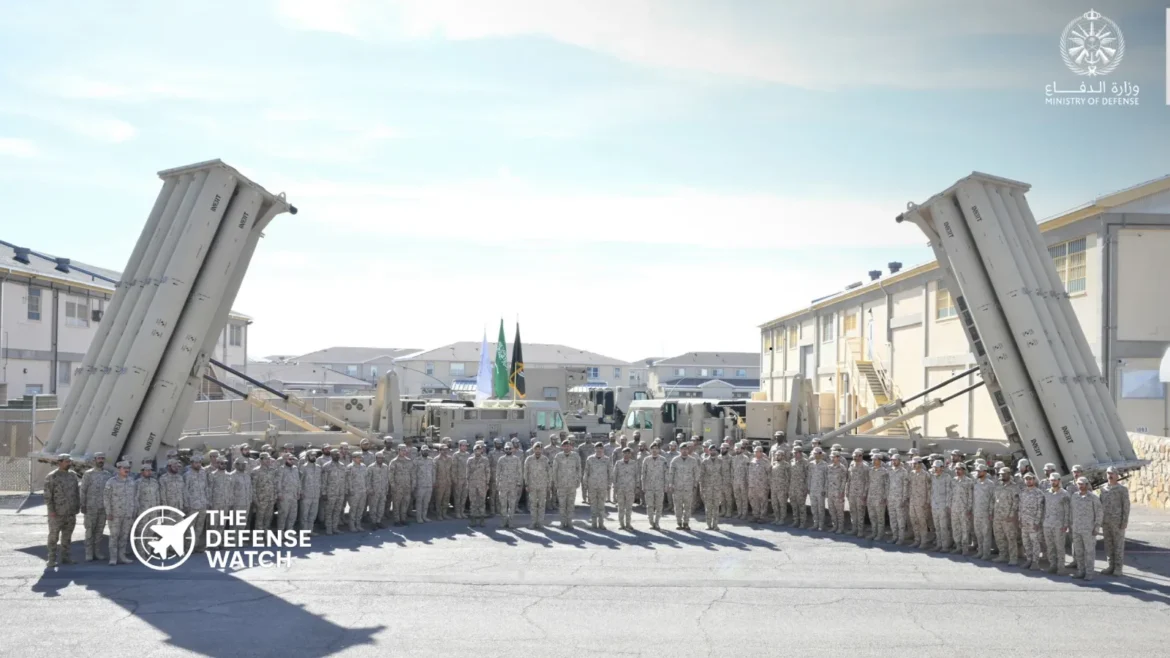
Saudi Arabia completed training for its fourth THAAD battery in the United States, marking another step in fielding U.S. Terminal High Altitude Area Defense systems within the Royal Saudi Air Defense Forces. The training cycle at the Army’s Fort Bliss qualification center covered system operations, fire control, radar coordination, and battery-level procedures ahead of future operational use.
Training Marks Continued Progress
Saudi officials announced January 8 that the latest group finished its full THAAD training at Fort Bliss, Texas. The curriculum matched the qualifications used by U.S. Army and allied units, preparing crews for complex missile defense tasks and integration into broader air defense networks.
The training focused on individual roles such as launcher operation, radar tracking, and command functions before moving to coordinated battery exercises. Completion means crews are now certified to operate under standards consistent with high-altitude ballistic missile defense scenarios.
Part of a Broader Missile Defense Build-Out
Saudi Arabia’s THAAD acquisition stems from a 2017 Foreign Military Sale with the United States valued around $15 billion, which includes seven batteries, associated radars, launchers, and 360 interceptor missiles. The first battery was activated in mid-2025, and successive training and qualification phases have followed.
The fourth battery graduation adds depth to Saudi Arabia’s pool of trained personnel. It supports sustainment rotation and future force generation as additional batteries are equipped and deployed. No timelines or basing plans for newly trained batteries have been released.
THAAD Role in Regional Defense
THAAD is designed to intercept short, medium, and some intermediate-range ballistic missiles during terminal flight inside or just outside the atmosphere using hit-to-kill kinetic interceptors. Its radar and fire control components enhance high-altitude tracking when layered with other Saudi and allied systems.
Lockheed Martin UAE THAAD Sustainment Contract
Lockheed Martin has secured a 142.6 million contract to provide sustainment support for the UAE THAAD missile defense system, reinforcing the long term readiness of the country’s ballistic missile defense architecture.
The contract, awarded by the U.S. Department of Defense, covers logistics, maintenance, and technical services to ensure continued operational availability of the UAE THAAD missile defense system. The work supports one of the most advanced missile defense networks deployed in the Middle East.
According to Army Recognition and U.S. defense officials, the agreement focuses on sustainment activities rather than new system deliveries, highlighting the UAE’s emphasis on maintaining high readiness levels for existing strategic assets.
Sustaining a Key Regional Missile Defense Asset
The Terminal High Altitude Area Defense system is designed to intercept short and intermediate range ballistic missiles during the terminal phase of flight. The UAE became the first international customer for THAAD, integrating it into a layered air and missile defense structure alongside Patriot systems.
Under the new contract, Lockheed Martin will deliver system sustainment, engineering support, and supply chain services. These efforts are intended to preserve system reliability and ensure interoperability with U.S. forces operating in the region.
Strategic Importance for the UAE and the U.S.
The UAE THAAD missile defense deployment plays a central role in regional deterrence amid persistent missile and drone threats. Continued sustainment support strengthens collective defense cooperation between Washington and Abu Dhabi.
Lockheed Martin stated that the program reflects ongoing U.S. commitment to supporting allied missile defense capabilities through long term partnerships and lifecycle support.
The Terminal High Altitude Area Defense (THAAD) system remains a critical component of the United States’ layered missile defense architecture. Built to intercept short-, medium- and limited intermediate-range ballistic missiles during their terminal (and end of midcourse) flight phases, THAAD adds a high-altitude shield to protect U.S. forces, allies, and key territories. This article examines THAAD’s technical specifications, deployment status, strategic role, and future challenges as part of U.S. air defense.
What is THAAD?
Core Capabilities
- THAAD interceptors use “hit-to-kill” kinetic impact to destroy incoming warheads — meaning the interceptor collides directly with the target rather than use proximity explosive detonation.
- The system’s sensors and radar—primarily the AN/TPY-2 X-band radar—can detect, discriminate, and track incoming ballistic missiles, giving THAAD fire control in demanding environments.
Range and Altitude
- THAAD is designed to intercept missiles inside or just outside the atmosphere, which means it operates at altitudes higher than many terminal systems but lower than exoatmospheric midcourse interceptors.
- Its interceptor range is approximately 150–200 kilometers (≈ 93–124 miles) and altitude intercept ceiling is around 150 km.
Deployment and Status
Current Fielding
- As of mid-2024, the U.S. Army operates seven THAAD batteries, each with its own AN/TPY-2 radar.
- Two of those batteries are forward-deployed in the Asia-Pacific: one in Guam and one in South Korea, to help counter threats like North Korea’s intermediate-range ballistic missiles.
- Production of THAAD interceptors began in 2011, and by December 2023 the U.S. had delivered its 800th operational interceptor.
Recent Combat and Export Use
- THAAD systems have been procured by allies, including the United Arab Emirates, and Saudi Arabia (which has an agreement for multiple batteries).
- The UAE THAAD battery saw its first combat intercept in January 2022, successfully destroying a missile launched by Houthi forces.
Strategic Role in U.S. Missile Defense
Layered Defense Architecture
THAAD is not meant to work alone. It fits into a layered defense structure that also includes:
- Patriot/PAC-3 for lower-altitude, short range missile threats in the terminal phase. THAAD covers a higher altitude, longer range piece of that terminal region.
- Aegis BMD / Aegis Ashore systems for midcourse interception and forward defense, especially over seas or allied territories.
- Ground-based Midcourse Defense (GMD) for strategic, long-range threats (e.g. intercontinental ballistic missiles) outside the atmosphere. GMD is not intended to replace THAAD but to complement it in higher altitudes.
Deterrence and Regional Security
- Deployment of THAAD batteries abroad (South Korea, Guam) plays a symbolic and practical role: demonstrating U.S. commitment to allied defense, reassuring partners, and complicating adversary missile planning.
- It contributes to deterrence by denial — making missile attack less likely to succeed. That said, technical, cost, and threat-multiplicity challenges remain.
Challenges & Limitations
Testing & Realism
- Though THAAD has had a strong interception record (e.g. 16 successful tests out of 20 since 2006), the Pentagon’s independent testing office insists more work is needed under “complex engagement conditions and realistic raid scenarios.” That includes multiple simultaneous threats, decoys, countermeasures.
Geographical & Political Constraints
- Positioning of THAAD batteries is key. Even deployed systems may not cover certain strategic areas (for example, in South Korea, the position of a THAAD battery may not protect some high-value areas or borders due to range/geometry).
- Export and deployment abroad often encounter political opposition, especially from other regional powers. For example, China objected strongly when THAAD was deployed in South Korea.
Cost & Proliferation of Threats
- Interceptors and the supporting radar and command infrastructure are expensive. There is always a trade-off: shooting down a relatively cheaper missile with a more expensive interceptor, especially when adversaries can mass produce or adapt threats.
- Emerging threats such as hypersonic glide vehicles, advanced countermeasures, maneuverable reentry vehicles may exceed current capability envelopes of THAAD without upgrades.
Outlook & Future Adaptations
- There is ongoing work to increase the number of THAAD batteries in the U.S. inventory (the eighth battery is funded).
- Improvement efforts include better radar discrimination, faster reaction times, potentially extending THAAD’s range or integrating it more closely with other systems (including sensors in space, aerial cues, etc.).
- The 2022 Missile Defense Review, under the Biden administration, reaffirmed that U.S. homeland defenses are not intended to fully block the missile arsenals of peer adversaries like Russia or China, but to counter limited threats and support allies. THAAD plays into this strategy of layered, regional, and allied missile defenses.
Analysis: Strategic Implications
THAAD fills a unique niche: capable of intercepting ballistic missile threats at high altitude just before impact or reentry, providing both a mid-to-late interception backup layer for systems like Patriot, and a forward shield for regions under threat. In East Asia, for instance, THAAD’s presence in Guam and South Korea gives a broader protective umbrella than many systems otherwise could.
Yet, THAAD is not a panacea. As threats evolve — with more adversaries developing countermeasures, decoys, and hypersonic weapons — THAAD must continue to evolve. Political contestation, budget constraints, and the sheer speed and innovation of missile threats mean that U.S. missile defense policy must balance ambition with realism. The cost-exchange problem (defender paying more per unit than attacker) remains a central issue. Moreover, international perceptions of missile defense deployments affect strategic stability, especially with China and Russia watching U.S. enhancements.
Conclusion
Term High Altitude Air Defense remains a key pillar in U.S. air and missile defense: providing terminal-phase intercept capability at high altitudes, protecting allies, and forming part of a multi-layered missile shield. While it has proven its value through successful tests (and combat in exported units), it faces real challenges both technical and strategic. Its future utility will depend on continued upgrades, realistic testing, strategic deployment, and integration with both regional partners’ defenses and emerging sensor and interceptor systems.
FAQs
What does THAAD stand for and what phase of missile flight does it counter?THAAD stands for Terminal High Altitude Area Defense. It is designed to intercept ballistic missiles in the terminal phase (reentry or descent) and also during the late midcourse phase just before atmospheric reentry.
Can THAAD defend against long-range or intercontinental ballistic missiles (ICBMs)?No, THAAD is not designed to intercept ICBMs in midcourse or boost phases. Those missions are handled by systems like the Ground-based Midcourse Defense (GMD). THAAD’s domain is short, medium, and some intermediate-range threats.
How many THAAD batteries does the U.S. currently have, and where are they deployed?As of mid-2024, the U.S. operates seven THAAD batteries. Two are stationed in the Asia-Pacific: one in Guam, and one in South Korea. An eighth battery has been funded.
Has THAAD ever been used in actual combat?Yes. The UAE’s THAAD battery recorded its first successful combat intercept in January 2022, countering a missile launched by Houthi forces.
What are some limitations of THAAD?Limitations include high cost per interceptor, limited coverage depending on geography, challenges in testing under realistic multi-threat raid scenarios, and evolving missile threats (hypersonic vehicles, countermeasures) that may push beyond current capabilities.