(adsbygoogle = window.adsbygoogle || []).push({});Executive Summary:
Poland has signed a nearly $988 million agreement through the NATO Support and Procurement Agency (NSPA) to acquire several hundred Patriot PAC-2 GEM-T interceptor missiles supplied by Raytheon. The procurement expands Poland’s Patriot missile inventory, strengthens NATO’s eastern flank, and supports the alliance’s broader effort to increase interceptor stockpiles amid growing regional security challenges.
Poland Expands Patriot GEM-T Missile Inventory Through NATO Procurement
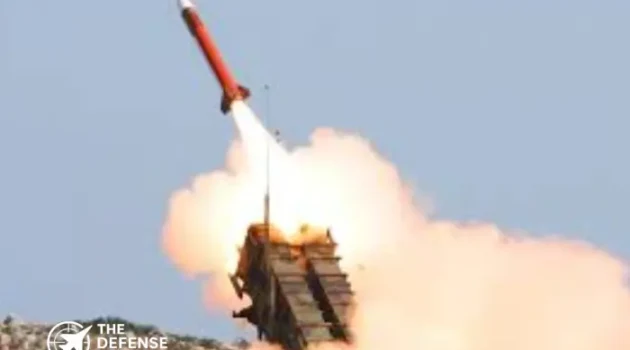
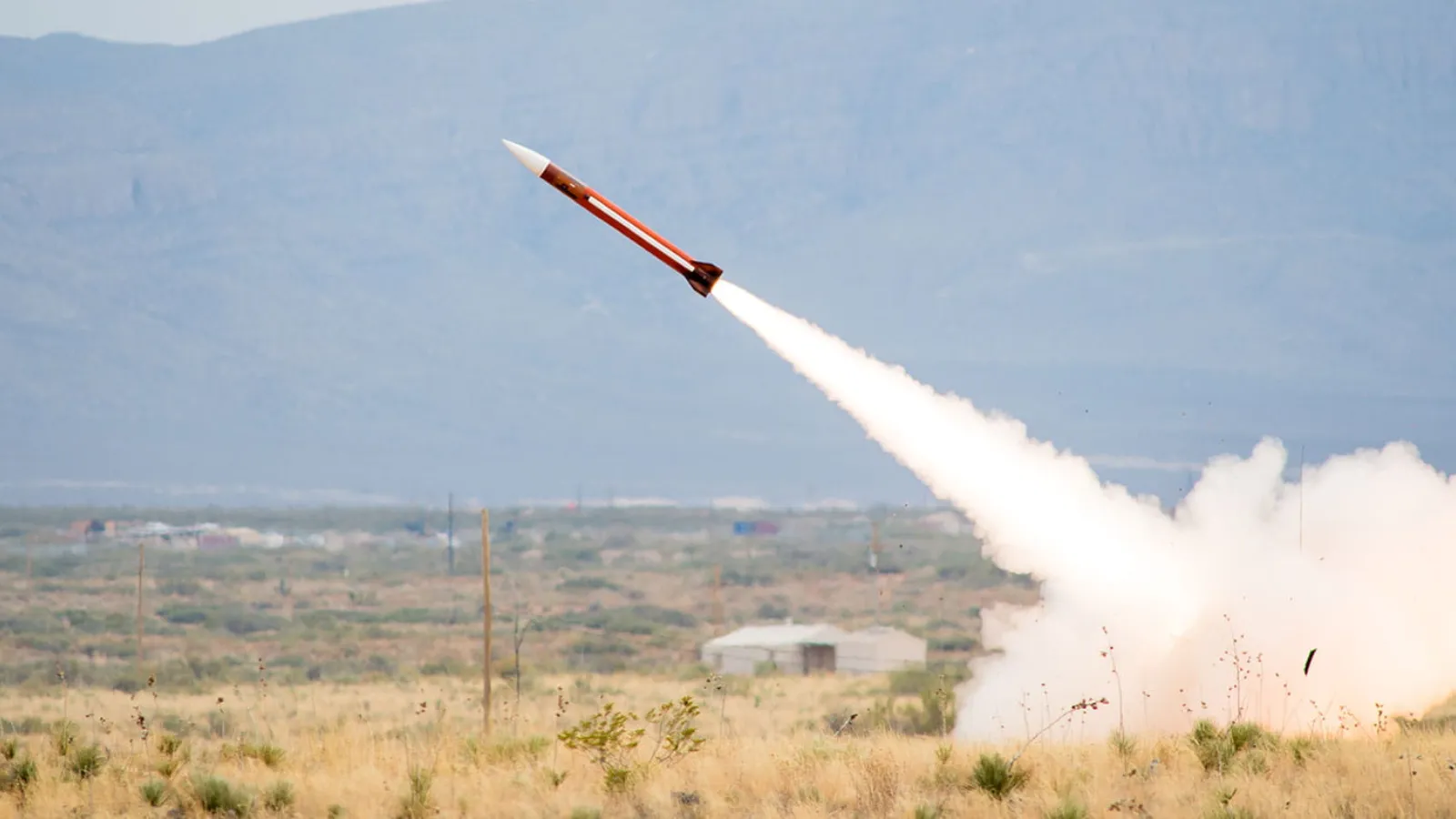
Poland has awarded a nearly $988 million contract through the NATO Support and Procurement Agency (NSPA) for the procurement of several hundred Patriot PAC-2 Guidance Enhanced Missile, Tactical (GEM-T) interceptors supplied by Raytheon, further expanding the country’s integrated air and missile defense capabilities. According to official announcements from Poland’s Armament Agency and NSPA, deliveries are scheduled to begin in the coming months and continue through 2031.
The agreement represents another major milestone in Poland’s long-term Wisła air defense program, which is building one of NATO’s most capable layered missile defense networks on the alliance’s eastern frontier.
Unlike a traditional bilateral purchase, the acquisition was executed through NATO’s multinational procurement framework, allowing member states to benefit from shared contracting, faster acquisition timelines, and greater industrial efficiency.
What The Contract Includes
While officials have not disclosed the exact missile quantity, the agreement covers several hundred PAC-2 GEM-T interceptors valued at approximately $988 million.
atOptions = { ‘key’ : ‘3d48d603f906e3fe9f205be3c4433835’, ‘format’ : ‘iframe’, ‘height’ : 250, ‘width’ : 300, ‘params’ : {} };Program Details Customer Poland Armament Agency Contractor Raytheon (RTX) Procurement Agency NATO Support and Procurement Agency (NSPA) Missile Patriot PAC-2 GEM-T Contract Value Approximately $988 million Deliveries Beginning in 2026 through 2031 Mission Air and missile defense The acquisition follows earlier U.S. approval authorizing Poland to procure up to 788 PAC-2 GEM-T interceptors, providing flexibility for future purchases as Warsaw continues expanding its Patriot inventory.
Why Poland Is Buying GEM-T Missiles
The Patriot system employs multiple interceptor types designed for different threats.
The PAC-3 MSE interceptor specializes in hit-to-kill engagements against advanced ballistic missiles, while the PAC-2 GEM-T uses a blast-fragmentation warhead optimized for engaging aircraft, cruise missiles, drones, and selected ballistic missile threats at longer ranges.
By fielding both interceptor families, Poland gains greater operational flexibility.
Military planners can reserve the more expensive PAC-3 MSE missiles for the most demanding ballistic missile engagements while using GEM-T interceptors against larger volumes of conventional aerial threats.
(adsbygoogle = window.adsbygoogle || []).push({});This layered approach improves both combat effectiveness and inventory management during sustained operations.
Part Of NATO’s Larger Missile Production Strategy
The Polish order fits into a much broader NATO effort to rebuild interceptor inventories following years of increased operational demand.
In 2024, NSPA awarded COMLOG, the joint venture between Raytheon and MBDA Germany, a multinational framework contract covering up to 1,000 Patriot GEM-T missiles for several European allies. The program includes expanding production capacity in Europe to shorten delivery timelines and improve supply resilience.
Additional contract amendments have since replenished German missile inventories, while Sweden joined the multinational procurement initiative, demonstrating growing allied demand for Patriot interceptors.
Strategic Importance For NATO’s Eastern Flank
Poland has become one of NATO’s fastest-growing military powers since Russia’s full-scale invasion of Ukraine.
Warsaw has invested heavily in modern air defense, including Patriot batteries, IBCS command systems, F-35 fighters, Abrams tanks, HIMARS rocket artillery, and other advanced capabilities.
Adding hundreds of GEM-T interceptors substantially increases Poland’s capacity to defend critical military infrastructure, population centers, logistics hubs, and allied forces operating along NATO’s eastern border.
From NATO’s perspective, expanding interceptor inventories is becoming just as important as acquiring additional launchers. Modern conflicts have demonstrated that sustained air and missile campaigns can rapidly consume missile stockpiles, making industrial production capacity a critical element of deterrence.
The multinational procurement model also distributes manufacturing across allied industries while reducing acquisition costs through larger combined orders. That approach improves resilience against supply chain disruptions and helps NATO maintain adequate inventories during prolonged crises.
Growing European Industrial Capacity
Beyond the immediate missile deliveries, the contract highlights NATO’s broader strategy of expanding defense manufacturing within Europe.
COMLOG has been increasing GEM-T production capability in Germany, while allied governments continue investing in regional maintenance, sustainment, and missile production infrastructure.
Separately, U.S. officials have announced plans to establish a European maintenance facility for the Patriot PAC-3 missile, reflecting Washington’s broader effort to improve missile readiness and industrial cooperation across the alliance.
Taken together, these initiatives are intended to improve supply security, shorten maintenance cycles, and ensure that Patriot operators can sustain high readiness as demand for advanced air defense systems continues to grow across Europe.
Get real time update about this post category directly on your device, subscribe now.