
Executive Summary:
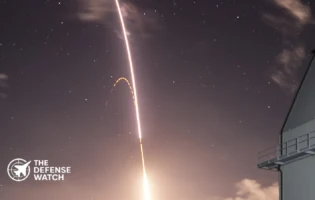
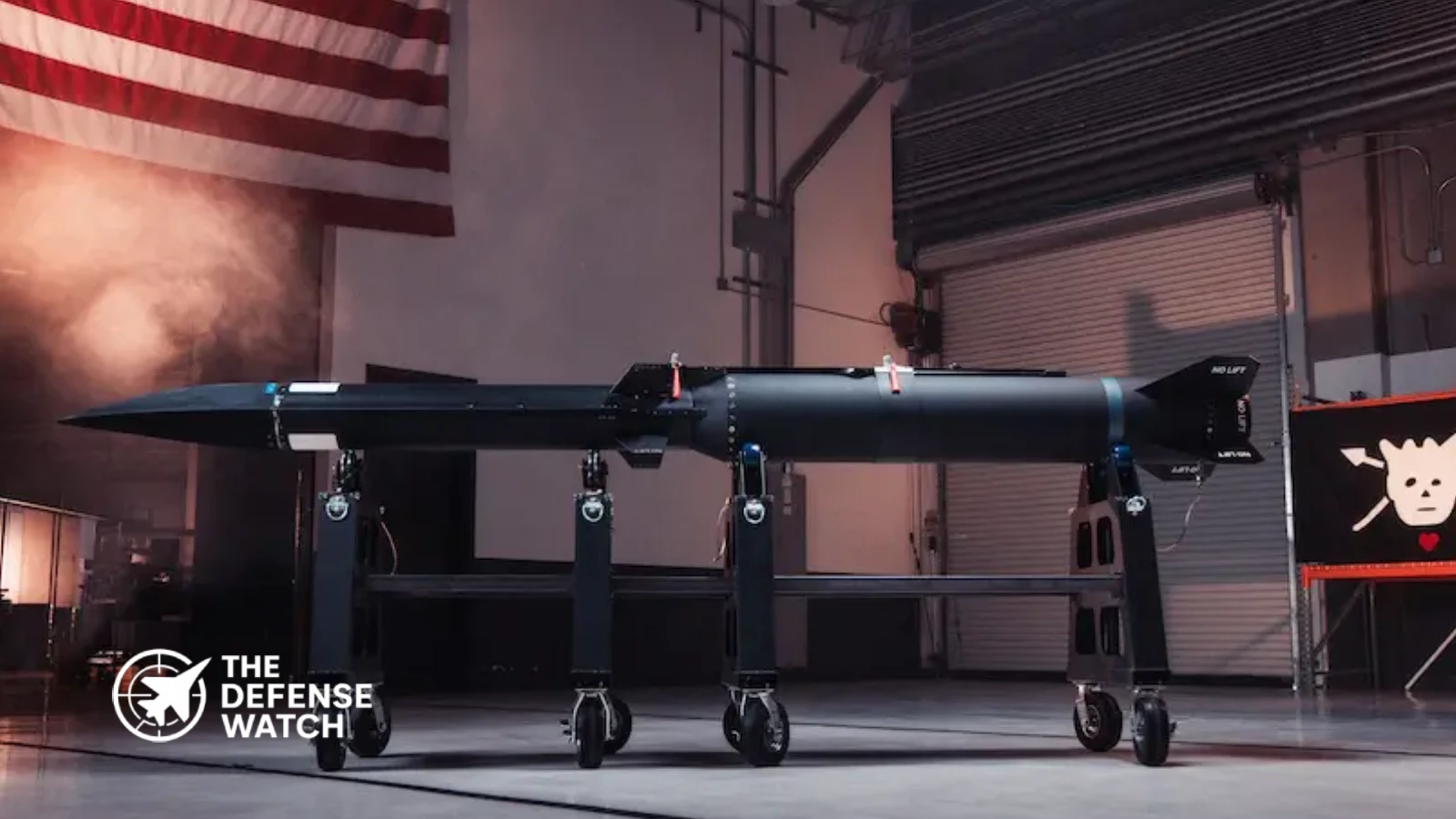
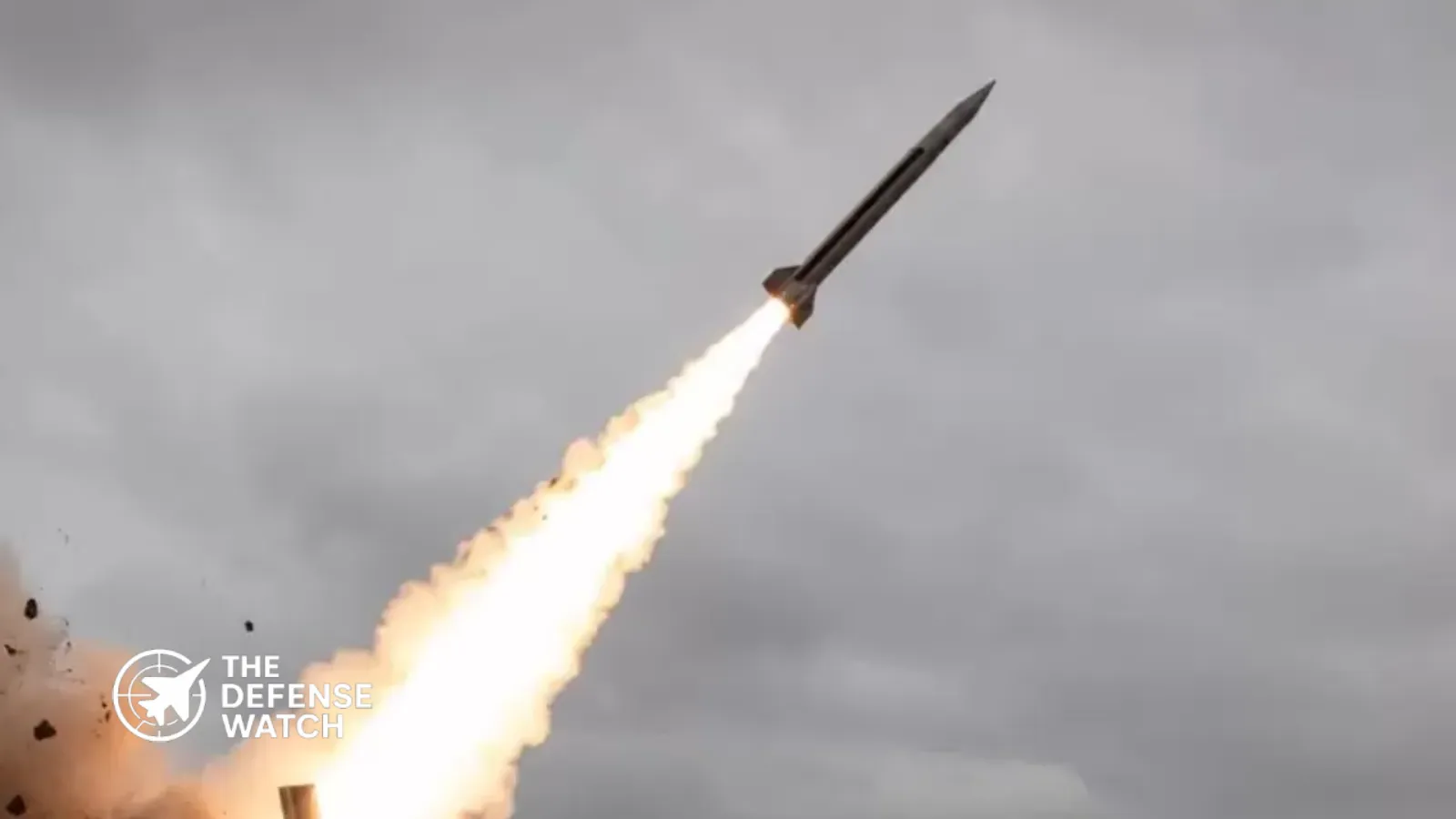
The FREYA anti ballistic missile program has expanded with the addition of leading European defense companies as coalition members seek to develop a shared missile defense capability for Europe. The initiative aims to strengthen protection against increasingly sophisticated ballistic missile threats while expanding Europe’s industrial and technological cooperation in strategic air and missile defense.
European Industry Expands FREYA Anti Ballistic Missile Program
The FREYA anti ballistic missile program has entered a new phase as additional European defense companies joined the multinational initiative to develop a common ballistic missile defense capability. The expansion, announced by the FREYA coalition, broadens industrial participation across Europe as governments seek to accelerate the development of next generation missile defense technologies.
- European Industry Expands FREYA Anti Ballistic Missile Program
- Coalition Seeks Shared European Missile Defense Capability
- European Defense Industry Broadens Participation
- Why Ballistic Missile Defense Is Becoming More Important
- Strategic Importance For Europe
- Technical Challenges Ahead
- Broader Defense Implications
The initiative reflects growing concern over the proliferation of advanced ballistic missile systems and the need for Europe to strengthen its ability to defend critical infrastructure, military installations, and population centers against long range missile attacks.
According to the program announcement, the expanded industrial partnership is intended to combine expertise from multiple European defense sectors while supporting greater technological sovereignty and interoperability among participating nations.
Coalition Seeks Shared European Missile Defense Capability
FREYA is designed as a collaborative European effort rather than a single national procurement program. Its objective is to establish a common framework for developing future anti ballistic missile technologies that can be integrated across allied defense networks.
The coalition believes a shared approach offers several advantages, including:
| Objective | Operational Benefit |
|---|---|
| Shared interceptor development | Reduces duplication of national programs |
| Common architecture | Improves interoperability among participating nations |
| Industrial cooperation | Strengthens Europe’s defense manufacturing base |
| Joint technology investment | Accelerates innovation while lowering long term development costs |
The program also aligns with broader European efforts to increase defense industrial cooperation following rising security concerns across the continent.
European Defense Industry Broadens Participation
The latest expansion brings together additional companies with expertise spanning missile systems, sensors, command and control, advanced propulsion, guidance technologies, radar integration, and system engineering.
Although participating firms maintain different areas of specialization, the coalition intends to combine these capabilities into a comprehensive missile defense architecture capable of addressing future ballistic missile threats.
Industrial cooperation is expected to cover several technical disciplines, including:
- Advanced interceptor technologies
- Multi layer missile defense integration
- High performance radar systems
- Target tracking and discrimination
- Battle management software
- Guidance, navigation, and control systems
- Digital engineering and simulation
Officials emphasized that collaboration across multiple industrial partners will be essential given the increasing complexity of modern missile defense requirements.
Why Ballistic Missile Defense Is Becoming More Important
Modern ballistic missile threats continue to evolve in both range and sophistication.
Potential adversaries are fielding missiles featuring improved maneuverability, higher terminal velocities, decoys, and more complex flight profiles that challenge existing interception systems.
As a result, missile defense increasingly depends on integrated networks rather than individual interceptor batteries.
An effective defensive architecture generally combines:
- Long range surveillance radars
- Space and airborne sensors
- Command and control networks
- Fire control systems
- Multiple interceptor layers
This networked approach allows commanders to detect launches earlier, track incoming threats throughout flight, and assign the most suitable interceptor while minimizing engagement delays.
Strategic Importance For Europe
The expansion of the FREYA program illustrates Europe’s growing emphasis on strengthening indigenous defense capabilities while reducing dependence on external suppliers for critical strategic technologies.
In recent years, European governments have significantly increased investment in air and missile defense as the security environment has become more demanding.
A cooperative development model also supports common operational standards, making future multinational deployments easier while simplifying logistics, maintenance, and training across allied armed forces.
For NATO members, greater compatibility between national missile defense assets improves collective defense planning even when individual countries operate different interceptor systems.
Technical Challenges Ahead
Developing an effective anti ballistic missile capability remains among the most technically demanding defense projects.
Intercepting ballistic missiles often requires extremely high closing speeds, precise tracking, advanced discrimination algorithms, and reliable communications across multiple sensors.
Several major engineering challenges remain:
| Challenge | Importance |
| Hypersonic target tracking | Essential for future threat environments |
| Sensor fusion | Combines multiple radar and sensor inputs into one operational picture |
| Interceptor guidance | Enables precise hit to destroy engagements |
| Network resilience | Maintains command and control during contested operations |
| System interoperability | Allows multinational integration across allied forces |
Addressing these challenges requires sustained investment across both government and industry, making multinational cooperation increasingly attractive for large scale missile defense programs.
Broader Defense Implications
The FREYA initiative represents more than a technology development effort. It reflects a broader shift toward collaborative European defense procurement at a time when governments are seeking faster modernization while strengthening industrial resilience.
By pooling research, engineering expertise, and production capacity, participating nations aim to shorten development timelines and improve affordability compared with independently pursuing similar capabilities.
The program also supports Europe’s long term objective of maintaining a competitive defense industrial base capable of developing advanced strategic systems domestically.
While the initiative remains under development, its expanding industrial participation demonstrates growing momentum behind multinational missile defense cooperation and highlights the increasing priority governments are placing on protecting Europe against evolving ballistic missile threats.