

(adsbygoogle = window.adsbygoogle || []).push({});Executive Summary:
The United Kingdom has ordered hundreds of additional Martlet Lightweight Multirole Missiles under new contracts worth £36 million, reinforcing its ability to counter the growing threat posed by drones and loitering munitions. The procurement follows extensive operational use of the missile in the Middle East and reflects a broader shift toward affordable, high-volume air defense solutions capable of defeating low-cost aerial threats.
UK Expands Martlet Missile Procurement to Counter Growing Drone Threat
The UK’s latest Martlet missile procurement marks another significant step in the evolution of modern counter-drone warfare. According to announcements by the UK Ministry of Defence and defense manufacturer Thales, Britain has signed contracts worth approximately £36 million for hundreds of additional Lightweight Multirole Missiles (LMM), known operationally as Martlet. Deliveries are expected to begin in the coming months and continue throughout 2026.
The decision follows increasing operational demand for air defense interceptors capable of defeating unmanned aerial systems (UAS). British forces have employed Martlet missiles extensively during operations in the Middle East, where drones have emerged as one of the most persistent threats to deployed military personnel, airbases, and naval assets.
Defense Secretary John Healey stated that the missiles will help maintain security for British forces and allied partners operating in contested environments.
Why the Martlet Missile Has Become a Key Counter-Drone Weapon
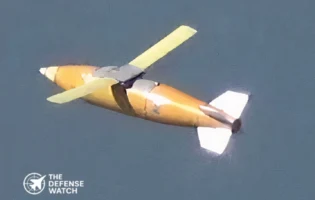
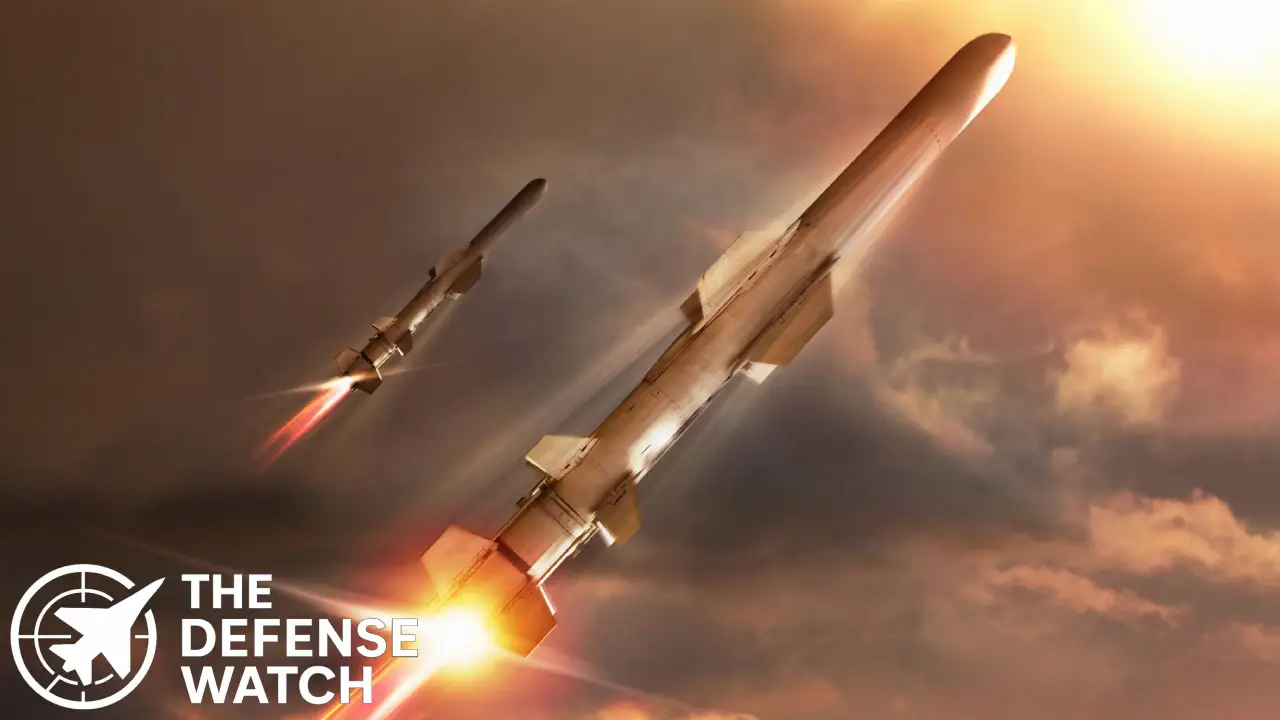
Originally developed by Thales UK, the Martlet Lightweight Multirole Missile was designed to provide a highly flexible precision-guided weapon capable of engaging both aerial and surface targets.
-
(adsbygoogle = window.adsbygoogle || []).push({});
Unlike larger and more expensive surface-to-air missiles, Martlet offers a relatively low-cost interceptor option specifically suited for defeating small drones, helicopters, fast attack craft, and other short-range threats. Its design aligns with a growing defense requirement worldwide: destroying inexpensive drones without relying on costly strategic missiles.
Martlet Missile Key Specifications
Specification Details Official Name Lightweight Multirole Missile (LMM) Operational Name Martlet Manufacturer Thales UK Weight Approximately 13 kg Length Approximately 1.3 m Range More than 6 km, up to 8 km depending on launch profile Guidance Laser beam-riding guidance Warhead 3 kg blast fragmentation Maximum Speed Around Mach 1.5 Primary Targets Drones, helicopters, small boats, light vehicles The missile’s laser beam-riding guidance system provides strong resistance to electronic warfare and jamming, an increasingly important characteristic as adversaries invest heavily in electronic attack capabilities.
Operational Experience Is Driving Procurement Decisions
The latest order is not merely a stockpile replenishment effort. It reflects lessons learned from real-world combat operations.
British military personnel have used Martlet missiles to intercept dozens of drones during deployments in the Middle East. Reports indicate that the system has achieved multiple successful engagements against one-way attack drones and other low-cost aerial threats targeting coalition positions.
The Royal Navy has also expanded Martlet’s role. The missile recently achieved Full Operating Capability (FOC) aboard AW159 Wildcat helicopters, allowing operators to employ the weapon more effectively against both airborne and maritime targets. Trials demonstrated successful launches from significantly lower altitudes than originally envisioned, increasing operational flexibility.
A Broader Shift in Air Defense Doctrine
The significance of the procurement extends beyond the missile itself.
Modern conflicts in Ukraine, the Middle East, and elsewhere have demonstrated that drones can overwhelm traditional air defense systems through sheer volume. Expensive interceptor missiles costing hundreds of thousands or even millions of dollars are often poorly matched against drones costing only a fraction of that amount.
(adsbygoogle = window.adsbygoogle || []).push({});This reality is driving militaries toward layered air defense architectures that combine high-end interceptors with lower-cost systems such as Martlet.
In practical terms, Martlet fills a critical engagement tier between:
- Conventional anti-aircraft guns
- Electronic warfare systems
- High-performance surface-to-air missiles
- Directed-energy weapons currently under development
This layered approach enables commanders to reserve expensive interceptors for high-value threats while using cost-effective missiles against mass drone attacks.
Implications for NATO and Allied Forces
The UK’s investment also reflects wider NATO concerns regarding drone proliferation.
Unmanned systems are now being fielded by state militaries, proxy groups, and non-state actors at unprecedented scale. Protecting airfields, logistics hubs, warships, and critical infrastructure increasingly requires large inventories of affordable interceptors.
The Martlet program contributes directly to this requirement. Beyond British service, the missile has been supplied to Ukraine as part of London’s broader military assistance efforts, highlighting its growing role within allied air defense networks.
The procurement also supports the UK’s domestic defense industrial base. Production is centered in Belfast, where Thales maintains missile manufacturing facilities that support hundreds of skilled jobs while expanding national munitions production capacity.
Strategic Outlook
The UK’s decision to procure additional Martlet missiles underscores a broader transformation in military air defense planning. As drones become cheaper, more numerous, and more capable, the challenge is no longer simply detecting threats, but defeating them at sustainable cost.
(adsbygoogle = window.adsbygoogle || []).push({});Martlet offers one answer to that challenge. Its operational record, multi-platform integration, resistance to electronic interference, and relatively low engagement cost make it an increasingly valuable component of Britain’s evolving air defense architecture.
For defense planners across NATO and beyond, the latest procurement serves as another indication that future air defense will depend not only on advanced sensors and high-end missiles, but also on scalable, affordable interceptors capable of countering persistent drone threats at volume.