

(adsbygoogle = window.adsbygoogle || []).push({});Executive Summary:
Greece is moving ahead with plans to acquire three Embraer C-390 military transport aircraft as part of a broader €1 billion to €1.2 billion defense procurement package approved by a parliamentary committee on June 11, 2026. The package also includes drones from the United States and Israel, British-built mini-submarines for special operations forces, and upgrades for Greek Navy frigates, reinforcing Athens’ long-term military modernization strategy.
Greece Advances Embraer C-390 Acquisition Plan
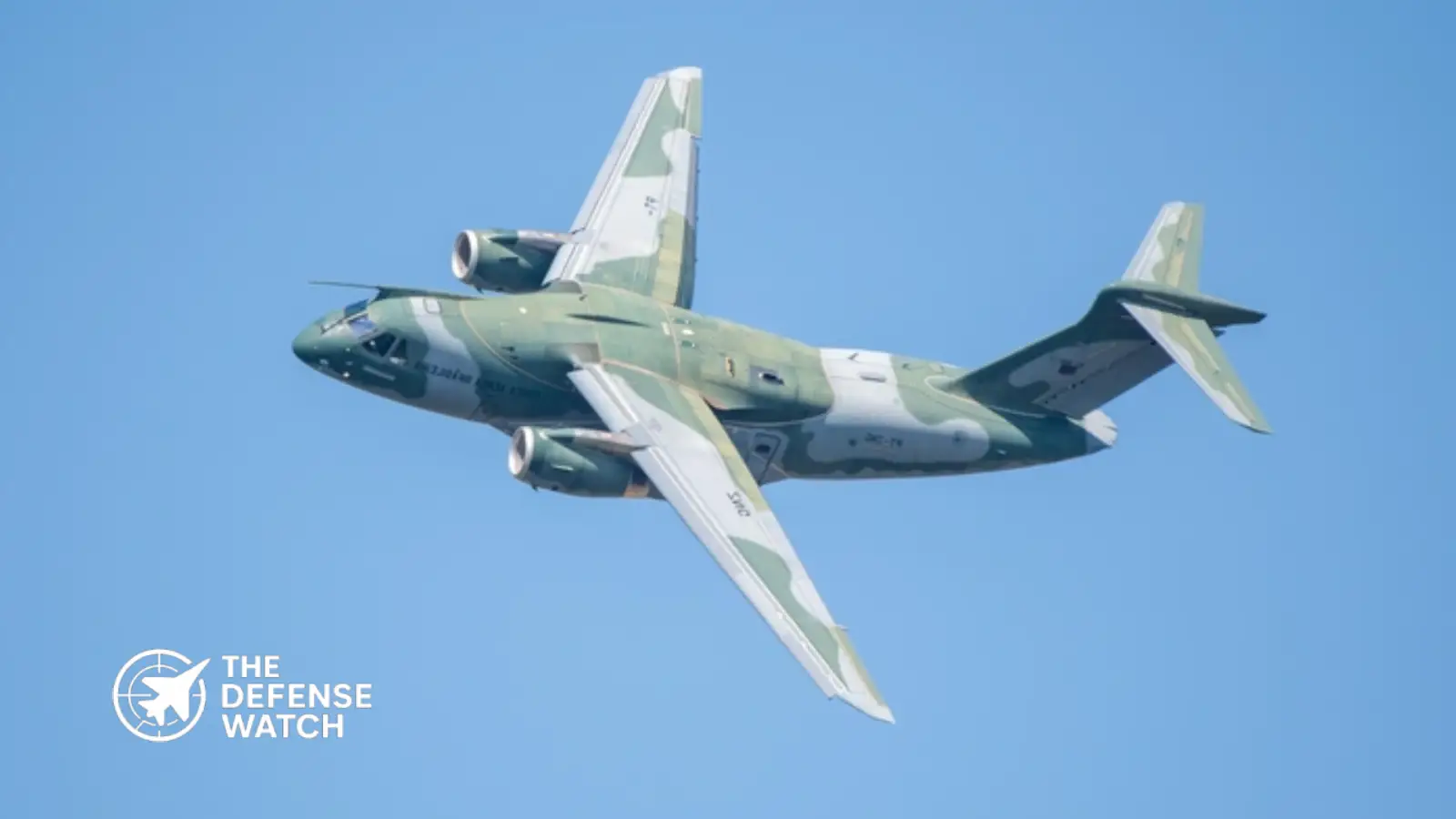
Greece is set to acquire three Embraer C-390 Millennium military transport aircraft following approval by a parliamentary committee reviewing a major defense procurement package valued between €1 billion and €1.2 billion, according to Reuters reporting citing sources familiar with the matter. The acquisition forms part of Athens’ broader effort to modernize its armed forces and replace aging airlift capabilities.
The procurement package still requires final approval from Greece’s Government Council for Foreign Affairs and Defense (KYSEA), the country’s highest defense decision-making body. However, officials familiar with the process expect approval to be granted.
Approximately half of the package’s value will reportedly be allocated to the purchase of the C-390 aircraft and associated support services.
(adsbygoogle = window.adsbygoogle || []).push({});Defense Package Includes Drones and Special Operations Capabilities
Beyond the transport aircraft acquisition, Greece plans to procure several additional systems designed to strengthen operational flexibility across multiple domains.
The package includes:
System Quantity Origin Mission Embraer C-390 Millennium 3 Brazil Tactical and strategic airlift Heron UAV System 1 system Israel Intelligence, surveillance, reconnaissance V-BAT UAVs 10 United States Tactical reconnaissance and maritime surveillance VICTA Mini-Submarines 10 United Kingdom Special operations insertion MEKO-200 Frigate Upgrades 4 vessels Germany Naval modernization The combination of airlift, unmanned systems, naval modernization, and special operations capabilities reflects a multi-domain modernization approach rather than a single-service procurement effort.
(adsbygoogle = window.adsbygoogle || []).push({});Why Greece Is Replacing Its Transport Fleet
The Hellenic Air Force currently relies on aging Lockheed C-130 aircraft and Alenia C-27J transport aircraft, many of which have faced availability and maintenance challenges in recent years. Greece has been evaluating options to restore and expand its tactical airlift capacity amid growing operational requirements.
Greek Defense Minister Nikos Dendias publicly confirmed Athens’ interest in the C-390 during a visit to Portugal earlier this year. Portugal was the first NATO member to adopt the aircraft and has become a key European operator of the platform.
The C-390 offers several advantages for medium-sized air forces seeking to balance capability, operating costs, and logistical flexibility.
(adsbygoogle = window.adsbygoogle || []).push({});Key C-390 Capabilities
- Tactical and strategic airlift operations
- Aerial refueling capability (KC-390 variant)
- Medical evacuation missions
- Humanitarian assistance and disaster relief
- Cargo and troop transport
- Operations from semi-prepared runways
The aircraft has gained increasing international traction across NATO and partner nations, positioning itself as a modern alternative in the medium transport aircraft segment.
Strategic Importance for Greece
The acquisition carries significance beyond simple fleet replacement.
Greece occupies a critical position on NATO’s southeastern flank, with responsibilities spanning the Aegean Sea, Eastern Mediterranean, and wider regional security architecture. Rapid transport capabilities are essential for moving personnel, equipment, and supplies among mainland bases and island territories.
Enhanced air mobility also supports Greece’s participation in NATO operations, humanitarian missions, and regional crisis response efforts.
(adsbygoogle = window.adsbygoogle || []).push({});Athens has consistently emphasized the need to maintain military readiness amid longstanding tensions with neighboring Turkey. While the procurement is part of a broader modernization roadmap rather than a direct response to a single development, improved airlift capacity strengthens Greece’s ability to sustain operations across dispersed geographic areas.
Industrial and Defense Cooperation Opportunities
The proposed purchase could also deepen defense-industrial cooperation between Greece and Embraer.
In May 2026, Embraer and the Hellenic Aerospace Industry (EAB) signed a memorandum of understanding intended to support future C-390 operations and maintenance activities in Greece. The agreement seeks to develop local support capabilities and strengthen domestic aerospace expertise.
Such arrangements are increasingly important as European nations seek greater operational self-sufficiency and improved sustainment capacity for advanced military platforms.
If finalized, Greece would join a growing list of international C-390 operators and customers, further expanding the aircraft’s presence within NATO and allied air forces.
(adsbygoogle = window.adsbygoogle || []).push({});Part of a €28 Billion Long-Term Military Modernization Program
The C-390 procurement is one element of Greece’s broader defense transformation effort.
Athens plans to spend approximately €28 billion on military modernization through 2036, targeting improvements across air, naval, land, cyber, and unmanned capabilities. The initiative follows years of constrained defense spending during Greece’s debt crisis and reflects renewed investment in force readiness and modernization.
The latest package demonstrates how Greece is pursuing a balanced force structure that combines traditional platforms such as transport aircraft and frigates with emerging capabilities including drones and specialized maritime systems.
For NATO planners, the procurement strengthens a key southeastern ally’s ability to support regional operations and sustain military readiness in a strategically important theater.

(adsbygoogle = window.adsbygoogle || []).push({});Executive Summary:
General Atomics AeroTec Systems has announced the first customer for its new Do228 NXT aircraft, marking a major milestone for the program. The launch customer, an unnamed humanitarian organization, will use the aircraft for special mission and relief operations, with delivery scheduled for early 2027. The deal provides an early validation of the platform’s operational flexibility and market potential.
General Atomics Secures First Do228 NXT Customer For Humanitarian Operations
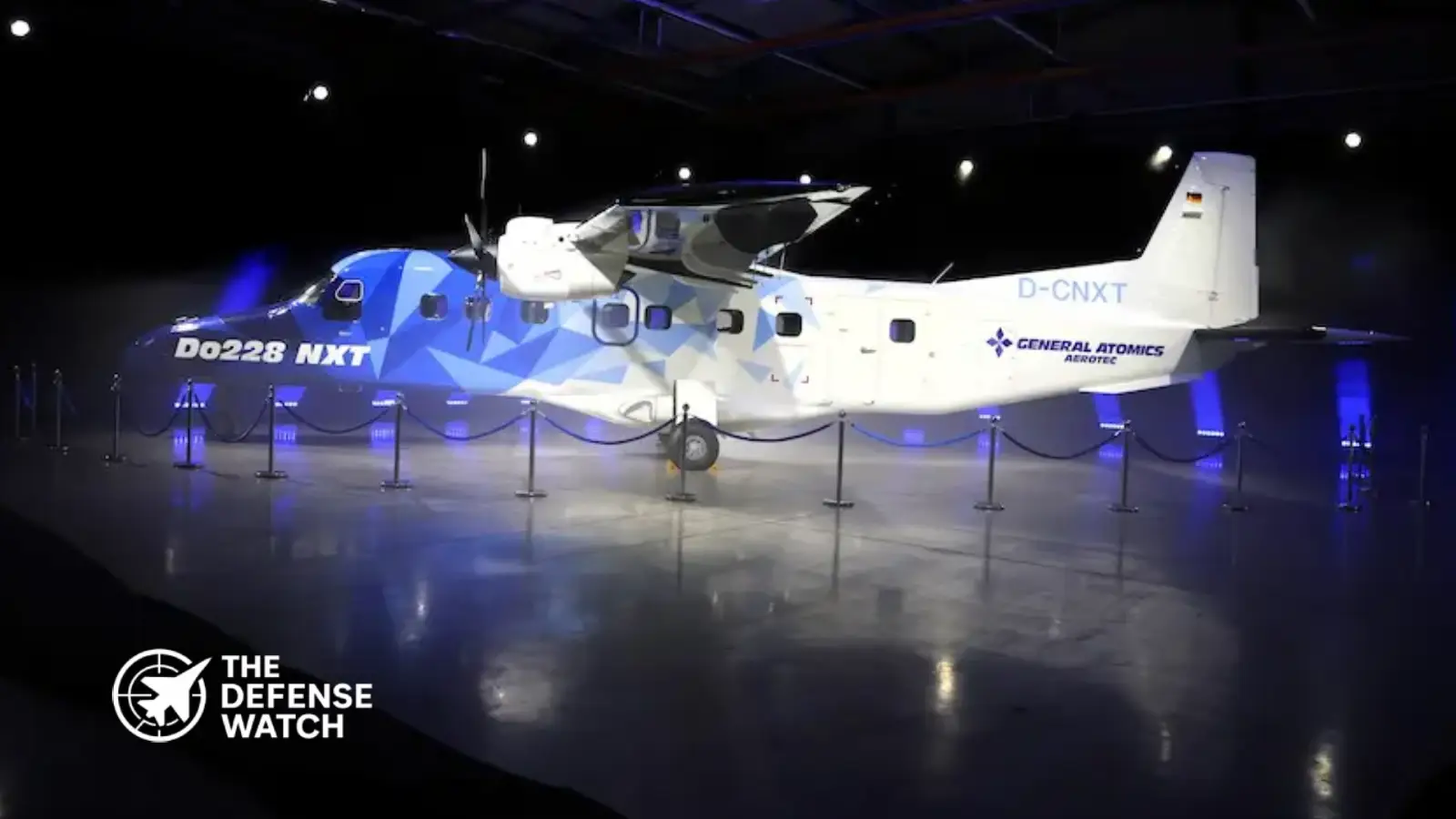
General Atomics AeroTec Systems (GA-ATS) has announced the first customer for its Do228 NXT aircraft, a significant step forward for the German-built multi-role turboprop program. The launch customer is a non-governmental organization (NGO) engaged in humanitarian operations that has requested anonymity due to operational considerations. The aircraft is expected to be delivered in early 2027.
The announcement comes only weeks after the Do228 NXT completed its first flight and days after its official public rollout in Oberpfaffenhofen, Germany. The rapid progression from flight testing to securing a launch customer highlights growing confidence in the aircraft’s capabilities and mission adaptability.
(adsbygoogle = window.adsbygoogle || []).push({});A Platform Designed For Challenging Missions
According to GA-ATS, the Do228 NXT will be configured specifically for humanitarian and special mission operations. While the company has not disclosed detailed mission equipment, it stated that the aircraft will incorporate technologies supporting situational awareness, communications, mission coordination, and response operations in demanding environments.
The Do228 NXT builds on the legacy of the Dornier 228, an aircraft with decades of service across passenger transport, cargo logistics, maritime surveillance, medical evacuation, and disaster relief missions. The latest variant introduces upgraded avionics, a modernized cockpit and cabin, enhanced mission systems, and improvements throughout the supply chain aimed at reducing operational costs and increasing reliability.
Powered by two Honeywell TPE331-10 turboprop engines, the aircraft retains the Dornier platform’s well-known short takeoff and landing (STOL) performance, allowing operations from austere airstrips and remote locations where humanitarian organizations frequently operate.
(adsbygoogle = window.adsbygoogle || []).push({});Why The First Customer Matters
Securing a launch customer is often one of the most important milestones for a newly developed aircraft program. For the Do228 NXT, the agreement provides early market validation at a time when governments, humanitarian agencies, and security organizations are seeking versatile aircraft capable of performing multiple missions without requiring large logistical footprints.
Unlike many modern aircraft programs that initially focus on military procurement, the Do228 NXT’s first customer comes from the humanitarian sector. This demonstrates the platform’s flexibility and suggests that operators see value in its ability to transition between disaster response, medical evacuation, surveillance, transport, and logistics missions.
The choice of a humanitarian operator is also notable because such organizations often prioritize operational reliability, low operating costs, and the ability to access remote regions. Those requirements closely align with the aircraft’s STOL design and multi-role mission architecture.
(adsbygoogle = window.adsbygoogle || []).push({});Part Of A Broader General Atomics Strategy
The customer announcement arrives during a period of renewed investment by General Atomics in European aerospace manufacturing. Following the acquisition of the Oberpfaffenhofen facility and the Dornier 228 program in 2021, GA-ATS restarted production and developed the Do228 NXT as a next-generation evolution of the proven platform.
The company has positioned the aircraft for civil, government, military, and special mission operators. Industry observers view the program as an effort to fill a niche between larger transport aircraft and smaller utility platforms, particularly in missions requiring flexibility, endurance, and access to remote operating locations.
(adsbygoogle = window.adsbygoogle || []).push({});Market Outlook
Demand for special mission aircraft continues to grow as governments and humanitarian organizations face increasingly complex disaster response, border security, environmental monitoring, and emergency medical support requirements.
The Do228 NXT enters a market where versatility often outweighs speed or payload capacity. Its ability to support multiple mission sets from a single airframe could make it attractive to operators with limited budgets but diverse operational demands.
With its first customer now secured and deliveries expected to begin in 2027, the Do228 NXT program has moved beyond the demonstration phase and into the commercial execution stage. Future orders from government agencies, humanitarian organizations, and security operators will likely determine how significant a role the aircraft plays in the global special mission aviation market.
(adsbygoogle = window.adsbygoogle || []).push({});Executive Summary:
Airbus has launched a new industrial consortium called Team Gen 6 after the collapse of the Franco-German-Spanish FCAS fighter program. The initiative aims to preserve European sixth-generation fighter development capability under a German-led framework. The move reflects widening fractures in Europe’s previous joint combat aircraft effort and a shift toward nationally anchored industrial programs.
Airbus Team Gen 6 Sixth Generation Fighter Emerges After FCAS Collapse
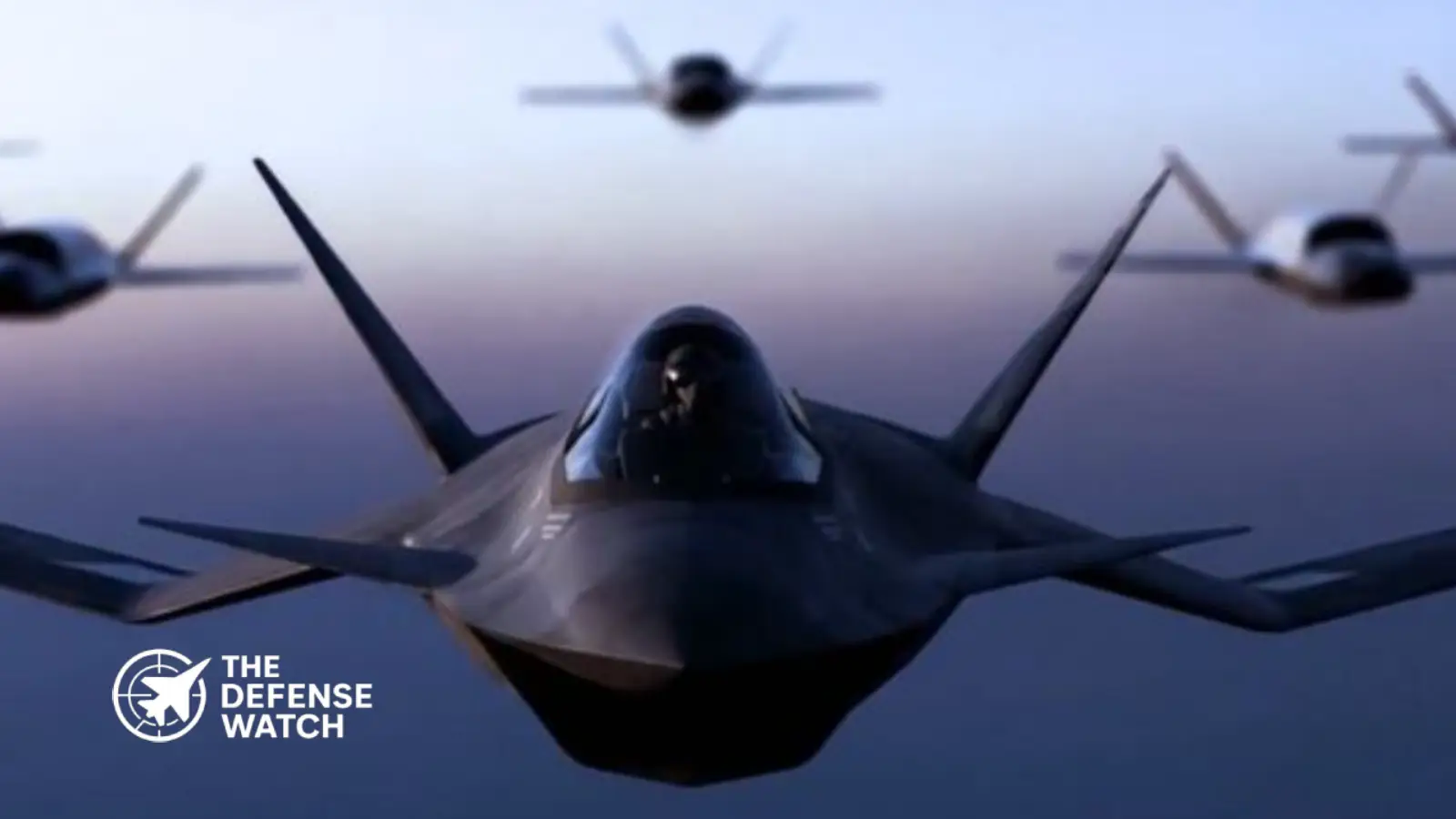
The Airbus Team Gen 6 sixth generation fighter initiative marks a major reset in European combat aircraft development following the breakdown of the FCAS program. The announcement was made during the ILA Berlin 2026 air show, where Airbus and a group of German and European defense firms outlined a new path forward for next-generation air combat capability.
According to reporting from defense media at ILA Berlin and industry statements, the move follows the effective end of the Franco-German-Spanish New Generation Fighter effort after sustained disagreements over leadership, design authority, and industrial workshare.
(adsbygoogle = window.adsbygoogle || []).push({});FCAS Collapse Reshapes European Fighter Development
The Future Combat Air System was originally launched in 2017 as a trilateral effort between France, Germany, and Spain to develop a sixth-generation fighter ecosystem centered on a manned aircraft, unmanned teaming systems, and a digital combat cloud.
However, long-running disputes between industrial partners ultimately stalled progress. The breakdown between Airbus Defence and Space and Dassault Aviation over program leadership and design authority became a key factor in the program’s collapse.
Recent reporting confirms that European governments effectively ended the manned fighter component of FCAS in early June 2026, clearing the way for alternative national and industrial approaches.
This outcome has left a capability gap in Europe’s planned next-generation air combat roadmap, particularly as peer competitors accelerate their own sixth-generation efforts.
(adsbygoogle = window.adsbygoogle || []).push({});Airbus Team Gen 6 Consortium Structure and Goals
In response, Airbus has formed an eight-company industrial alliance under the Team Gen 6 banner. The group includes:
- Airbus Defence and Space
- MBDA
- Hensoldt
- Diehl Defence
- MTU Aero Engines
- Liebherr
- Autoflug
- Rohde & Schwarz
The consortium is positioning itself as a Germany-centered industrial base for a future sixth-generation fighter aircraft program.
Initial statements indicate the group has already submitted a position paper to German defense authorities outlining its vision for a next-generation combat aircraft and urging timely procurement decisions.
The initiative reflects an effort to retain key aerospace engineering and defense technology skills within Europe, particularly in avionics, propulsion, sensors, and systems integration.
(adsbygoogle = window.adsbygoogle || []).push({});Strategic Shift Away From Multinational Dependence
The emergence of Airbus Team Gen 6 signals a broader shift in European defense procurement dynamics.
Instead of a tightly integrated multinational fighter program, Europe now appears to be moving toward parallel national or regional development paths. Germany is emerging as the primary anchor for the new effort, while France is expected to pursue alternative options following the FCAS breakdown.
Defense analysts note that this fragmentation increases short term industrial competition but may also accelerate parallel innovation streams across European aerospace firms.
At the same time, policymakers in Berlin are reportedly evaluating multiple options, including participation in other international programs or additional procurement of fifth generation aircraft to bridge capability gaps.
(adsbygoogle = window.adsbygoogle || []).push({});Industrial and Strategic Implications
The collapse of FCAS and the rise of Team Gen 6 highlight several structural issues in European defense collaboration:
First, differing national operational requirements continue to challenge joint fighter development programs. France, Germany, and Spain had diverging priorities around carrier compatibility, strike range, and aircraft size.
Second, industrial leadership disputes remain a persistent barrier in high value defense programs, particularly when major primes compete for control of design authority.
Third, Europe now faces increased pressure to maintain technological parity with emerging sixth-generation programs being developed in the United States, United Kingdom, Italy, Japan, and China.
While Team Gen 6 aims to preserve industrial continuity, the program is still in an early conceptual stage, with detailed design and funding pathways yet to be fully defined.
(adsbygoogle = window.adsbygoogle || []).push({});Perspective
From a defense industry standpoint, the Team Gen 6 initiative is less a finalized program and more a structured attempt to prevent capability fragmentation after FCAS. It preserves workforce continuity and technical expertise while governments reassess long term procurement strategies.
The key question going forward is whether Germany can convert this industrial consortium into a fully funded state-backed development program, or whether it remains a preparatory framework for future international cooperation.

Executive Summary:
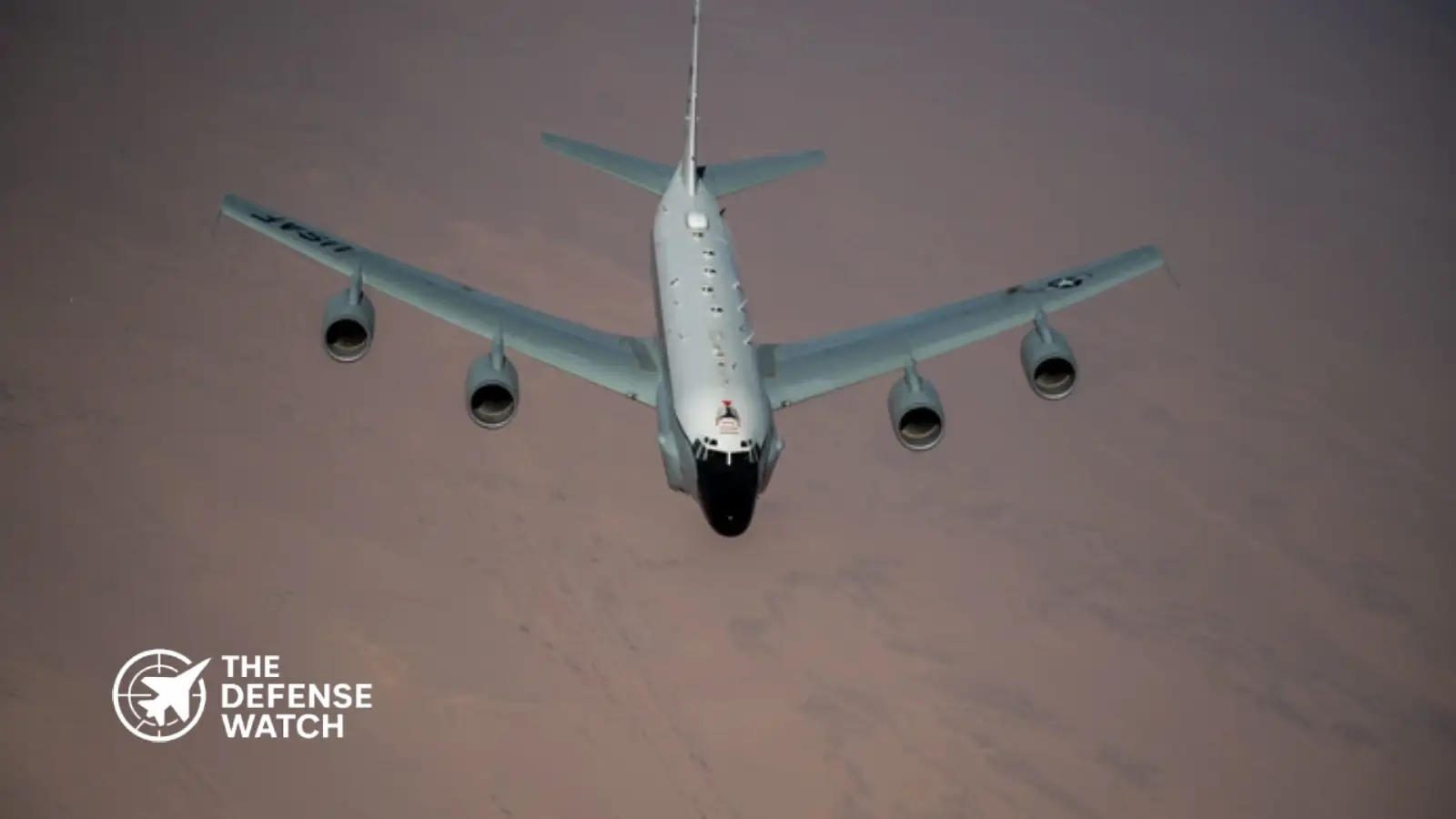
The RAF Rivet Joint surveillance aircraft has deployed to Norway as part of a NATO-focused exercise designed to strengthen intelligence gathering and allied interoperability. The deployment highlights growing emphasis on operations in the High North, a region of increasing strategic importance for NATO members.
RAF Rivet Joint Deployment Highlights NATO Focus On The High North
The RAF Rivet Joint surveillance aircraft has deployed to Norway’s western fjord region as part of an exercise aimed at improving operational flexibility and strengthening cooperation with NATO allies.
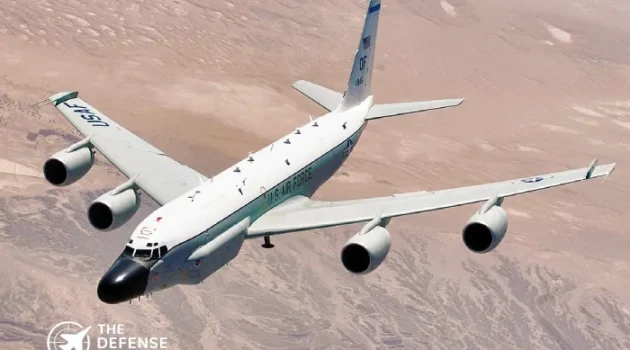
According to the Royal Air Force, No. 51 Squadron deployed the RC-135W Rivet Joint aircraft to Ørland Air Base in Norway under an Agile Combat Employment exercise. The activity was designed to demonstrate the aircraft’s ability to operate effectively from dispersed locations while working closely with allied forces.
The deployment comes as NATO continues to place greater emphasis on readiness, interoperability, and intelligence sharing across northern Europe.
Intelligence Aircraft Designed For Modern Surveillance Missions
The RAF Rivet Joint is one of the United Kingdom’s most important intelligence, surveillance, and reconnaissance (ISR) platforms.
Operated by No. 51 Squadron from RAF Waddington, the RC-135W specializes in collecting electronic intelligence and communications intelligence. Its onboard sensors can detect, intercept, and analyze signals across the electromagnetic spectrum, providing commanders with real-time situational awareness.
The aircraft entered RAF service through Project Airseeker and remains a key component of Britain’s intelligence gathering capability. The fleet is expected to remain operational into the next decade as part of the UK’s broader ISR architecture.
Norway Deployment Demonstrates Agile Combat Employment
A central objective of the exercise was validating the RAF’s ability to operate from locations away from its main operating bases.
Operating from Norway with limited support infrastructure allowed crews to test dispersed operations while maintaining mission effectiveness. The concept aligns with NATO’s growing focus on survivability, flexibility, and resilience in contested environments.
During the deployment, the aircraft worked alongside Norwegian military units and NATO airborne assets, improving coordination and understanding of each platform’s capabilities. The exercise also provided opportunities to streamline procedures and enhance operational integration among allied forces.
Why The High North Matters
The Norwegian deployment reflects broader strategic trends across the Euro-Atlantic region.
The High North has become increasingly significant due to its proximity to critical maritime routes, Arctic operating areas, and NATO’s northern flank. As military activity in northern Europe and the Arctic continues to attract attention from alliance planners, intelligence collection and situational awareness have become essential components of regional security.
The RC-135W’s advanced signals intelligence capabilities make it particularly valuable in this environment. By monitoring electronic emissions and communications activity, the aircraft contributes to a more comprehensive understanding of the operational picture across large geographic areas.
Recent RAF surveillance activities over the Baltic region and NATO’s eastern flank further illustrate the aircraft’s role in supporting alliance intelligence requirements.
Strategic Analysis
While the Norway deployment was presented as a training and readiness exercise, its significance extends beyond routine operations.
The ability to rapidly relocate high-value ISR assets is increasingly important as NATO prepares for potential disruptions to traditional basing arrangements. Dispersed operations reduce vulnerability and provide commanders with more options during crises.
For NATO, intelligence sharing remains one of the alliance’s most important force multipliers. Platforms such as the RAF Rivet Joint help connect national capabilities into a broader multinational intelligence network, improving decision-making speed and operational effectiveness.
The exercise also reinforces the close defense relationship between the United Kingdom and Norway, both of which play critical roles in safeguarding NATO’s northern approaches.
Conclusion
The deployment of the RAF Rivet Joint to Norway demonstrates NATO’s continued focus on readiness, interoperability, and intelligence operations in the High North. By operating from a dispersed location alongside allied forces, the RC-135W showcased the flexibility and intelligence capabilities that remain central to modern air power and alliance security.
(adsbygoogle = window.adsbygoogle || []).push({});Executive Summary:
The U.S. Navy has awarded Lockheed Martin a contract for long-lead materials supporting the production of 11 F-35 Lightning II fighter aircraft for an undisclosed foreign customer. The move highlights sustained international demand for the stealth fighter while preserving production timelines ahead of final aircraft procurement.
U.S. Navy Funds F-35 Fighter Production For Unnamed Foreign Customer
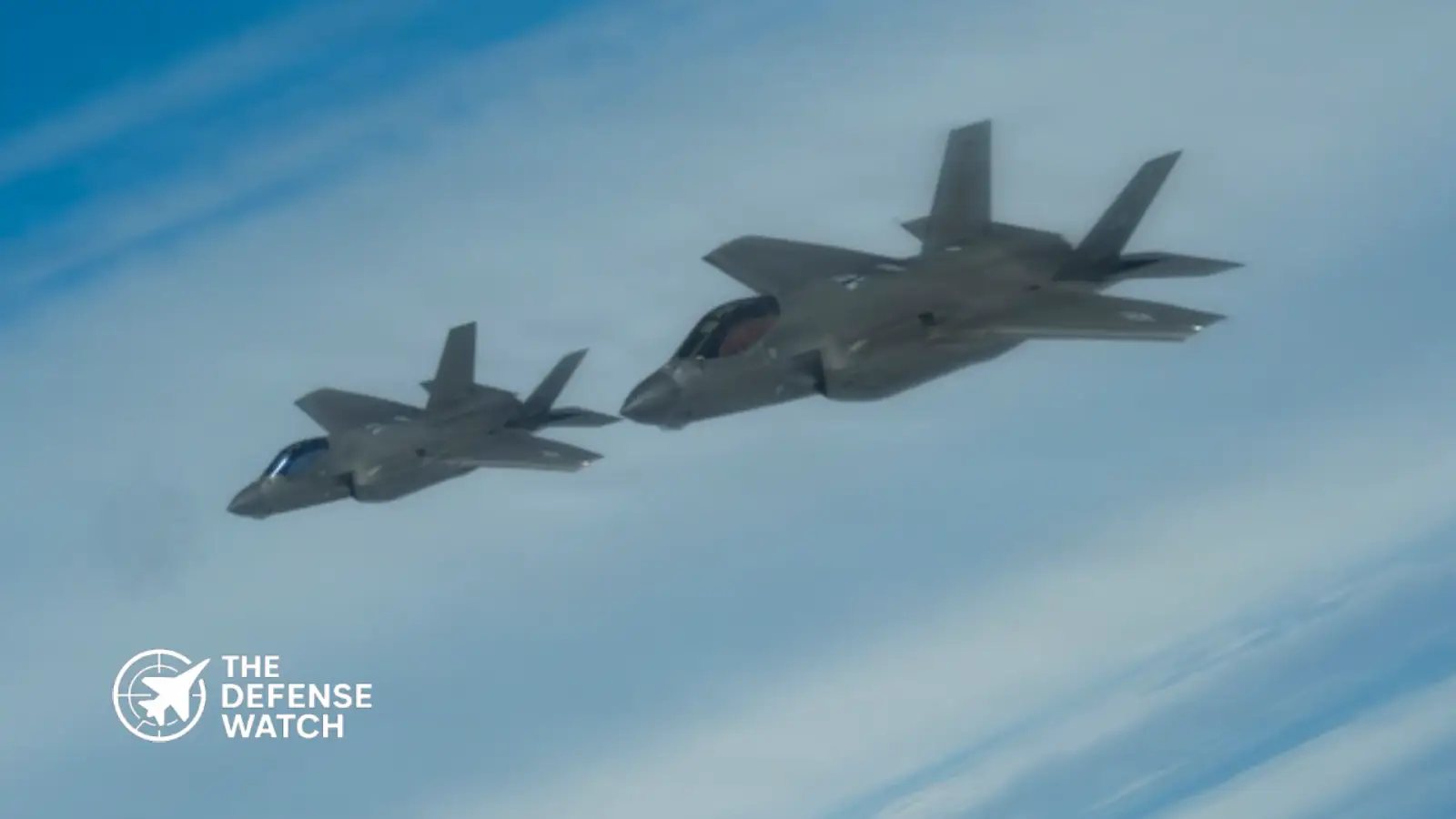
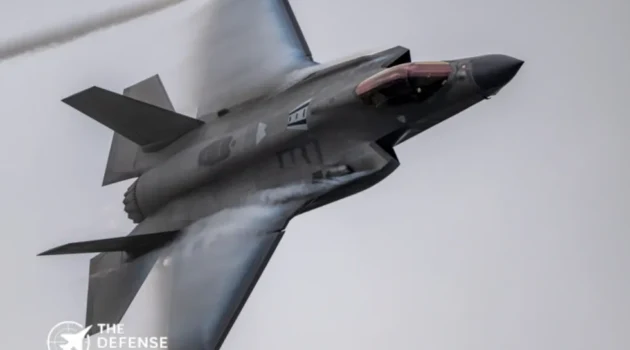
The F-35 fighter procurement program received another boost after the U.S. Navy awarded funding for long-lead materials associated with the production of 11 F-35 Lightning II aircraft destined for an undisclosed international customer.
The award enables Lockheed Martin to acquire critical components and materials required well before final aircraft assembly begins. Such long-lead procurement actions are commonly used to maintain production schedules and avoid supply chain delays for advanced military aircraft.
The identity of the customer has not been disclosed, a practice that occasionally occurs in Foreign Military Sales (FMS) cases or pending international defense acquisitions before formal government announcements.
(adsbygoogle = window.adsbygoogle || []).push({});Supporting Production Continuity
Long-lead procurement contracts are a critical element of modern fighter aircraft manufacturing. Advanced systems such as the F-35 require specialized components, including avionics, radar elements, structural assemblies, propulsion-related parts, and mission systems that often have lengthy manufacturing timelines.
By funding these components early, the U.S. Navy and industry partners can preserve production efficiency while reducing delivery risks once the full aircraft contract enters execution.
The latest award reflects continuing efforts to sustain the global F-35 production pipeline, which supports dozens of partner and customer nations across Europe, the Indo-Pacific, and the Middle East.
(adsbygoogle = window.adsbygoogle || []).push({});F-35 Remains The Backbone Of Allied Airpower Modernization
The F-35 international customers network continues to expand as governments seek advanced stealth, sensor fusion, and network-centric warfare capabilities.
The aircraft is currently operated or ordered by numerous nations, including the United States, the United Kingdom, Italy, the Netherlands, Norway, Denmark, Australia, Japan, South Korea, Belgium, Poland, Finland, Germany, Switzerland, the Czech Republic, Canada, Israel, and Singapore.
The continued growth of the F-35 user community has transformed the aircraft from a national acquisition program into a multinational defense ecosystem. Shared training, logistics, software upgrades, and interoperability have become major factors driving procurement decisions among allied nations.
From a strategic perspective, the platform’s widespread adoption strengthens coalition operations by allowing participating air forces to share data and coordinate missions through common systems and communications architectures.
(adsbygoogle = window.adsbygoogle || []).push({});Undisclosed Buyer Fuels Industry Speculation
While defense officials have not identified the purchasing nation, the timing is notable as several countries are currently evaluating new fighter acquisitions or expanding existing F-35 fleets.
However, no official information has been released regarding the recipient, and neither the U.S. government nor Lockheed Martin has provided details beyond the contract announcement.
Maintaining confidentiality during certain stages of foreign military sales is not uncommon, particularly when negotiations, parliamentary approvals, or government-to-government agreements remain in progress.
What is clear is that demand for the aircraft remains strong despite growing competition from emerging fighter programs in Europe and Asia.
(adsbygoogle = window.adsbygoogle || []).push({});Strategic Importance For The F-35 Program
The latest U.S. Navy F-35 contract demonstrates continued confidence in the long-term viability of the program. Early procurement funding helps stabilize industrial capacity across the extensive supplier network supporting the fighter’s production.
For Lockheed Martin, sustained international orders are increasingly important as global operators expand fleets and integrate additional aircraft into their force structures. Foreign sales also help distribute production costs across a larger customer base, supporting economies of scale and long-term sustainment efforts.
The contract further underscores the central role of the F-35 in Western airpower modernization strategies. As geopolitical competition intensifies across multiple regions, nations continue to prioritize platforms capable of operating in contested environments while integrating seamlessly with allied forces.
(adsbygoogle = window.adsbygoogle || []).push({});Outlook
The funding of long-lead materials for 11 additional aircraft indicates that another international F-35 acquisition is moving forward, even if the customer remains undisclosed for now.
As governments continue investing in next-generation combat aviation capabilities, the F-35 remains one of the most sought-after fighter aircraft in production. Future announcements from the U.S. Department of Defense or the purchasing nation are expected to clarify the destination of these aircraft and provide further insight into the evolving global fighter market.

(adsbygoogle = window.adsbygoogle || []).push({});Executive Summary:
Brazilian aerospace manufacturer Embraer has confirmed it has no plans to develop an indigenous fighter jet, choosing instead to expand its partnership with Saab on the Gripen program. The decision reinforces Brazil’s role in international combat aircraft production while avoiding the financial and technological risks associated with launching a new fighter aircraft project.
Embraer Reaffirms Commitment To Saab Gripen Partnership
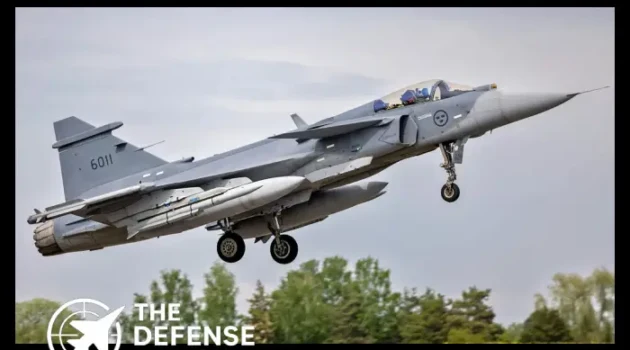
Embraer Saab partnership remains central to Brazil’s military aviation strategy after Embraer CEO Francisco Gomes Neto stated that the company has no intention of developing its own fighter aircraft.
Speaking to reporters in São José dos Campos on June 10, Gomes Neto said Embraer is satisfied with its cooperation with Swedish defense company Saab and sees no need to enter the highly competitive fighter jet development market independently.
The announcement comes only months after Embraer and Saab unveiled the first Gripen fighter assembled in Brazil at Embraer’s Gavião Peixoto facility, a milestone that highlighted the success of technology transfer agreements between the two companies.
According to Embraer, the facility could support additional production if Saab secures future aircraft orders in South America or other export markets requiring expanded manufacturing capacity.
(adsbygoogle = window.adsbygoogle || []).push({});Focus Remains On C-390 Millennium And Super Tucano
Rather than pursuing a costly fighter development effort, Embraer continues to prioritize platforms where it already holds strong market positions.
The company remains focused on expanding exports of the C-390 Millennium tactical airlifter and the A-29 Super Tucano light attack and training aircraft. Both platforms have generated growing international demand in recent years, particularly among NATO and allied nations seeking cost effective military aviation solutions.
This strategy reflects a broader industry reality. Developing a modern combat aircraft requires decades of investment, advanced industrial capabilities, and extensive government support. Even major aerospace powers often rely on multinational partnerships to share costs and technological risks.
(adsbygoogle = window.adsbygoogle || []).push({});By leveraging Saab’s fighter expertise while concentrating on transport and light attack aircraft, Embraer avoids duplicating capabilities already available through its existing alliance.
Brazil’s Gripen Program Continues To Expand
The Saab Gripen program remains one of the most significant defense industrial partnerships in Latin America.
Brazil selected the Gripen in 2014 to modernize its air force fleet. Under the agreement, Saab transferred technology and established local production capabilities through cooperation with Embraer. Fifteen aircraft from the original order are scheduled to be assembled in Brazil.
The program reached a major milestone in March 2026 when Brazil unveiled its first domestically assembled Gripen fighter, making it the first country in Latin America to assemble a supersonic combat aircraft locally.
Brazil may also expand the fleet. Swedish officials recently stated that Brazil has expressed interest in purchasing an additional 20 Gripen E and F fighters beyond the original 36 aircraft order. If approved, the aircraft would be manufactured in Brazil, further strengthening local aerospace capabilities.
- (adsbygoogle = window.adsbygoogle || []).push({});
Strategic Implications For Global Fighter Markets
The timing of Embraer’s announcement is significant.
It comes amid major uncertainty within Europe’s next generation fighter aircraft sector following the collapse of the Franco-German Future Combat Air System (FCAS) project. The program, valued at approximately €100 billion, was intended to produce a sixth generation combat aircraft for several European nations.
Following FCAS’s breakdown, Reuters reported that Airbus has increasingly explored deeper cooperation with Saab as European aerospace companies reassess future fighter development partnerships.
Against that backdrop, Embraer’s decision highlights a pragmatic approach increasingly adopted across the defense aerospace industry. Rather than launching independent fighter programs, many manufacturers are choosing collaborative models that reduce costs while preserving industrial participation.
For Brazil, continued cooperation with Saab provides access to advanced combat aviation technology while maintaining domestic manufacturing and engineering expertise.
(adsbygoogle = window.adsbygoogle || []).push({});Why Embraer’s Decision Matters
The decision underscores the growing importance of international defense industrial partnerships.
While some nations view indigenous fighter programs as symbols of strategic autonomy, such efforts often require enormous financial commitments and sustained political support. Even established aerospace powers face challenges funding next generation combat aircraft independently.
Embraer’s position suggests the company sees greater value in expanding production, technology transfer, and export opportunities through the Saab Gripen program than in pursuing a separate fighter design.
(adsbygoogle = window.adsbygoogle || []).push({});For Saab, the partnership provides a manufacturing hub in Latin America and potentially additional production capacity for future export campaigns. For Brazil, it secures long term participation in advanced combat aircraft production without assuming the risks of a standalone fighter development effort.
Conclusion
Embraer has made clear that its future in military aviation does not include developing a new fighter jet. Instead, the company is doubling down on its successful partnership with Saab, expanding Brazil’s role in Gripen production while focusing its own resources on proven platforms such as the C-390 Millennium and Super Tucano.
As global defense budgets tighten and combat aircraft programs become increasingly expensive, Embraer’s strategy reflects a broader industry trend toward international collaboration rather than independent fighter development.
- (adsbygoogle = window.adsbygoogle || []).push({});
(adsbygoogle = window.adsbygoogle || []).push({});Executive Summary:
Airbus is increasingly looking toward Saab as a potential strategic partner after the collapse of the Franco-German Future Combat Air System (FCAS) fighter program. The development could reshape Europe’s sixth-generation combat aircraft landscape and influence future defense industrial cooperation across the continent.
Airbus Saab Partnership Emerges After FCAS Breakdown
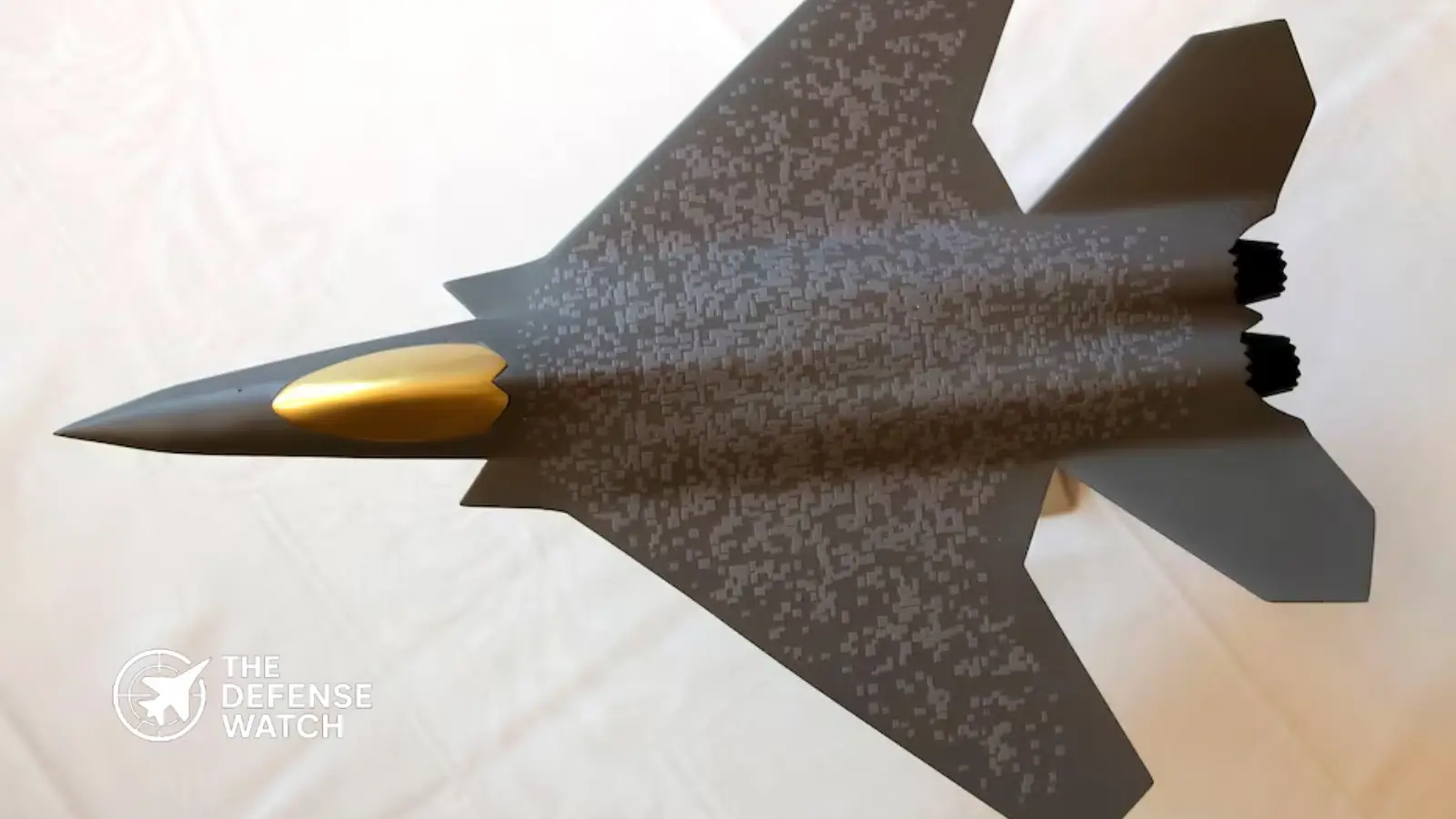
The Airbus Saab partnership is gaining attention following the reported collapse of the Franco-German Future Combat Air System (FCAS), one of Europe’s most ambitious defense aviation programs.
According to Reuters, Airbus has been holding exploratory discussions with Swedish defense company Saab for at least six months. The talks have accelerated as France and Germany officially acknowledged that disagreements between industrial partners had become impossible to resolve within the FCAS fighter effort.
The FCAS program was originally designed to deliver a sixth-generation combat aircraft alongside advanced drones, networking systems, and a combat cloud architecture for France, Germany, and Spain. However, disputes over leadership and industrial responsibilities between Airbus and Dassault Aviation repeatedly delayed progress.
(adsbygoogle = window.adsbygoogle || []).push({});Why Saab Has Become An Attractive Option
Saab, best known for producing the Gripen fighter aircraft, is increasingly viewed as a credible partner for Airbus as Europe reassesses its next-generation combat aviation strategy.
Reuters reported that improved defense relations between Germany and Sweden have helped create momentum for deeper industrial cooperation. Airbus and Saab have already collaborated on unmanned technologies, providing a foundation for broader future projects.
Unlike larger multinational programs, Saab brings extensive experience in fighter design, systems integration, and defense innovation while maintaining a relatively flexible industrial structure. Sweden also remains one of the few European nations with an active domestic fighter aircraft development capability.
Saab has publicly stated that any future partnership would ultimately depend on political decisions, while maintaining an open approach toward collaboration with defense industry partners.
(adsbygoogle = window.adsbygoogle || []).push({});Airbus Keeps Other Options Open
While the Airbus Saab partnership appears to be gaining momentum, Airbus has not committed exclusively to a Swedish path.
Reuters reported that Airbus has also maintained high-level contacts related to the separate Global Combat Air Programme (GCAP), the multinational sixth-generation fighter initiative involving the United Kingdom, Italy, and Japan.
Industry executives have indicated that multiple partnership models remain under consideration as Germany seeks to preserve its role in future combat aircraft development. Airbus Defence and Space CEO Michael Schoellhorn recently acknowledged Saab as a potential partner while emphasizing that other options remain available.
Strategic Implications For European Air Power
The collapse of FCAS represents a major setback for European defense cooperation. Analysts note that the program’s failure highlights the challenges of aligning military requirements, industrial interests, and national priorities across multiple countries.
From a strategic perspective, the Airbus Saab partnership could offer Germany and Sweden an opportunity to preserve critical fighter aircraft expertise while avoiding some of the governance challenges that affected FCAS.
However, significant questions remain. Future combat aircraft programs require substantial financial investment, advanced propulsion technologies, sophisticated sensor integration, and long-term political commitment. Any new partnership would also need to address export policies, operational requirements, and production responsibilities.
A key consideration will be whether Europe ultimately converges around a smaller number of sixth-generation fighter programs or continues pursuing multiple competing initiatives, including France’s independent path, GCAP, and any future Airbus-Saab effort.
What Happens Next
The expected formal separation between Airbus and Dassault regarding the fighter component of FCAS could create greater freedom for Airbus to pursue alternative partnerships. Meanwhile, Germany continues to evaluate options for maintaining a domestic industrial role in next-generation combat aviation.
Although the FCAS fighter aircraft effort appears to have reached its end, elements of the broader program, including combat cloud networking systems and collaborative combat drone technologies, may continue under separate cooperative arrangements.
For Airbus, Saab, and European defense planners, the coming months could determine the future structure of Europe’s sixth-generation air combat ecosystem.
(adsbygoogle = window.adsbygoogle || []).push({});Analysis
The emerging Airbus Saab partnership reflects a broader shift in European defense procurement. Recent geopolitical tensions have increased pressure on European nations to field advanced combat aircraft while reducing dependence on external suppliers.
Rather than pursuing highly complex multinational programs with overlapping industrial interests, future partnerships may favor smaller coalitions built around complementary capabilities and clearer leadership structures.
If Airbus and Saab deepen their cooperation, the partnership could combine Germany’s industrial scale with Sweden’s fighter aircraft expertise, potentially creating a new center of gravity within Europe’s combat aviation sector. However, success will depend on whether political leaders can align long-term funding and operational requirements more effectively than previous multinational fighter efforts.
(adsbygoogle = window.adsbygoogle || []).push({});Executive Summary:
Denmark’s F35 procurement program has exceeded initial cost estimates by approximately 2 point 2 billion dollars, according to a national audit review. The report points to rising acquisition and long term sustainment expenses tied to the Lockheed Martin built fighter fleet. The findings raise fresh concerns over lifecycle affordability and defense budget planning.
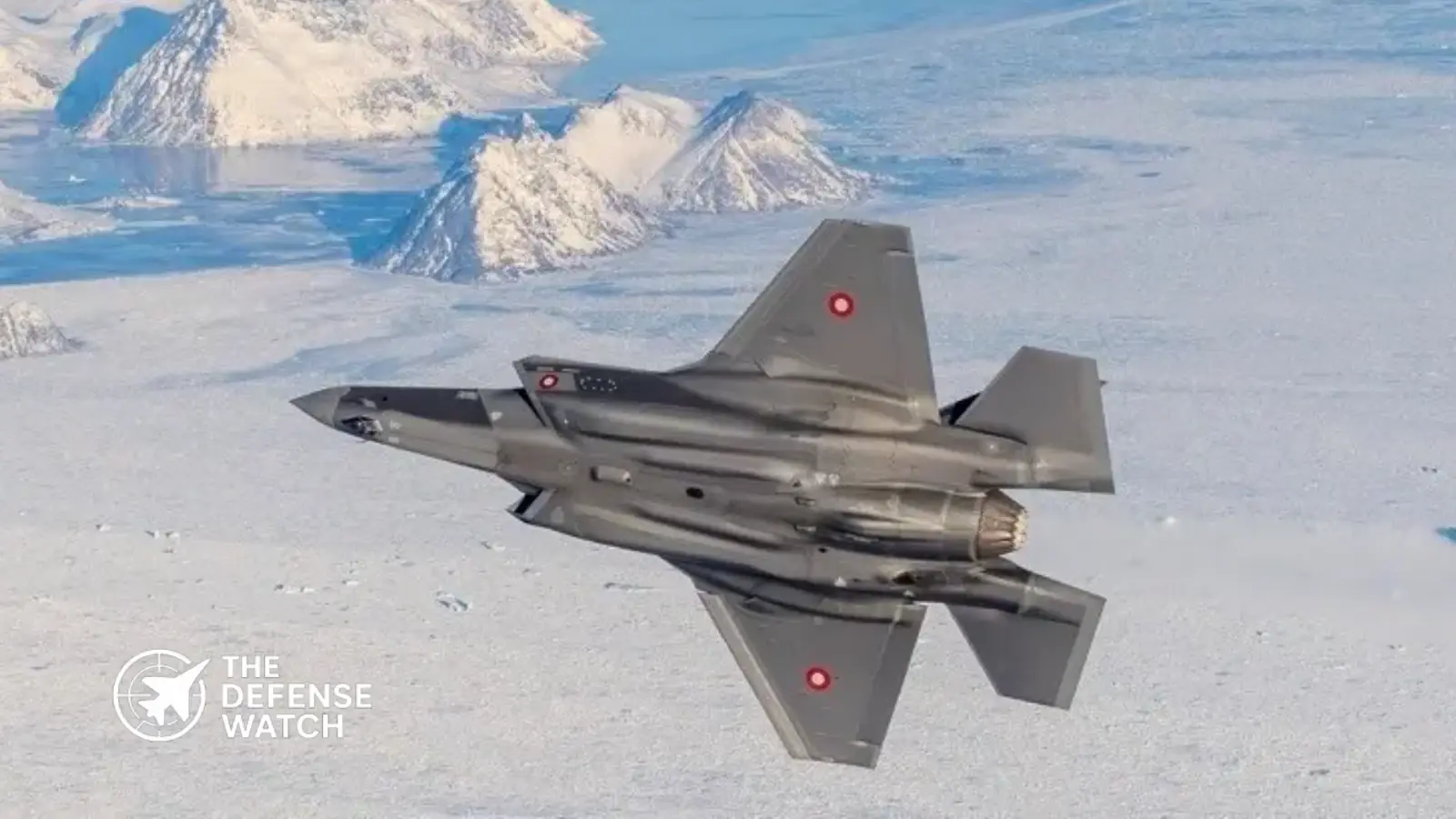
Denmark F35 costs have increased significantly, with new audit findings showing a multi billion dollar rise in the country’s fighter acquisition program led by Lockheed Martin and the F35 Lightning II fleet. The report, published by the Danish National Audit Office, highlights higher than expected expenses across procurement and long term sustainment, underscoring broader challenges in managing next generation combat aircraft programs.
The findings arrive as European NATO members continue expanding fifth generation capabilities while facing inflationary pressure on defense budgets and supply chain constraints.
Rising Costs in Denmark’s F35 Program
A national audit review in Denmark found that total expected costs for the F35 program have increased by roughly 2 point 2 billion dollars compared to earlier projections. The review was conducted by the Danish National Audit Office, which tracks public spending and defense procurement performance.
The increase is attributed to a combination of factors including updated lifecycle estimates, infrastructure requirements, and long term maintenance assumptions tied to operating a fifth generation stealth fighter fleet.
(adsbygoogle = window.adsbygoogle || []).push({});While the initial procurement phase remains on schedule, long term sustainment is emerging as the primary cost driver.
What Is Driving the Cost Increase
The audit identifies several structural pressures affecting the program:
First, sustainment costs for advanced stealth aircraft are higher than early planning models anticipated. The F35 fleet requires specialized maintenance facilities, secure software updates, and continuous systems integration.
Second, inflation in defense supply chains has increased the cost of parts, logistics, and training infrastructure.
Third, Denmark’s expansion of operational readiness requirements has led to additional investments in basing and support systems.
Together, these factors have created a wider gap between initial procurement estimates and full lifecycle cost projections.
(adsbygoogle = window.adsbygoogle || []).push({});Strategic Role of the F35 Fleet
Denmark is transitioning from legacy fourth generation aircraft to the F35 Lightning II platform as part of its NATO modernization commitments. The aircraft is designed for multirole operations including air superiority, strike missions, and intelligence collection.
The F35 program is central to Denmark’s long term defense posture, ensuring interoperability with allied NATO forces and enhancing participation in joint operations across Europe and the North Atlantic.
However, the rising cost profile highlights the broader challenge facing multiple NATO members that have adopted the platform, balancing capability gains against long term affordability.
(adsbygoogle = window.adsbygoogle || []).push({});Broader NATO Procurement Pressure
The Danish case reflects a wider trend across Europe and NATO allies investing in fifth generation airpower. Several countries have reported upward revisions in total program costs as fleets mature and sustainment phases expand.
Defense analysts note that while platforms like the F35 deliver advanced stealth and sensor fusion capabilities, they also introduce long term financial commitments that extend decades beyond initial purchase contracts.
This creates pressure on defense ministries to adjust long term budgeting strategies and procurement planning models.
(adsbygoogle = window.adsbygoogle || []).push({});Operational Impact for Denmark
Despite rising costs, Denmark continues to move forward with its F35 transition. The aircraft is expected to form the backbone of its combat air capability for decades, replacing older fighter platforms and integrating into NATO air policing and rapid response missions.
The audit does not indicate program cancellation risk, but it emphasizes the importance of clearer long term cost forecasting and improved budget transparency.
For planners, the key challenge is ensuring sustained funding for readiness, training, and upgrades without compromising other defense priorities.
Analysis
The findings come from an official audit authority, providing a high level of credibility and transparency in public defense spending analysis. The data aligns with broader international assessments of fifth generation aircraft lifecycle costs.
Programs like the F35 Lightning II continue to be central to Western airpower strategy, but also highlight the growing complexity of defense acquisition in an era of advanced systems integration and long term sustainment dependency.
(adsbygoogle = window.adsbygoogle || []).push({});Executive Summary:
The 104th Fighter Wing has marked a major milestone in its F-35A transition by signing the fuselage bulkhead of one of its first aircraft at Lockheed Martin’s Fort Worth facility. The event highlights the Air National Guard unit’s shift from the F-15 Eagle to the fifth generation F-35A, securing its future mission and expanding operational capabilities.
104th Fighter Wing F-35A Transition Reaches Major Milestone
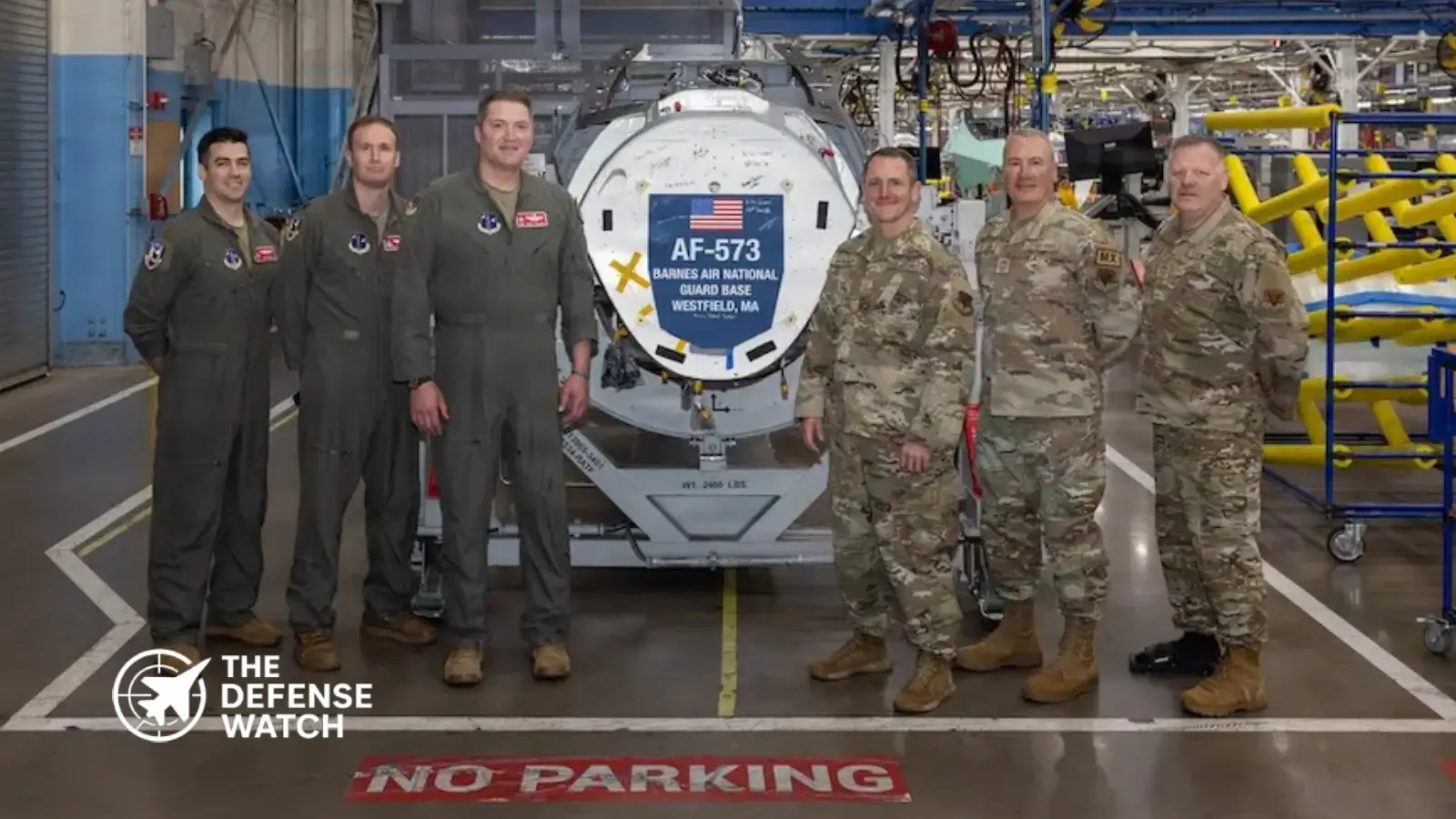
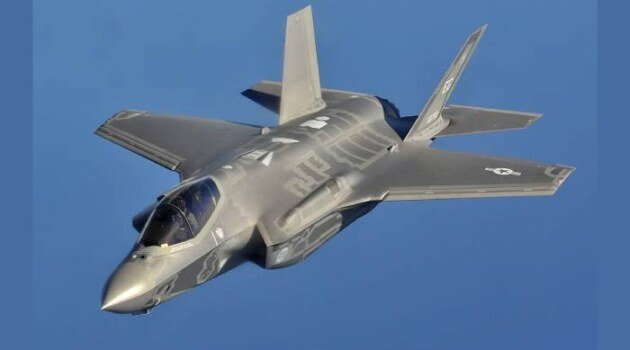
The 104th Fighter Wing F-35A transition moved one step closer to reality after senior leaders from the Massachusetts Air National Guard visited Lockheed Martin’s production facility in Fort Worth, Texas, to sign the fuselage bulkhead of one of the wing’s first F-35A Lightning II aircraft. The ceremony marked a symbolic and operational milestone as the unit prepares to receive its first fifth generation fighters.
According to the 104th Fighter Wing, the visit took place on May 27 and included wing leadership, pilots, and senior enlisted personnel. Signing a partially assembled aircraft is a long standing military aviation tradition that allows future operators to leave their mark on an aircraft while it remains on the production line.
For the Massachusetts-based unit, the moment represented far more than a ceremonial event.
Col. Michael Glass, commander of the 104th Fighter Wing, described the signing as a pivotal moment that reinforces the future of the wing and its readiness mission. Wing leaders emphasized that the arrival of the F-35A secures the unit’s long term role within the Air National Guard and the broader U.S. Air Force force structure.
(adsbygoogle = window.adsbygoogle || []).push({});From F-15 Eagles To Fifth Generation Fighters
The 104th Fighter Wing previously operated the F-15 Eagle for nearly two decades. The aircraft served at Barnes Air National Guard Base from 2007 until the fleet was retired from the unit in 2025 as part of a broader Air Force modernization effort.
The transition to the F-35A represents one of the most significant capability upgrades in the wing’s history.
Unlike the F-15C, the F-35A combines low observable characteristics, advanced sensors, electronic warfare systems, and data fusion capabilities into a single platform. The aircraft is designed to operate effectively in highly contested environments while sharing information across joint and allied networks.
This transition reflects a wider trend across the Air National Guard, where legacy fourth generation fighter fleets are increasingly being replaced by fifth generation aircraft capable of supporting modern air superiority and multi domain operations.
(adsbygoogle = window.adsbygoogle || []).push({});Production Progress Signals Growing Momentum
The Fort Worth facility remains the centerpiece of global F-35 production. According to the 104th Fighter Wing, the assembly complex can accommodate up to 155 aircraft simultaneously, while each F-35 requires roughly 18 months to move from initial assembly to final delivery.
The signing ceremony also gave wing personnel a firsthand look at aircraft already progressing through production.
The event follows another major milestone announced in May, when the 104th Fighter Wing received more than 1,000 pieces of support equipment valued at nearly $1 billion. Those deliveries included critical infrastructure and logistics systems required to sustain F-35 operations at Barnes Air National Guard Base.
Taken together, the equipment deliveries and aircraft production progress indicate that the wing’s conversion effort is entering a more advanced phase.
Why The F-35A Matters For The Air National Guard
The significance of the 104th Fighter Wing F-35A transition extends beyond Massachusetts.
Across the United States, Air National Guard units play a critical role in homeland defense, expeditionary operations, and contingency response. Equipping Guard units with the F-35 ensures that reserve component forces remain interoperable with active duty, allied, and coalition air forces operating the same platform.
(adsbygoogle = window.adsbygoogle || []).push({});The F-35’s sensor fusion capabilities allow pilots to detect, track, and share information across the battlefield more effectively than legacy fighters. As potential adversaries field increasingly sophisticated air defense systems and advanced combat aircraft, access to fifth generation capabilities becomes increasingly important for maintaining operational effectiveness.
The transition also preserves the strategic relevance of the 104th Fighter Wing within future force planning. Air National Guard units selected for F-35 operations are expected to remain integral contributors to U.S. airpower for decades.
Strategic Analysis
While the fuselage signing itself was ceremonial, the broader significance lies in what it represents.
The U.S. Air Force continues to balance modernization requirements against budget pressures, force structure changes, and evolving global threats. Selection for the F-35A demonstrates confidence in the 104th Fighter Wing’s operational record, infrastructure, and long term value to national defense.
The transition also underscores a larger shift within the Air National Guard toward maintaining frontline combat relevance. Rather than relegating Guard units to legacy platforms, the Air Force is increasingly integrating them into advanced combat aviation planning.
For Barnes Air National Guard Base, the arrival of the F-35A secures a future mission set that is expected to remain central to U.S. airpower well into the 2040s and beyond.
Conclusion
The 104th Fighter Wing F-35A transition reached a visible milestone with the signing of one of the unit’s first aircraft at Lockheed Martin’s Fort Worth production facility. As aircraft move through final assembly and support equipment continues arriving in Massachusetts, the wing is steadily progressing toward full fifth generation operations.
The event highlights not only the future of the 104th Fighter Wing but also the continuing modernization of the Air National Guard as it prepares for the demands of future air combat.
(adsbygoogle = window.adsbygoogle || []).push({});Executive Summary:
The U.S. Air Force says it is confident Boeing has resolved a critical flaw affecting the KC-46 Pegasus aerial refueling tanker. The upgraded Remote Vision System 2.0 has completed testing and is expected to enter production aircraft in 2028, a key milestone for one of the Air Force’s most important mobility programs.
US Air Force Confident KC-46 Tanker Fix Is Working
The KC-46 tanker upgrade program reached a significant milestone this week as U.S. Air Force Secretary Troy Meink told lawmakers that the service believes Boeing has successfully fixed the aircraft’s troubled Remote Vision System (RVS), a critical component used during aerial refueling operations.
Speaking before a Senate appropriations subcommittee, Meink said the new Remote Vision System 2.0 has been tested successfully and is expected to begin entering the production line in 2028. The announcement marks one of the strongest endorsements yet from Air Force leadership regarding Boeing’s efforts to address a problem that has plagued the tanker program for years.
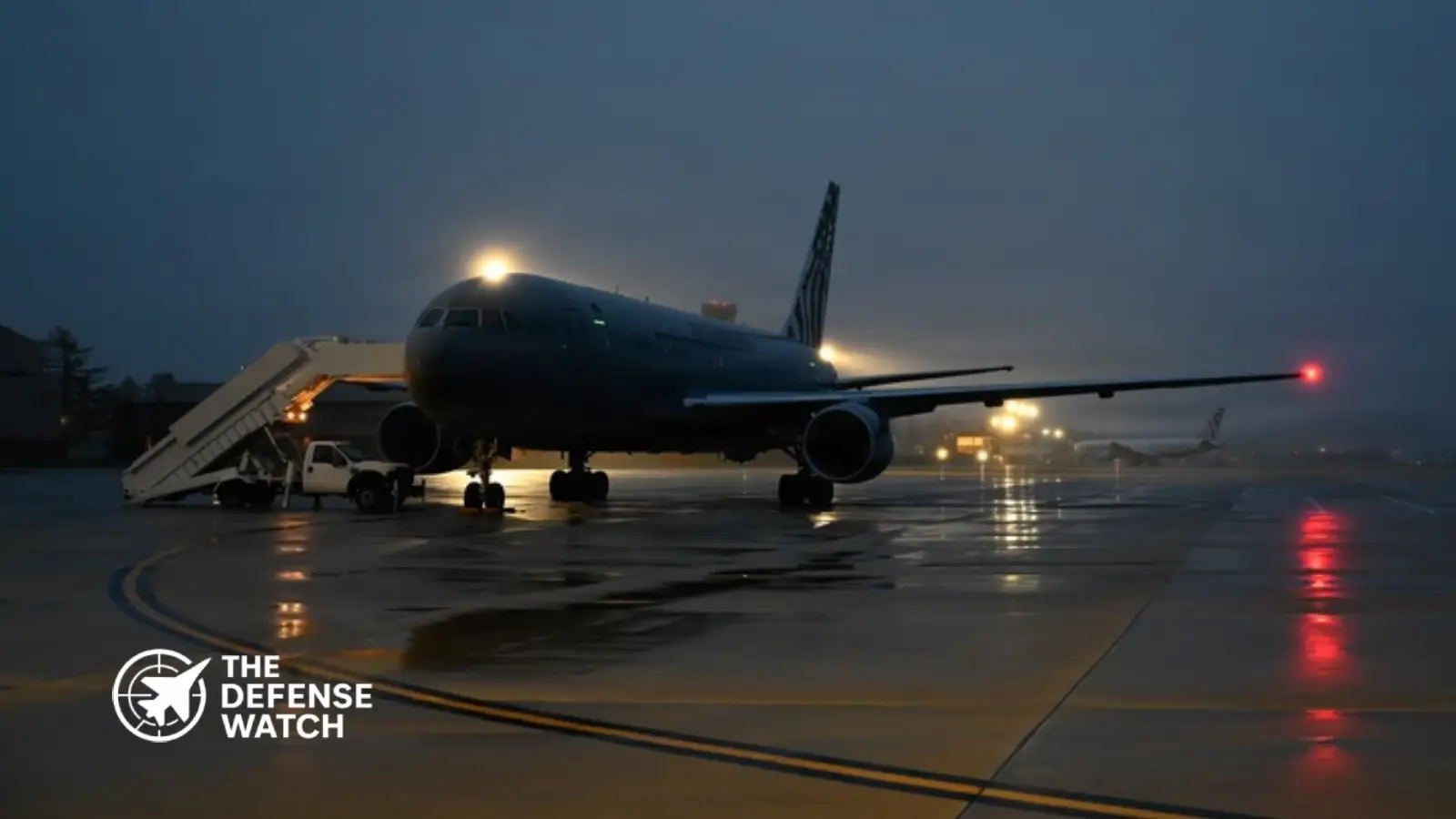
The KC-46 Pegasus relies on the vision system to allow boom operators to remotely guide the aircraft’s refueling boom into receiving aircraft. Deficiencies in image quality and depth perception under certain lighting conditions have limited the system’s effectiveness and delayed full operational capability.
(adsbygoogle = window.adsbygoogle || []).push({});A Decade-Long Challenge For Boeing
The KC-46 program has faced technical and schedule setbacks since its development phase. Beyond the Remote Vision System issues, Boeing and the Air Force have worked through problems involving the refueling boom, fuel systems, and production quality concerns.
The aircraft, derived from the commercial Boeing 767 platform, was selected to replace portions of the aging KC-135 Stratotanker fleet. While the tanker has entered operational service and supports missions worldwide, unresolved deficiencies have prevented the program from fully meeting all Air Force expectations.
The latest timeline remains well behind original plans. Air Force officials had initially expected the upgraded vision system years earlier, making the anticipated 2028 production integration roughly five years later than first projected.
(adsbygoogle = window.adsbygoogle || []).push({});Why The KC-46 Matters To US Military Operations
Aerial refueling aircraft are among the most strategically important assets in the U.S. military inventory. They extend the range of fighters, bombers, intelligence aircraft, and transport fleets, enabling global power projection and sustained operations across multiple theaters.
The importance of tanker fleets has become increasingly apparent as the Pentagon focuses on long-range operations in the Indo-Pacific and maintains readiness across Europe and the Middle East. Modern air campaigns depend heavily on reliable aerial refueling capabilities to support extended missions far from established bases.
From an operational perspective, resolving the KC-46’s deficiencies is about more than fixing a single aircraft. It is about ensuring the Air Force can field a modern tanker force capable of supporting future high-end conflicts where range, endurance, and rapid deployment are critical factors.
This broader strategic role explains why Air Force leaders continue to invest heavily in the program despite years of technical challenges.
(adsbygoogle = window.adsbygoogle || []).push({});Additional Orders Depend On Successful Fixes
The Air Force has already ordered 188 KC-46 tankers and received more than 100 aircraft. However, future procurement plans remain tied to Boeing’s ability to fully resolve outstanding deficiencies.
Earlier this year, Air Force Vice Chief of Staff Gen. John Lamontagne stated that the service would not move forward with a potential follow-on order for an additional 75 aircraft until key issues are corrected.
That position makes the successful testing of RVS 2.0 particularly important. If the upgraded system performs as expected during further validation and fleet integration, it could remove one of the largest obstacles standing between Boeing and future tanker contracts.
The Air Force and Boeing recently announced a joint readiness improvement plan focused on accelerating upgrades, improving aircraft availability, and speeding installation of the new vision system across the fleet. Officials believe the effort could significantly improve tanker readiness by the end of the decade.
(adsbygoogle = window.adsbygoogle || []).push({});Analysis: A Critical Turning Point For The KC-46
The Air Force’s confidence in the upgraded Remote Vision System represents an important turning point for a program that has often been defined by technical setbacks rather than operational achievements.
While successful testing does not eliminate all remaining challenges, it signals that one of the aircraft’s most persistent deficiencies may finally be nearing resolution. The next phase, integrating the system into production aircraft and retrofitting the existing fleet, will determine whether Boeing can fully restore confidence in the KC-46 program.
Retrofitting aircraft already in service is expected to take several years, meaning the benefits of the upgrade will be realized gradually rather than immediately. Nevertheless, the Air Force’s public endorsement of the fix suggests that program leaders believe the effort is finally moving in the right direction.
For Boeing, which has absorbed more than $7 billion in losses on the fixed-price tanker contract, a successful RVS 2.0 rollout could help stabilize one of its most challenging defense programs and support future tanker production opportunities.

