Executive Summary:
Poland has received and deployed its first F-35A Husarz stealth fighters, becoming the first NATO eastern flank nation to field fifth-generation combat aircraft. The move significantly enhances Poland’s airpower while strengthening NATO’s deterrence and collective defense posture in Eastern Europe.
Poland Deploys First F-35A Husarz Fighters To Strengthen NATO Air Defense
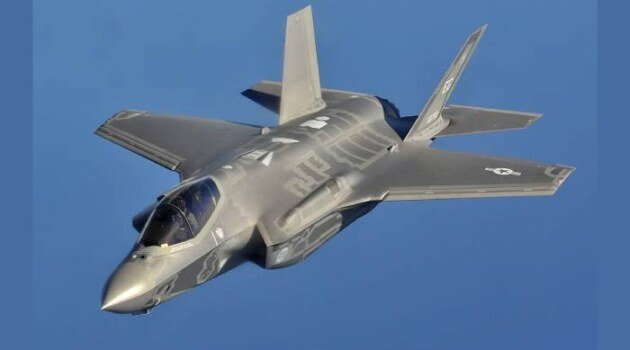
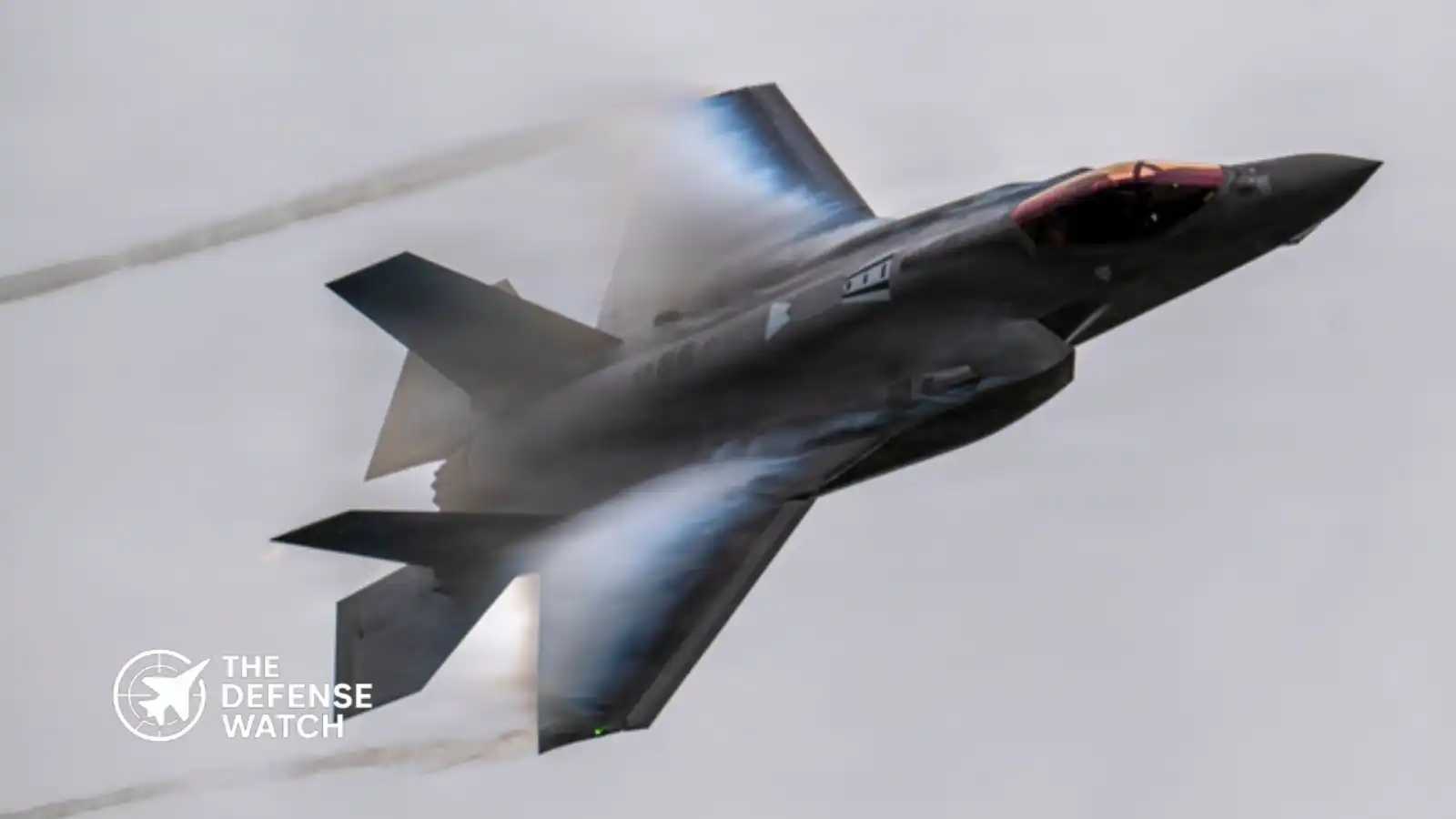
Poland’s first F-35A Husarz fighters have arrived at the 32nd Tactical Air Base in Łask, marking a milestone in the country’s long-term military modernization strategy and strengthening NATO’s eastern flank defense network. The delivery introduces fifth-generation combat aviation capabilities into the Polish Air Force for the first time and expands NATO’s ability to conduct advanced air operations along its most strategically sensitive frontier.
The initial deployment consists of three F-35A Lightning II aircraft manufactured by Lockheed Martin. They are the first aircraft delivered to Poland under a contract signed in 2020 for 32 fighters valued at approximately $4.6 billion, including training, logistics support, and simulator systems. Deliveries are expected to continue through the end of the decade.
Why The F-35A Husarz Matters
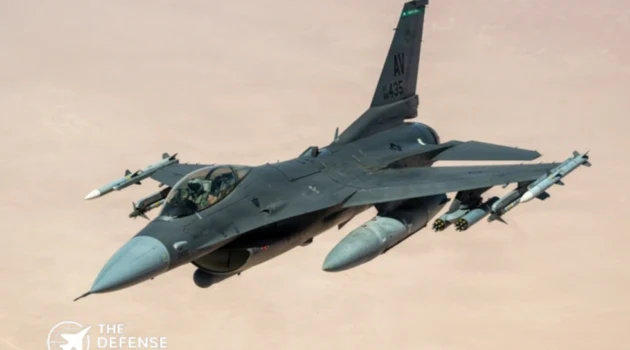
The F-35A Husarz represents a significant leap beyond Poland’s legacy Soviet-era combat aircraft and complements the country’s existing fleet of F-16 fighters.
As a fifth-generation platform, the F-35A combines stealth characteristics, advanced sensor fusion, electronic warfare capabilities, and network-centric operations. Its integrated systems allow pilots to detect, identify, and engage threats at longer ranges while maintaining a reduced radar signature. These capabilities are particularly valuable in highly contested environments protected by modern air defense systems.
Unlike traditional fighter aircraft that require pilots to process information from multiple independent sensors, the F-35 fuses battlefield data into a single operational picture. This reduces pilot workload and improves decision-making speed during complex missions.
For Poland, the aircraft is expected to support air superiority missions, precision strikes, intelligence gathering, suppression of enemy air defenses, and joint operations with NATO allies.
Strategic Significance For NATO’s Eastern Flank
The arrival of the F-35A Husarz carries importance beyond Poland’s national defense requirements.
Polish Defense Minister Władysław Kosiniak-Kamysz described the aircraft as the first fifth-generation fighters permanently deployed on NATO’s eastern flank. Their presence enhances the alliance’s ability to monitor, deter, and respond to potential threats across Eastern Europe.
The deployment comes as NATO continues adapting its force posture following Russia’s invasion of Ukraine and growing security concerns across Central and Eastern Europe. Poland has emerged as one of NATO’s highest defense spenders relative to GDP and has accelerated procurement programs across multiple military branches.
The F-35 fleet is expected to integrate closely with Poland’s existing and planned defense assets, including Patriot air defense systems, HIMARS rocket launchers, AH-64E Apache helicopters, and Abrams main battle tanks. Together, these systems create a more interconnected and resilient defense architecture.
Building One Of Europe’s Most Capable Air Forces
The deployment of the F-35A Husarz reflects Poland’s broader effort to transform its armed forces into one of Europe’s most capable military organizations.
While the country’s F-16 fleet continues to provide proven multirole combat capabilities, the F-35 introduces a new level of survivability, intelligence gathering, and networked warfare. Military planners increasingly view the combination of fourth-generation and fifth-generation aircraft as a force multiplier, allowing each platform to perform missions that maximize its strengths.
Poland’s acquisition also deepens interoperability with NATO members already operating the F-35, including United Kingdom, Italy, Norway, Netherlands, Belgium, Denmark, Finland, and Germany. Shared training, logistics networks, and operational procedures improve alliance readiness and support multinational operations.
Analysis: More Than A Fighter Delivery
The arrival of the first F-35A Husarz fighters is not simply an aircraft delivery. It signals Poland’s transition into the group of nations operating advanced fifth-generation combat aircraft and reinforces NATO’s technological advantage along its eastern frontier.
From a strategic perspective, the deployment increases the alliance’s ability to conduct intelligence collection, air defense suppression, and precision strike operations in contested environments. It also demonstrates how NATO members are investing in interoperable platforms that can share data across air, land, and missile defense networks.
As additional aircraft arrive and operational squadrons become fully established, Poland’s F-35 fleet is expected to become a central pillar of both national defense planning and NATO’s broader deterrence strategy in Europe.